Are you tired of dealing with paper fasteners that break, rust, or just don’t hold your documents together well? You’re not alone.
Finding the right alternative can save you time, frustration, and even money. You’ll discover simple, effective options that work better than traditional paper fasteners. Whether you need a quick fix or a long-term solution, you’ll find ideas that fit your needs perfectly.
Keep reading to make your paperwork easier and more organized than ever before.

Credit: m.made-in-china.com
Common Paper Fasteners
Paper fasteners hold sheets of paper together. They keep documents neat and organized. Many offices and schools use them daily. Understanding common types helps find the best alternative. Knowing their limits also guides better choices.
Types Of Paper Fasteners
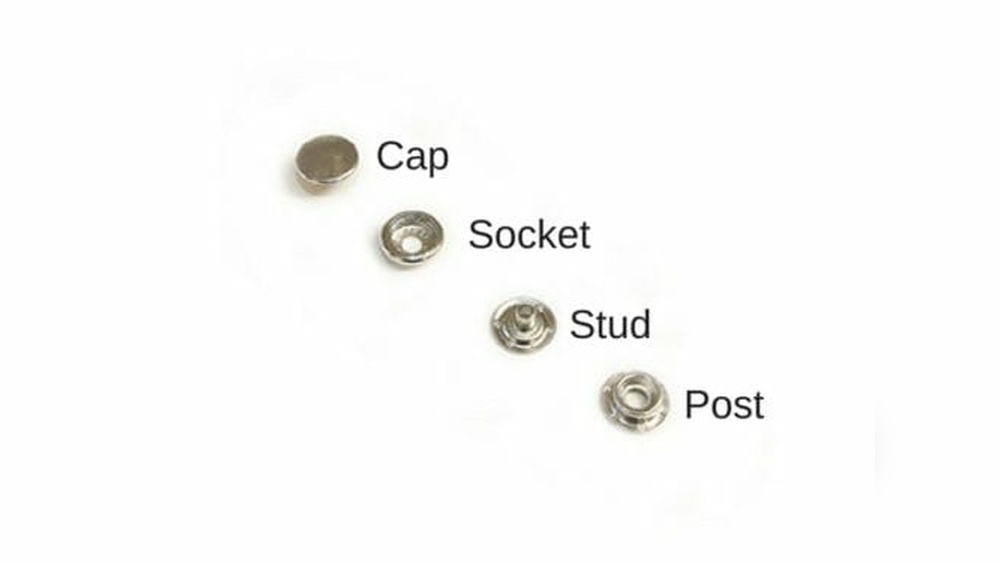
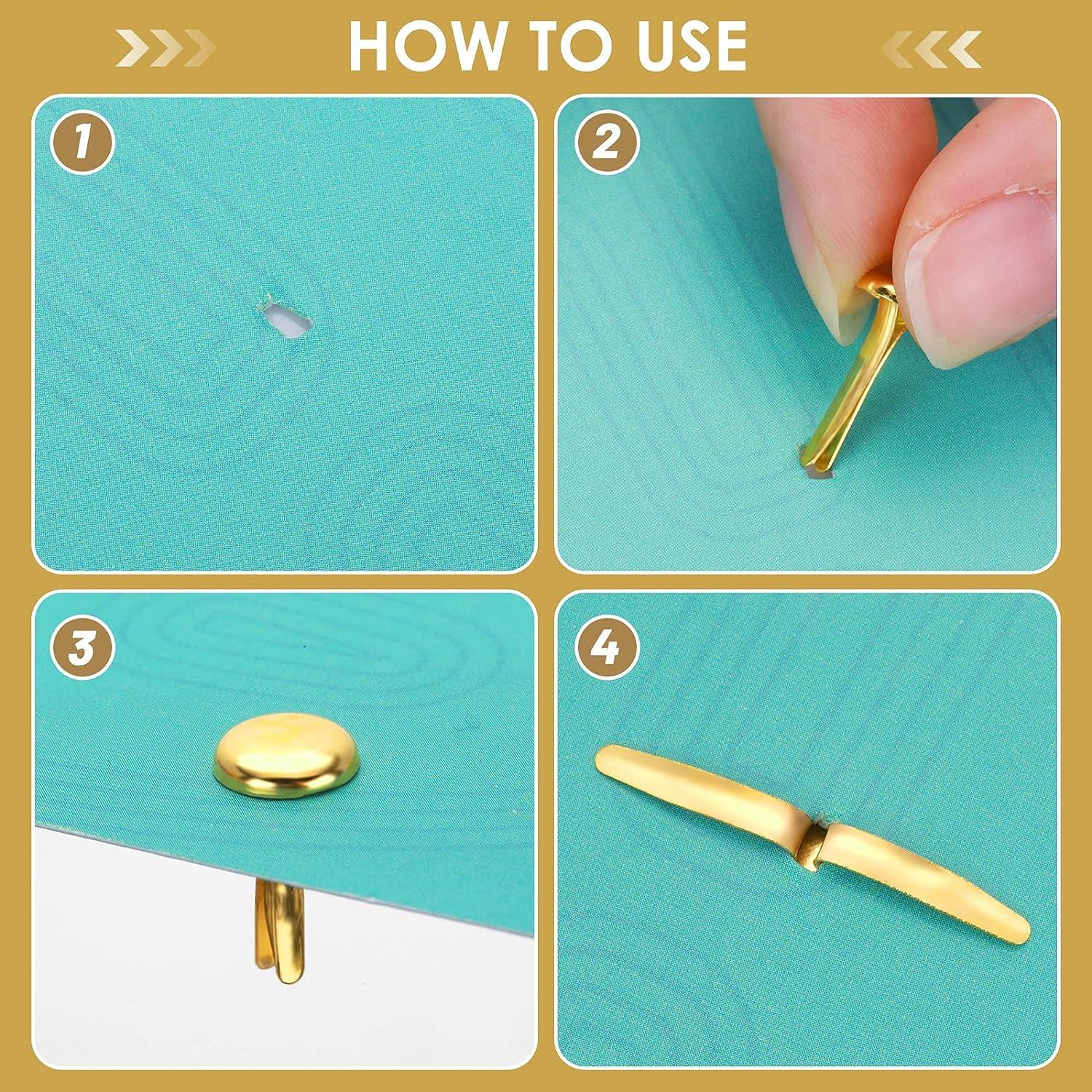
Paper fasteners come in different forms. Staples are thin metal pieces that pierce paper. Paper clips are small loops of wire. They hold sheets without piercing them. Binder clips use spring pressure to grip papers tightly. Brads, or split pins, go through holes and spread open inside. Each type works well in certain situations.
Limitations Of Traditional Fasteners
Staples can damage paper by making holes. Removing them may tear sheets. Paper clips lose grip over time and can bend. Binder clips are bulky and hard to carry. Brads need punched holes and take time to use. These limits create a need for other options.
Staples As An Alternative
Staples offer a common and easy alternative to paper fasteners. They hold papers together quickly and securely. Many offices use staples because they are simple and effective. Staples can attach multiple sheets of paper firmly without much effort.
Choosing staples means using a tool that works well for everyday tasks. They suit many types of documents and paper thicknesses. Staples come in different sizes to fit your needs. They provide a neat and tidy way to keep papers organized.
When To Use Staples
Staples work best for small to medium stacks of paper. Use them for reports, assignments, or letters. They are perfect for papers that need to stay together. Avoid staples on very thick documents or important legal papers.
Staples are ideal for quick binding tasks. They help keep pages in order during meetings or presentations. Use staples when you want a fast, low-cost solution for paper joining.
Pros And Cons
Staples hold papers tightly and are easy to use. They are widely available and affordable for most users. Staples come in various sizes to suit different paper quantities. They leave small holes but usually do not damage documents.
Staples can rust or bend if exposed to moisture. Removing staples may tear paper if not done carefully. They are not reusable and create waste after use. Staples do not work well on very thick or delicate papers.
Binder Clips And Their Benefits
Binder clips are a simple and effective alternative to paper fasteners. They hold papers tightly without damaging them. These clips come in handy for organizing documents quickly. Their design makes them easy to use and remove. Many offices and schools use binder clips for various tasks. Their strong grip keeps papers secure and neat.
Different Sizes Available
Binder clips come in many sizes. Small clips hold a few sheets. Medium clips fit more papers. Large clips can hold thick stacks. This variety helps with different tasks. Choose a size that fits your paper needs. The sizes make binder clips flexible for any job.
Reusable And Durable Features
Binder clips last a long time. Made of metal, they do not break easily. You can open and close them many times. Their durability saves money over time. They do not tear or mark papers. Reusing binder clips is good for the environment. They stay strong even after heavy use.

Credit: www.youtube.com
Paper Clips For Lightweight Binding
Paper clips offer a simple solution for holding papers together without damage. They are perfect for lightweight binding tasks. These small tools keep documents tidy and easy to manage. Paper clips can be reused many times, making them eco-friendly and cost-effective.
Variety Of Styles And Colors
Paper clips come in many shapes and sizes. Classic silver clips are common and practical. Colored clips add a fun touch to your papers. Some clips have plastic covers for better grip. You can choose round, triangular, or jumbo styles. This variety helps organize papers by color or size.
Best Uses
Paper clips work well for holding a few sheets of paper. Use them for notes, reports, or schoolwork. They do not leave holes or marks on paper. Paper clips are easy to remove and replace. They are good for temporary binding and sorting. Use them when you need to keep papers neat but flexible.
Rubber Bands For Temporary Holding
Rubber bands offer a simple way to hold papers together for a short time. They wrap around stacks of paper quickly. This keeps pages from slipping or scattering. Rubber bands do not damage paper like some fasteners might. They work well for temporary tasks at home, school, or office.
Advantages Of Rubber Bands
Rubber bands are easy to use and carry. They stretch to fit different paper sizes. Reusing them saves money and resources. Rubber bands do not leave holes or marks on papers. They keep documents neat without staples or clips. You can quickly add or remove papers from the bundle.
Potential Drawbacks
Rubber bands can snap if stretched too far. They may lose elasticity over time. Thin bands can cut into paper edges. Not ideal for very thick or heavy paper stacks. They may slip off if papers are smooth or slick. Care is needed to avoid tearing fragile documents.
Using String Or Twine
Using string or twine is a simple and effective way to hold papers together. It works well for documents that need a rustic or handmade touch. String is easy to find and can be tied in many ways. Twine adds strength and looks neat. Both materials offer flexibility and a unique style compared to metal fasteners.
Creative Binding Ideas
Tie papers with a bow for a clean finish. Wrap string multiple times around the stack for extra security. Use different colors of twine to organize papers by category. Add beads or small charms on the string for decoration. Punch holes in the papers and weave the string through for a custom look. These ideas make your documents stand out.
Eco-friendly Option
String and twine are biodegradable and natural. They break down without harming the environment. Using them reduces plastic waste from traditional fasteners. Many types of twine come from cotton or jute plants. Choosing string supports greener office habits. It is a small step towards sustainability.
Adhesive Solutions
Adhesive solutions offer a neat and simple way to hold papers together. They work well for many projects and keep documents tidy. These options do not make holes in the paper, which helps maintain a clean look.
Many adhesives are easy to use and remove. They come in various forms to match different needs. Below are two common adhesive types that replace paper fasteners.
Double-sided Tape
Double-sided tape sticks two surfaces without showing any tape on top. It is thin and strong, making it ideal for paper. This tape works well for scrapbooking, presentations, and office work.
It holds papers tightly without damaging them. The tape is easy to cut and apply. It also does not wrinkle or tear the paper.
Glue Dots And Their Uses
Glue dots are small sticky spots that attach items quickly. They are mess-free and simple to use. These dots work great for sticking papers, photos, and lightweight objects.
Glue dots are perfect for crafts and school projects. They provide a strong bond but can be removed without tearing. Using glue dots keeps your papers neat and secure.
Digital Alternatives To Physical Fasteners
Paper fasteners hold documents together. Digital tools replace these physical items. They organize papers without clutter or waste. Digital methods save space and make access easier. This section explores two main digital alternatives.
Scanning And Organizing
Scanning turns paper into digital files. Use a scanner or a smartphone app. Save files as PDFs or images. Organize them by date, topic, or project. Digital folders keep documents neat and searchable. No more lost or mixed-up papers. You can edit, share, or print anytime.
Cloud Storage Benefits
Cloud storage stores files online securely. Access files from any device with internet. Share documents with others quickly and easily. Automatic backups protect against data loss. No need for physical space or folders. Cloud systems often include search and tags. Perfect for working from home or office.
Choosing The Right Alternative
Choosing the right alternative to a paper fastener helps keep documents organized. Different options suit different needs. Some alternatives hold papers more securely. Others are easier to use or less costly. Picking the best one depends on how you plan to use it. Consider the type of document and your budget. This approach saves time and avoids frustration.
Considerations Based On Document Type
Thick reports need strong binding options. Staples or binder clips work well here. For thin papers, paper clips or rubber bands can do the job. Important documents may need a more permanent solution. In such cases, plastic folders or clear sleeves protect pages. Choose something that keeps papers neat and easy to access.
Cost And Convenience Factors
Cost plays a big role in choosing alternatives. Paper clips and rubber bands are cheap and reusable. Binder clips are slightly pricier but hold more sheets. Convenience matters too. Some options are quick to attach and remove. Others require more time or tools. Find a balance between price and ease of use for your needs.
Credit: www.gosupps.com
Frequently Asked Questions
What Can Replace A Paper Fastener For Document Binding?
You can use staples, binder clips, or paper clips as alternatives. They hold papers securely and are easy to remove or adjust.
Are Binder Clips Better Than Paper Fasteners?
Binder clips are reusable and hold thicker stacks firmly. They do not damage paper as much as fasteners might.
How Do Paper Clips Compare To Paper Fasteners?
Paper clips are quick and simple for temporary binding. They are less secure but ideal for small, lightweight documents.
Can Rubber Bands Substitute Paper Fasteners?
Rubber bands can bundle papers together but may cause curling. They are best for quick grouping, not long-term use.
Conclusion
Many simple tools can replace a paper fastener. Staples, binder clips, and paper clips all work well. These options keep papers neat and easy to handle. Each tool fits different needs and preferences. Try a few to find what suits you best.
Keeping your documents organized does not need to be hard. Use what you have around or buy affordable supplies. Small changes can improve your work and study habits. Choose the best alternative to stay tidy and efficient.