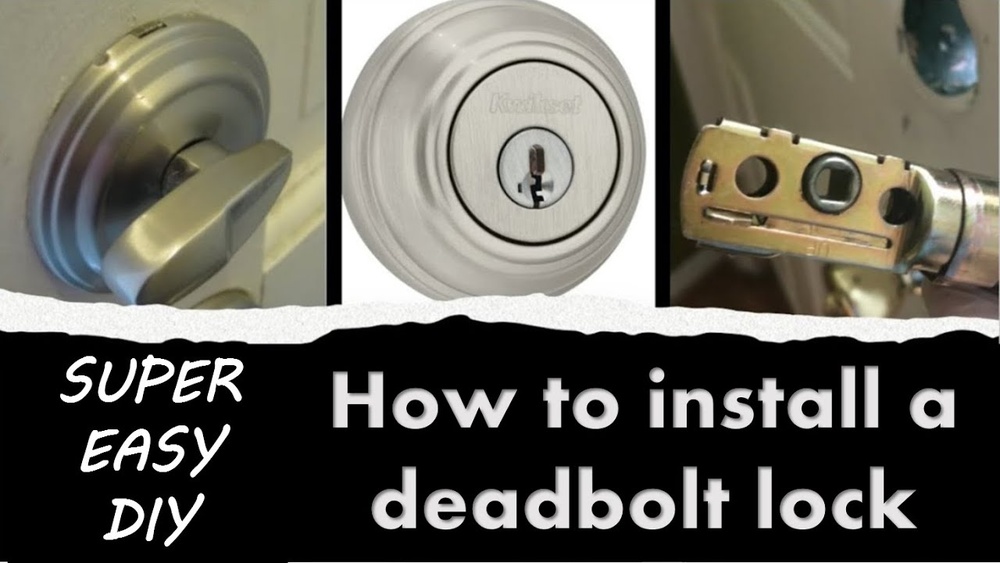
Is your deadbolt lock sticking or refusing to turn? Replacing a deadbolt cylinder might sound tricky, but it’s simpler than you think.
Knowing how to do this yourself saves you time, money, and the hassle of waiting for a locksmith. In this guide, you’ll get clear, step-by-step instructions to quickly swap out your old cylinder and keep your home secure. Ready to take control of your door’s safety?
Let’s get started!
Tools And Materials Needed
Choosing the right replacement cylinder is important for your door’s security and function. The wrong cylinder can cause problems like jamming or poor security. This section explains what to consider before buying a new deadbolt cylinder.
Match Cylinder Size And Type
Measure the old cylinder carefully. Check the length from the outside face to the inside face. Cylinders come in different sizes for different door thicknesses.
Identify the type of cylinder you have. Common types include Euro profile, oval, and rim cylinders. Match the new cylinder to the old one to ensure proper fit and operation.
Look at the key entry style. Some cylinders have one or both sides keyed. Choose the type that fits your door’s existing setup.
Consider Security Features
Choose cylinders with anti-pick and anti-drill features. These protect against common break-in methods.
Check for bump-resistant designs. These make it harder to open the lock without a key.
Some cylinders offer snap resistance. This feature prevents the cylinder from being broken by force.
Consider certified cylinders. Look for standards like ANSI or BS for proven security levels.

Credit: www.youtube.com
Removing The Old Deadbolt Cylinder
Installing the new deadbolt cylinder is a key step in replacing your lock. It ensures your door is secure and works smoothly. Take your time to fit the parts carefully. Follow each step closely for the best results.
Insert The New Cylinder
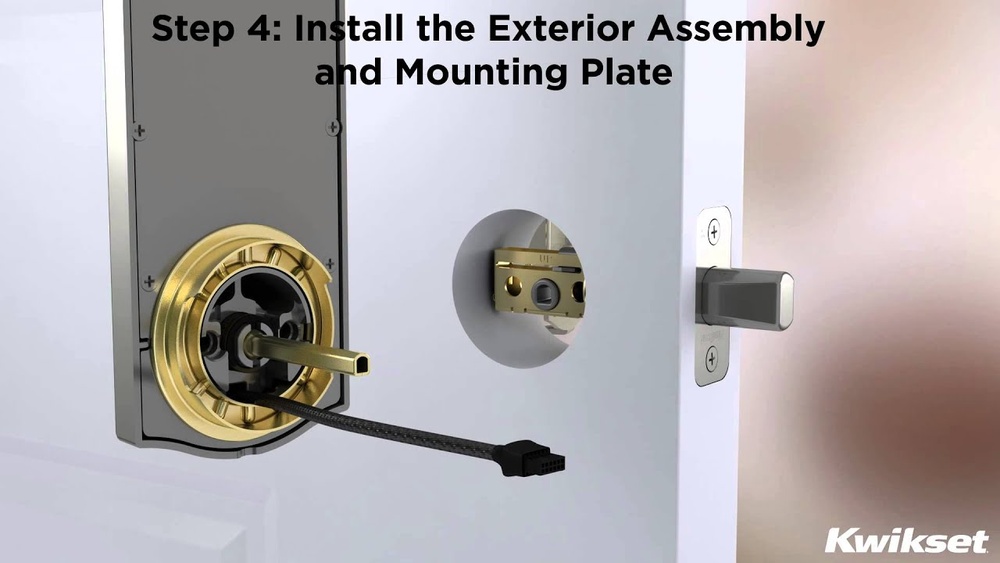
Slide the new cylinder into the hole on the door. Make sure it fits flush with the door surface. Align the cam on the cylinder with the mechanism inside the lock. This alignment is important for the lock to work properly.
Secure The Cylinder With Screws
Use the screws provided with your new cylinder. Insert them into the screw holes on the side of the cylinder. Tighten the screws firmly but avoid over-tightening. Over-tightening can damage the cylinder or door.
Test The Lock Functionality
Turn the key in the new cylinder to check movement. The deadbolt should slide smoothly in and out. Lock and unlock the door several times to confirm it works well. Make sure the door closes and locks without sticking.
Choosing The Right Replacement Cylinder
Troubleshooting common issues with a deadbolt cylinder helps avoid frustration. Many problems occur during replacement or use. Knowing what causes these issues saves time and effort. Here are some common problems and easy fixes.
Cylinder Won’t Turn
The cylinder may not turn due to dirt or rust inside. Try spraying a small amount of lubricant into the keyhole. Insert and gently turn the key several times. Check if the cylinder moves smoothly. If it still won’t turn, the cylinder might be damaged or installed incorrectly. Remove and inspect it carefully.
Misalignment Problems
Misalignment happens when the deadbolt and strike plate do not line up. The bolt cannot slide into the hole properly. Check the strike plate position on the door frame. Adjust it by loosening screws and moving it slightly. Tighten the screws once the bolt fits easily. Test the lock several times to confirm alignment.
Key Sticking Or Jamming
A sticking or jammed key often means dirt or worn parts inside the lock. Clean the key and keyhole with a soft brush. Avoid forcing the key, as it can break inside the lock. Use a graphite-based lubricant for smoother key movement. If the problem persists, the cylinder may need replacement.

Credit: support.shopyalehome.com
Installing The New Cylinder
Maintaining your deadbolt cylinder keeps your lock working smoothly and lasts longer. Dirt, dust, and rust can cause problems. Small care steps help avoid big troubles. Regular attention saves time and money on repairs.
Regular Cleaning Tips
Use a soft cloth to wipe the lock surface. Avoid harsh chemicals that can damage the metal. Use a small brush or compressed air to clear dust from inside the keyhole. Clean the key before inserting it to reduce dirt inside the lock. Clean your lock every few months for best results.
Lubrication Recommendations
Choose a graphite-based or dry lubricant for your deadbolt. Avoid oil-based lubricants that attract dust and grime. Apply a small amount of lubricant inside the keyhole and on the cylinder. Turn the key several times to spread the lubricant evenly. Lubricate your lock once or twice a year for smooth operation.

Credit: www.wikihow.com
Frequently Asked Questions
How Do I Know If My Deadbolt Cylinder Needs Replacement?
If your key won’t turn or locks are jammed, the cylinder may be faulty. Signs include difficulty locking, rust, or wear. Replacing it restores security and functionality.
What Tools Are Required To Replace A Deadbolt Cylinder?
You need a screwdriver, new cylinder, and possibly pliers. A tape measure helps ensure correct size. Basic hand tools make the replacement process smooth and efficient.
Can I Replace A Deadbolt Cylinder Myself?
Yes, replacing a deadbolt cylinder is a simple DIY task. Follow instructions carefully and ensure the new cylinder matches your lock. It saves time and money compared to hiring professionals.
How Do I Choose The Right Deadbolt Cylinder Size?
Measure the backset and cylinder length of your existing lock. Choose a cylinder matching these dimensions for proper fit and security. Accurate sizing prevents lock malfunction.
Conclusion
Replacing a deadbolt cylinder can keep your home safe and secure. Follow each step carefully to avoid mistakes. Take your time and use the right tools for best results. Checking the lock works smoothly after installation is important. Doing this yourself saves money and teaches a useful skill.
Stay patient, and you will complete the job successfully. Keep your home protected with a properly working deadbolt. Simple steps lead to strong security.