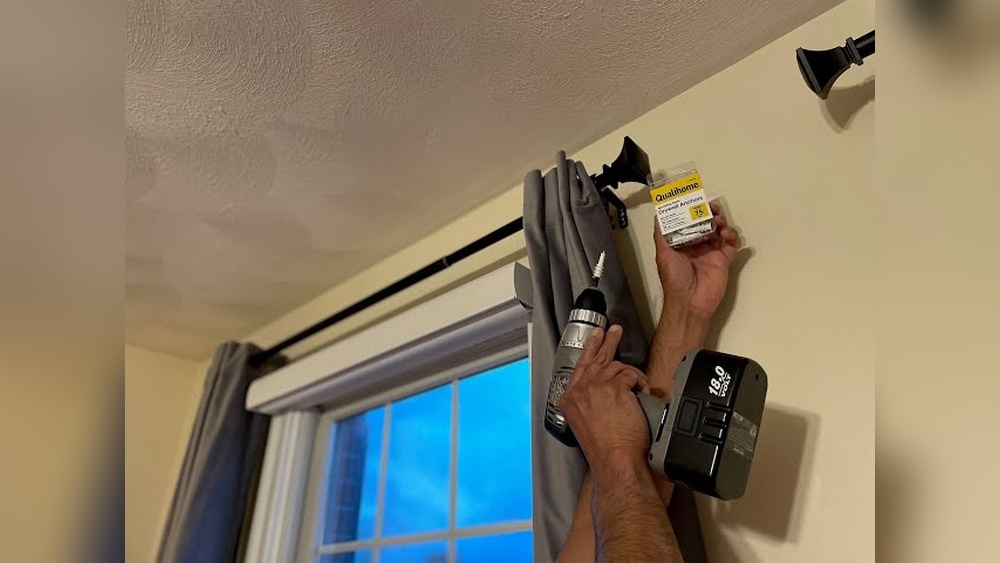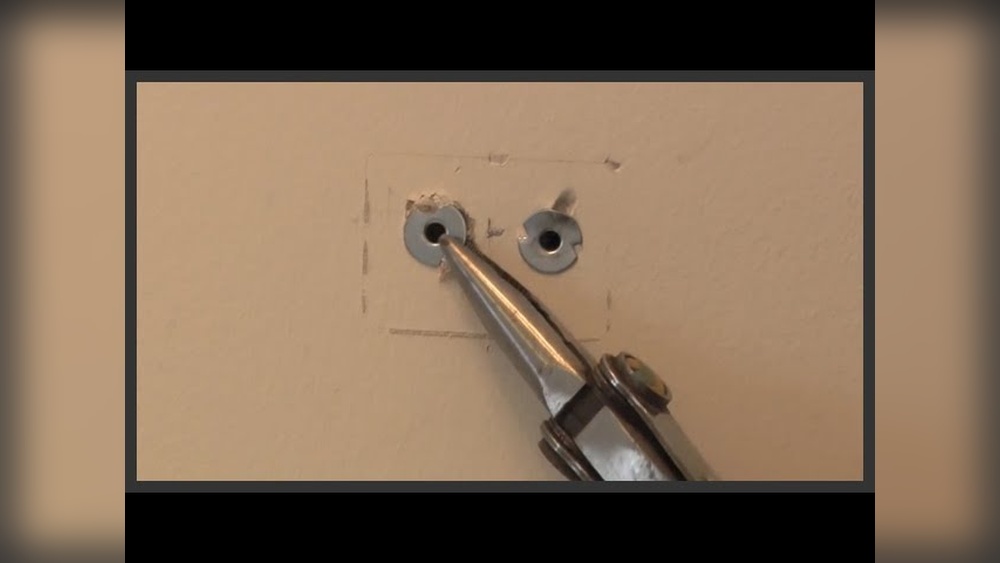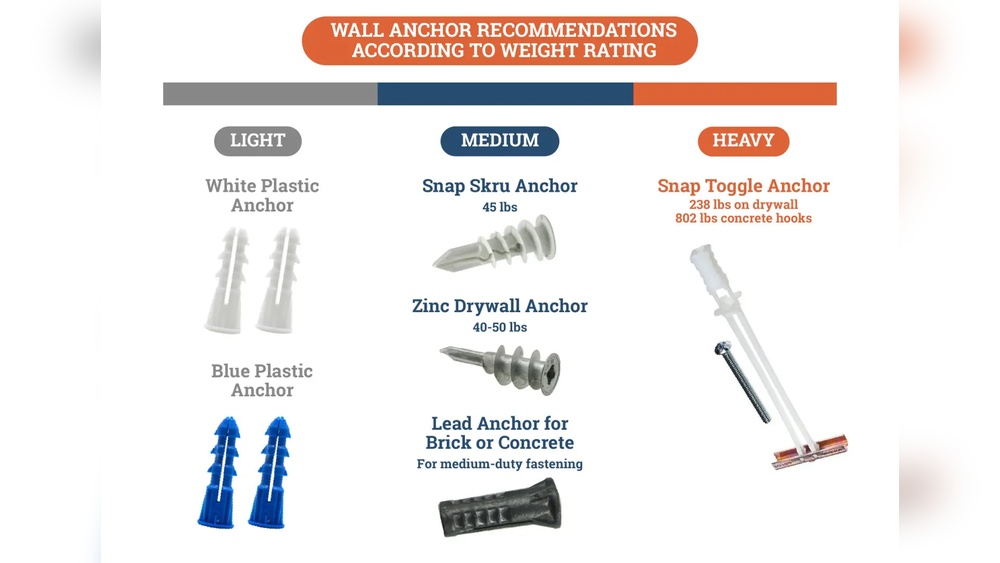
Are you struggling to hang something sturdy on your wall but worried it won’t hold? Getting a wall anchor into your wall might sound tricky, but it’s easier than you think.
Whether you want to hang a heavy mirror, a shelf, or a TV mount, the right wall anchor can make all the difference. In this guide, you’ll learn simple steps to find the perfect spot and secure your anchor safely.
Keep reading, and you’ll gain the confidence to handle this like a pro—no more worrying about slipping or damage. Let’s get started!
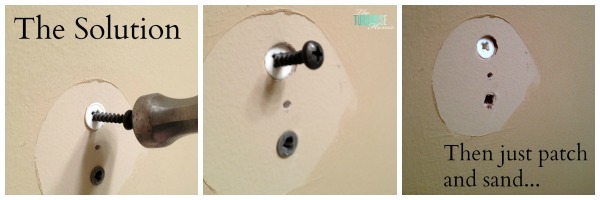
Credit: theturquoisehome.com
Types Of Wall Anchors
Wall anchors help hold screws firmly in walls. Different types work best for different wall materials and weights. Choosing the right anchor makes your hanging secure and safe. Learn about common wall anchors below.
Plastic Expansion Anchors
These are simple and popular anchors. Made of plastic, they expand inside the wall when a screw is inserted. Best for light loads and drywall. Easy to install with just a drill and screwdriver.
Toggle Bolts
Toggle bolts have wings that open inside the wall. They spread the load over a larger area. Ideal for heavy items on hollow walls. Require a bigger hole but hold strong.
Molly Bolts
Molly bolts are metal anchors that expand behind the wall. They create a strong grip in drywall or plaster. Good for medium to heavy loads. Installation needs a drill and screwdriver.
Self-drilling Anchors
These anchors drill their own hole as you screw them in. Made of metal or plastic. Save time and effort. Suitable for drywall and light to medium loads.
Tools Needed For Installation
Installing a wall anchor needs the right tools. Using the correct tools makes the job easier and safer. Prepare these tools before starting your work.
Drill And Drill Bits
A drill is essential for making holes in the wall. Use the right drill bit size for the anchor type. This prevents damage and ensures a snug fit.
Screwdriver
A screwdriver helps insert screws into the anchor. Choose the correct head type, like Phillips or flathead. This avoids stripping the screw head.
Hammer
A hammer is useful to gently tap the anchor into the hole. Tap lightly to avoid breaking the anchor or wall.
Measuring Tape
Measure carefully to mark the exact spot for drilling. Accurate measurements keep your installation level and aligned.
Choosing The Right Anchor
Choosing the right wall anchor is key to secure and safe installations. The correct anchor holds your items firmly. It prevents damage to walls and falling objects. This guide helps you pick the best anchor for your project.
Assessing Wall Material
First, check the wall type. Drywall, plaster, brick, or concrete need different anchors. Drywall anchors work well for hollow walls. Masonry anchors fit stone or brick. Match the anchor to the wall material for best hold.
Considering Weight Load
Think about the item’s weight. Light frames need small anchors. Heavy shelves require strong, heavy-duty anchors. Choose anchors that support more than your item’s weight. Safety depends on the anchor’s weight capacity.
Selecting Anchor Size
Anchor size matters for strength. Bigger anchors hold more weight. Use anchors that fit the screw size. Avoid anchors too big or too small. Proper size ensures a tight and strong grip in the wall.
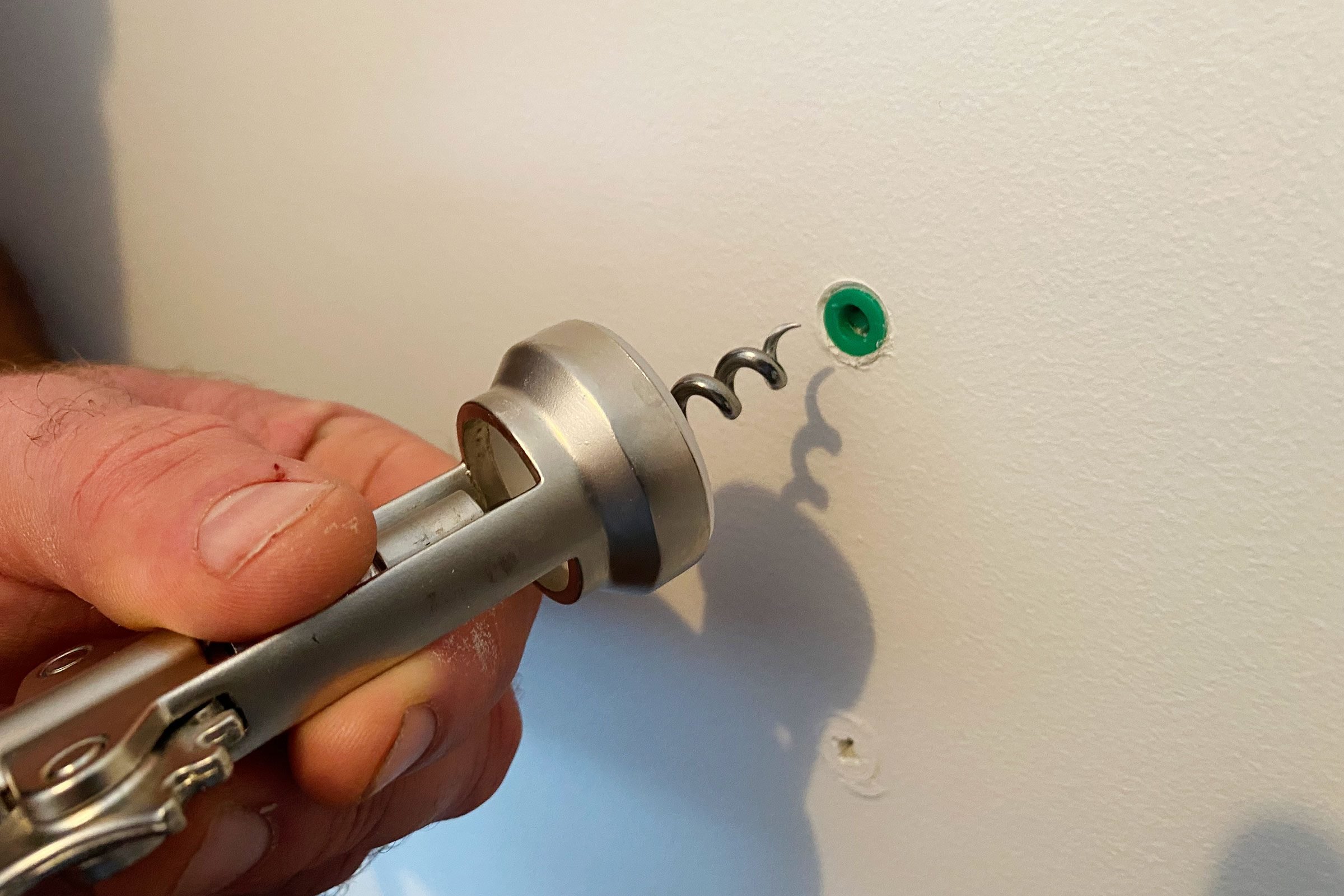
Credit: www.familyhandyman.com
Preparing The Wall
Preparing the wall is the first step to secure a wall anchor properly. A well-prepared wall ensures the anchor holds firmly, preventing damage or accidents. This process involves finding the right spot, marking it clearly, and drilling with care. Each step helps create a strong base for the anchor.
Locating Studs
Studs are the wooden beams behind the wall. Anchors work best near or into studs because they offer solid support. Use a stud finder tool to locate these beams. Move the finder slowly across the wall until it signals a stud. Mark the edges to find the center of the stud.
Marking Drill Points
Marking the drill points is key to accurate drilling. Use a pencil to mark the exact spot where the anchor will go. Double-check the marks to ensure they align with the stud center or the right wall area. Clear marks help avoid mistakes during drilling.
Drilling Pilot Holes
Drill a small pilot hole at the marked points. This hole guides the anchor and prevents wall damage. Use a drill bit smaller than the anchor size. Drill straight and stop once the hole is deep enough for the anchor. Clean out any dust before inserting the anchor.
Installing The Wall Anchor
Installing wall anchors seems simple but many make mistakes. These errors can weaken the hold and damage walls. Avoid these common pitfalls to ensure a strong and safe installation.
Using Wrong Anchor Type
Not all anchors fit every wall type. Drywall anchors differ from masonry anchors. Using the wrong one causes poor grip and can pull out. Match the anchor to your wall material for best results.
Overdrilling Holes
Drilling too large a hole is a frequent mistake. It makes the anchor loose and unstable. Use the correct drill bit size stated on the anchor package. Drill slowly and check the hole size often.
Ignoring Weight Limits
Every anchor has a weight limit. Exceeding this limit risks falling objects and wall damage. Check the anchor’s load capacity before use. Choose a stronger anchor for heavy items like shelves or TVs.
Common Mistakes To Avoid
Different walls need different wall anchors. Each wall type has its own tricks to hold anchors firmly. Knowing these tips helps you install anchors safely and effectively. This guide shows simple tips for drywall, concrete, and brick walls.
Drywall Tips
Drywall is soft and fragile. Use plastic expansion anchors for light items. For heavier loads, try toggle bolts or molly bolts. Drill a hole slightly smaller than the anchor. Push the anchor gently until it fits snugly. Avoid over-tightening screws to prevent damage.
Concrete Walls
Concrete is hard and strong. Use hammer drill to make holes. Choose sleeve anchors or wedge anchors for heavy objects. Clean dust from holes before inserting anchors. Tap the anchor in firmly with a hammer. Tighten screws slowly to avoid cracking the wall.
Brick Walls
Brick walls need special care. Avoid drilling into the mortar only. Drill directly into the brick for better hold. Use plastic or metal anchors made for masonry. Clean the hole from dust before placing anchors. Insert anchors fully and tighten screws carefully.

Credit: www.wikihow.com
Frequently Asked Questions
What Tools Do I Need To Install A Wall Anchor?
To install a wall anchor, you need a drill, appropriate drill bit, screwdriver, and the wall anchor itself. A hammer may be useful for some anchors. These tools help ensure secure and proper installation in drywall or masonry walls.
How Do I Choose The Right Wall Anchor Type?
Select a wall anchor based on wall material and load weight. Plastic anchors suit light loads in drywall. Metal or toggle anchors work for heavier items or hollow walls. Proper choice ensures maximum holding strength and safety.
Can I Install Wall Anchors Without A Drill?
Installing wall anchors without a drill is possible for some types. Use a hammer to tap plastic anchors into drywall. However, a drill provides cleaner holes and better anchor performance, especially for heavier loads or masonry walls.
How Deep Should I Drill For A Wall Anchor?
Drill a hole slightly deeper than the anchor length to ensure full insertion. This depth secures the anchor properly and prevents damage to the wall. Always check the anchor packaging for specific drilling depth instructions.
Conclusion
Getting a wall anchor in the wall is simple with the right steps. Choose the correct anchor for your wall type. Mark the spot and drill a hole carefully. Insert the anchor firmly to hold items securely. This process helps keep shelves and pictures steady.
Take your time and follow each step. Soon, your wall will be ready to support what you need. Practice makes this task easier every time. Small efforts lead to strong, safe walls.