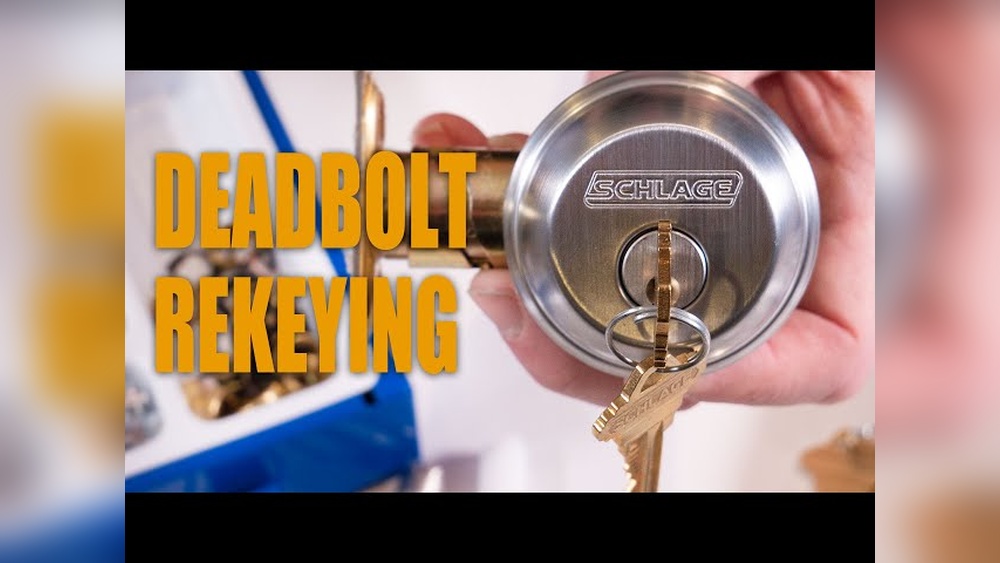
Have you ever lost your keys or moved into a new home and wondered how to make sure only you have access? Rekeying a deadbolt lock is a smart way to keep your property safe without the cost of replacing the entire lock.
But how exactly do you rekey a deadbolt lock yourself? In this guide, you’ll discover simple steps that anyone can follow to regain control of your security. Keep reading, and you’ll soon feel confident handling your locks like a pro.
Why Rekey A Deadbolt
Rekeying a deadbolt is an important step to keep your home safe. It means changing the internal parts of the lock so old keys no longer work. This process lets you control who can enter your home without replacing the entire lock. It is a cost-effective way to improve security quickly.
When To Rekey
Rekey a deadbolt after moving into a new house. Previous owners or tenants may still have keys. Rekeying stops anyone with old keys from entering. Rekey after losing your keys to avoid risk. Change the lock if a key is stolen. Rekey when giving up keys to workers or renters.
Benefits Of Rekeying
Rekeying saves money compared to buying new locks. It keeps your home secure and controls access. You can use one key for all locks after rekeying. It protects your family from unwanted visitors. Rekeying is quick and can be done by a locksmith or DIY. It gives peace of mind without much hassle.

Credit: www.youtube.com
Tools Needed
Rekeying a deadbolt lock requires a few specific tools. Having the right tools makes the job easier and faster. This section explains the tools you need to rekey your deadbolt safely.
Essential Tools
- Screwdriver – Usually a Phillips head or flathead.
- New key pins – To match your new keys.
- Pinning tray – Keeps pins organized during the process.
- Rekeying kit – Often includes keys, pins, and instructions.
- Plug follower – Helps remove the lock cylinder plug without losing pins.
Optional Tools For Ease
- Magnifying glass – Helps see small pins clearly.
- Tweezers – Makes handling tiny pins easier.
- Lubricant spray – Keeps the lock working smoothly after rekeying.
- Flashlight – Provides extra light for better visibility.
Preparing The Lock
Preparing the lock is the first step in rekeying a deadbolt. This stage helps you understand the lock’s condition and get it ready for changes. Proper preparation makes the process smoother and safer. You will need some tools like a screwdriver and the new key set for rekeying.
Removing The Deadbolt
Start by unlocking the door and opening it fully. Use a screwdriver to remove the screws on the interior side of the deadbolt. Carefully pull out the deadbolt mechanism from the door edge. Keep the screws safe for reassembly. Handle the parts gently to avoid damage.
Inspecting The Lock Cylinder
Look closely at the lock cylinder once it is out. Check for dirt, rust, or damage inside the cylinder. Clean the cylinder with a soft cloth if it is dirty. Make sure the pins move freely and are not stuck. This inspection helps you decide if the lock can be rekeyed or needs replacement.
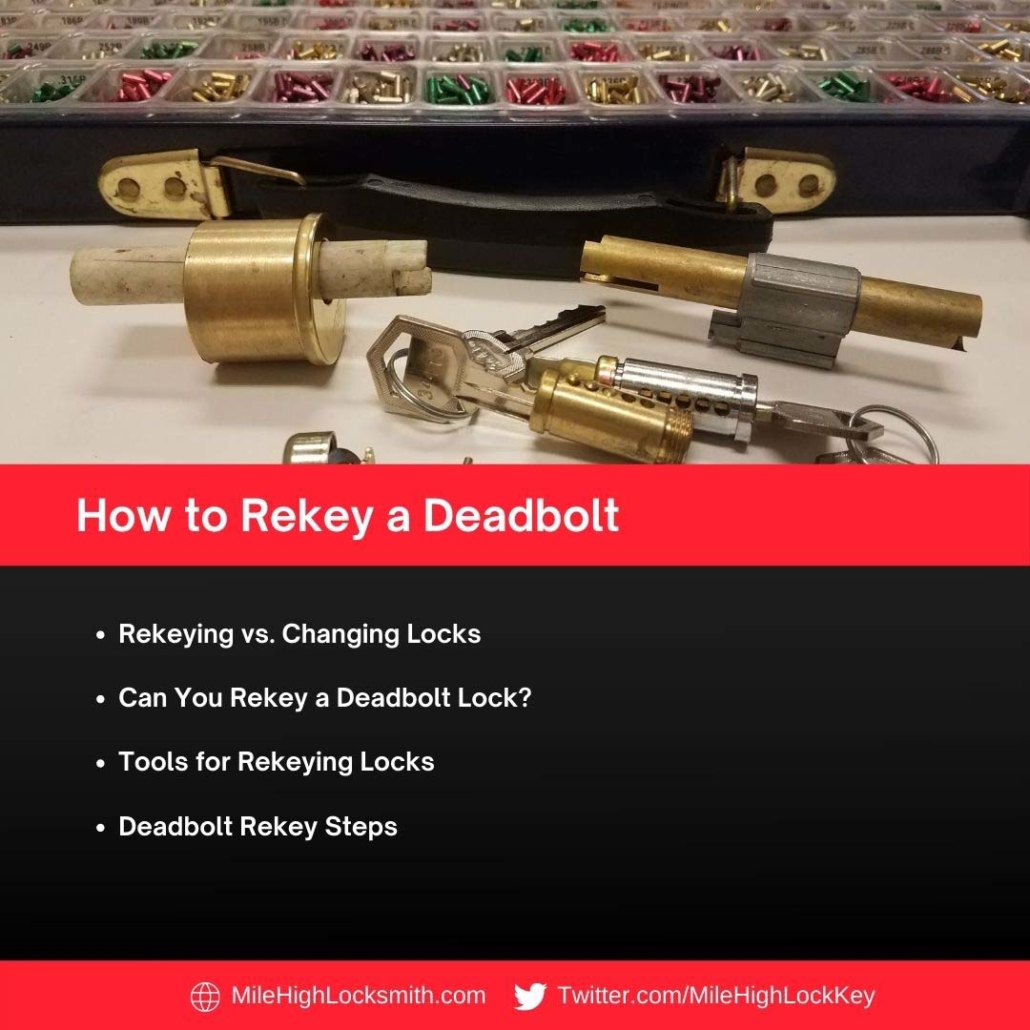
Credit: www.denver-locksmith.net
Removing The Old Pins
Removing the old pins is a key step in rekeying a deadbolt lock. It prepares the lock to fit new pins that match your new key. This process ensures the lock works smoothly and securely with your new key only.
Accessing The Plug
First, take off the lock’s faceplate. This exposes the plug where the key goes. Use a plug follower tool to push the plug out carefully. The plug holds the pins inside the lock cylinder. Be gentle to avoid damaging any parts during this step.
Extracting Existing Pins
Once the plug is out, you will see small pins inside. These pins match the old key’s cuts. Use tweezers to pull each pin out one by one. Keep the pins organized to avoid mixing them up. Removing all old pins clears the way for new pins that fit your new key.
Selecting New Pins
New pins must match the new key’s cuts for the lock to work properly. Choosing the right size ensures smooth turning and security. Each pin length fits a specific key groove to reset the lock’s mechanism.
Matching Pins To New Key
Selecting new pins is a key step in rekeying a deadbolt lock. The pins must fit the cuts on the new key precisely. Each pin corresponds to a specific cut depth on the key. Using the wrong pin size can stop the lock from working smoothly.
Start by examining the new key’s cuts. Each cut has a depth number. This number tells you the pin size needed. Match the pin size to each cut carefully. This ensures the lock will turn easily with the new key.
Organizing Pins By Size
Organize the pins before installing them. Arrange them by size from smallest to largest. This makes it easier to pick the correct pin quickly. A tidy workspace reduces mistakes during rekeying.
Use a small tray or magnetic holder to keep pins in place. Avoid mixing pins of different sizes. Mixing can cause confusion and slow down the process. Clear organization helps finish rekeying faster and with fewer errors.

Credit: www.ifixit.com
Installing New Pins
Installing new pins is a key step in rekeying a deadbolt lock. It changes the lock to work with a new key. This process makes sure old keys no longer open the lock. New pins must match the new key’s cuts exactly. This ensures smooth turning and proper security.
Placing Pins In Plug
Start by placing the new pins inside the plug. Use tweezers for better control. Match each pin to the depth of the new key’s cuts. Insert the pins carefully to avoid mixing their order. Each pin should fit snugly in its chamber. The correct pin height aligns the plug with the key.
Reassembling The Lock
After placing the pins, reassemble the lock carefully. Slide the plug back into the lock housing. Make sure the pins stay in place during this step. Replace the retaining clip or screw to secure the plug. Test the new key to check smooth turning. A proper reassembly ensures the lock works well and feels solid.
Testing The Rekeyed Lock
Testing the rekeyed lock is a key step after changing the pins inside your deadbolt. This step ensures that the lock works smoothly with the new key. It also helps avoid problems with lock operation before you rely on it for security.
Careful testing saves time and frustration. It checks that the rekeying was done correctly and that the lock is ready for daily use.
Checking Key Operation
Insert the new key fully into the lock. Turn the key slowly to see if the bolt moves easily. The lock should turn without sticking or jamming.
Try locking and unlocking the door several times. Make sure the key turns in both directions smoothly. Test the key from outside and inside if possible.
Check that the key removes easily when the lock is both locked and unlocked. If the key feels rough or hard to turn, the rekeying may need a review.
Troubleshooting Common Issues
If the key does not turn smoothly, do not force it. This could damage the lock or key. Try wiggling the key gently while turning to see if it helps.
Make sure the pins inside the lock are set correctly. Misaligned pins cause the lock to jam. You may need to disassemble the lock and check the pins again.
Clean the lock cylinder from dust or debris. Dirt inside can block smooth key movement. Use a spray lubricant designed for locks if needed.
If problems persist, consider rekeying the lock again or consult a locksmith. A properly working lock keeps your home secure.
Maintaining Deadbolt Security
Maintaining deadbolt security is key for home safety. A strong deadbolt protects your home from break-ins. Keeping your lock in good shape helps it work well. Simple steps can improve your lock’s life and security.
Routine Checks
Check your deadbolt regularly. Look for signs of wear or damage. Test the key and lock to ensure smooth turning. Tighten loose screws on the lock and door frame. Clean the lock with a dry cloth to remove dust. Use graphite powder to lubricate the lock, not oil. Regular checks stop small problems from becoming big issues.
When To Replace The Lock
Replace your deadbolt if it shows signs of rust or breaks. Changing the lock is smart after losing your keys. Upgrade if the lock feels hard to turn or sticks. Old locks may have weak parts and lower security. Choose a new deadbolt with a good security rating. A fresh lock keeps your home safer and gives peace of mind.
Frequently Asked Questions
How Do You Start Rekeying A Deadbolt Lock?
Begin by removing the deadbolt from the door. Use a screwdriver to take out the screws. Then, carefully disassemble the lock to access the cylinder. This step is essential for replacing the pins inside the lock cylinder.
What Tools Are Needed To Rekey A Deadbolt Lock?
You need a key follower, a pinning kit, a screwdriver, and new pins. These tools help remove and replace the lock pins accurately. Having the right tools ensures a smooth and successful rekeying process.
How Long Does It Take To Rekey A Deadbolt Lock?
Rekeying a deadbolt typically takes 15 to 30 minutes. The time depends on your experience and the lock type. With practice, the process becomes quicker and easier to perform.
Can I Rekey A Deadbolt Lock Without Original Keys?
No, you need the original key to remove the lock cylinder pins. The key helps align the pins correctly during rekeying. Without it, the rekeying process cannot be performed accurately.
Conclusion
Rekeying a deadbolt lock can save time and money. It keeps your home safe by changing who has access. The process is simple with the right tools and steps. You do not need to buy a new lock every time.
Practice makes it easier to do it yourself. Stay careful and patient as you work. Protect your home with confidence and control your keys. This skill is useful for every homeowner.