Are you ready to add heavy duty shelves to your cinder block wall but unsure how to make them strong and secure? Anchoring shelves to cinder block isn’t as tricky as it sounds, but if you don’t do it right, your shelves could come crashing down.
You want your shelves to hold heavy tools, boxes, or equipment safely without any worries. In this guide, you’ll discover simple, step-by-step methods to anchor your shelves firmly and confidently. Keep reading to learn the secrets that will make your shelving project both safe and successful.
Choosing The Right Shelves
Choosing the right shelves for heavy duty use is important for safety and durability. Shelves must hold heavy items without bending or breaking. Selecting strong materials and the correct size helps the shelves last longer. Proper shelves also make anchoring to cinder block walls easier and more secure.
Materials For Heavy Duty Shelves
Steel and solid wood are common materials for heavy duty shelves. Steel shelves offer great strength and resist bending. Solid wood shelves provide a natural look and strong support. Avoid particleboard or plastic for heavy loads. Metal brackets work well with both steel and wood shelves. Choose materials that match the weight and purpose of your storage needs.
Size And Weight Considerations
Measure the space before buying shelves. Shelves that are too long may sag under weight. Depth matters too; deeper shelves hold more items but need stronger support. Check the weight limit of shelves before purchase. Always pick shelves with a higher weight capacity than your heaviest items. This prevents accidents and keeps the shelves stable over time.
:max_bytes(150000):strip_icc()/ways-to-attach-things-to-cinder-block-walls-5080521_expansion-bolts-7b88082a12c547ffb58efec11542101d.jpg)
Credit: www.thespruce.com
Tools And Materials Needed
Before anchoring heavy duty shelves to a cinder block wall, gather the right tools and materials. Using proper equipment makes the job safer and easier. It also ensures the shelves stay firmly attached and hold heavy loads without risk of falling. Below are the essential tools and recommended anchors to get started.
Essential Tools
- Drill with a hammer function for drilling into cinder blocks
- Masonry drill bits sized for your anchors
- Socket wrench or adjustable wrench to tighten fasteners
- Level to check shelf alignment
- Measuring tape for accurate placement
- Marker or pencil to mark drill points
- Vacuum or brush to clean dust from drilled holes
Recommended Anchors And Fasteners
Choose anchors made for masonry walls. Sleeve anchors and wedge anchors provide strong support in cinder blocks. These anchors expand inside the hole, gripping the block tightly. Use stainless steel or zinc-coated anchors to prevent rust.
Heavy duty lag bolts with washers work well with anchors for shelf brackets. Make sure anchor length matches wall thickness plus shelf bracket depth. Avoid using plastic anchors as they do not hold heavy shelves securely.
Preparing The Cinder Block Wall
Preparing the cinder block wall is a key step for strong shelf support. The wall surface must be clean and solid. Any dirt, dust, or loose material can weaken the anchor hold. Careful inspection helps find cracks or damage that need repair. Marking the correct anchor points ensures the shelves stay level and stable. Taking time here prevents future problems and keeps your shelves secure.
Cleaning And Inspecting The Surface
Start by removing dust and dirt from the wall. Use a wire brush or vacuum cleaner. Make sure the surface is dry before moving on. Check for cracks, chips, or loose blocks. Small cracks can be sealed with mortar. Large damage might need professional repair. A smooth, solid wall gives the best anchor grip.
Marking Anchor Points
Measure shelf width and height carefully. Use a pencil to mark where anchors go. Double-check marks for level and spacing. Use a spirit level to keep marks straight. Avoid placing anchors near cracks or edges. Well-placed anchors hold more weight safely. Clear, accurate marks make drilling easier and safer.

Credit: www.youtube.com
Drilling Into Cinder Block
Drilling into cinder block walls requires care and the right tools. Cinder blocks are strong but brittle. Using the wrong drill bit or technique can cause cracks or weak holes. This section explains how to drill safely and effectively for heavy duty shelves.
Choosing The Right Drill Bit
Select a masonry drill bit made for concrete and cinder blocks. These bits have a carbide tip to cut through hard surfaces. Choose a size that matches your anchor bolts or screws. Avoid general-purpose bits. They can wear out fast or break the block.
Drilling Techniques For Stability
Start drilling at a slow speed to avoid slipping. Keep the drill straight and steady. Do not push too hard; let the bit do the work. Drill a pilot hole first if needed. Clear dust from the hole often using a brush or air blower. This helps anchors fit tightly and hold weight well.
Installing Anchors
Installing anchors is a key step to secure heavy duty shelves on cinder block walls. The right anchors hold shelves safely and support heavy loads. This process needs care and proper tools. Follow clear steps to get strong, lasting results.
Types Of Anchors For Cinder Block
Several anchors work well with cinder block walls. Sleeve anchors expand inside the hole for a tight fit. Wedge anchors grip firmly by spreading against the block walls. Tapcon screws drill directly into the block for solid hold. Choose anchors based on shelf weight and wall condition.
Step-by-step Installation
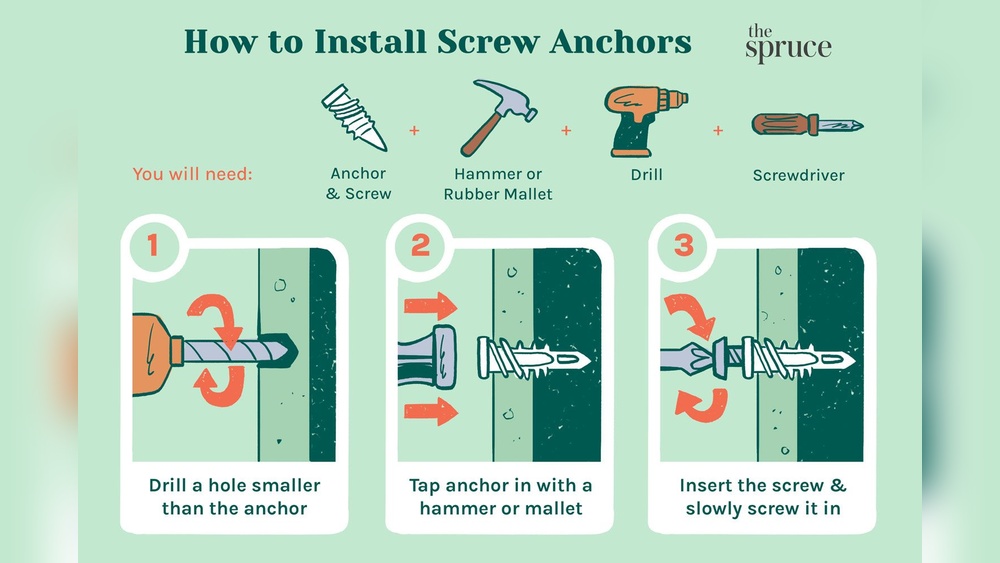
Start by marking where the shelves will go on the wall. Drill holes slightly larger than the anchor diameter. Clean out dust from the holes using a brush or vacuum. Insert anchors carefully without forcing them. Tighten bolts or screws until the anchor feels secure. Test the shelf by applying gentle pressure to check stability.
Mounting The Shelves
Mounting heavy duty shelves on a cinder block wall needs care and precision. Proper mounting ensures strong support and safety. This step guides you through aligning and securing shelves correctly.
Follow each part carefully to avoid mistakes. This helps your shelves hold heavy items without risk.
Aligning Shelves With Anchors
Start by placing the shelf brackets against the wall. Match the bracket holes with the anchors you installed. Check the shelf is level using a spirit level. Adjust the brackets slightly if needed. Mark the exact spots for screws on the wall. Double-check the alignment before drilling any holes. Correct alignment prevents uneven weight and shelf damage.
Securing Shelves Properly
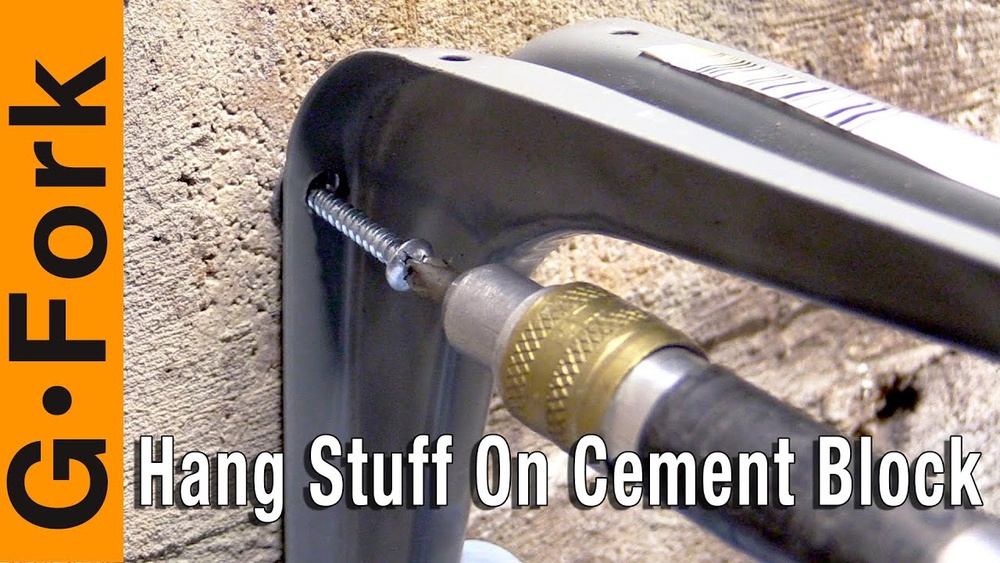
Use heavy duty screws designed for cinder block walls. Insert screws into the anchors carefully. Tighten screws with a power drill or screwdriver. Avoid over-tightening to prevent cracking the wall. Test the shelf by applying light pressure. Ensure it feels steady and does not wobble. Proper securing keeps shelves safe under heavy loads.
Safety Tips And Best Practices
Anchoring heavy duty shelves to a cinder block wall needs care and attention. Safety is the top priority to avoid accidents and damage. Follow these tips and best practices to keep shelves secure and strong. Proper steps help protect your wall and items on the shelves.
Avoiding Common Mistakes
Use the right tools for drilling into cinder blocks. Avoid using regular drill bits that can crack the blocks. Choose masonry bits and anchors designed for heavy loads. Do not skip measuring the wall and shelf placement carefully. Incorrect placement can cause uneven weight and stress on the anchors. Check that anchors fit tightly and do not wiggle in the holes. Loose anchors reduce the shelf’s strength.
Maintaining Shelf Stability
Distribute weight evenly across the shelves to prevent tipping. Place heavier items near the wall and lighter ones on the outer edge. Tighten all screws and bolts firmly but avoid over-tightening. Over-tightening can damage the anchors or block. Inspect shelves regularly for signs of loosening or damage. Replace any worn or damaged anchors immediately. Keep the shelves clean and free from clutter that may cause imbalance.
Troubleshooting Common Issues
Troubleshooting is key when anchoring heavy duty shelves to cinder block walls. Problems can occur even with careful work. Knowing how to fix common issues saves time and effort. This section covers two frequent problems: loose anchors and cracks in the cinder block.
Loose Anchors
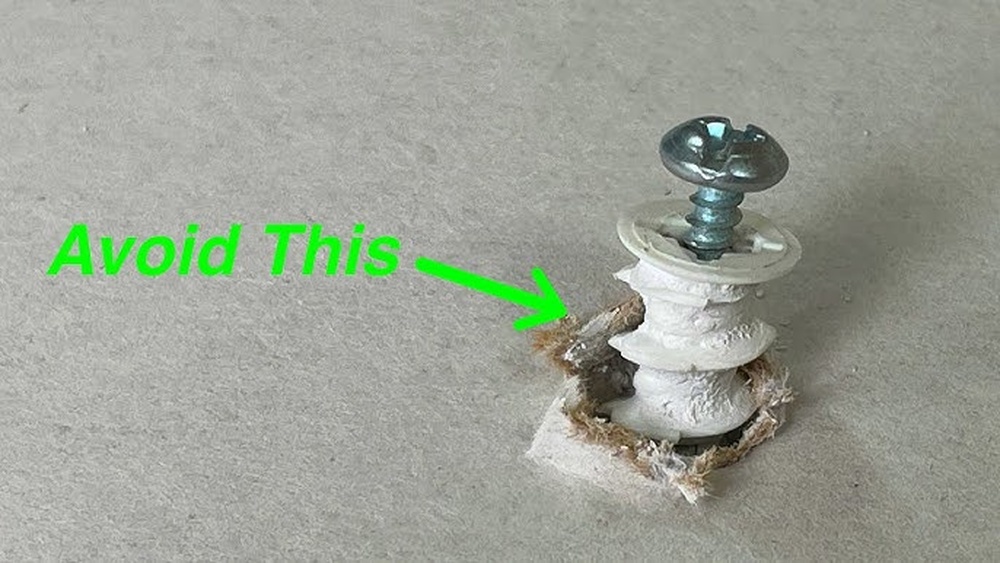
Loose anchors can cause shelves to wobble or fall. This happens if the hole is too big or the anchor is the wrong size. Use a drill bit that matches the anchor size exactly. Clean out dust from the hole before inserting the anchor. Tighten screws slowly and evenly to avoid stripping the anchor. Replace anchors that no longer hold tight.
Cracks In Cinder Block
Cracks weaken the wall’s strength. Avoid drilling near big cracks. Small cracks can widen under pressure. Use a masonry filler to seal minor cracks before installing anchors. For large cracks, consult a professional to assess wall safety. Anchoring on a damaged wall risks shelf collapse.
Credit: www.reddit.com
Frequently Asked Questions
What Tools Are Needed To Anchor Shelves To Cinder Block?
You need a drill with masonry bits, hammer drill, anchors, screws, a level, and a screwdriver. These tools ensure secure and precise shelf installation on cinder block walls.
How Do I Choose The Right Anchors For Cinder Blocks?
Select heavy-duty anchors like sleeve or wedge anchors designed for cinder block. They provide strong hold and prevent shelf movement under heavy loads.
Can I Install Shelves Without Drilling Into Cinder Blocks?
No, drilling is essential for secure anchoring. Adhesive or clamp methods won’t support heavy-duty shelves safely on cinder block walls.
What Weight Capacity Can Heavy-duty Cinder Block Shelves Hold?
Properly anchored heavy-duty shelves can hold 100-300 pounds or more. The exact capacity depends on anchor type, shelf material, and installation quality.
Conclusion
Anchoring heavy duty shelves to cinder block walls is simple with the right steps. Use proper tools and anchors for strong support. Measure carefully and mark spots before drilling holes. Tighten anchors securely to keep shelves stable. Check weight limits and avoid overloading shelves.
This method helps keep your storage safe and organized. Follow these tips to make your shelving project a success. Trust the process and enjoy sturdy, reliable shelves every time.