Are you planning to build a freestanding wall but unsure how to make it strong and stable? Anchoring your wall properly is the key to keeping it safe and secure for years to come.
Without the right support, your wall could wobble, crack, or even fall. In this guide, you’ll discover simple, step-by-step tips to anchor your freestanding wall like a pro. By the end, you’ll feel confident that your wall will stand firm against wind, weather, and time.
Keep reading to learn the secrets that make all the difference!

Credit: www.contractortalk.com
Choosing The Right Location
Choosing the right location is the first step to anchor a freestanding wall. The spot you pick affects stability and safety. It also impacts how long the wall will last. Careful thought helps avoid problems later.
Several factors influence the best place to build. Ground type and wall purpose matter most. These details guide where to set the wall for the best support.
Assessing Ground Conditions
Start by checking the ground where the wall will stand. Firm soil holds anchors better than loose dirt. Clay or sand may shift under pressure. Rocky ground can be tough to drill but offers strong support.
Look for signs of water pooling or erosion. Wet ground weakens the base and causes movement. Good drainage near the wall spot is important. It keeps soil stable and prevents damage.
Considering Wall Purpose And Load
Think about what the wall will hold or block. A decorative wall needs less support than one holding soil back. Heavy loads require stronger anchors and stable ground.
The wall’s height and length also affect location choice. Taller walls need solid footing and more space. Plan for future changes in load or use. This foresight helps keep the wall safe and steady.
Selecting Anchor Types
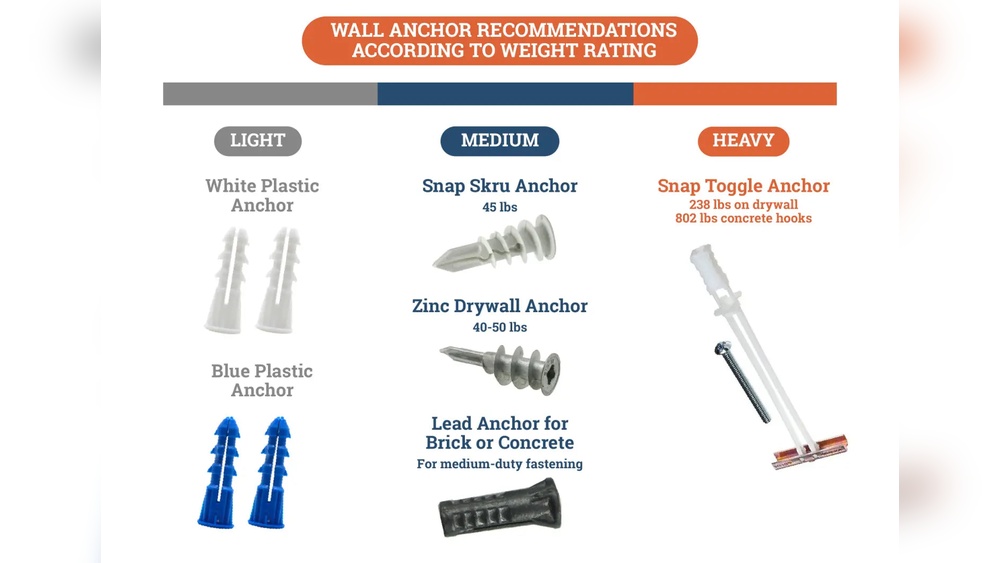
Selecting the right anchor type is key for a strong freestanding wall. Anchors keep the wall stable and safe. Different materials and locations need different anchors. Choose one that matches your wall’s base and environment. This helps the wall last longer and resist wind or pressure.
Ground Anchors
Ground anchors secure the wall directly into the soil. They work well for soft or loose ground. These anchors are simple rods or screws driven deep into the earth. They provide good stability without needing concrete. Perfect for garden or temporary walls. Make sure the soil is firm enough to hold them tightly.
Concrete Anchors
Concrete anchors fasten the wall to a concrete base. They are strong and reliable for permanent walls. These anchors come as bolts or screws designed for concrete. Drill holes into the concrete and insert the anchors. They hold the wall firmly against strong forces. Ideal for driveways, patios, or basement walls.
Steel Brackets
Steel brackets connect the wall frame to a solid surface. They offer a rigid and durable hold. Brackets come in various shapes and sizes for different needs. Attach them with screws or bolts to wood or metal. Useful for walls needing extra support or corner connections. Steel brackets add strength and prevent movement.
Preparing The Site
Preparing the site is the first step to anchor a freestanding wall properly. A clean and level area makes the work easier. It also helps the wall stand strong and last longer. Take time to prepare the site well for the best results.
Clearing And Leveling
Clear the area of debris, plants, and loose soil. Remove rocks and roots that can cause uneven ground. Use a shovel or rake to make the surface flat. Check the ground with a level tool to ensure it is even. A smooth base keeps the wall stable and straight.
Marking Anchor Positions
Measure the wall length and mark where anchors will go. Use a tape measure and pencil for accuracy. Space the marks evenly to balance support. Double-check the marks before drilling or digging. Correct placement of anchors prevents the wall from shifting or falling.
Credit: aspent.com
Installing Anchors
Installing anchors is a key step to secure a freestanding wall safely. Anchors hold the wall in place and keep it steady. Proper installation ensures the wall will not move or fall over. This step requires careful drilling and fixing to create a strong connection.
Drilling And Fixing Techniques
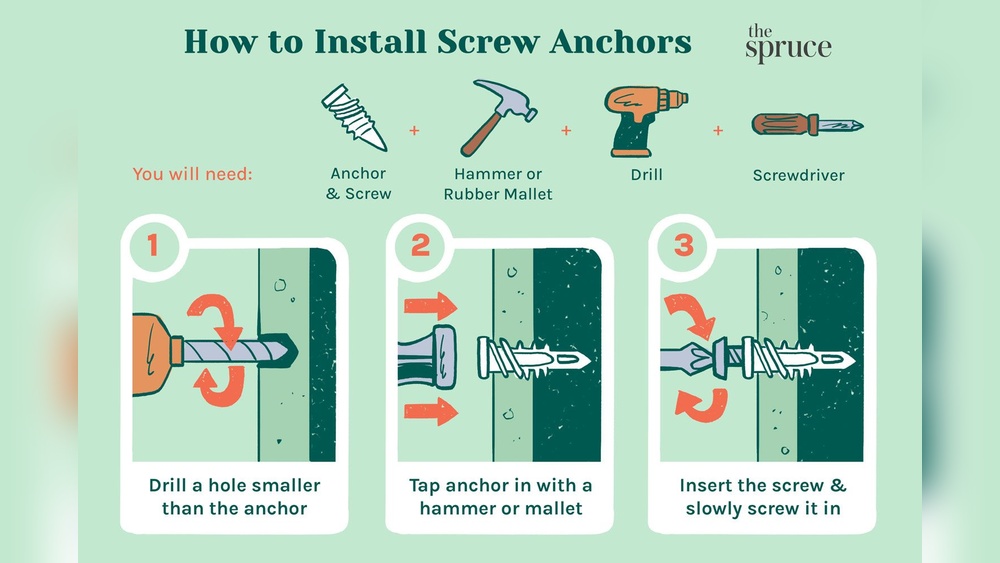
Start by marking the spots where anchors will go. Use a drill bit that matches the anchor size. Drill holes straight and steady to avoid damage. Clear out dust from the holes before inserting anchors. Push or tap anchors gently until flush with the surface. Tighten screws slowly to hold the wall firmly.
Ensuring Proper Depth And Angle
Check the hole depth to match anchor length exactly. Too shallow or too deep holes weaken the hold. Drill holes at a right angle to the surface. Angled holes reduce anchor strength and stability. Use a level or guide to keep drilling straight. This step prevents the wall from leaning or wobbling.
Securing The Wall
Securing a freestanding wall is a key step to ensure it stays safe and strong. A well-anchored wall prevents wobbling and accidents. This step involves attaching brackets and checking stability carefully.
Follow the right process to keep your wall steady and secure. Proper anchoring helps the wall handle pressure and last longer.
Attaching Brackets To Wall
Start by choosing the right brackets for your wall type. Use heavy-duty brackets for better support. Position the brackets evenly along the wall’s base and top. Use a drill to fix screws tightly into the wall frame. Make sure each bracket is flush against the wall. Tighten screws firmly to avoid any movement.
Checking For Stability
Once brackets are attached, test the wall’s stability. Gently push the wall from different sides. Watch for any shaking or shifting. If the wall moves, tighten the screws more. Add extra brackets if needed for better support. Keep testing until the wall feels solid and safe.
Credit: aspent.com
Maintenance Tips
Maintaining a freestanding wall is essential to keep it safe and stable. Regular care helps spot problems early. Simple steps can extend your wall’s life and prevent damage. Check the wall often and fix small issues fast. This keeps the structure strong and secure over time.
Regular Inspections
Look at your wall closely every few months. Check for cracks, loose parts, or signs of wear. Watch for any movement or leaning. Pay attention to the anchors and how they hold the wall. Early detection helps avoid bigger repairs later.
Tightening And Replacing Anchors
Anchors may loosen over time due to weather or use. Tighten them with the right tools to keep the wall firm. If an anchor looks damaged or rusty, replace it immediately. Using strong anchors ensures the wall stays in place. Regular care keeps your wall safe and lasting.
Frequently Asked Questions
How Do You Anchor A Freestanding Wall Securely?
To anchor a freestanding wall, use sturdy brackets or metal anchors attached to the floor or ceiling. Ensure the anchors are spaced evenly for balance. Secure the wall frame tightly to prevent movement and increase stability.
What Materials Are Best For Anchoring Freestanding Walls?
Steel brackets, heavy-duty screws, and concrete anchors are ideal. These materials provide strong support and resist shifting. Choose corrosion-resistant metals for durability, especially in outdoor or humid environments.
Can I Anchor A Freestanding Wall Without Floor Drilling?
Yes, you can use weighted bases or sandbags for temporary anchoring. Alternatively, use tension rods secured between floor and ceiling. These methods avoid floor damage but may offer less stability than drilled anchors.
How Far Apart Should Anchors Be Placed On A Freestanding Wall?
Anchors should be spaced approximately every 3 to 4 feet along the wall’s length. This spacing ensures even distribution of weight and prevents wobbling or tipping. Adjust spacing based on wall height and material.
Conclusion
Anchoring a freestanding wall keeps it strong and safe. Use the right tools and follow steps carefully. Check that the wall stands firm before finishing. Small mistakes can cause big problems later. Stay patient and work slowly for best results.
A well-anchored wall lasts longer and stays steady. Try these tips for your next wall project. Safety and strength go hand in hand. Keep your workspace clean and organized. Success comes from good planning and careful work.