Are you about to hang something on your drywall but unsure which wall anchor size to use? Choosing the right size is key to making sure your shelves, pictures, or hooks stay secure and your walls stay undamaged.
If you pick an anchor that’s too small, it won’t hold; too big, and you risk cracking the drywall. In this guide, you’ll learn simple steps to determine the perfect wall anchor size every time. Keep reading, and you’ll gain the confidence to tackle any drywall project with ease.

Credit: www.reddit.com
Types Of Wall Anchors
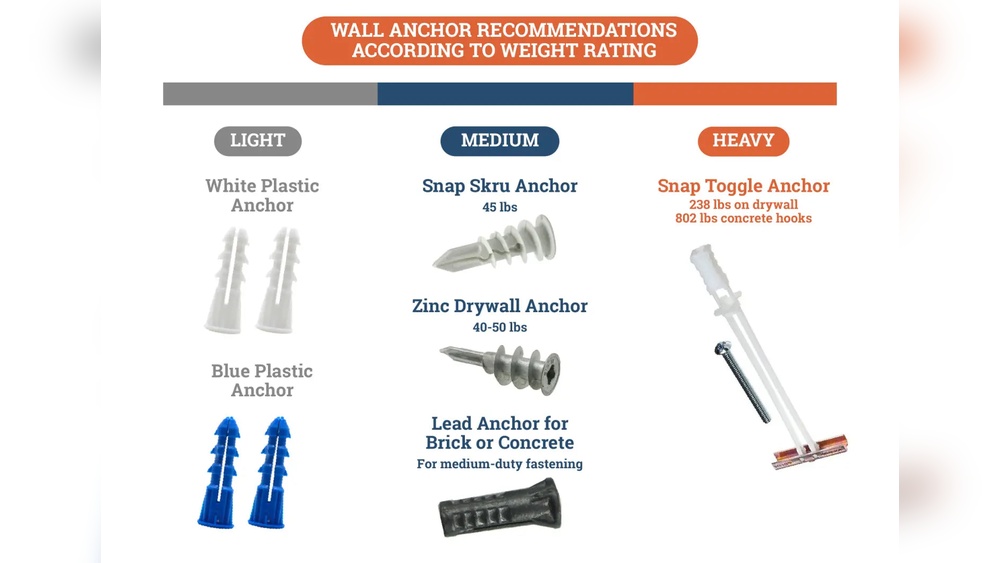
Choosing the right wall anchor is important for hanging objects safely. Wall anchors hold screws in drywall and prevent damage. Different anchors work best for different weights and uses. Knowing types helps pick the right size and kind for your project.
Plastic Expansion Anchors
Plastic expansion anchors are common and simple. They work by expanding inside the drywall when a screw is inserted. These anchors are best for light items like picture frames or small shelves. They are easy to install and affordable.
Self-drilling Anchors
Self-drilling anchors have a sharp, pointed end. They screw directly into drywall without pre-drilling a hole. These anchors hold medium-weight items securely. They save time and provide good grip for things like curtain rods and mirrors.
Toggle Bolts
Toggle bolts have metal wings that open inside the wall. The wings spread the load across a large area. These anchors work well for heavy items like large shelves or TV mounts. They need a bigger hole but offer strong support.
Molly Bolts
Molly bolts are metal anchors that expand behind the wall. They create a firm hold in drywall and plaster. These anchors support medium to heavy objects. Molly bolts are good for things like towel racks and cabinets.

Credit: www.reddit.com
Factors Affecting Anchor Size
Choosing the right size wall anchor depends on several important factors. These factors ensure your anchor holds firmly and safely in the drywall. Understanding each factor helps you pick the best anchor size for your needs. Below are key elements that affect the size of a drywall anchor.
Weight Capacity
The weight of the object you want to hang is the first factor. Heavier items need larger anchors to support the load. Small anchors may fail under too much weight. Check the weight limit on the anchor packaging before buying.
Wall Thickness
Drywall thickness varies between homes and rooms. Thicker walls need longer anchors for a secure hold. Thin drywall may require special anchors designed for less depth. Measure the drywall thickness to select the correct anchor size.
Anchor Material
Anchors come in plastic, metal, and other materials. Metal anchors generally hold more weight and last longer. Plastic anchors are lighter and easier to install but fit smaller loads. The material affects the size and type of anchor needed.
Load Type
The type of load affects the anchor choice. Static loads, like pictures, need less support than dynamic loads, like shelves holding heavy objects. Pulling or sideways forces require stronger, larger anchors. Consider how the load will act on the anchor before selecting size.
Measuring Drywall Thickness
Measuring drywall thickness is key to choosing the right wall anchor. Drywall thickness affects how well an anchor holds weight. Knowing the thickness helps prevent damage and ensures a secure fit. Use simple tools or common knowledge to find out the drywall thickness quickly.
Using A Caliper
A caliper offers the most precise measurement of drywall thickness. Place the drywall edge between the caliper jaws. Gently close the jaws until they touch the drywall surfaces. Read the measurement on the caliper scale. This method works well for small drywall pieces or cut edges.
Estimating With Common Sizes
Drywall usually comes in standard thicknesses: 1/4 inch, 1/2 inch, and 5/8 inch. Most interior walls use 1/2 inch drywall. Older homes might have thinner or thicker drywall. Measure a door frame or electrical box opening to estimate thickness. This quick check helps if you lack precise tools.
Matching Anchor Size To Screw
Matching the wall anchor size to the screw is key for a strong hold in drywall. The anchor must fit the screw perfectly. Too small, and the screw won’t fit. Too big, and the anchor won’t grip properly. Choosing the right size makes your installation safe and lasting.
Screw Diameter
The screw diameter must match the anchor size closely. Anchors are made for specific screw thickness. Check the anchor packaging for the screw diameter it fits. Using a screw that is thinner than the anchor can cause the screw to slip out. A thicker screw may split the anchor or drywall.
Screw Length
The screw length should suit the anchor and the wall thickness. The screw must go through the anchor fully to hold tight. Too short screws won’t reach deep enough for support. Too long screws can damage pipes or wires behind the drywall. Measure the wall thickness and add the anchor length to pick the right screw length.
Installing The Right Anchor
Choosing the right wall anchor is key for a strong hold in drywall. Installing the correct anchor ensures your items stay secure. It prevents damage and keeps walls intact. Here is how to install the right anchor properly.
Drill Hole Size
Start by selecting the right drill bit. The hole should match the anchor size exactly. Too small, and the anchor won’t fit. Too large, and it will be loose. Measure the anchor diameter before drilling. Mark the spot clearly on the wall. Drill slowly to avoid cracking the drywall.
Insertion Techniques
Insert the anchor gently into the hole. Push it in straight to avoid bending. Tap lightly with a hammer if needed. Do not force the anchor, or it may break. Some anchors require twisting to expand inside the wall. Follow the anchor type instructions carefully for best results.
Testing Stability
After insertion, test the anchor’s hold by pulling gently. It should feel firm and not move. Attach the screw and check for wobbling. If the anchor shifts, remove and try a bigger size. A stable anchor supports the weight safely. Always test before hanging heavy objects.
Common Mistakes To Avoid
Choosing the right wall anchor size in drywall is important. Many people make mistakes that cause anchors to fail. Avoiding these common errors helps your anchors hold better and last longer.
Using Too Small Anchors
Small anchors cannot hold heavy items well. They may pull out or break easily. Always pick an anchor size that matches the weight of your object. Bigger anchors give more support and safety.
Ignoring Wall Material
Drywall varies in thickness and type. Some anchors work only in certain wall materials. Using the wrong anchor weakens the hold. Know your wall type before buying anchors. This prevents damage and poor support.
Overloading Anchors
Each anchor has a weight limit. Putting too much weight causes anchors to fail. Spread the load across multiple anchors if needed. This keeps your items secure and walls safe.
Tools For Anchor Selection
Choosing the right wall anchor size can be tricky. Using the right tools helps make this choice easier. Tools for anchor selection guide you to pick anchors that fit your drywall and hold your items safely.
These tools provide clear information about anchor sizes and their strength. They help you avoid mistakes like picking anchors too small or too weak. Two key tools are anchor size charts and load calculators.
Anchor Size Charts
Anchor size charts list common anchor sizes and their uses. They show diameter, length, and weight limits. Charts help match the anchor size to the screw and drywall thickness. Using the chart saves time and ensures safety. You can find these charts in hardware stores or online.
Load Calculators
Load calculators estimate how much weight an anchor can hold. Enter the anchor type, drywall thickness, and screw size. The calculator provides a safe weight limit for your setup. This tool prevents overloading and damage. Load calculators are often free and easy to use online.

Credit: www.ceres-tools.com
Frequently Asked Questions
What Factors Determine The Right Wall Anchor Size?
The size depends on the weight of the item and drywall thickness. Larger anchors hold more weight. Always match anchor size to screw size for a secure fit.
How Do I Measure Drywall Thickness For Anchors?
Use a ruler or caliper to measure drywall thickness. Common drywall thicknesses are 1/2 inch or 5/8 inch. Knowing thickness helps select anchors that grip properly.
Can I Use The Same Anchor Size For All Walls?
No, anchor size varies by wall type and weight load. Drywall needs specific anchors for strength. Always check manufacturer recommendations for best results.
How To Match Screw Size With Wall Anchor?
Choose a screw that fits snugly in the anchor hole. The screw diameter should align with the anchor size to ensure stability and prevent damage.
Conclusion
Choosing the right wall anchor size keeps your drywall strong and safe. Check the weight of your item first. Match the anchor size to the load for best results. Use simple tools like a ruler or tape measure to measure.
A proper fit prevents damage and holds items firmly. Take your time and double-check measurements before drilling. This small step saves you from future repairs. Drywall anchors do their job well when sized correctly. Your walls will hold steady, and your items stay secure.