Are you ready to secure shelves, fixtures, or heavy items to your concrete block wall but unsure how to do it safely and effectively? Anchoring into concrete block walls can seem tricky, but with the right steps, you’ll get a strong hold that lasts.
This guide will walk you through exactly what you need to know to avoid common mistakes and make your project a success. Keep reading, and you’ll gain the confidence to anchor into your concrete block wall like a pro.
Credit: www.youtube.com
Choosing The Right Anchor
Choosing the right anchor for a concrete block wall is important. The right anchor keeps items safe and secure. Different anchors work better for different jobs. Knowing which anchor suits your wall and task helps avoid damage and failure.
Concrete blocks vary in strength and texture. The anchor must match these features. Picking the right anchor also depends on the weight and type of the object to hang or fix. Careful choice saves time and effort.
Types Of Anchors For Concrete Blocks
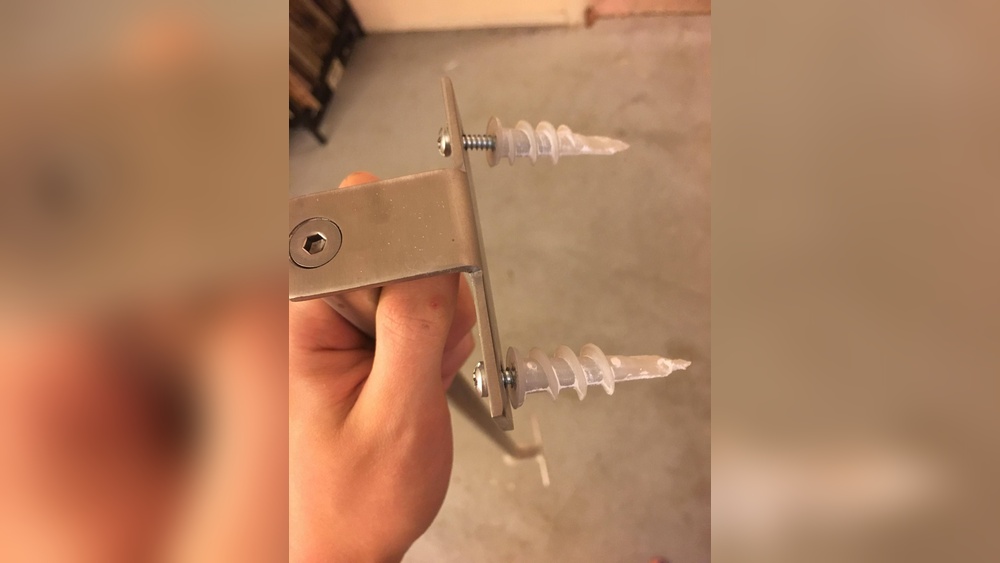
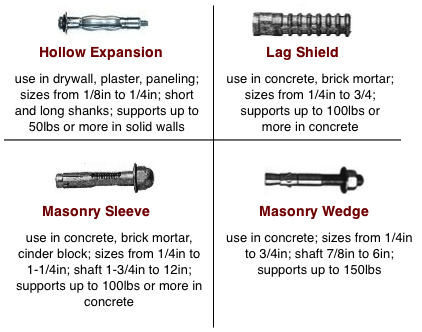
Concrete block walls accept several anchor types. Sleeve anchors are strong and work well for heavy loads. They expand inside the hole for a tight grip. Plastic anchors are for light loads and simple tasks. They fit small holes and hold screws firmly.
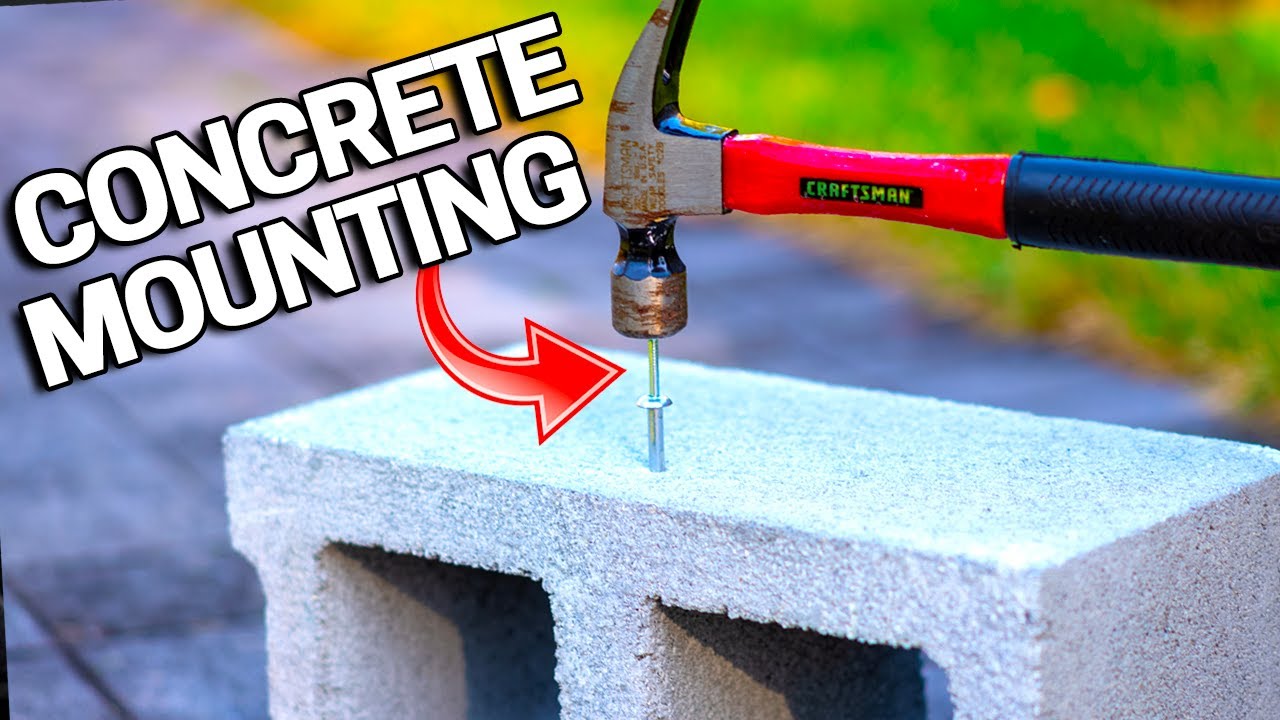
Wedge anchors provide extra strength in solid blocks. They spread out behind the block for a strong hold. Hammer drive anchors install quickly for medium loads. They use a pin to secure in place. Choosing the right type depends on the block and load.
Factors Influencing Anchor Selection
Block type affects anchor choice. Hollow blocks need anchors that spread inside. Solid blocks allow anchors that expand outward. Weight of the object matters a lot. Heavy items need stronger anchors like sleeve or wedge types.
Environment plays a role. Outdoor walls require anchors that resist rust. Moist areas need corrosion-resistant materials. Drill size and depth must match the anchor. Using the correct tools ensures a firm hold.
Credit: www.youtube.com
Preparing The Wall Surface
Preparing the wall surface is the first step to anchor into a concrete block wall. This step helps ensure the anchor holds strong and lasts long. Proper preparation makes drilling easier and safer.
Take your time and follow simple steps to get the wall ready. Clean and mark carefully for the best results.
Cleaning The Block Wall
Start by removing dust, dirt, and loose particles from the wall. Use a stiff brush or broom to sweep the surface. This cleaning helps the anchor fit tightly. It also stops debris from falling into drill holes.
If the wall is very dirty, wipe it with a damp cloth. Allow it to dry completely before drilling. A clean surface improves accuracy and anchor strength.
Marking Drill Points Accurately
Measure the exact spots where you want to drill. Use a pencil or marker to make small dots on the wall. Accurate marks help avoid mistakes and uneven holes.
Double-check measurements before drilling. Use a level tool for straight lines. Clear marks make drilling smooth and prevent damage to the wall or anchors.
Drilling Into Concrete Blocks
Drilling into concrete blocks requires care and the right tools. Concrete blocks are sturdy but can crack if drilled wrong. Proper drilling makes sure anchors hold tight. It also keeps the wall safe from damage. Understanding how to drill well saves time and effort.
Selecting The Proper Drill Bit
Use a masonry drill bit for concrete blocks. These bits have a special tip made to cut through hard materials. Choose a bit size that matches your anchor. Too small or too large bits cause poor holding or damage. Check the bit regularly for wear. Worn bits slow drilling and can cause cracks.
Drilling Techniques For Clean Holes
Start drilling slowly to make a small guide hole. Keep the drill steady and straight to avoid cracks. Use a hammer drill for faster and easier work. Drill in short bursts to reduce heat and dust. Clear the hole of debris with a brush or air blower. Clean holes help anchors fit tightly and hold better.
Installing Anchors Correctly
Installing anchors correctly in a concrete block wall is key for strong, safe support. Choosing the right method and following steps carefully helps your project last longer. Each type of anchor has its own way to install, with tools and safety tips to know. Use this guide to place anchors with confidence and avoid common mistakes.
Setting Sleeve Anchors
Drill a hole slightly bigger than the sleeve anchor diameter. Clean dust from the hole using a brush or air blower. Insert the sleeve anchor fully into the hole. Tighten the nut slowly with a wrench until the sleeve expands inside the block. Stop tightening when you feel resistance; avoid over-tightening. Check the anchor holds firm by gently testing its grip.
Using Wedge Anchors Safely
Choose the correct length and diameter of the wedge anchor. Drill a hole deeper than the anchor length. Clear all debris from the hole completely. Insert the wedge anchor, ensuring the wedge end goes in last. Tighten the nut evenly to expand the wedge inside the block. Do not force the anchor too hard to prevent cracking. Wear safety glasses and gloves during installation.
Applying Adhesive Anchors
Start by drilling a clean hole to the required depth. Remove dust and loose particles thoroughly with a vacuum or brush. Inject the adhesive resin into the hole, filling it about half full. Insert the threaded rod or rebar slowly, twisting to spread adhesive. Hold the rod steady until the adhesive sets. Follow manufacturer time instructions for full curing. Avoid moving the anchor before the adhesive hardens.
Ensuring Strong Fixings
Ensuring strong fixings in concrete block walls is key for safety and durability. Proper anchoring keeps items secure and prevents damage. Using the right tools and methods helps achieve solid results.
Check each step carefully. Strong fixings save time and money by avoiding repairs.
Testing Anchor Stability
After installing anchors, test their hold. Gently pull or push on the fixed object. It should not move or wiggle. Use a level to check for shifts.
Test anchors before adding weight. This prevents accidents and damage. If an anchor feels loose, remove and reinstall it.
Avoiding Common Installation Mistakes
Drill holes straight and to the right depth. Too shallow or too deep holes weaken the anchor.
Use the correct anchor type for concrete blocks. Some anchors work better for hollow blocks, others for solid ones.
Do not overtighten screws. Tightening too much can crack the block or strip the anchor.
Maintenance And Safety Tips
Keeping anchors in concrete block walls safe and strong requires regular care. Proper maintenance extends the life of your anchors. It also helps avoid accidents and damage.
Inspecting Anchors Regularly
Check anchors often for any signs of wear or damage. Look for cracks, rust, or loose fittings. Use a flashlight to see inside holes clearly. Tighten any bolts or screws that feel loose. Early detection prevents bigger problems later.
Handling Repairs And Replacements
Replace damaged anchors immediately to keep the wall secure. Remove old anchors carefully without harming the concrete blocks. Use the right tools and new anchors suited for the wall type. Follow instructions closely to ensure a strong fix. Proper repairs keep your anchors reliable and safe.
Credit: clinicadentalrociomontero.com
Frequently Asked Questions
What Tools Do I Need To Anchor Into Concrete Block Walls?
You need a hammer drill, masonry bit, anchors, screws, and a screwdriver. A level and pencil help with accurate marking. Safety goggles and gloves protect you during drilling.
How Do I Choose The Right Anchor For Concrete Blocks?
Select anchors based on load weight and wall type. Sleeve anchors work well for heavy loads. Plastic expansion anchors suit lighter items. Always check manufacturer recommendations for best results.
Can I Drill Directly Into Concrete Block Mortar?
It’s not recommended as mortar is weaker than blocks. Anchoring into the block itself ensures better strength and durability. Aim for the solid block areas when drilling.
How Deep Should I Drill Holes For Anchors?
Drill holes slightly deeper than the anchor length. This allows the anchor to fully expand inside the hole. Typically, a depth of 1 to 2 inches beyond anchor size is ideal.
Conclusion
Anchoring into a concrete block wall is simple with the right steps. Choose the correct anchor type for your task. Drill carefully and clean the hole before inserting the anchor. Tighten screws steadily to avoid damage. Taking time ensures a strong, lasting hold.
Your projects will stay secure and safe. Practice these tips for better results every time. Concrete block walls can hold heavy loads well with proper anchoring. Trust your skills and enjoy the solid support you create.