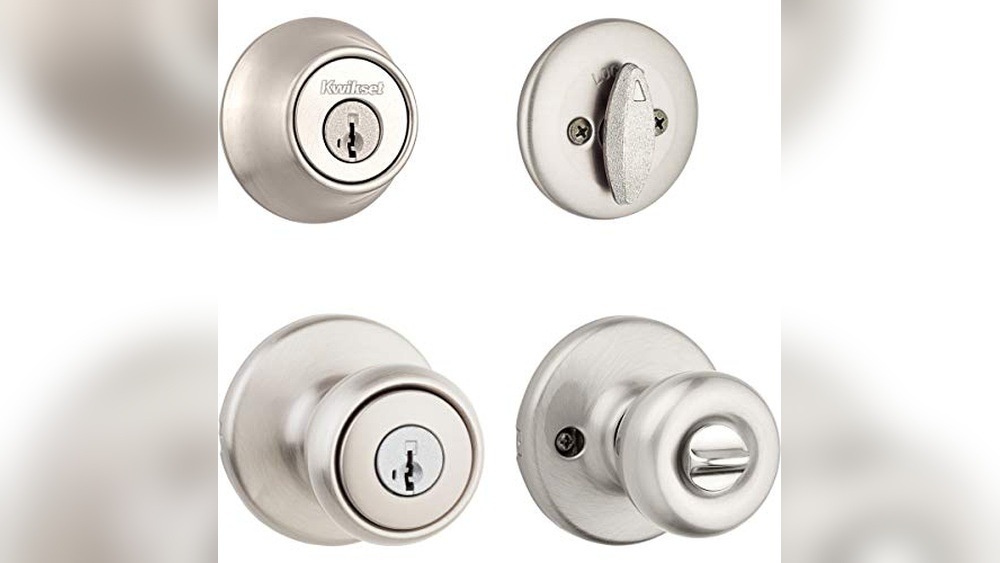
Choosing the right deadbolt for your door is more important than you might think. It’s not just about locking your door—it’s about keeping your home and loved ones safe.
But with so many options out there, how do you know which one is best for you? This guide will help you understand what to look for, so you can make a confident choice that fits your needs and budget.
Keep reading to discover simple tips that will make picking a door lock deadbolt easy and stress-free.
Types Of Deadbolts
Choosing the right deadbolt is important for home security. Deadbolts come in different types. Each type offers specific features and security levels. Understanding these types helps you pick the best one for your door.
Single Cylinder
Single cylinder deadbolts have a key on the outside. Inside, they have a thumb turn for easy locking. They are the most common type for homes. Easy to use and install. Works well for doors with glass nearby.
Double Cylinder
Double cylinder deadbolts need a key on both sides. They offer extra security for doors with windows. Prevents intruders from unlocking from inside through glass. Can be less convenient in emergencies. Requires both sides to have a key.
Vertical Deadbolt
Vertical deadbolts lock by moving up and down. This design resists forced entry better. It is harder to pry open than standard deadbolts. Often used in commercial buildings and high-security areas. Adds an extra layer of protection to your door.

Credit: www.youtube.com
Key Features To Consider
Choosing the right deadbolt means understanding security ratings and standards. These ratings show how strong and reliable a lock is. They help you pick a lock that fits your safety needs. Three key standards guide buyers: ANSI, BHMA, and UL. Each offers a different view of lock quality and safety.
Ansi Grading System
ANSI stands for the American National Standards Institute. It grades locks from 1 to 3. Grade 1 is the strongest and best for heavy use. Grade 2 is good for average home security. Grade 3 offers basic protection and fits low-risk areas. This system tests lock strength and durability.
Bhma Certifications
BHMA means Builders Hardware Manufacturers Association. It works with ANSI to certify locks. BHMA tests locks for security, durability, and finish. A BHMA certification confirms that a lock meets strict standards. Look for BHMA labels to ensure quality and trust.
Ul Fire Ratings
UL stands for Underwriters Laboratories. It tests locks for fire resistance. UL fire ratings show how long a lock can withstand fire. A higher UL rating means better protection during fire emergencies. Fire-rated locks protect your property and help meet building codes.
Security Ratings And Standards
Choosing the right deadbolt involves more than just style and security. Installation factors play a big role in how well your lock will work. These factors ensure the deadbolt fits your door and is strong enough to protect your home. Understanding these points will help you pick a deadbolt that is easy to install and secure.
Door Thickness Compatibility
Check your door’s thickness before buying a deadbolt. Most deadbolts fit doors 1 3/8 to 1 3/4 inches thick. Some models offer adjustable parts for thicker or thinner doors. Using the wrong size can cause poor fit and weak security. Measure your door carefully to avoid problems.
Strike Plate Reinforcement
The strike plate is where the deadbolt locks into the door frame. A strong strike plate improves your door’s security. Look for deadbolts that come with reinforced strike plates or allow for easy upgrades. Reinforcing the strike plate with longer screws can stop forced entry attempts.
Ease Of Installation
Choose a deadbolt that is simple to install. Many models include clear instructions and all needed parts. Some deadbolts do not require special tools or drilling. If you want to install it yourself, find a lock designed for DIY installation. This saves time and avoids extra costs.

Credit: www.youtube.com
Installation Factors
Choosing the right deadbolt is important for home security. Traditional deadbolts offer simple mechanical locking. Smart deadbolts provide modern features using technology. Both types have benefits and some drawbacks. Understanding these differences helps you decide which fits your needs best.
Advantages Of Smart Locks
Smart locks allow keyless entry using codes or phones. You can lock or unlock doors remotely. They offer features like temporary access for guests. Many smart locks send alerts when used. These features improve convenience and control over home security.
Battery Life And Maintenance
Smart locks need batteries to work. Battery life varies by model but often lasts months. Regular battery checks are important to avoid lockouts. Traditional deadbolts do not need power or batteries. They require less maintenance but lack smart features.
Integration With Security Systems
Smart deadbolts often connect with home security systems. This allows centralized control and monitoring. Some integrate with cameras and alarms for better safety. Traditional locks do not offer system integration. This limits remote access and real-time alerts.
Smart Vs. Traditional Deadbolts
Deadbolt locks add strong protection to your doors. Yet, some security weaknesses can let intruders inside. Knowing these weaknesses helps you pick safer deadbolts.
Common security flaws include skillful lock picking, bumping attacks, and physical force. Understanding these methods helps you choose a deadbolt that resists them well.
Lock Picking Techniques
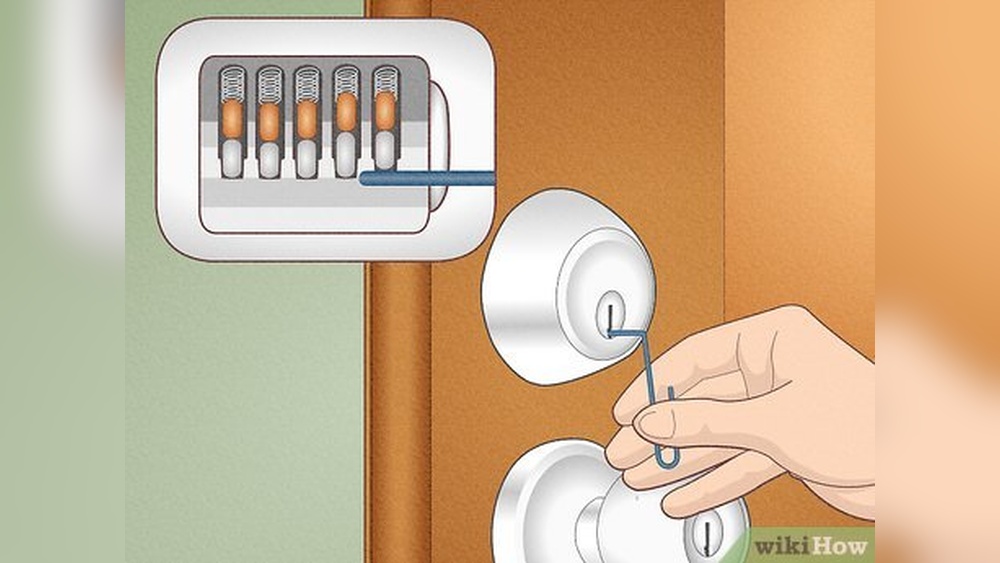
Lock picking uses tools to move the lock’s pins. Skilled thieves can open many locks this way. Simple locks with few pins are easier to pick. High-quality locks have complex pins to stop picking.
Bumping Attacks
Bumping uses a special key to hit pins inside the lock. The impact moves the pins to open the door. Many standard locks are vulnerable to bump keys. Stronger locks use anti-bump pins or other features.
Physical Forced Entry
Force can break or twist a lock or door. Thieves use crowbars, hammers, or drills. Cheap or weak locks fail under physical attacks. Solid metal locks and reinforced doors offer better defense.

Credit: www.wikihow.com
Common Security Vulnerabilities
Choosing the right deadbolt lock means deciding between budget and high-end options. Each choice has benefits and limits. Understanding these can help you pick a lock that fits your needs and wallet.
Cost-effectiveness
Budget deadbolts are affordable and easy to find. They offer basic security and work well for low-risk areas. These locks usually use simpler materials and mechanisms. They might last less time but save money upfront.
High-end deadbolts cost more but often last longer. They use stronger metals and advanced designs. This makes them harder to break or pick. You pay more at first but gain extra security and durability.
When To Invest More
Invest in high-end deadbolts for main doors or high-risk locations. These locks add peace of mind and better protection. If your home stores valuables, spending more is wise. Also, places with frequent break-ins need stronger locks.
For interior doors or low-risk spots, budget locks may be enough. They still provide basic safety without overspending. Match your lock choice to your specific security needs.
Value-added Features
High-end deadbolts often include extra features. Some have smart technology for remote control. Others offer anti-drill or anti-pick protection. These features add layers of security and convenience.
Budget options usually lack advanced features. They focus on core locking functions only. Decide if extra features are worth the price for your situation.
Frequently Asked Questions
What Types Of Deadbolt Locks Are Best For Home Security?
Single-cylinder deadbolts are popular for homes due to ease of use. Double-cylinder locks add extra security but require a key on both sides. Choose based on your door type and security needs for optimal protection.
How Do I Measure My Door For The Right Deadbolt?
Measure the door thickness, backset distance, and cross bore diameter. Most deadbolts fit doors 1-3/8 to 1-3/4 inches thick. Accurate measurements ensure the deadbolt fits securely and functions properly.
Can I Install A Deadbolt Lock Myself Easily?
Yes, installing a deadbolt is straightforward with basic tools. Follow the manufacturer’s instructions carefully. Proper installation ensures maximum security and lock durability without professional help.
What Features Should I Look For In A Quality Deadbolt?
Look for solid metal construction, a long bolt throw (at least one inch), and anti-pick or bump features. These characteristics improve lock strength and resistance against forced entry.
Conclusion
Choosing the right deadbolt lock keeps your home safe and secure. Focus on quality, fit, and ease of use. Consider the lock’s durability and how it matches your door. A good deadbolt adds peace of mind every day. Take time to compare options before buying.
A simple, strong lock works best. Stay safe with the right door lock deadbolt.