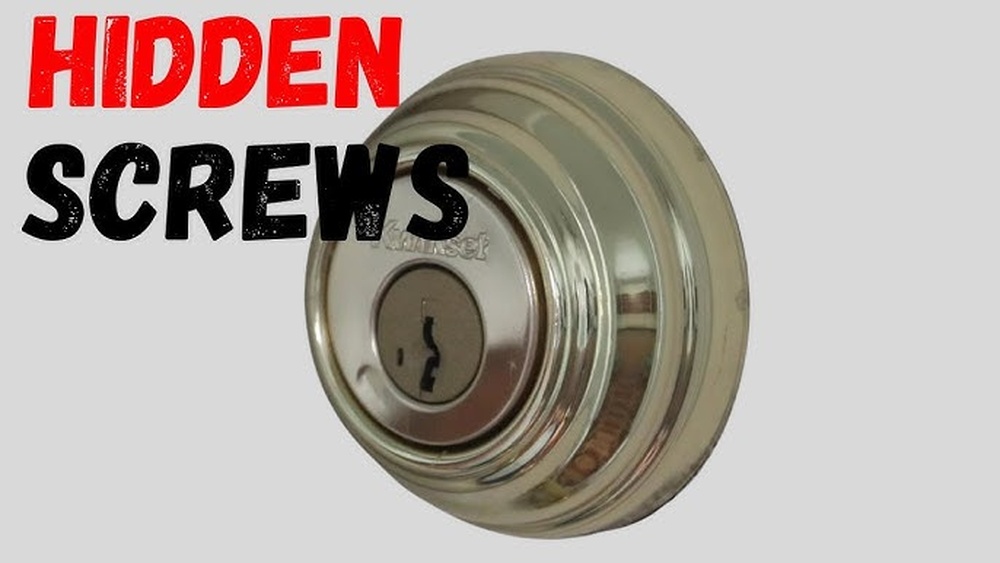
Changing the keys to your Schlage deadbolt lock might sound tricky, but it’s something you can do yourself—and it can save you time and money. Whether you’ve lost a key, moved into a new home, or want to boost your security, rekeying your lock puts control back in your hands.
In this guide, you’ll find clear, step-by-step instructions to rekey your Schlage deadbolt quickly and easily. Keep reading, and you’ll soon have the confidence to handle your lock like a pro.
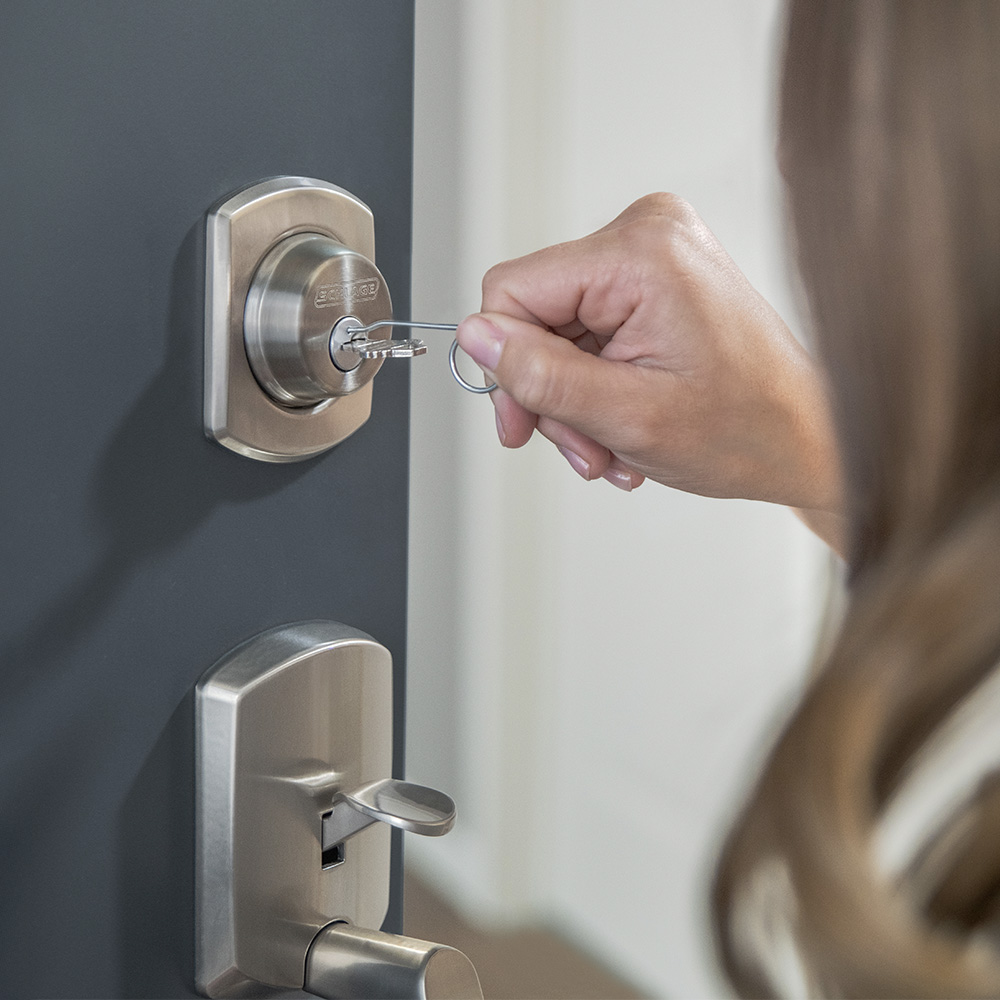
Credit: www.schlage.com
Tools Needed
Before you start rekeying a Schlage deadbolt lock, gather the right tools. Having the correct tools makes the job easier and faster. Each tool plays a key role in the process. Missing one can cause delays or mistakes.
Phillips Head Screwdriver
This screwdriver removes screws from the lock. Most Schlage deadbolts use Phillips screws. Using the right screwdriver prevents damage to screws and lock parts.
Flat Head Screwdriver
A flat head screwdriver helps pry off the lock cover gently. It also assists in pushing out small parts. This tool is handy for delicate tasks during rekeying.
Plug Follower
The plug follower pushes the cylinder plug out carefully. It keeps the pins and springs in place. This tool is essential to avoid losing small pieces inside the lock.
New Key Pins
New key pins match the new key’s cuts. They replace the old pins inside the lock cylinder. Having the correct pin sizes is crucial for smooth lock operation.
Key Gauge
A key gauge measures the cuts on the new key. It ensures you select the right pins. This simple tool helps avoid guesswork during rekeying.
Tweezers
Tweezers pick up and place tiny pins easily. They give better control than fingers. Using tweezers reduces the risk of dropping pins inside the lock.
Removing The Deadbolt
Removing the deadbolt is the first step in rekeying a Schlage deadbolt lock. This process lets you access the lock’s inner parts. Handle the lock carefully to avoid damage.
Prepare a screwdriver and keep the screws safe. Follow the steps below to remove the deadbolt smoothly.
Locate And Remove The Screws
Look for screws on the inside part of the lock. Use a screwdriver to take them out. Keep the screws in a small container. This will prevent losing them.
Separate The Interior And Exterior Parts
Gently pull the inside part of the lock away from the door. Do the same with the outside part. Both should come off easily after removing screws.
Remove The Deadbolt Mechanism
Look inside the edge of the door. Find the deadbolt mechanism. Slide it out carefully. This part contains the cylinder that needs rekeying.
Extracting The Cylinder
Extracting the cylinder is a key step in rekeying a Schlage deadbolt lock. This part holds the pins and springs that match your key. Removing it allows you to change the pins and set a new key code.
Careful handling is important. The cylinder is delicate and can be damaged if forced. Follow each step closely to remove it safely and prepare for rekeying.
Gather Required Tools
Before starting, collect tools. You need a screwdriver, plug follower, and tweezers. These help remove and handle the cylinder parts carefully.
Remove The Deadbolt From The Door
Use a screwdriver to unscrew the deadbolt from the door. Take off both the interior and exterior parts. Keep screws in a safe place for later.
Locate The Retaining Clip
Find the small retaining clip at the back of the cylinder. This clip holds the cylinder in place. Use pliers to gently remove it without bending.
Extract The Cylinder Plug
Insert the key and turn it slightly. Use a plug follower to push the cylinder plug out slowly. Keep the plug follower aligned to avoid pin loss.
Keep Pins And Springs Secure
Remove pins and springs carefully. Place them in order to avoid mixing. This makes reassembly easier and faster.
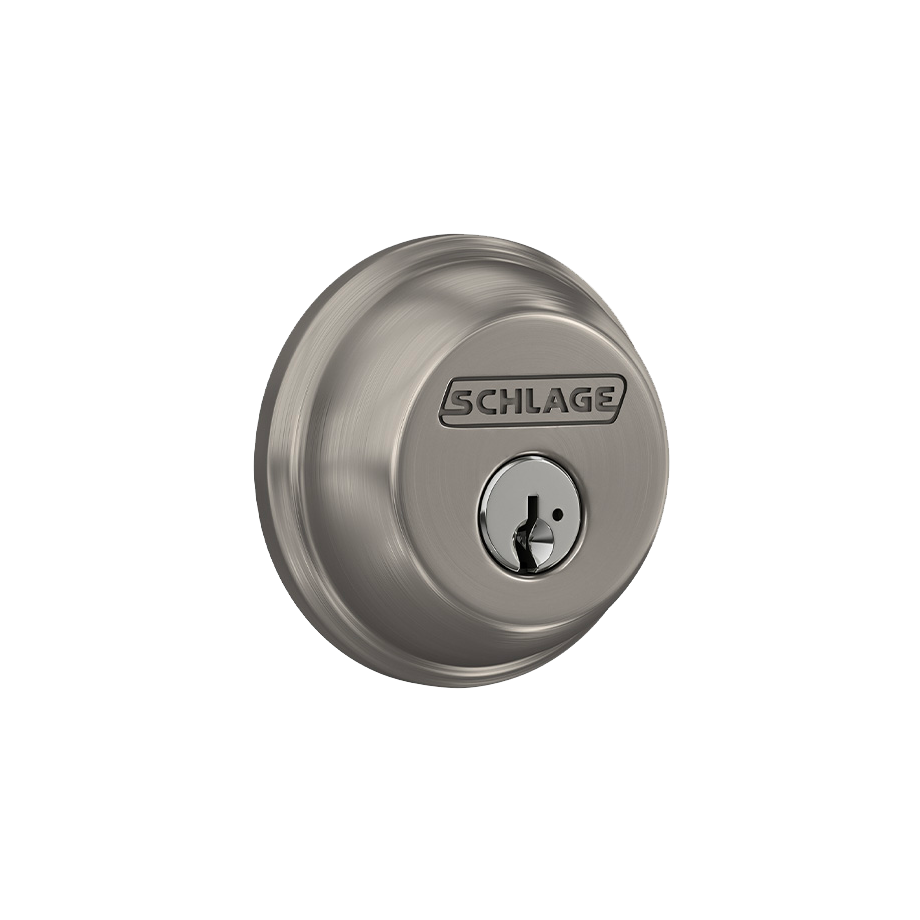
Credit: www.schlage.com
Taking Out The Old Pins
Taking out the old pins is a key step in rekeying your Schlage deadbolt lock. These pins control which key works with the lock. Removing them allows you to change the lock to fit a new key.
You will need a plug follower and a pinning tray to keep the pins organized. Handle the pins carefully to avoid mixing them up or losing them.
Removing The Cylinder Plug
Start by removing the lock cylinder from the door. Insert the current key and turn it slightly. Use a plug follower to push out the plug gently. Do this slowly to keep the pins in place.
Extracting The Old Pins
With the plug out, look inside the pin chambers. Use tweezers to pull out each old pin. Place each pin in the pinning tray so you know their sizes. This helps prevent confusion later.
Checking For Debris And Damage
Examine the plug and pins for dirt or wear. Clean any debris with a soft cloth. Replace damaged pins to ensure the lock works smoothly with the new key.
Matching New Pins To Keys
Matching new pins to keys is a crucial step in rekeying a Schlage deadbolt lock. This process ensures your new key will work smoothly with the lock. Each pin must fit perfectly with the cuts on the key. If the pins are not matched correctly, the lock will not turn.
Correct pin matching creates a secure and reliable locking system. It prevents the old key from working and allows only your new key to operate the lock. Let’s break down how to match new pins to your key accurately.
Understanding Pin Sizes And Key Cuts
Each pin inside the lock has a specific size. These sizes correspond to the depth of the cuts on your key. The deeper the cut, the shorter the pin needed. You must know the key’s cut measurements. This helps you select the right pins for the lock cylinder.
Using A Pinning Chart For Accuracy
A pinning chart helps match pin sizes to key cuts. It shows which pin length fits each key cut depth. You can find pinning charts online or with your lock rekeying kit. Follow the chart carefully to avoid mistakes. This ensures each pin is the correct height for your key.
Replacing Old Pins With New Ones
Remove the old pins from the lock cylinder first. Use a follower tool to push the plug out gently. Insert new pins that match your key’s cuts. Make sure pins sit flush with the plug’s surface. Incorrect pin height causes the lock to jam or not turn.
Testing The Fit Of New Pins
After inserting new pins, test the key in the lock. The key should slide in smoothly without resistance. Turn the key to check if the lock operates properly. If the key sticks or won’t turn, recheck the pin sizes. Adjust pins as needed for a perfect fit.
Reassembling The Cylinder
Reassembling the cylinder is a key step in rekeying your Schlage deadbolt lock. This process puts all the parts back together so the lock works smoothly. Taking your time and following each step carefully will help avoid problems later.
Keep the pins and springs in order. This makes reassembly easier and faster. A clean workspace helps prevent losing small pieces. Patience matters here.
Insert The Plug Into The Cylinder
Place the plug carefully into the cylinder housing. Align the pins correctly with the plug holes. The pins should sit snugly without forcing them. This ensures the lock will turn smoothly.
Secure The Retaining Clip
Slide the retaining clip onto the plug’s groove. This holds the plug firmly inside the cylinder. Press the clip until it snaps into place. Check that it fits tightly and does not move.
Reattach The Cylinder To The Lock Body
Fit the cylinder back into the main lock body. Align the screw holes for easy fastening. Insert and tighten the screws by hand first. Use a screwdriver to secure them fully but avoid over-tightening.
Test The Lock Function
Turn the key in the reassembled lock. It should rotate smoothly without sticking. Lock and unlock several times to confirm proper function. If it feels stiff, disassemble and check pin placement again.
Reinstalling The Deadbolt
Reinstalling the deadbolt is a key step after rekeying your Schlage lock. Proper installation ensures the lock works smoothly and keeps your home safe.
Take your time. Aligning parts correctly prevents jamming and keeps the lock secure.
Align The Deadbolt Mechanism
Place the deadbolt in the door edge. Make sure it fits flush and slides easily. Check that the bolt moves when you turn the key.
Attach The Exterior And Interior Plates
Position the exterior plate with the keyhole on the outside. The interior plate goes inside the door. Hold both plates tight against the door.
Insert And Tighten Screws
Use the screws from the kit. Screw them in slowly to avoid stripping. Tighten until the plates are snug but not too tight.
Test The Lock Operation
Turn the key and thumb turn several times. Make sure the deadbolt extends and retracts smoothly. Check both sides work without sticking.
Testing The New Key
Testing the new key is an important step after rekeying your Schlage deadbolt lock. This ensures the lock works smoothly and the new key fits perfectly. Careful testing helps avoid lockouts or damage to the lock later on.
Take your time to check the key in different ways. This simple check gives you peace of mind and confidence in your work.
Insert The Key Slowly
Start by inserting the new key slowly into the lock. Feel for any resistance or sticking points. The key should slide in easily without force. If it feels tight, try turning it gently to see if it moves smoothly.
Turn The Key To Lock And Unlock
Turn the key fully to lock the deadbolt. Then turn it back to unlock. This action tests the lock mechanism inside. The deadbolt should move quietly and without hesitation. Repeat several times to confirm consistent performance.
Test From Both Sides
Test the key on both the inside and outside of the door if your deadbolt allows. The lock should work the same on both sides. This step ensures the rekeying was done correctly and the lock functions properly.
Check For Smooth Operation
Listen for any unusual sounds like grinding or clicking. The lock should operate smoothly without noise. Smooth operation means the pins and springs inside the lock are aligned well with the new key.
Try Other Keys
Try any old keys that used to work on the lock. They should no longer work. This confirms the lock has been rekeyed securely. Only the new key should operate the deadbolt now.
Tips For Maintaining Lock Security
Maintaining the security of your Schlage deadbolt lock is key to protecting your home. Simple habits can keep your lock working well and prevent unauthorized access.
Regular care and attention help your lock last longer. Small steps can make a big difference in safety.
Keep Your Keys Safe And Limited
Only give keys to trusted people. Avoid leaving spare keys outside your home. Use a secure place for extra keys. This reduces the chance of lost or stolen keys.
Lubricate The Lock Regularly
Use graphite or a silicone-based lubricant to keep the lock smooth. Avoid oil-based products that attract dust. Lubricate every six months or when the lock feels stiff.
Check The Lock For Wear And Damage
Inspect your deadbolt for any signs of damage or wear. Replace parts if the lock is hard to turn or the key sticks. Early fixes stop bigger problems later.
Rekey After Losing Keys Or Moving
Always rekey your lock after losing keys or moving into a new home. This ensures old keys no longer work. Rekeying is a low-cost way to secure your property.
Use High-quality Keys
Choose keys made of durable metal. Poor quality keys wear out faster and can damage the lock. Good keys help your lock last longer.

Credit: www.youtube.com
Frequently Asked Questions
How Do I Rekey A Schlage Deadbolt Lock?
To rekey a Schlage deadbolt, remove the lock from the door. Use a Schlage rekey kit and follow the step-by-step instructions. Replace the old pins with new ones matching your new key. Reassemble the lock and test with the new key to ensure it works smoothly.
What Tools Are Needed To Rekey Schlage Deadbolt Locks?
You need a Schlage rekey kit, a screwdriver, and a plug follower. The kit contains new pins, keys, and instructions. A plug follower helps remove the cylinder without losing pins. Having the right tools ensures a smooth and accurate rekeying process.
Can I Rekey Schlage Deadbolt Without Removing It?
No, you must remove the lock cylinder from the door first. Removing the cylinder allows access to the pins inside. Attempting to rekey without removal can damage the lock or cause improper pin placement.
How Long Does It Take To Rekey A Schlage Deadbolt?
Rekeying usually takes between 15 and 30 minutes with practice. Beginners may take longer initially. Following instructions carefully speeds up the process and ensures correct rekeying.
Conclusion
Rekeying a Schlage deadbolt lock is a simple way to improve home security. You can save money by doing it yourself. Follow each step carefully for best results. Take your time and keep tools handy. Practice makes the process easier over time.
Stay safe by changing locks after moving or losing keys. This skill gives you more control over who can enter. Try it today and feel confident about your home’s protection.