Have you ever tried hanging something on your wall, only to have it fall down later? It’s frustrating, isn’t it?
Knowing how to anchor things on walls the right way can save you time, money, and a lot of headaches. Whether you want to hang a heavy mirror, a shelf, or your favorite artwork, the right anchors make all the difference.
You’ll discover simple, effective tips that anyone can use to secure items safely and confidently. Keep reading, and you’ll never worry about your wall hangings falling again.
Choosing The Right Anchor
Choosing the right anchor is key for strong wall support. Anchors hold items safely on different wall types. Using the wrong anchor can cause damage or falls. Understanding types, wall material, and weight helps select the best anchor.
Types Of Wall Anchors
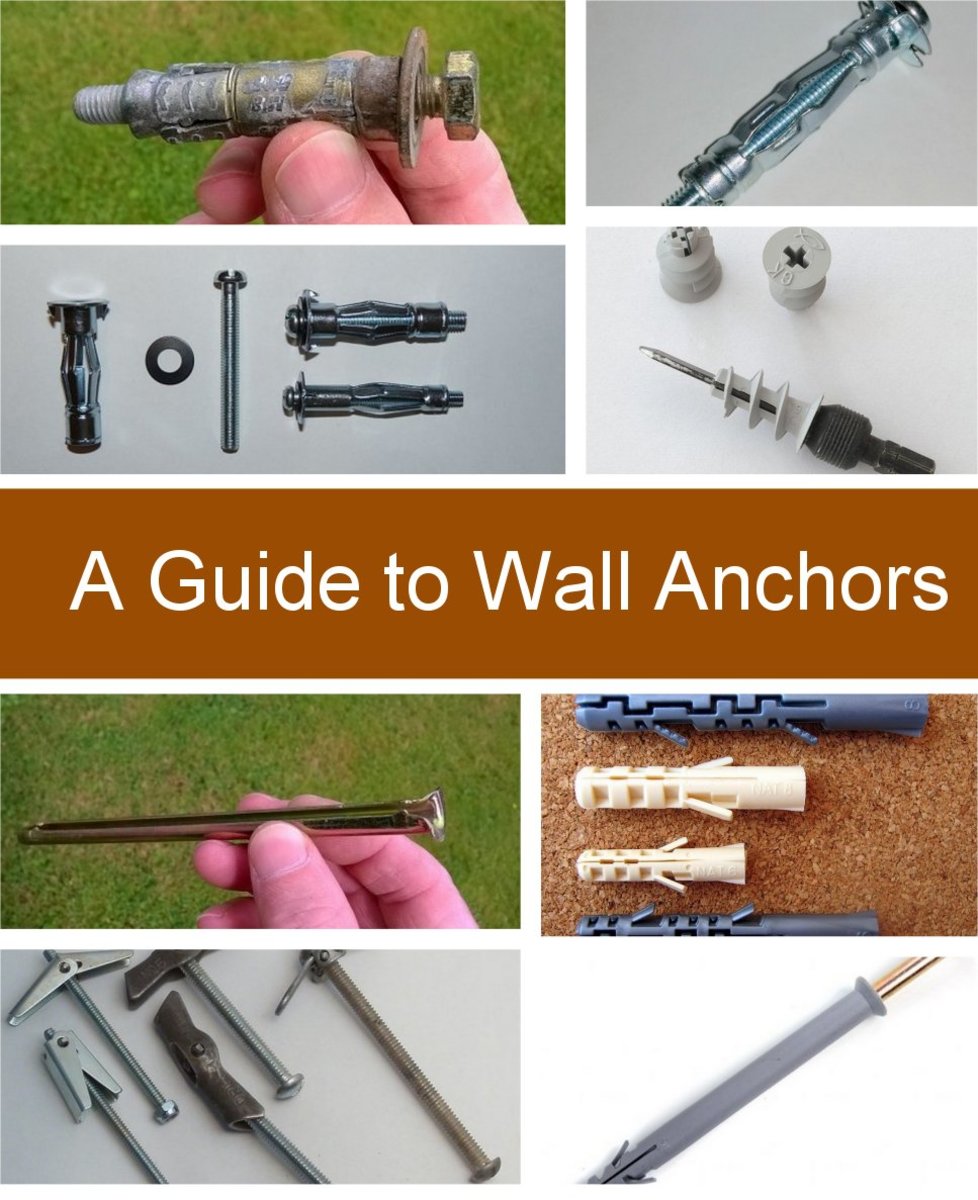
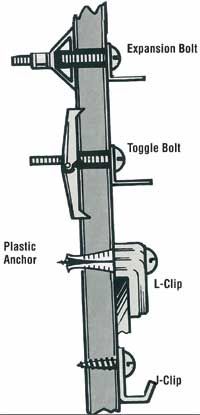
Plastic expansion anchors work well for light loads. They expand inside drywall or plaster. Toggle bolts have wings that open behind the wall. These hold heavier items securely. Molly bolts create a strong grip by expanding inside the wall. Screw anchors screw directly into drywall for medium weight. Choose an anchor type based on your wall and object weight.
Matching Anchors To Wall Material
Drywall needs different anchors than concrete or brick. Plastic anchors work for drywall and plaster. Masonry anchors fit brick, stone, or concrete walls. Use metal anchors for hollow walls or drywall. Knowing your wall type helps pick the right anchor. This prevents damage and ensures strong support.
Weight Capacity Considerations
Check the anchor’s weight limit before purchase. Light anchors hold up to 20 pounds. Medium anchors support 20 to 50 pounds. Heavy-duty anchors manage over 50 pounds. Match the anchor capacity to your item’s weight. Overloading anchors causes them to fail and fall. Always choose an anchor with a higher weight rating than needed.
Credit: discover.hubpages.com
Tools You’ll Need
Anchoring items on walls requires the right tools. The correct tools make the job safer and easier. Knowing what to use helps avoid damage to your walls. This section covers the essential tools needed for most wall-anchoring projects.
Basic Tools Checklist
- Drill with various drill bits
- Screwdriver set (flathead and Phillips)
- Measuring tape or ruler
- Level to ensure straight placement
- Hammer for light tapping
- Stud finder to locate wall studs
- Wall anchors (plastic or metal)
- Pencil for marking spots
- Safety glasses for eye protection
Specialized Equipment For Tough Walls
- Masonry drill bits for brick or concrete walls
- Hammer drill for drilling into hard surfaces
- Toggle bolts for hollow walls with heavy loads
- Wall plugs designed for different wall types
- Impact driver for extra driving power
- Utility knife to cut drywall or insulation
Preparing The Wall
Preparing the wall is the first step to anchor things safely. It helps to avoid damage and ensures your item stays secure. Taking time to prepare prevents mistakes and saves effort later.
Start by knowing the wall’s structure and planning where to place anchors. Careful preparation makes the job easier and better.
Locating Studs And Avoiding Hazards
Studs are the wooden or metal supports inside walls. Anchoring into studs gives strong support for heavy items. Use a stud finder tool to locate them accurately. Move the finder slowly to detect the edges of studs.
Check for electrical wires and pipes before drilling. Avoid these hazards to prevent injury and damage. Look for outlet boxes or switches as clues to wiring. If unsure, use a wire detector or consult a professional.
Marking Anchor Points Accurately
Marking points clearly helps place anchors in the right spots. Use a pencil to make small marks on the wall. Measure twice to ensure accuracy and alignment.
Use a level to keep marks straight and even. This step is crucial for hanging items like shelves or pictures. Correct marks prevent crooked or unstable anchors.
Step-by-step Anchoring Guide
Anchoring objects on walls can be easy with the right steps. This guide breaks down the process into simple actions. Follow each step carefully to ensure your items stay secure.
Drilling Pilot Holes
Start by marking the spot where you want to anchor. Use a pencil for clear, visible marks. Choose a drill bit slightly smaller than your anchor size. Drill a hole straight into the wall at the marked spot. Drill slowly to avoid cracking the wall.
Inserting Different Types Of Anchors
Select the anchor type based on your wall material. Plastic anchors work well for drywall. Metal anchors provide stronger support for heavier items. Push or tap the anchor gently into the pilot hole. Make sure the anchor fits snugly and does not move.
Securing Screws And Fixtures
Choose screws that match the anchor size. Insert the screw into the anchor by hand first. Use a screwdriver to tighten the screw firmly. Do not over-tighten, or you may damage the wall. Attach your fixture securely to the screw once tight.
Tips For Heavy Items
Heavy items need strong support on walls. Using the right anchors keeps your walls safe and your items secure. Choose anchors made for weight. Install them carefully to avoid damage.
Using Toggle Bolts
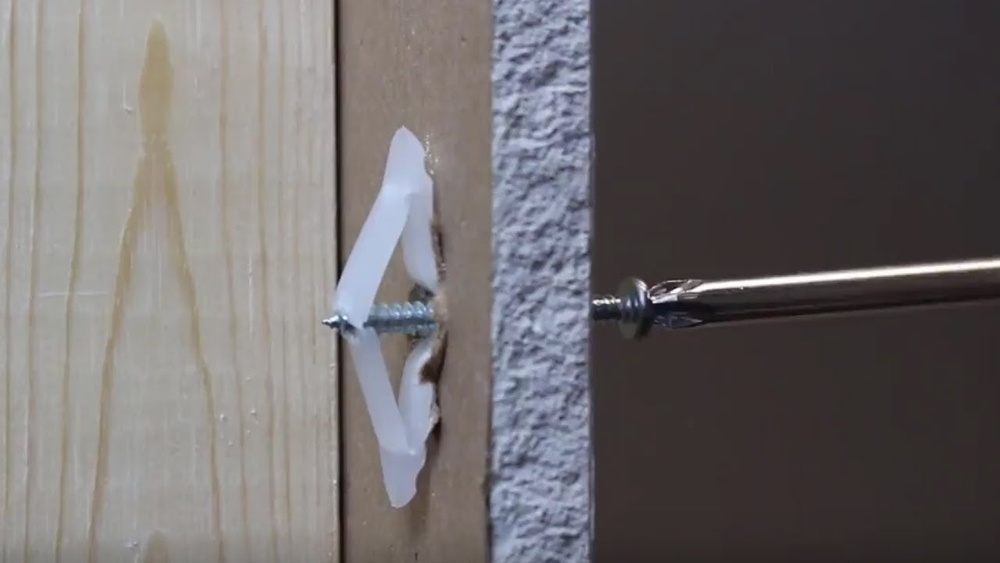
Toggle bolts hold heavy objects well in drywall. They have wings that open behind the wall. This spreads the weight over a large area. Drill a hole big enough for the folded wings. Push the bolt through the hole. The wings open inside the wall. Tighten the bolt to secure the item firmly. Great for shelves, mirrors, and TVs.
Installing Molly Bolts
Molly bolts expand inside the wall for a strong grip. Drill a hole the size of the bolt. Insert the molly bolt and tap it lightly. Tighten the screw to open the anchor’s legs. This locks the bolt in place. Remove the screw and hang your item. Molly bolts work well on drywall and plaster.
Reinforcing With Wall Plates
Wall plates spread the load from heavy items. Attach a sturdy plate to the wall first. Mount the heavy item on the plate. This reduces stress on a single point. Plates are great for large frames or heavy tools. Use screws and anchors made for your wall type. Reinforcement prevents holes and wall damage.
Common Mistakes To Avoid
Anchoring objects on walls might seem easy, but many people make simple mistakes. These errors can cause anchors to fail or walls to get damaged. Avoiding common mistakes ensures strong support and safer walls.
Understanding what not to do saves time and money. It also keeps your items secure. Here are some common mistakes to watch out for.
Overloading Anchors
Using anchors that cannot support the item’s weight is a frequent error. Each anchor has a weight limit. Exceeding this limit can cause the anchor to pull out. Always check the weight rating before use. Do not hang heavy objects on small anchors.
Ignoring Wall Material
Different walls need different anchors. Drywall, plaster, brick, and concrete all require special types. Using the wrong anchor reduces holding power. This mistake often leads to wall damage. Identify your wall type before choosing anchors.
Skipping Safety Precautions
Many skip safety steps like wearing goggles or checking for wires. Drilling blindly can cause injury or electrical hazards. Use a stud finder and avoid drilling near wiring or pipes. Always protect your eyes and hands while working.
Maintaining Anchored Items
Maintaining anchored items on walls ensures they stay secure and safe. Over time, anchors can loosen or weaken. Regular care helps prevent accidents and damage. Checking and adjusting anchors keeps your walls intact. Here are simple ways to maintain anchored items effectively.
Regular Checks For Stability
Check anchored items regularly for any signs of movement. Gently shake or press the item to test its hold. Look for cracks, holes, or loose screws around the anchor. Early detection of problems can stop bigger issues. Mark a schedule to inspect anchors every few months. This habit keeps your walls safe and items secure.
Removing And Reinstalling Anchors
Sometimes anchors need removal or replacement. Unscrew the item carefully to avoid wall damage. Pull out the old anchor with steady pressure or use a tool. Fill any holes with spackle before reinstalling. Let the wall dry fully before adding new anchors. Choose the right anchor type for the new installation. Proper reinstallation restores strong support for your items.

Credit: abutterflyhouse.com
Credit: home.howstuffworks.com
Frequently Asked Questions
What Types Of Anchors Work Best For Drywall?
Plastic expansion anchors and toggle bolts work best for drywall. They provide strong support without damaging the wall. Choose anchors based on the weight and size of the item you want to hang.
How Do I Choose The Right Anchor Size?
Select an anchor size that matches the screw and weight of your object. Larger anchors hold more weight but require bigger holes. Always check the anchor’s weight rating before installation.
Can I Anchor Heavy Items On Plaster Walls?
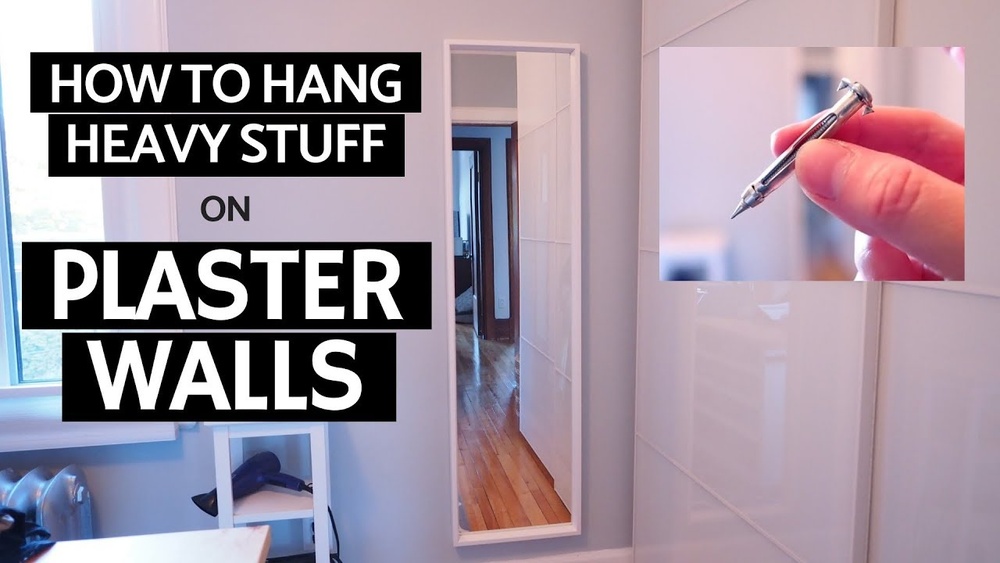
Yes, you can anchor heavy items on plaster walls using toggle bolts or molly bolts. These anchors distribute weight evenly and reduce wall damage. Be sure to drill a pilot hole first.
Should I Use Anchors In Brick Or Concrete Walls?
Use masonry anchors like sleeve anchors or concrete screws for brick or concrete walls. They provide secure fastening and resist heavy loads. Always use a hammer drill with a masonry bit for proper installation.
Conclusion
Anchoring things on walls keeps your items safe and stable. Use the right anchor for your wall type and weight. Drill carefully and follow simple steps for best results. This helps prevent damage and keeps your space neat. Practice makes it easier each time you hang something.
Take your time and stay patient. You will feel confident and proud of your work. Now, your walls can hold shelves, pictures, and more securely.