You want to hang something on your wall, but you don’t have a drill or don’t want to make holes. It can feel frustrating and limiting.
What if you could install a hook quickly and easily without any noise, dust, or damage? Imagine adding a hook that holds your items securely, all without a drill or complicated tools. You’ll discover simple, effective ways to install hooks on your wall that anyone can do.
Keep reading, and you’ll learn how to transform your space with confidence and ease.
Choose The Right Hook
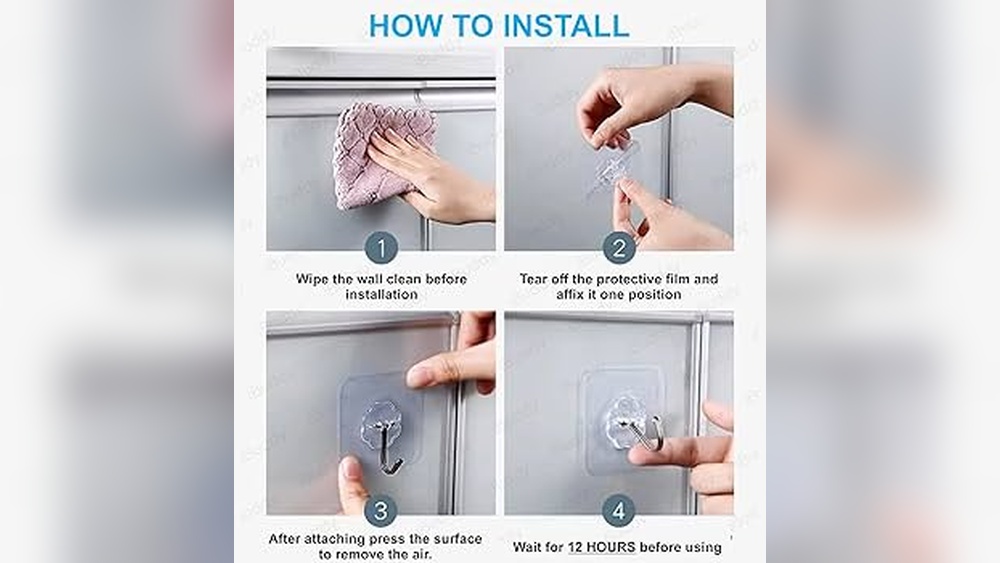
Preparing the wall surface is the first step to install a hook without a drill. It ensures the hook sticks well and holds weight safely. Taking time here helps avoid damage or the hook falling off later. Follow these simple steps to get your wall ready.
Clean And Dry The Area
Start by cleaning the spot where the hook will go. Use a cloth and mild soap to remove dust, grease, or dirt. Dirt makes the hook less sticky. After cleaning, dry the area completely. Moisture can stop the adhesive from sticking properly.
Check Wall Material Compatibility
Not all walls work well with adhesive hooks. Check if your wall is smooth and hard. Paint, tile, glass, or metal surfaces usually work best. Avoid rough, porous, or wallpapered walls. These surfaces may not hold the hook firmly. Knowing your wall type helps choose the right hook and avoids damage.
Prepare The Wall Surface
Using adhesive hooks is a simple way to hang items without drilling holes in your walls. These hooks stick directly to the surface and hold light to medium-weight objects. They work well on smooth, clean walls and are easy to remove later without damage.
Selecting The Best Adhesive Hook
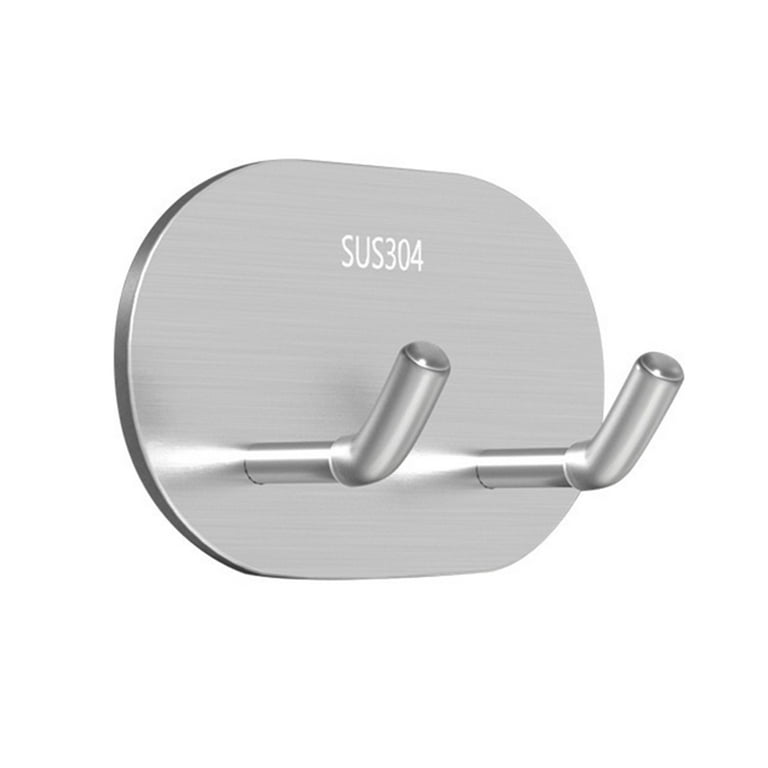
Choose a hook based on the weight you want to hang. Check the package for weight limits. Plastic hooks are good for light items like keys or small pictures. Metal hooks hold heavier items like coats or bags. Pick a hook with strong adhesive backing. Clear or white hooks blend well with most walls.
Step-by-step Adhesive Hook Application
Start by cleaning the wall area with rubbing alcohol. Let it dry completely. Peel off the hook’s backing carefully. Press the hook firmly onto the wall. Hold it for about 30 seconds to secure it. Wait at least one hour before hanging anything. This gives the adhesive time to set.
Tips For Maximum Adhesion
Apply hooks only on smooth, dry surfaces. Avoid textured or rough walls. Do not apply on wallpaper or freshly painted walls. Keep the room temperature moderate during application. Avoid touching the sticky part with your fingers. For better hold, press the hook down again after a few minutes.
Use Adhesive Hooks
Try Command Strips to hang hooks without drilling holes in walls. They stick well and hold weight firmly. Perfect for renters or anyone avoiding wall damage.
Command Strips offer a clean, easy solution. No tools needed, just peel and stick. They work on many surfaces like painted walls, tiles, and wood.
Types Of Command Strips
Command Strips come in various types for different weights and surfaces. Basic strips hold light items like keys or small decorations. Heavy-duty strips support heavier objects like coats or bags. Picture hanging strips are designed for frames and artwork. Choose strips based on what your hook will hold.
Proper Application Techniques
Clean the wall surface with rubbing alcohol before applying strips. Avoid oily or dusty spots. Press the strip firmly on the wall for 30 seconds. Attach the hook to the strip and press again. Wait one hour before hanging items for best hold.
Removing Command Strips Without Damage
To remove, hold the hook and pull the strip’s tab slowly downwards. Stretch the strip straight down along the wall. Do not pull it outward or at an angle. This prevents paint peeling or wall damage. Removing strips is simple and leaves no marks.
Credit: blog.kwikhang.com
Try Command Strips
Magnetic hooks offer a simple way to hang items without drilling holes. They use strong magnets to stick to metal surfaces. These hooks are easy to move and reuse. They keep walls safe from damage. Perfect for renters or those who want quick changes.
Magnetic hooks work well for light to medium items. They come in many sizes and strengths. Use them to hang keys, small tools, or kitchen utensils. They help organize spaces without a mess.
Suitable Wall Types For Magnetic Hooks
Magnetic hooks stick only to metal surfaces. They work best on steel or iron walls. Metal doors, cabinets, and refrigerators are perfect spots. They will not stick on wood, drywall, or brick walls. For these surfaces, other hook types are needed.
Check if your wall has a metal layer before using magnetic hooks. Thin metal sheets hold magnets better than thick ones. Smooth surfaces give the best grip. Avoid rusty or uneven metal as magnets may slip.
Strength And Usage Considerations
Magnet strength varies by size and material. Choose hooks with a pull force that fits your needs. Small magnets hold light items like keys or kitchen towels. Larger magnets can hold heavier tools or bags.
Do not overload magnetic hooks. Heavy items may cause them to fall. Test the hook with the item before full use. Keep the magnet clean for better holding power. Dust and dirt reduce magnet strength.
Magnetic hooks work best indoors. Avoid using them in wet or humid places. Moisture can weaken the magnet over time. Use plastic covers to protect the magnet if needed.
Utilize Suction Cup Hooks
Installing hooks without a drill is easy with alternative hanging methods. These options save your walls and still hold your items securely. They work well for renters or anyone avoiding damage. Explore simple ideas that use everyday items or special tools.
Tension Rods And Over-the-door Hooks
Tension rods fit tightly between two walls or inside door frames. They hold lightweight items like scarves or towels. No nails or screws needed. Just twist the rod to fit snugly.
Over-the-door hooks hang on top of doors. They provide extra space for coats, bags, or hats. They are easy to move and don’t leave marks. Great for rooms without wall space.
Using Furniture Or Fixtures For Support
Furniture edges offer natural spots to hang hooks. Chair backs, shelves, or bed frames work well. Use adhesive or clip-on hooks for these surfaces.
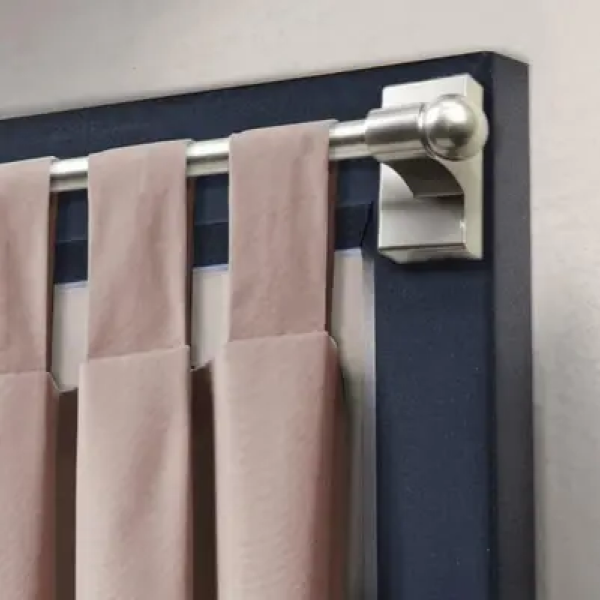
Fixtures like curtain rods or pipes also hold hooks. Hang items without touching the wall. This method keeps your walls clean and your things organized.
Credit: www.walmart.com
Credit: vixencomposites.com
Frequently Asked Questions
How Can I Install A Hook Without Using A Drill?
You can use adhesive hooks, suction cups, or tension rods. These options avoid drilling and work well on smooth surfaces like tiles or glass.
What Are The Best Hooks For Walls Without Drilling?
Adhesive hooks with strong glue or removable strips are ideal. They hold light to medium weight items without damaging walls.
Will Hooks Without Drills Damage My Wall?
No, if you choose the right hooks like adhesive or suction types. They leave minimal or no marks and are easy to remove.
How Much Weight Can No-drill Hooks Hold?
Most no-drill hooks support between 1 to 5 pounds. Check packaging for weight limits to avoid damage or falling items.
Conclusion
Installing a hook without a drill is simple and fast. Use the right tools and follow steps carefully. Choose hooks that fit your wall type and weight needs. Test the hook gently to ensure it holds well. This method saves time and avoids damage to walls.
Try these tips to hang items safely and neatly. Enjoy your organized space without extra work or noise.