Are you thinking about updating your kitchen or bathroom cabinets and wondering if zinc cabinet hardware is a good choice? You might have heard mixed opinions about it, and that’s completely normal.
But how bad is zinc cabinet hardware really? Could it affect the look, feel, or durability of your cabinets? You’ll discover the truth behind zinc hardware—what works, what doesn’t, and what you should watch out for. Keep reading to make sure your next home upgrade is one you’ll love for years to come.
Zinc Cabinet Hardware Basics
Zinc cabinet hardware is a popular choice for many homes. It offers a balance of strength and style. Many people choose zinc for drawer pulls, knobs, and hinges. Understanding zinc hardware helps in making smart decisions for your cabinets.
Knowing what zinc is made of and where it is used can clear up common questions. This section covers the basics of zinc cabinet hardware.
Common Uses In Cabinets
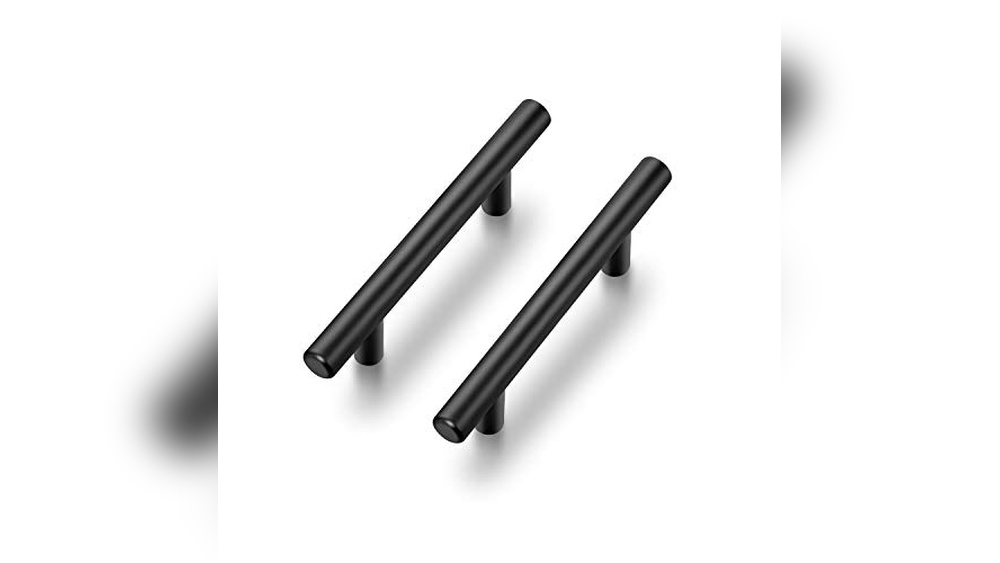
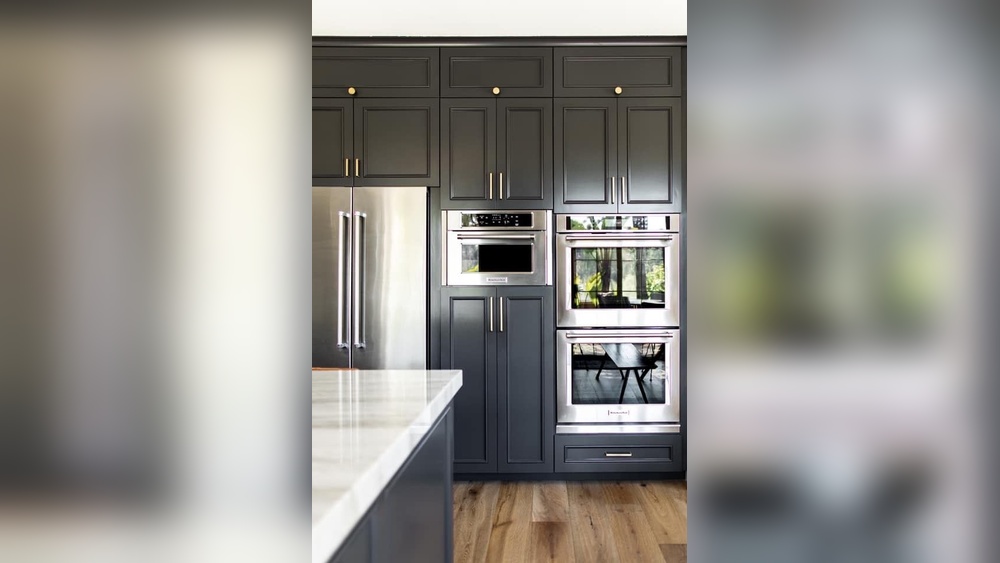
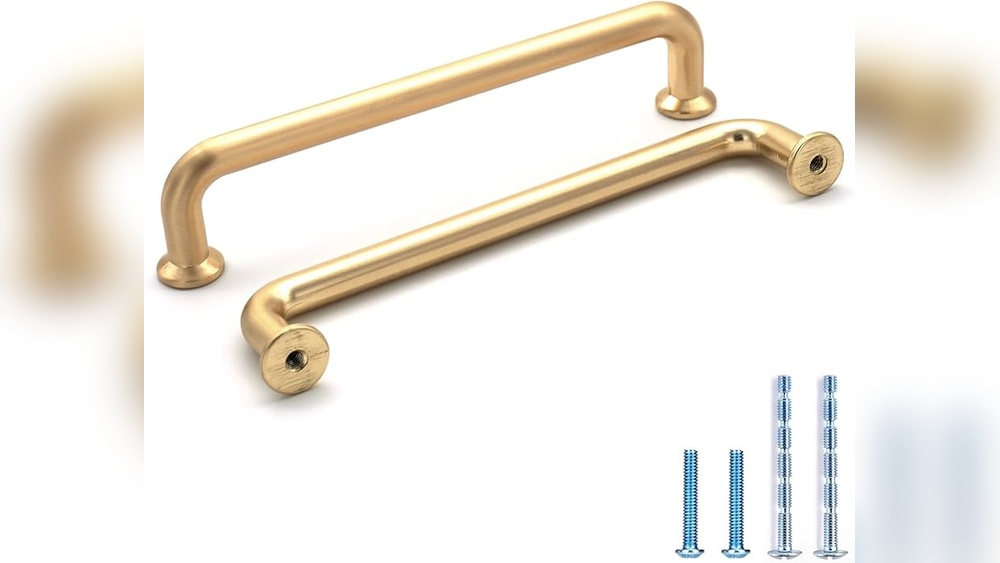
Zinc hardware fits well in kitchens and bathrooms. It often appears as drawer pulls and cabinet knobs. Zinc is also used for hinges and backplates. Its look matches many cabinet styles, from modern to classic. Zinc hardware adds a subtle shine without being too bright.
It works well in places that need regular use but not heavy stress. Zinc is a good choice for light to medium traffic areas in the home.
Material Composition
Zinc hardware is mostly made from a metal called zinc alloy. This alloy mixes zinc with small amounts of other metals like aluminum and copper. The mix makes the hardware stronger than pure zinc. It also helps resist rust and wear.
Manufacturers often coat zinc hardware with finishes like chrome or nickel. These finishes protect the metal and improve the look. Zinc hardware feels solid and durable, but it is lighter than steel or iron.
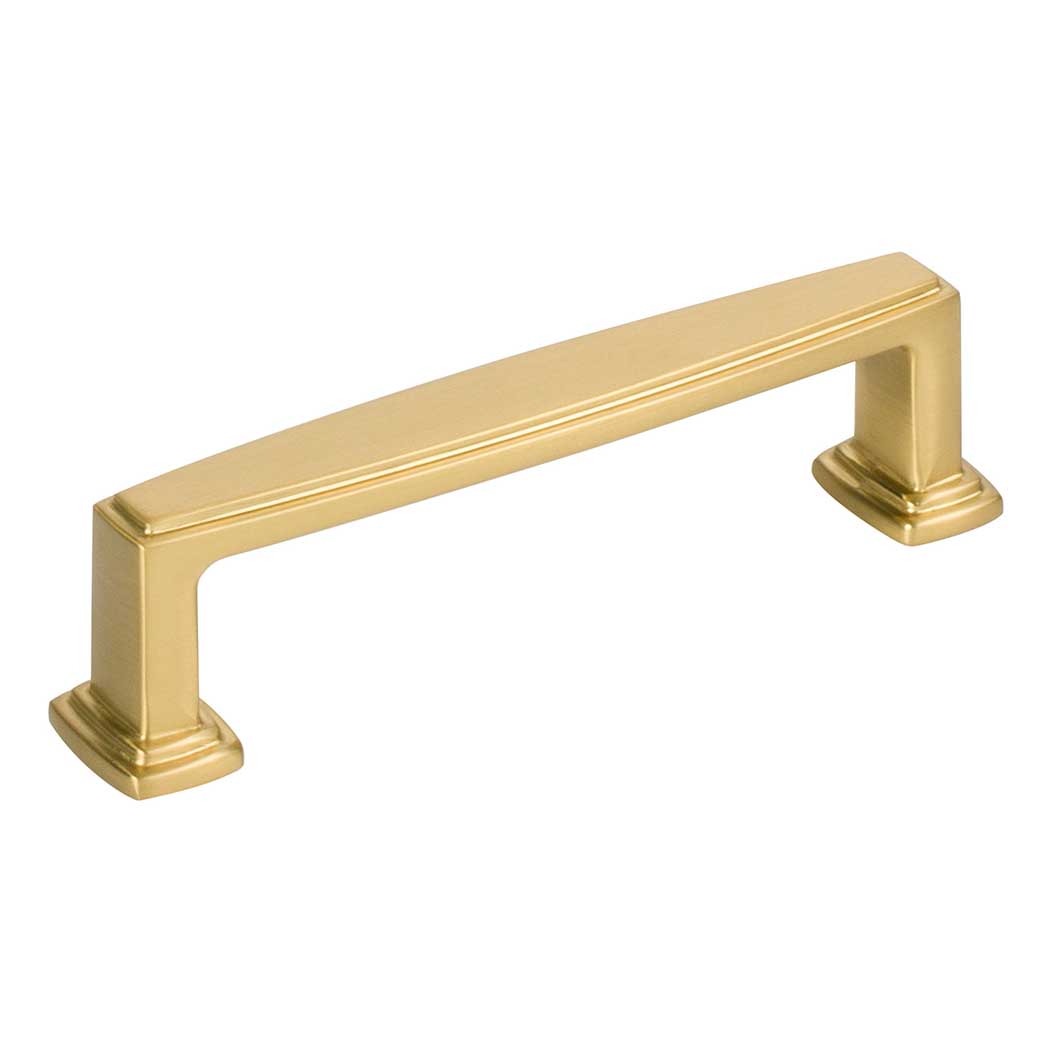
Credit: www.martellhardware.com
Durability Concerns
Zinc cabinet hardware often raises questions about its durability. It is important to understand how well these materials hold up over time. This section explores common durability concerns to help you decide if zinc hardware fits your needs.
Wear And Tear Over Time
Zinc hardware can show signs of wear faster than other metals. Continuous use may cause scratches and dents. The surface finish might fade or peel after some years. This can affect the overall look of your cabinets. For heavy-use areas, zinc might not last as long.
Susceptibility To Corrosion
Zinc is prone to corrosion in moist or humid environments. Rust spots can develop if the protective coating wears off. This reduces the hardware’s strength and appeal. Proper sealing and maintenance can slow down corrosion. Still, zinc is less resistant than stainless steel or brass.
Health And Safety Risks
Zinc cabinet hardware is common in many homes. It looks good and is affordable. But there are some health and safety risks. Understanding these risks helps you make smart choices for your home.
Exposure to zinc in certain forms and amounts can be harmful. It is important to know how this exposure happens and what effects it might have.
Potential Toxicity
Zinc is an essential mineral for the body in small amounts. Too much zinc, especially from metal dust or fumes, can be toxic. High zinc levels can cause nausea, vomiting, and stomach pain. Long-term exposure to zinc dust may harm the lungs and cause breathing problems. Zinc metal in solid form, like cabinet hardware, is generally safer but can still pose risks if damaged or corroded.
Exposure Scenarios
Exposure to zinc from cabinet hardware is rare but possible. Handling old or corroded zinc hardware might release small particles. Dust from sanding or cutting zinc parts can be inhaled or swallowed. Children might chew on zinc-coated handles, risking ingestion. People with allergies may have skin reactions after contact. Proper ventilation and care reduce these risks significantly.
Environmental Impact
Zinc cabinet hardware is common in many homes. It looks good and costs less than other metals. Yet, it has some effects on the environment. Understanding these effects helps buyers make better choices. This section explains how zinc hardware impacts the earth.
Production Footprint
Making zinc hardware uses mining and energy. Mining zinc can harm land and water. It often causes soil erosion and water pollution. Factories use a lot of electricity and water. These processes release carbon dioxide, a greenhouse gas. This adds to global warming. The production stage leaves a notable carbon footprint.
Disposal Issues
Zinc hardware does not break down quickly in nature. When thrown away, it can stay in landfills for years. Zinc can leach into soil and water, causing pollution. Recycling options exist but are not always used. Many old zinc products end up as waste. This adds to environmental problems over time.
Comparing Alternatives
Choosing the right cabinet hardware affects your home’s look and durability. Zinc cabinet hardware has pros and cons, but other metals offer different benefits. Comparing these materials helps pick the best fit for your needs and style. Let’s explore how steel, brass, and aluminum stack up against zinc hardware.
Steel Vs. Zinc Hardware
Steel hardware is strong and lasts long. It resists dents and scratches better than zinc. Steel often has a modern, sleek look that suits many designs. It also handles moisture well, which prevents rust if coated properly.
Zinc hardware is softer and can bend or chip more easily. It is cheaper but may not hold up in high-use areas. Zinc can corrode over time, especially in humid places. Still, zinc offers many styles and finishes for budget-friendly projects.
Brass And Aluminum Options
Brass hardware has a warm, classic look. It resists corrosion and stays shiny with little care. Brass is softer than steel but harder than zinc, giving a good balance of strength and style.
Aluminum hardware is very light and easy to handle. It does not rust and works well in wet environments. Aluminum is softer than steel but stronger than zinc. It often comes in many colors and finishes, adding design flexibility.
Cost Vs. Quality
The debate over zinc cabinet hardware often centers on cost versus quality. Many shoppers want to know if cheaper zinc options are worth it. Price matters, but quality impacts durability and appearance. Choosing the right balance saves money and prevents future headaches. Let’s explore how zinc hardware measures up in price and long-term value.
Price Differences
Zinc hardware usually costs less than brass or stainless steel. This makes it attractive for budget projects. Prices vary depending on design and finish. Simple zinc pulls can be very affordable. Complex or coated pieces may cost more. Still, zinc remains a cost-effective choice for many homeowners.
Lower price often means less durability. Some zinc hardware can chip or fade faster. That may lead to more replacements over time. Buyers should weigh initial cost against expected lifespan. Cheap zinc may save money now but cost more later.
Long-term Value
Quality zinc hardware can last many years if cared for properly. It resists rust better than some metals. Zinc alloys offer decent strength for daily use. Still, it is softer than steel or brass. This can cause scratches or dents in heavy-use areas.
Long-term value depends on use and maintenance. Zinc hardware suits light to moderate use well. It’s a smart choice for decorative or guest spaces. For kitchens or bathrooms, stronger metals may pay off. Investing in better quality zinc or alternative metals improves durability. This reduces the need for frequent replacements.
Maintenance Tips
Maintaining zinc cabinet hardware keeps it looking good and lasting longer. Proper care stops damage and saves money over time. Simple steps can protect your hardware from dullness and corrosion. Here are easy tips to clean and protect zinc hardware.
Cleaning Zinc Hardware
Use a soft cloth to wipe zinc hardware regularly. Avoid harsh chemicals that can damage the surface. Warm water with mild soap works best for cleaning. Gently scrub with a soft brush if dirt is stuck. Dry the hardware fully to stop water spots and rust.
Preventing Damage
Keep zinc hardware away from moisture and harsh cleaners. Avoid using abrasive pads that can scratch the finish. Use protective coatings like clear wax or sealant for extra defense. Tighten screws carefully to avoid bending or breaking parts. Handle hardware gently to keep it strong and shiny.

Credit: www.amazon.com
When To Avoid Zinc Hardware
Zinc cabinet hardware has many benefits but also some limits. Knowing when to avoid zinc hardware helps you choose the right material. Some situations make zinc less ideal for your cabinets. These cases could cause damage or reduce the hardware’s life.
Suitability For Humid Areas
Zinc hardware can corrode in high moisture. Bathrooms and kitchens with poor ventilation are risky spots. Over time, zinc may develop rust or discoloration. This affects both look and function. Choosing stainless steel or brass works better here. These materials handle humidity without damage.
High-traffic Cabinet Use
Cabinets used often need strong hardware. Zinc is softer than steel or iron. It may scratch or wear faster with daily use. Heavy doors or drawers can bend zinc handles or knobs. For busy kitchens or offices, pick tougher metals. This avoids frequent replacements and repairs.
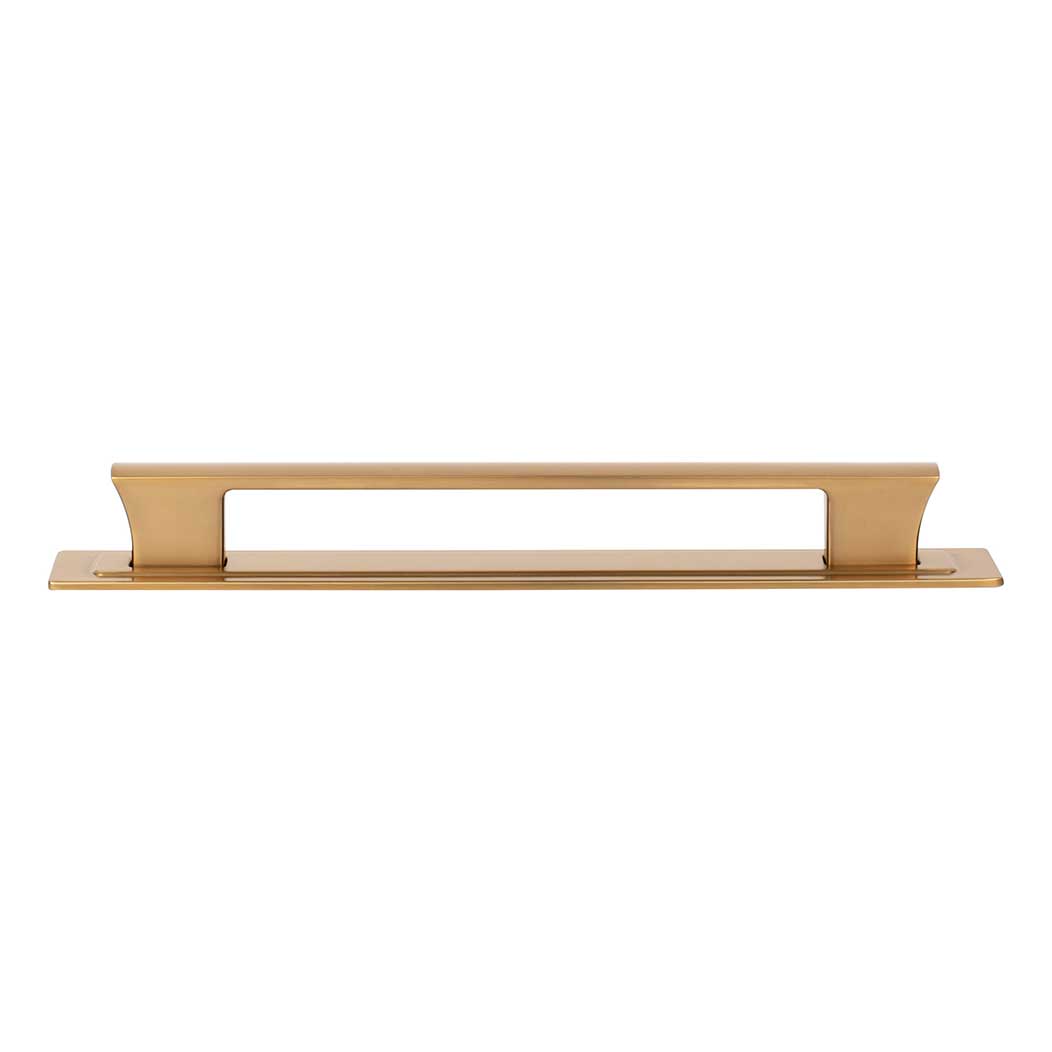
Credit: www.martellhardware.com
Frequently Asked Questions
Is Zinc Cabinet Hardware Durable For Everyday Use?
Zinc cabinet hardware offers moderate durability, suitable for light to medium use. It resists corrosion but may scratch or dent under heavy stress. For high-traffic areas, consider stronger metals like stainless steel or brass for longer-lasting hardware.
Does Zinc Hardware Corrode Or Rust Easily?
Zinc hardware resists rust and corrosion well due to its protective coating. However, in harsh or humid environments, it can develop white oxidation. Regular cleaning and maintenance help preserve its appearance and extend its lifespan.
Are Zinc Cabinet Handles Cost-effective Compared To Other Metals?
Yes, zinc cabinet hardware is generally more affordable than brass or stainless steel. It provides a good balance between cost and appearance, making it a budget-friendly choice for many homeowners.
Can Zinc Hardware Affect Cabinet Aesthetics Over Time?
Zinc hardware maintains its appearance fairly well but may tarnish or dull with age. Regular polishing can restore its shine. It offers a versatile look that fits various design styles but may show wear faster than premium metals.
Conclusion
Zinc cabinet hardware has both benefits and drawbacks. It is affordable and resists rust well. Yet, it can chip or tarnish over time. For short-term use, zinc works fine. Long-term, stronger materials might suit better. Choose based on your budget and needs.
Think about how often you use your cabinets. Quality matters for both looks and durability. Zinc is not the worst option, but not the best either. Weigh the pros and cons before deciding. Your cabinets deserve hardware that lasts and looks good.