Are you sure you can spot the difference between threaded fasteners and other types? Knowing which fasteners are threaded can save you time, prevent mistakes, and make your projects stronger.
You’ll discover the most common threaded fasteners and how to identify them quickly. Stick with us, and by the end, you’ll have the confidence to choose the right fastener every time. Ready to sharpen your skills? Let’s dive in!

Credit: threadedfasteners.com
Common Threaded Fasteners
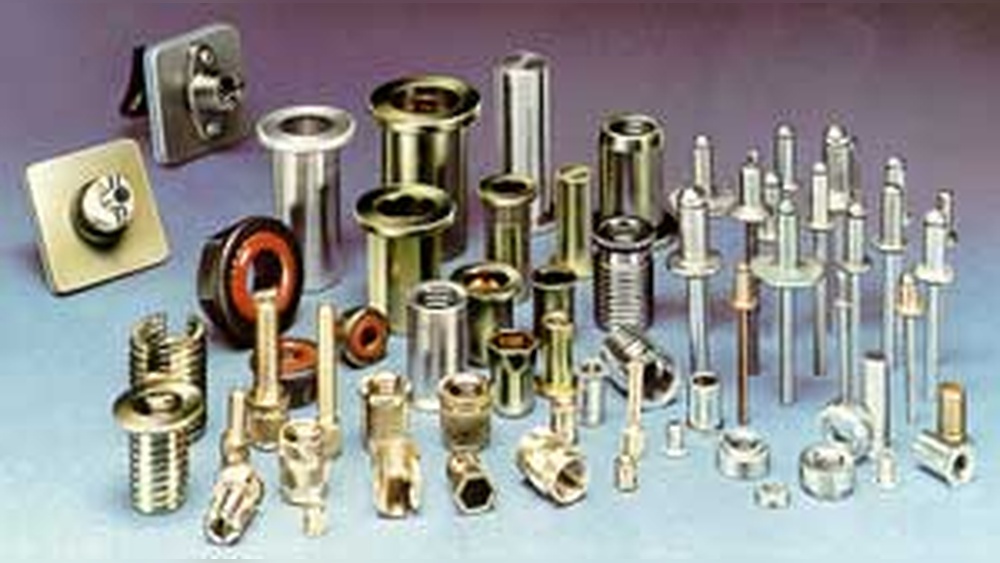
Threaded fasteners are essential in many projects. They hold parts together securely. These fasteners come in different types, each with unique uses. Understanding common threaded fasteners helps in choosing the right one for your task.
Bolts
Bolts are strong fasteners with external threads. They usually require a nut to hold parts. Bolts come in many sizes and shapes. They are ideal for heavy-duty connections. You often see bolts in construction and machinery.
Screws
Screws have threads along their entire length. They often go directly into materials. Screws can fasten wood, metal, or plastic. Many screws have different head shapes for tools. They are easy to install and remove.
Studs
Studs are threaded rods with no head. They screw into a part on one end. The other end holds a nut. Studs create strong, permanent connections. They are common in engines and heavy equipment.
Threaded Rods
Threaded rods are long rods with threads all over. They work like long bolts or studs. You cut them to the needed length. Threaded rods join materials at a distance. They are useful in construction and repair jobs.
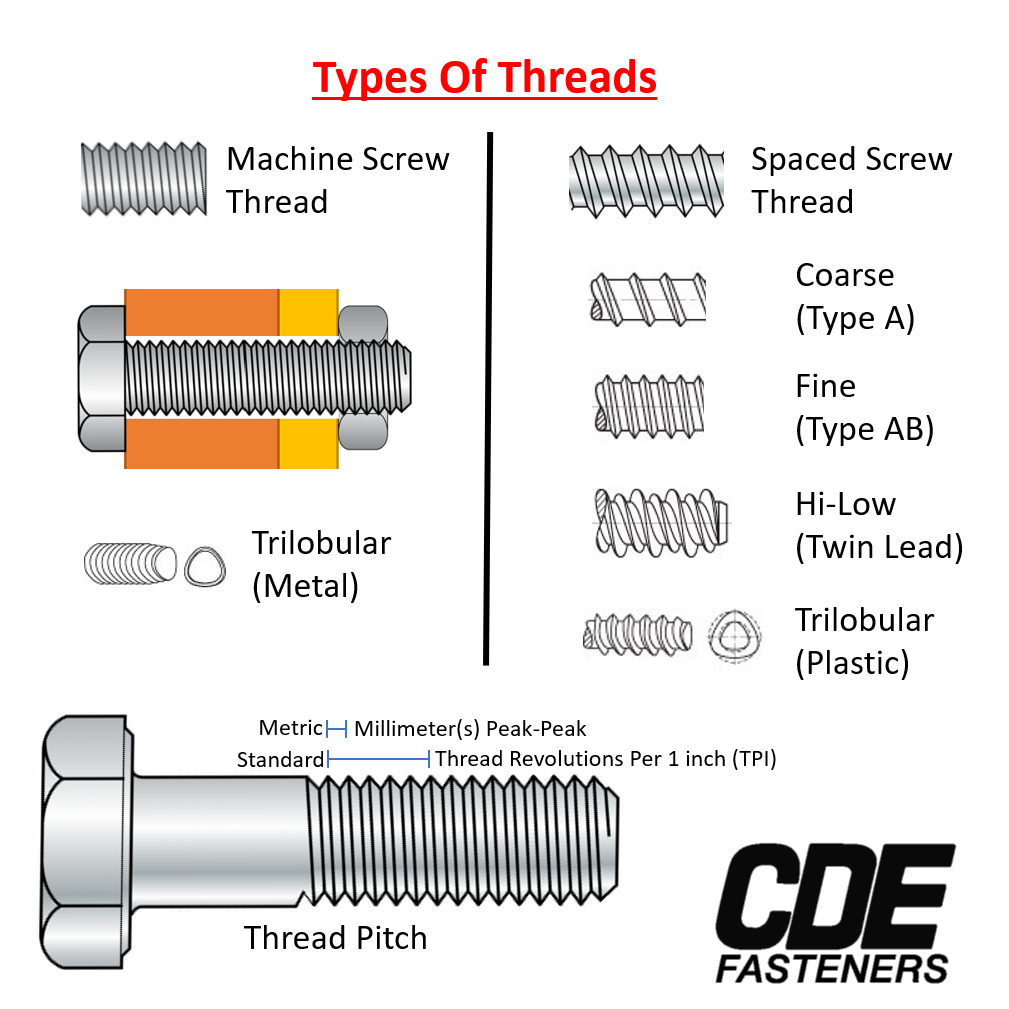
Credit: cdefasteners.com
Types Of Bolts
Bolts are common threaded fasteners used to hold objects together. They come in different shapes and sizes. Each type has a specific use. Understanding these types helps you choose the right bolt for your project.
Hex Bolts
Hex bolts have a six-sided head. They are easy to tighten with a wrench. These bolts work well with nuts and washers. Hex bolts are strong and used in construction and machinery.
Carriage Bolts
Carriage bolts have a round, smooth head. The head has no grip for a wrench. The bolt’s neck is square to stop it from turning. They are often used in wood projects and furniture.
Eye Bolts
Eye bolts have a looped head like an eye. They are great for attaching ropes or cables. Eye bolts provide a secure anchor point. Use them in lifting or hanging applications.
Lag Bolts
Lag bolts are large screws with a hex head. They screw directly into wood without a nut. Lag bolts hold heavy loads in wood structures. They are common in decks and outdoor projects.
Popular Screw Varieties
Screws are one of the most common threaded fasteners used in many projects. They come in different types, each designed for specific materials and tasks. Knowing popular screw varieties helps choose the right one for your work.
These screws differ in shape, thread design, and purpose. Some fit metal parts tightly, while others hold wood pieces firmly. Understanding these varieties makes your work easier and stronger.
Machine Screws
Machine screws have uniform threads along their shaft. They fit into nuts or tapped holes in metal parts. These screws are perfect for precise metal assembly and repair jobs.
They come in many sizes and head styles. Their threads provide a strong, secure hold without damaging the parts.
Wood Screws
Wood screws have coarse threads that grip wood tightly. The thread spacing is wider to hold wood fibers firmly. Their pointed tips help them start easily in wood.
These screws often have a smooth shank near the head. This feature pulls wood pieces together tightly without splitting them.
Sheet Metal Screws
Sheet metal screws have sharp threads that cut into thin metal sheets. They work well without needing a nut. These screws come with different head types for various uses.
They can also fasten plastic and other thin materials. Their strong threads provide a lasting hold on metal surfaces.
Self-tapping Screws
Self-tapping screws create their own threads as they enter material. This removes the need for pre-drilling holes. They are useful for metal, plastic, and wood projects.
These screws save time and effort. Their sharp tips and threads help secure parts quickly and firmly.
Specialty Threaded Fasteners
Specialty threaded fasteners serve unique purposes in construction and machinery. They hold parts firmly in place under tough conditions. These fasteners come in various shapes and designs to meet specific needs. Understanding their types helps in choosing the right fastener for any project.
These fasteners are not the usual nuts and bolts. They have special features that make them ideal for heavy-duty or precise tasks. Let’s explore some common specialty threaded fasteners and their uses.
Anchor Bolts
Anchor bolts secure structures to concrete or masonry. They have threaded ends to attach nuts and washers. They prevent movement by holding objects firmly to the base. Used in building foundations and heavy machinery setup. Anchor bolts provide strong, long-lasting support.
Set Screws
Set screws hold parts together without using nuts. They thread directly into one part and press against another. Common in securing gears or pulleys on shafts. Their small size allows for tight, precise fastening. Set screws help keep machine parts from slipping.
Flange Bolts
Flange bolts have a wide flange under the head. This flange acts like a built-in washer to spread pressure. They reduce the risk of damage to the surface being fastened. Used in automotive and heavy machinery applications. Flange bolts provide secure and even clamping force.
Materials And Finishes
Threaded fasteners come in many materials and finishes. These choices affect strength, durability, and corrosion resistance. Knowing about these options helps pick the right fastener for each job.
Steel And Stainless Steel
Steel is the most common material for threaded fasteners. It offers high strength and good durability. Stainless steel contains chromium, which stops rust and corrosion. It works well in wet or outdoor environments. Stainless steel fasteners last longer but cost more than regular steel.
Brass And Aluminum
Brass fasteners resist corrosion and look good. They work best in decorative or low-stress uses. Aluminum fasteners weigh less than steel and resist rust. Aluminum is softer, so it suits light-duty tasks. Both materials suit specific needs where steel may not fit.
Coatings And Platings
Coatings improve fastener protection and lifespan. Zinc plating prevents rust on steel fasteners. Black oxide adds mild corrosion resistance and a dark finish. Other coatings include chrome, nickel, and phosphate. Each type offers different levels of protection and appearance.
Choosing The Right Threaded Fastener
Choosing the right threaded fastener is important for any project. The correct fastener ensures strength, safety, and durability. Each application needs a specific type of fastener based on several key factors. This section covers the main points to consider before selecting a threaded fastener.
Load Requirements
Consider how much weight or force the fastener must hold. Heavy loads need stronger, thicker fasteners. Small loads can use lighter, thinner fasteners. The material of the fastener also affects its strength. Choose one that can handle the expected load without bending or breaking.
Environmental Factors
The environment affects fastener performance. Outdoor use needs fasteners resistant to rust and corrosion. Wet or salty areas require stainless steel or coated fasteners. For high temperatures, select heat-resistant materials. Proper fastener choice extends the life of your project.
Thread Types And Sizes
Threads come in various shapes and sizes. Coarse threads work well in soft materials. Fine threads provide better grip in hard materials. Match the thread size to the hole or nut size for a tight fit. Use the correct thread type to avoid damage or loosening.

Credit: marshfasteners.com
Frequently Asked Questions
What Are Threaded Fasteners Used For?
Threaded fasteners join materials securely by threading into holes. They provide strong, removable connections in machinery, construction, and electronics. Common types include screws, bolts, and studs. Their threads allow precise tightening, ensuring stability and durability in assemblies.
How To Identify A Threaded Fastener?
Look for visible helical ridges or grooves along the fastener’s shaft. These threads engage with nuts or tapped holes. Threaded fasteners typically include screws, bolts, and studs. Smooth or unthreaded fasteners like pins or rivets are not threaded fasteners.
Are Bolts Considered Threaded Fasteners?
Yes, bolts are a primary type of threaded fasteners. They have external threads designed to fit into nuts or threaded holes. Bolts provide strong mechanical fastening in various applications, from automotive to construction, ensuring components stay securely joined.
What Is The Difference Between Screws And Bolts?
Screws generally thread directly into materials, while bolts require nuts. Screws often have tapered ends; bolts usually have flat ends. Both are threaded fasteners but serve different fastening methods depending on the application and material type.
Conclusion
Threaded fasteners hold parts tightly together. They include screws, bolts, and studs. Each has ridges called threads that grip materials. These fasteners come in many sizes and shapes. Choosing the right type helps ensure strong connections. Knowing their features makes work easier and safer.
Keep these points in mind for your projects. Understanding threaded fasteners helps you build with confidence. Simple tools and parts can create sturdy results.