Have you ever wondered how everything from your furniture to your car stays firmly together? The answer lies in something simple but powerful: mechanical fasteners.
These small devices play a huge role in keeping objects secure and reliable. If you want to understand what mechanical fasteners are and why they matter to your daily life, you’re in the right place. By the end of this article, you’ll see how these tiny components hold the world around you in place—and why knowing about them can make a big difference in your projects and repairs.
Keep reading to unlock the secrets of mechanical fasteners!
Credit: www.visionalloys.com
Basics Of Mechanical Fasteners
Mechanical fasteners are simple tools used to join two or more objects together. They hold parts tightly to make structures strong and stable. These fasteners come in many shapes and sizes. Each type has a specific way to connect materials. Understanding the basics helps choose the right fastener for any task.
Fasteners are common in everyday items and large machines. They allow easy assembly and disassembly. This makes repairs and adjustments quick and efficient. Learning about their types, materials, and how they work reveals their importance in building and fixing.
Types Of Mechanical Fasteners
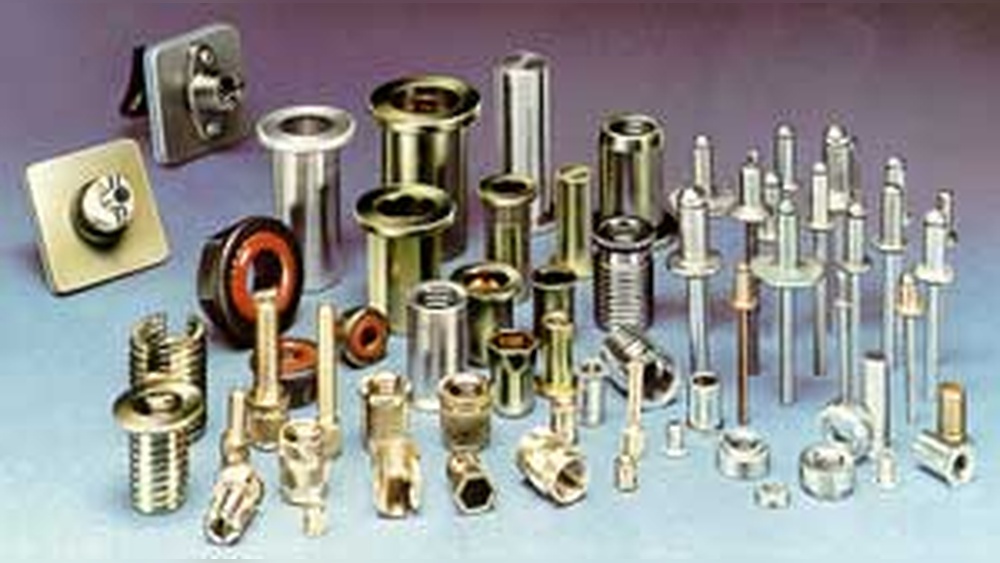
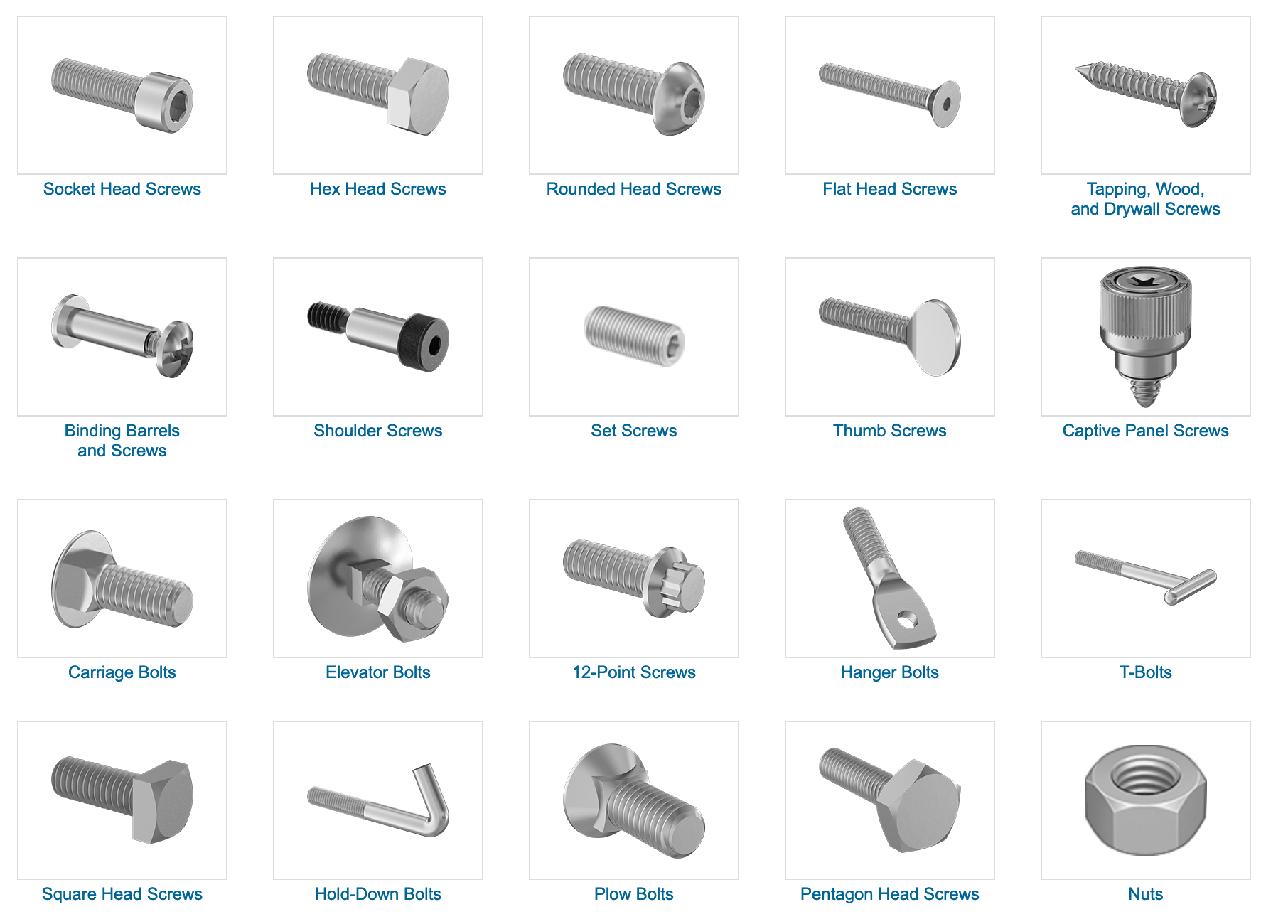
There are many types of mechanical fasteners. Screws, bolts, and nuts are very common. Nails and rivets also join materials tightly. Washers spread the load and protect surfaces. Clips and clamps hold parts without damage. Each type fits certain jobs and materials.
Common Materials Used
Fasteners are made from strong materials. Steel is popular for its strength and durability. Stainless steel resists rust and lasts longer outdoors. Brass and aluminum are lightweight and resist corrosion. Plastic fasteners are useful for light loads and non-conductive needs.
How Fasteners Work
Fasteners work by pressing parts together. Threads on screws and bolts grip tightly when turned. Nails and rivets hold by piercing and expanding inside the material. Clamps use pressure to keep parts from moving. Proper fastener choice keeps joints secure and safe.

Credit: www.theprocesspiping.com
Popular Fastener Types
Mechanical fasteners hold parts together in machines, buildings, and many products. They come in many types. Each type has a special job. Understanding popular fasteners helps choose the right one for your needs.
Bolts And Screws
Bolts and screws join parts tightly. Bolts need nuts to hold. Screws cut their own threads inside materials. Both provide strong, removable joints. They come in many sizes and shapes.
Nuts And Washers
Nuts fasten onto bolts. They keep parts from loosening. Washers sit under nuts or bolt heads. They spread pressure and stop damage. Washers also help prevent loosening from vibrations.
Rivets And Pins
Rivets join parts permanently. They are hammered or pressed to lock. Pins hold parts together but allow movement. They are easy to remove. Both are simple and reliable fasteners.
Clips And Clamps
Clips hold parts without screws or bolts. They snap on and off easily. Clamps grip parts tightly for a short time. Both are useful for quick assembly or adjustments.
Selecting The Right Fastener
Selecting the right mechanical fastener is key for a strong, lasting connection. The choice depends on many factors. Each factor affects the fastener’s performance and durability. Understanding these points helps you pick the best fastener for your project.
Load Requirements
Consider the amount of force the fastener must hold. Fasteners must handle the weight and pressure safely. Heavy loads need stronger, larger fasteners. Light loads can use smaller, simpler options. Check the load type: tension, shear, or compression. Choose a fastener designed for the specific load.
Environmental Factors
Think about where the fastener will be used. Moist or wet environments need rust-resistant fasteners. Outdoor use may require corrosion protection. High temperatures call for heat-resistant materials. Fasteners should withstand weather and chemicals. This keeps joints strong and safe over time.
Material Compatibility
Match the fastener material with the parts being joined. Different metals can cause corrosion if mixed. Use similar metals or coated fasteners to avoid damage. Consider the hardness of materials. Softer materials need fasteners that do not cause cracks. Proper compatibility extends the life of the assembly.
Size And Thread Considerations
Choose the right size to fit the parts perfectly. The length and diameter must suit the application. Threads must match the receiving hole or nut. Fine threads offer better holding in thin materials. Coarse threads work well in soft or thick materials. Correct size and thread ensure secure fastening without damage.
Credit: www.fusiondesigninc.com
Installation Techniques
Installing mechanical fasteners correctly ensures strong and lasting connections. Proper installation techniques prevent failures and save time during repairs. This section highlights key steps for effective fastener installation.
Tools Needed
Choose the right tools for the job. Common tools include wrenches, screwdrivers, and torque wrenches. Use tools that fit the fastener size exactly. Avoid worn or damaged tools to prevent slipping. Correct tools help apply even force and avoid damage.
Proper Torque Application
Applying the correct torque is crucial for fastener strength. Use a torque wrench to tighten fasteners precisely. Too little torque causes loose joints. Too much torque can strip threads or break fasteners. Follow manufacturer torque specifications for best results.
Common Mistakes To Avoid
Do not overtighten or undertighten fasteners. Avoid cross-threading by aligning fasteners properly. Do not reuse damaged or worn fasteners. Skip cleaning threads before installation. These mistakes lead to weak connections and possible failure.
Maintenance And Inspection
Mechanical fasteners hold parts together in machines and structures. Proper maintenance and inspection keep these fasteners working well. Regular checks help avoid failures and costly repairs. It is important to spot problems early and fix them safely.
Signs Of Wear And Damage
Look for cracks, rust, or bent parts on fasteners. Loose or missing fasteners show a problem. Worn threads or stripped heads reduce holding power. Any unusual noise or movement can signal damage. Early detection stops further harm to the system.
Routine Checks
Inspect fasteners during scheduled maintenance. Use visual checks and simple tools like wrenches. Tighten loose fasteners to the correct torque. Clean fasteners to remove dirt and rust. Keep records of inspection dates and results.
Replacing Fasteners Safely
Remove damaged fasteners carefully without harming parts. Use the right replacement fastener for size and type. Follow manufacturer guidelines for installation. Apply proper torque to avoid over-tightening or loosening. Dispose of old fasteners properly to keep the area safe.
Applications Across Industries
Mechanical fasteners are small but vital parts used to join materials. They hold pieces together firmly and can be removed or adjusted. Various industries depend on these fasteners for strong, reliable connections.
Each industry uses different types of fasteners based on its needs. Fasteners must be durable, easy to install, and fit the materials used. They help improve safety, efficiency, and product quality.
Automotive Uses
Cars and trucks use many mechanical fasteners. Bolts, screws, and rivets hold engine parts and body panels. They keep parts secure during movement and vibrations. Fasteners also help in quick repairs and maintenance.
Construction And Building
Buildings require strong fasteners to join steel, wood, and concrete. Nails, screws, and anchors provide stability to structures. Fasteners support walls, roofs, and floors against wind and weight. They make construction faster and safer.
Electronics Assembly
Small fasteners join circuit boards and components in electronics. Screws and clips hold parts without damaging delicate pieces. They allow easy access for repairs or upgrades. Precision fasteners help keep devices compact and reliable.
Aerospace And Defense
Aircraft and defense equipment need high-strength fasteners. Special bolts and rivets resist extreme forces and temperatures. Fasteners ensure safety and performance in critical conditions. They also help reduce weight while maintaining strength.
Frequently Asked Questions
What Is A Mechanical Fastener Used For?
A mechanical fastener joins two or more objects securely. It ensures stability and strength in assemblies. Common in construction, automotive, and manufacturing industries, fasteners allow easy disassembly and maintenance without damaging parts.
What Are Common Types Of Mechanical Fasteners?
Common mechanical fasteners include screws, bolts, nuts, rivets, and washers. Each type serves specific purposes in holding components together. Selection depends on materials, load requirements, and environmental conditions for optimal performance.
How Do Mechanical Fasteners Differ From Adhesives?
Mechanical fasteners provide a physical bond using threads or clamps. Adhesives create chemical bonds between surfaces. Fasteners offer easy removal and reusability, while adhesives are permanent and suited for smooth, clean surfaces.
Why Are Mechanical Fasteners Important In Engineering?
Mechanical fasteners enable reliable, strong joints essential for safety and durability. They allow easy assembly and repair, reducing downtime. Their versatility supports a wide range of materials and designs in engineering applications.
Conclusion
Mechanical fasteners hold parts tightly and securely. They come in many types like screws, bolts, and nails. Each type fits different jobs and materials. Choosing the right fastener makes a big difference. It helps keep things strong and safe. Understanding mechanical fasteners helps in many projects.
Now you know their basic role and use. Simple tools and fasteners build the world around us.


