Have you ever wondered how things stay firmly connected when you can only access one side? That’s where blind fasteners come into play.
If you’re working on a project or just curious about how hidden joints hold strong, understanding what a blind fastener is can make all the difference. This simple yet powerful tool could change the way you approach fastening tasks. Keep reading, and you’ll discover exactly what blind fasteners are, how they work, and why they might be the perfect solution for your next build.
Blind Fastener Basics
Blind fasteners are simple yet essential tools in many industries. They help join parts where only one side is accessible. This makes them perfect for tight spaces and hidden areas.
They come in many shapes and sizes. Each type serves a different purpose but works on the same basic idea. Understanding the basics helps choose the right fastener for any job.
Definition And Key Features
A blind fastener is a type of mechanical fastener. It installs from one side of a workpiece. No need to reach the back side to secure it.
Key features include ease of use and strong holding power. They save time and effort during assembly. Also, they reduce damage to materials.
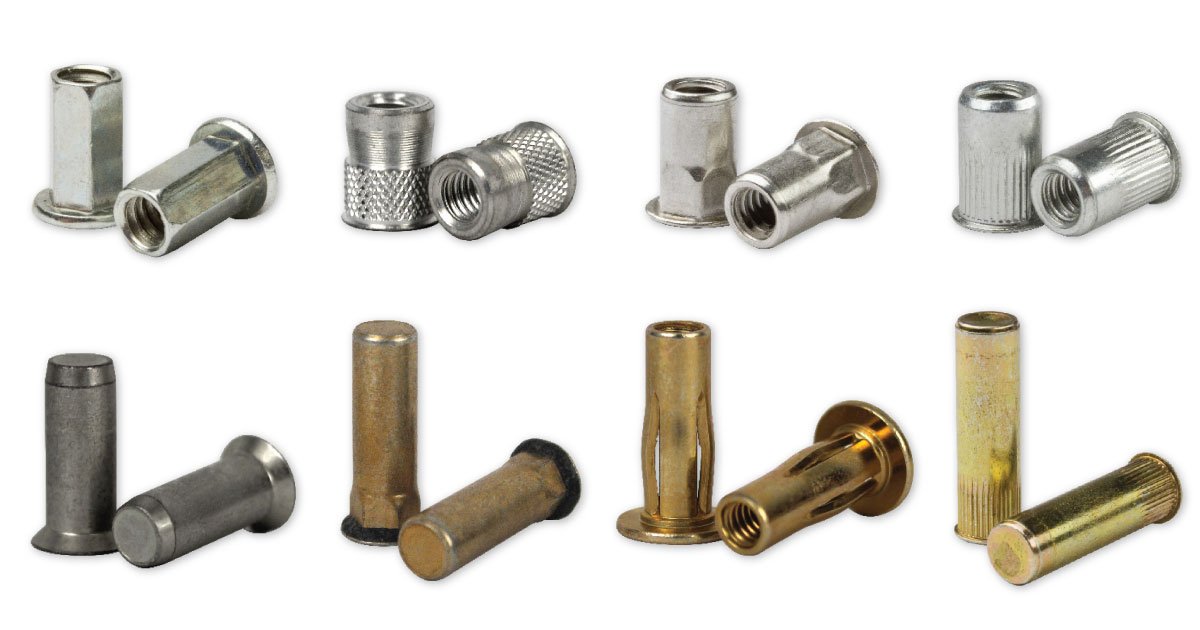
Types Of Blind Fasteners
Common types include blind rivets, blind bolts, and blind screws. Blind rivets are popular for lightweight materials. Blind bolts provide heavy-duty strength. Blind screws offer removability and reuse.
Each type fits different materials and load needs. Choosing the right type depends on the task and environment.
Materials Used
Blind fasteners come in various materials. Aluminum is lightweight and resistant to corrosion. Steel offers high strength and durability. Stainless steel resists rust and works in harsh conditions.
Some fasteners have coatings for extra protection. Material choice affects the fastener’s lifespan and performance.

Credit: www.tjlituo.com
How Blind Fasteners Work
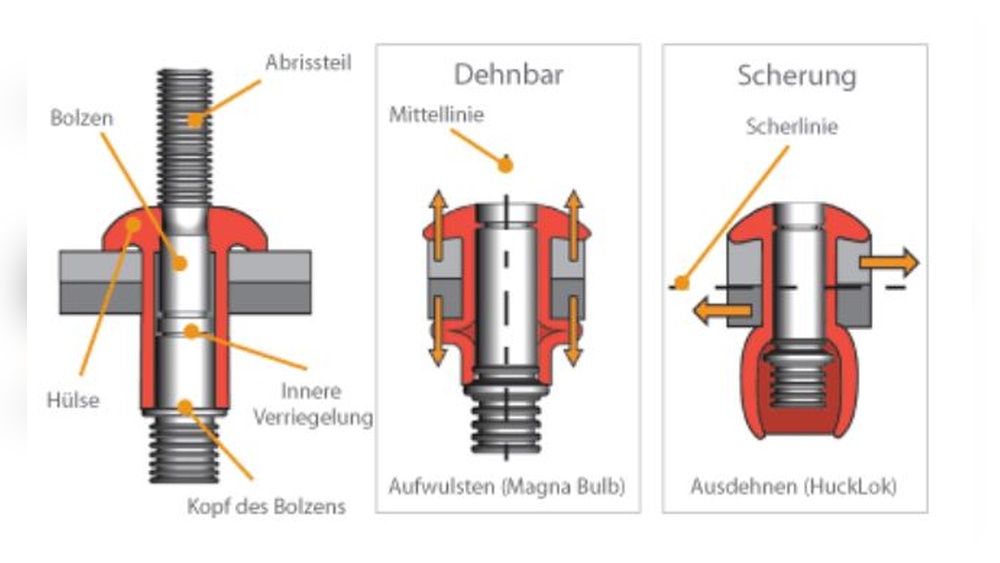
Blind fasteners join materials where only one side is accessible. They work by expanding or locking inside the hole from the blind side. This creates a strong hold without needing access to the far side. The process is quick and efficient.
Installation Process
First, drill a hole through the materials. Insert the blind fastener into the hole. Use a special tool to pull the fastener’s mandrel. This action expands the fastener’s body behind the material. The fastener locks in place, holding the parts tightly together. Finally, the mandrel breaks off and is removed.
Tools Required
You need a blind rivet tool or rivet gun. These tools pull the mandrel to expand the fastener. Some tools are manual, while others are electric or pneumatic. Choose the right tool based on fastener size and job scale. Proper tools ensure a secure and clean installation.
Common Applications
Blind fasteners are popular in automotive and aerospace industries. They fasten panels where only one side is reachable. Also used in construction and electronics for joining thin materials. Their ability to work in tight spaces makes them very useful. They provide strong, reliable joints in many projects.
Advantages Of Blind Fasteners
Blind fasteners offer many advantages for various assembly tasks. They work well in places where access is limited. Their design ensures strong and lasting connections. These fasteners also resist damage from water and chemicals. Plus, they save money by reducing labor and material costs.
Ease Of Use In Tight Spaces
Blind fasteners install from one side only. This feature suits areas with no back access. Workers can fit them in narrow or hard-to-reach spots. Installation is quick and simple. No extra tools or parts are needed behind the surface.
Strength And Reliability
These fasteners create secure joints. They hold parts firmly together under stress. Their design spreads load evenly to avoid damage. Many types meet high strength standards. This makes them ideal for safety-critical applications.
Corrosion Resistance
Blind fasteners often use corrosion-resistant materials. Stainless steel and aluminum are common choices. This helps prevent rust and wear over time. They perform well in wet or harsh environments. Maintenance costs stay low due to durability.
Cost Efficiency
Blind fasteners reduce labor time significantly. Fewer tools and simpler steps lower expenses. They also cut material waste during installation. Long-lasting performance means fewer replacements. These factors combine to save money overall.
Credit: www.huyett.com
Choosing The Right Blind Fastener
Choosing the right blind fastener is key for strong, lasting joints. The fastener must fit the material, handle the load, and resist the environment. This section guides you through important factors to consider. Understanding these points helps pick the best fastener for your project.
Matching Fastener To Material
The fastener should match the material type and thickness. Metals need metal fasteners to avoid corrosion. Thin materials require fasteners that won’t cause damage. Soft materials like plastic need special blind fasteners to prevent cracking. Always check compatibility to ensure a secure fit.
Load And Stress Considerations
Consider the forces the fastener must hold. Heavy loads demand stronger fasteners with higher tensile strength. Vibrations and repeated stress need fasteners that stay tight over time. Choose fasteners designed for shear or tension, based on your needs. Safety depends on the right strength and durability.
Environmental Factors
The environment affects fastener choice. Outdoor use means fasteners must resist rust and moisture. Chemical exposure requires corrosion-resistant materials like stainless steel or coated fasteners. Temperature changes can affect fastener performance. Pick fasteners that withstand your specific environmental conditions.
Industry Applications
Blind fasteners are widely used across many industries. They offer strong, reliable joints where access is limited to one side. Their design makes assembly quicker and easier. This section explores key industries using blind fasteners.
Automotive Use
Blind fasteners hold car parts firmly in place. They join body panels and interior components. These fasteners help reduce vehicle weight. This improves fuel efficiency and safety. Assembly lines benefit from faster, easier installation.
Aerospace Applications
Aircraft require secure, lightweight fasteners. Blind fasteners suit tight spaces in planes. They maintain strength under vibration and pressure. These fasteners support safety and durability. They simplify maintenance and repairs.
Construction And Infrastructure
Blind fasteners connect structural elements quickly. They are ideal for steel frames and bridges. These fasteners resist weather and corrosion. They provide long-lasting, strong joints. Installation saves time and labor costs.
Electronics And Appliances
Small blind fasteners fit delicate electronics. They hold parts inside devices securely. These fasteners prevent damage from vibration. They allow easy access for repairs. Their compact size fits tight spaces well.
Maintenance And Troubleshooting
Maintaining blind fasteners ensures their strength and safety over time. Regular checks help find problems early. Troubleshooting fixes issues before they cause bigger damage.
Common Issues
Blind fasteners can loosen due to vibration or poor installation. Corrosion may occur in wet or salty environments. Sometimes, the fastener might crack or break under heavy load.
Inspection Tips
Look closely for rust or cracks on the fastener surface. Check if the fastener moves or feels loose. Inspect the area around the fastener for damage or wear. Use simple tools like a screwdriver or wrench to test tightness.
Replacement Guidelines
Replace blind fasteners that show signs of damage or looseness. Use the same type and size for proper fit. Clean the hole before installing a new fastener. Tighten the fastener firmly but avoid over-tightening.
Credit: www.blindbolt.com
Frequently Asked Questions
What Is A Blind Fastener Used For?
A blind fastener joins materials where only one side is accessible. It’s ideal for tight spaces and hard-to-reach areas, providing strong, permanent fastening without needing access to both sides of the workpiece.
How Does A Blind Fastener Work?
A blind fastener expands or deforms when installed, creating a secure grip on the blind side. This mechanism ensures a tight hold without requiring access behind the materials being joined.
What Are Common Types Of Blind Fasteners?
Common types include blind rivets, pull rivets, and threaded inserts. Each type suits different materials and applications, offering options for various industries like aerospace, automotive, and construction.
Why Choose Blind Fasteners Over Traditional Fasteners?
Blind fasteners simplify installation where backside access is impossible. They save time, reduce labor costs, and ensure strong, reliable joints in confined or complex assemblies.
Conclusion
Blind fasteners provide strong and reliable connections without access to both sides. They are easy to install and save time in many projects. These fasteners work well in tight spaces and hard-to-reach areas. Choosing the right type ensures durability and safety.
Understanding their use helps in making better decisions for your work. Blind fasteners remain a smart choice for many industries. Simple, effective, and versatile—ideal for your fastening needs.