Are your kitchen cabinet handles looking dull or outdated? You don’t need to replace them to give your kitchen a fresh, new look.
Repainting your cabinet hardware is a simple, cost-effective way to transform your space and make your kitchen feel brand new. In this guide, you’ll discover easy steps to achieve a professional finish—even if you’ve never painted metal before. Ready to take your kitchen style up a notch?
Let’s dive in and get those cabinets shining again!
Gathering Supplies
Before starting to repaint your kitchen cabinet hardware, gathering the right supplies is essential. This step makes the process easier and helps you get a smooth, lasting finish. Having everything ready saves time and prevents interruptions.
Choosing The Right Paint
Pick paint made for metal surfaces. Spray paint works well for small hardware pieces. It covers evenly and dries fast. Choose a paint that resists chipping and fading. Satin or semi-gloss finishes look clean and modern. Avoid flat paint; it can look dull and wear quickly.
Essential Tools Needed
Prepare a few basic tools to make painting easier. Start with screwdrivers to remove the hardware from cabinets. Use sandpaper or a sanding sponge to roughen the surface. This helps paint stick better. Get painter’s tape to protect areas you don’t want to paint. Use a clean cloth to wipe dust and dirt. Have gloves to keep paint off your hands. A well-ventilated space is important for safety while painting.

Credit: www.youtube.com
Removing Hardware
Removing hardware from kitchen cabinets is the first step in repainting. It requires care to avoid damage. Taking your time helps keep everything organized. Proper removal makes the painting process easier and neater.
Organizing Screws And Pieces
Keep screws and small parts together. Use small containers or bags to store them. Label each container with the cabinet or drawer name. This prevents confusion during reassembly. Organized parts save time and reduce stress later.
Tips For Safe Removal
Use the right screwdriver to avoid stripping screws. Turn screws slowly and steadily. Hold the hardware firmly to prevent scratches. Lay removed pieces on a soft cloth. This protects surfaces from damage. Always work gently and patiently.
Cleaning And Preparing
Cleaning and preparing kitchen cabinet hardware is a key step before repainting. It helps paint stick better and last longer. Taking time here saves effort later. Proper cleaning removes dirt and grease that block paint. Smoothing the surface ensures a neat, even finish.
Removing Dirt And Grease
Start by wiping hardware with a damp cloth. Use warm, soapy water to cut through grease. A toothbrush can clean small crevices and corners. Rinse with clean water and dry completely. Avoid oily residues that prevent paint from sticking well.
Sanding For Smooth Finish
Lightly sand hardware with fine-grit sandpaper. This creates a rough surface for paint to grip. Sand all sides evenly, focusing on worn areas. Wipe off dust with a dry cloth after sanding. Smooth hardware helps paint look even and professional.

Credit: porchdaydreamer.com
Priming The Hardware
Priming the hardware is a key step before painting kitchen cabinet handles and knobs. It helps the paint stick better and last longer. Without primer, paint may peel or chip quickly.
Proper priming also creates a smooth base for a clean, even finish. It protects metal or plastic surfaces from rust and damage. Take your time with this step for the best results.
Selecting Primer Types
Choose a primer that suits your hardware material. For metal, use a rust-inhibiting primer. Plastic hardware needs a special plastic primer. These primers improve paint adhesion and durability.
Check the primer label for compatibility with your paint type. Spray primers offer easy, even coverage on small parts. Brush-on primers work well for detailed or textured hardware.
Applying Primer Evenly
Clean hardware thoroughly before priming. Remove dirt and oils to help primer stick. Use light, even coats of primer for smooth coverage.
Avoid thick layers that cause drips or bumps. Let each coat dry fully before adding another. Hold spray cans about 6 to 8 inches away for even misting.
Turn hardware pieces to prime all sides. Proper priming leads to a professional-looking paint job.
Painting Techniques
Painting kitchen cabinet hardware can refresh your kitchen’s look. Using the right techniques ensures a smooth and lasting finish. Choose a method that fits your tools and comfort level. Proper paint application prevents chipping and uneven surfaces. Follow simple steps for great results.
Using Spray Paint Vs. Brush
Spray paint offers a smooth, even coat. It reaches small crevices easily and dries quickly. Spray paint works best outdoors or in a well-ventilated space. Protect nearby surfaces with newspaper or drop cloths.
Using a brush gives more control, especially on small pieces. Choose a high-quality brush to avoid streaks. Brush paint allows layering and touch-ups with ease. It may take longer to dry than spray paint.
Applying Multiple Coats
Applying several thin coats is better than one thick coat. Thin coats dry faster and look smoother. Let each coat dry completely before adding the next. Lightly sanding between coats helps the paint stick well. Multiple coats build a strong, durable finish on hardware.
Drying And Curing
Drying and curing are important steps in repainting kitchen cabinet hardware. They help the paint set well and last longer. Proper drying prevents smudges and chips. Patience here means better results.
Optimal Drying Time
Let the hardware dry in a dust-free place. Most paints need at least 24 hours to dry. Some types, like spray paint, may dry faster. Check the paint label for exact times. Avoid rushing this step to keep the finish smooth.
Avoiding Smudges And Chips
Handle the hardware carefully during drying. Use gloves or hold edges to avoid touching wet paint. Place hardware on a soft cloth or paper towel. Keep pets and children away from the drying area. Avoid stacking pieces until fully cured to prevent damage.
Reinstalling Hardware
Reinstalling kitchen cabinet hardware completes the painting project. It brings your cabinets back to life with a fresh look. Careful reinstallation ensures the hardware fits well and works smoothly. Take time to align and secure each piece properly. This step improves both function and style.
Aligning And Securing
Start by placing each handle or knob in its original spot. Check the holes from the cabinet to match the screws. Hold the hardware firmly against the door or drawer. Insert screws through the back or inside the cabinet. Turn screws slowly to avoid cross-threading.
Use a screwdriver to tighten screws evenly. Do not overtighten, or the hardware might crack or strip. Make sure the hardware sits flat and straight. Check that handles and knobs do not wobble or tilt.
Final Adjustments
Open and close each cabinet door and drawer several times. Notice if the hardware feels loose or hard to grip. Tighten any loose screws a little more if needed. Align handles that seem crooked by loosening and repositioning.
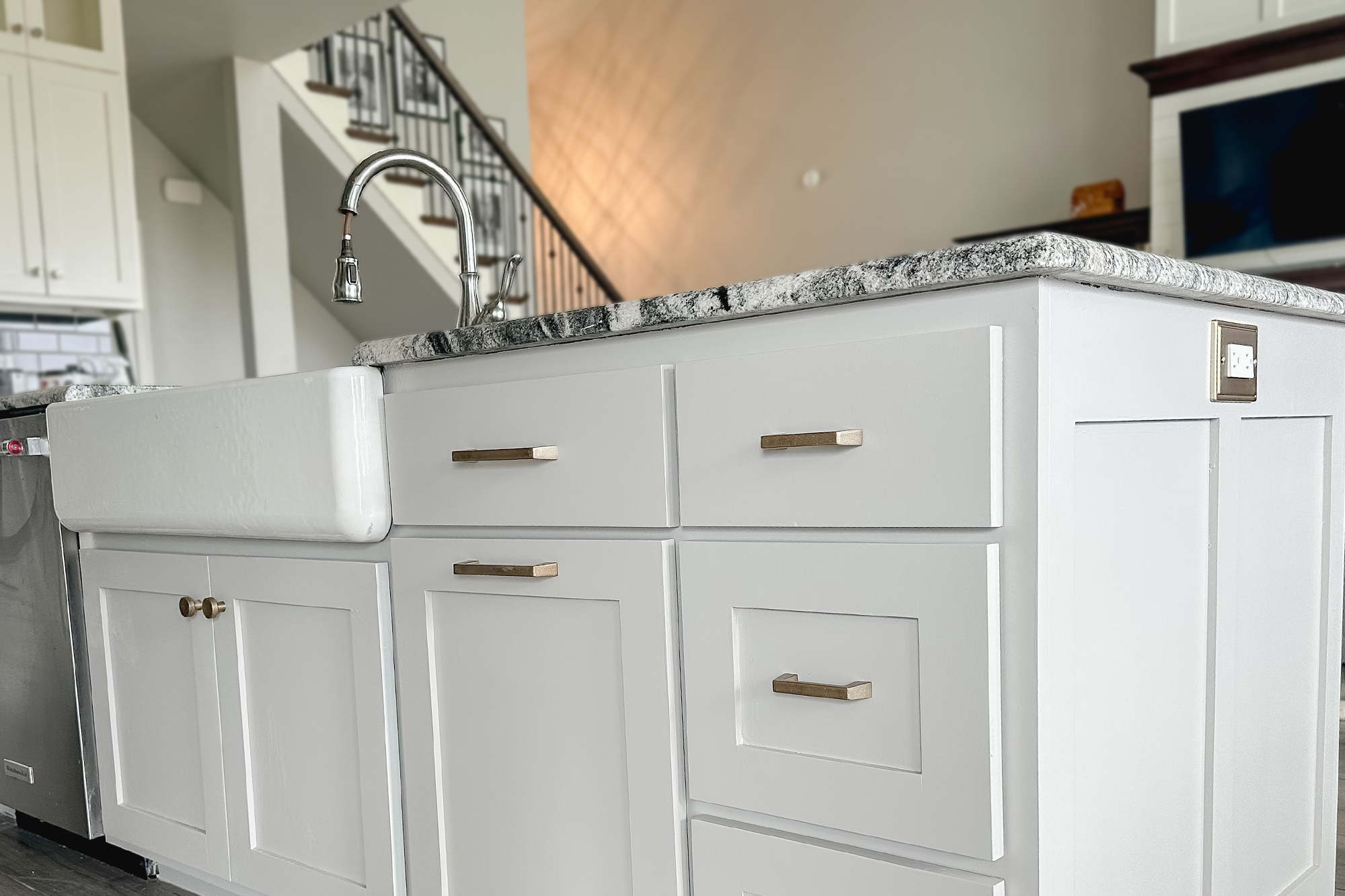
Clean any fingerprints or smudges from the hardware. A soft cloth works best for this task. Step back and view the entire cabinet. Your hardware should look neat and uniform across all doors and drawers.
Credit: www.kilz.com
Maintenance Tips
Maintaining your newly painted kitchen cabinet hardware keeps it looking fresh. Proper care helps the paint last longer and prevents damage. Small efforts now save time and money later. Follow simple steps to clean and fix your hardware easily.
Cleaning Painted Hardware
Use a soft cloth to wipe the hardware regularly. Avoid harsh chemicals that can damage paint. Mild soap and water work well for cleaning. Dampen the cloth slightly and gently clean the surface. Dry the hardware immediately to stop water spots. This routine keeps the paint bright and smooth.
Touching Up Chips
Paint chips can happen from daily use. Keep a small bottle of matching paint nearby. Use a fine brush to apply paint to chipped spots. Apply thin layers to blend with the rest of the hardware. Let each layer dry fully before adding more paint. This touch-up method keeps your hardware looking new.
Frequently Asked Questions
How Do I Prepare Kitchen Cabinet Hardware For Painting?
Clean the hardware thoroughly to remove grease and dirt. Sand lightly to create a smooth surface. Remove any old paint or rust. Use a primer designed for metal to ensure paint adhesion and durability.
What Type Of Paint Is Best For Cabinet Hardware?
Use spray paint formulated for metal surfaces. Choose enamel or acrylic paint for durability and smooth finish. Avoid water-based paints as they may chip easily. Always apply thin, even coats for best results.
How Long Does It Take For Painted Hardware To Dry?
Drying time varies by paint type and conditions. Typically, spray paint dries to touch within 30 minutes. Full curing can take 24 to 48 hours. Avoid handling hardware until completely dry to prevent smudges.
Can I Repaint Hardware Without Removing It From Cabinets?
It’s best to remove hardware before painting. This ensures even coverage and avoids paint on cabinets. Removing hardware also allows better cleaning and sanding for a professional finish.
Conclusion
Repainting kitchen cabinet hardware can refresh your space quickly. Choose the right paint and prepare surfaces well. Take your time to apply paint evenly for best results. Let the hardware dry completely before reinstalling. This small project can change the look of your kitchen without much cost.
Enjoy the new style and feel of your cabinets. Simple steps, great impact. Give your kitchen a fresh look today.