Have you ever wondered what that sticky strip on your shoes or bags is really called? You might know it as Velcro, but is that the official name?
Understanding what a hook and loop fastener is called can make a big difference when you’re shopping, fixing things, or even crafting. You’ll discover the true name behind this handy fastener and why it’s so popular around the world. Keep reading to unlock the secret and learn how knowing this simple term can make your life easier.
Credit: www.bradleyssurplus.com
Hook And Loop Fastener Basics
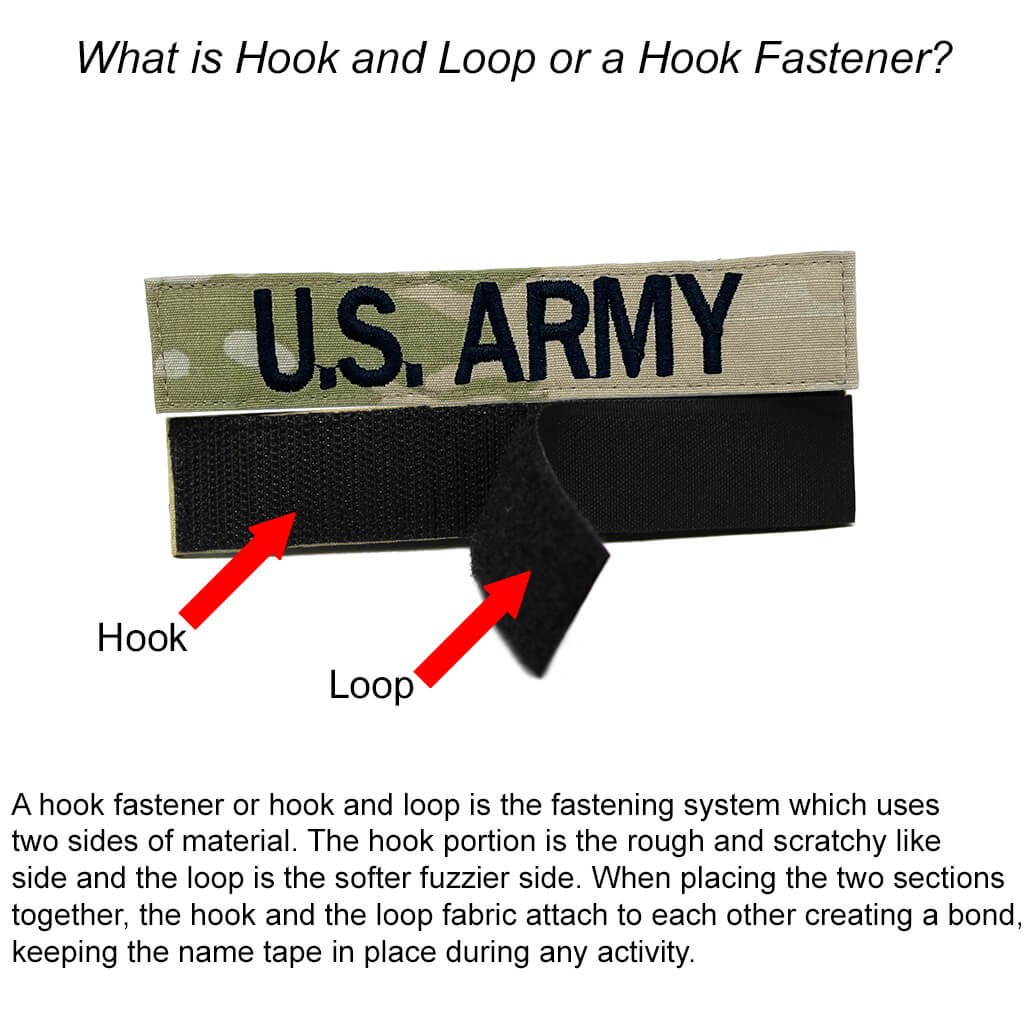
Hook and loop fasteners are simple yet useful tools found everywhere. They stick two surfaces together without sewing or glue. These fasteners are easy to open and close many times. They help keep things neat and secure with little effort.
People use hook and loop fasteners in clothes, shoes, bags, and even in home and office items. The design is smart and practical. It works by connecting tiny hooks to small loops. This connection holds tightly but can be pulled apart when needed.
How It Works
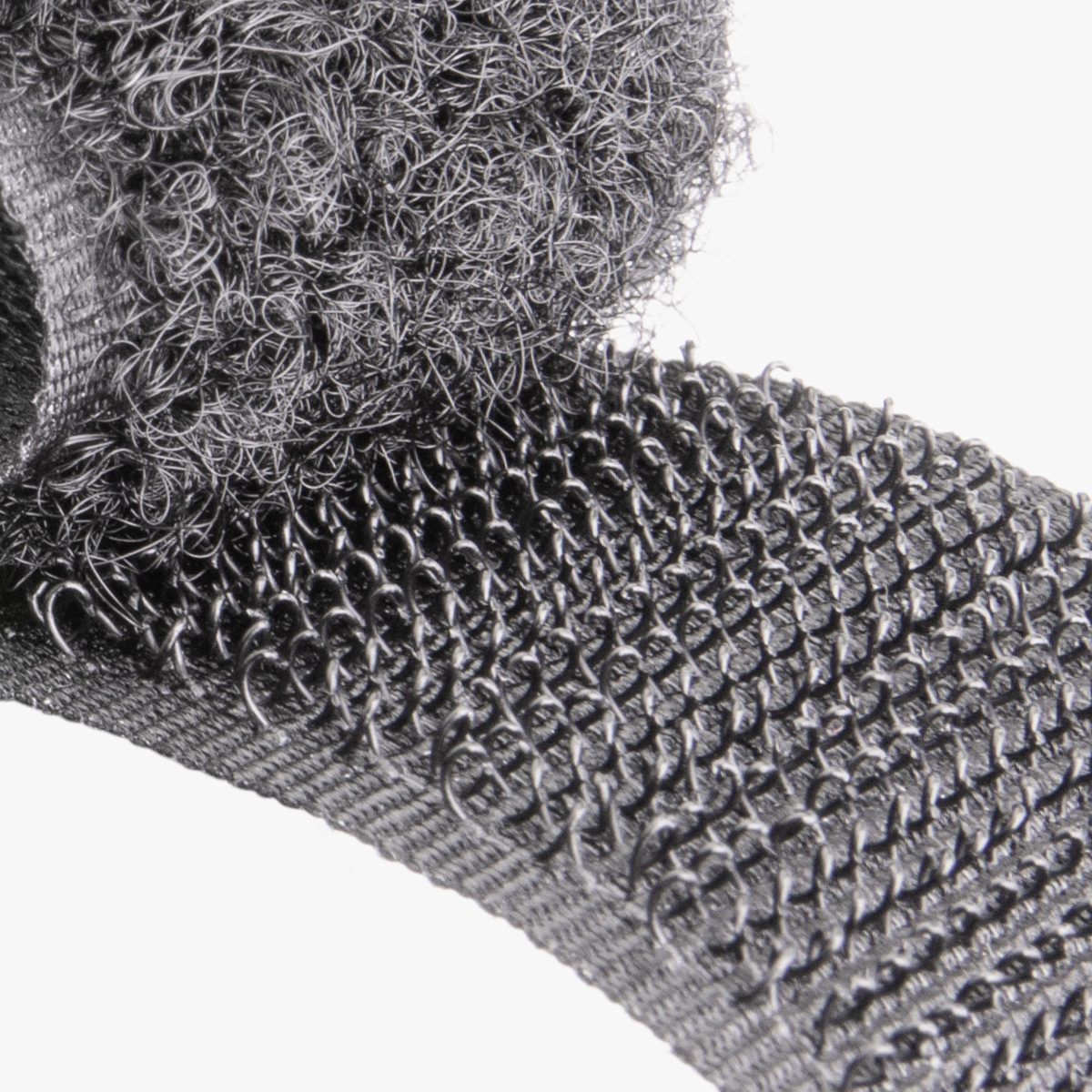
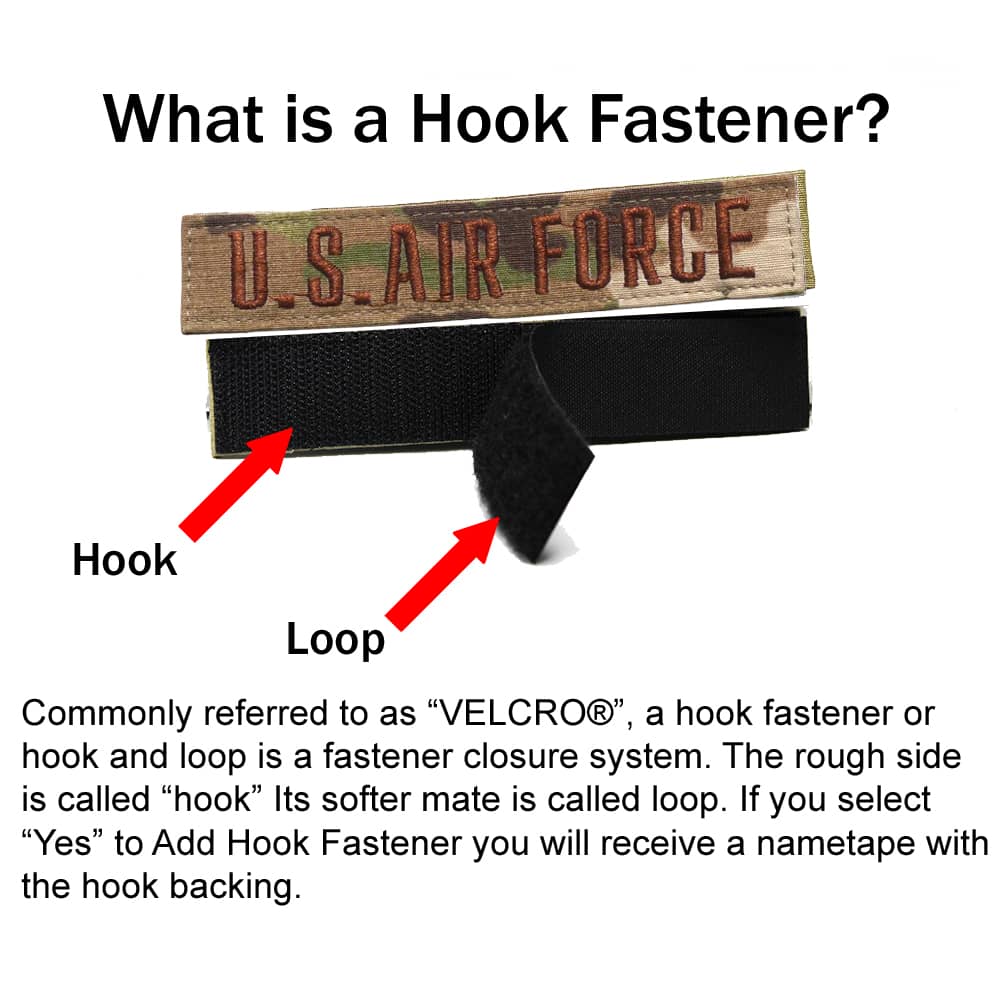
One side of the fastener has tiny hooks. The other side has soft loops. When pressed together, hooks catch the loops. This creates a strong bond between the two parts. Pulling them apart breaks the bond easily. No tools or force needed.
This design makes the fastener reusable. It stays strong after many uses. It works well on many surfaces. The bond is secure but flexible.
Common Materials
Hook and loop fasteners are mostly made from nylon or polyester. These materials are strong and flexible. Nylon hooks are stiff and hold well. Polyester loops are soft and stretchable.
Manufacturers choose materials based on use. Some fasteners have plastic hooks for extra strength. Others use softer materials for delicate fabrics. The choice depends on where and how the fastener will be used.
Credit: www.velcro.com
Different Names For Hook And Loop
Hook and loop fasteners are popular for their ease of use and strong hold. Many people know them by different names. These names depend on brands, regions, or how people describe the product. Understanding these names helps avoid confusion when buying or using them.
Brand Names Vs Generic Terms
“Velcro” is the most famous brand name for hook and loop fasteners. Many people use “Velcro” to mean any hook and loop fastener. This is called a brand name becoming a generic term. Other brands exist, but Velcro remains the most recognized.
Generic terms describe the product without brand names. Words like “hook and loop,” “touch fastener,” or “hook and pile” are common generic terms. These names explain how the fastener works—hooks on one side, loops on the other.
Regional Variations
Different countries may use different words for hook and loop fasteners. In the United Kingdom, people often say “touch fastener.” In Australia, “hook and loop” is common. The United States mostly uses “Velcro” or “hook and loop.”
These regional names reflect local habits and popular brands. Knowing these variations helps when shopping or reading product labels worldwide.
Popular Uses In Everyday Life
Hook and loop fasteners are found in many parts of daily life. Their simplicity and ease of use make them popular. This fastener type is known for quick fastening and unfastening. People use it in clothing, homes, offices, sports, and outdoor activities. Its versatility makes it a common choice for many needs.
Clothing And Accessories
Hook and loop fasteners are common in clothes and accessories. Children’s shoes often use them for easy wear. Jackets and gloves also use this fastener for quick closure. Bags and hats sometimes have hook and loop straps. They help adjust size and fit comfortably.
Home And Office Applications
At home, hook and loop fasteners organize cables and hold items in place. They attach curtains or cushions without nails or screws. In offices, these fasteners secure wires and keep desks tidy. They can also hold whiteboards or posters on walls. This fastener type helps keep spaces neat and safe.
Sports And Outdoor Gear
Sports gear uses hook and loop fasteners for easy adjustment. Gloves, knee pads, and helmets use them for secure fitting. Outdoor tents and backpacks use these fasteners to close pockets and flaps. They allow quick access to gear and keep items safe. This fastener is perfect for active and changing conditions.
Advantages Over Other Fasteners
Hook and loop fasteners offer many benefits over other types of fasteners. Their design makes them simple and quick to use in many situations. These fasteners also hold up well under stress and last for a long time. They allow easy adjustments, making them very practical. This section highlights the key advantages of hook and loop fasteners.
Ease Of Use
Hook and loop fasteners are very easy to fasten and unfasten. You do not need any tools or special skills. Press the two sides together, and they stick firmly. Pull them apart, and they separate quickly. This makes them ideal for daily use by people of all ages.
Durability And Strength
These fasteners are strong and can hold heavy items securely. They resist wear and tear better than many other fasteners. Even after many uses, they still work well. Their materials resist moisture and dirt, which helps them last longer.
Adjustability
Hook and loop fasteners allow you to change the fit anytime. You can easily tighten or loosen them for comfort. This adjustability works well for shoes, clothes, and equipment. It also helps with quick size changes without damage.
Tips For Choosing The Right Fastener
Choosing the right hook and loop fastener matters for your project’s success. The right fastener holds well and lasts longer. It fits your needs and works with your materials. Picking the wrong size or type can cause problems. The following tips help you select the best fastener easily.
Size And Strength Considerations
Size affects how strong the fastener is. Larger strips hold more weight and stay secure. Small fasteners suit light or thin materials. Check the size against your project’s needs. Strength depends on the number and size of hooks and loops. Pick a fastener with enough strength to hold your items safely.
Material Compatibility
Materials can react differently to fasteners. Some fasteners work better on fabric, others on plastic or metal. Choose a fastener that sticks well to your material type. Certain hook and loop fasteners resist moisture or heat. Use those for outdoor or tough conditions. Matching materials helps the fastener last longer and work better.
Care And Maintenance
Hook and loop fasteners need regular care to work well. Dirt and debris can stick to the hooks or loops. This reduces their grip. Proper cleaning and maintenance keep the fastener strong and long-lasting.
Cleaning Techniques
Remove loose dirt by brushing the fastener gently. Use a soft brush or old toothbrush. For stuck debris, use tweezers carefully. Avoid pulling too hard to prevent damage.
Wash the fastener with mild soap and warm water. Rinse thoroughly to remove all soap. Let it air dry completely before use. Avoid using heat or direct sunlight.
Extending Fastener Life
Close the fastener before washing clothes or gear. This stops the hooks from catching on other fabric. Store items with fasteners closed to keep hooks safe.
Avoid exposing the fastener to harsh chemicals. These can weaken the material. Check the fastener regularly for wear and tear. Replace it if the grip becomes weak.
Credit: www.bradleyssurplus.com
Frequently Asked Questions
What Is A Hook And Loop Fastener Called?
A hook and loop fastener is commonly called Velcro. It consists of two strips: one with tiny hooks and the other with soft loops. When pressed together, they create a secure, reusable bond, widely used in clothing, shoes, and accessories.
How Does A Hook And Loop Fastener Work?
The fastener works by interlocking hooks with loops. The hooks catch onto the loops when pressed together, creating a strong hold. This mechanism allows for easy opening and closing, making it ideal for adjustable and reusable fastening solutions.
Where Are Hook And Loop Fasteners Commonly Used?
Hook and loop fasteners are used in clothing, shoes, bags, medical devices, and sports equipment. They provide convenience in adjustable closures and quick fastening. Their versatility and durability make them popular in both household and industrial applications.
What Materials Are Hook And Loop Fasteners Made Of?
They are typically made from nylon or polyester fibers. These materials provide strength, flexibility, and durability. The hooks are usually made from stiff nylon, while the loops are softer to allow easy attachment and separation.
Conclusion
A hook and loop fastener is a simple, useful tool. People often call it Velcro, the popular brand name. It sticks quickly and holds items firmly. You find it on shoes, bags, and clothes. This fastener makes life easier every day.
Now you know what it is and why it works well. Try to notice it in your daily items. Small but very handy. Easy to use, easy to fix. That’s the charm of hook and loop fasteners.