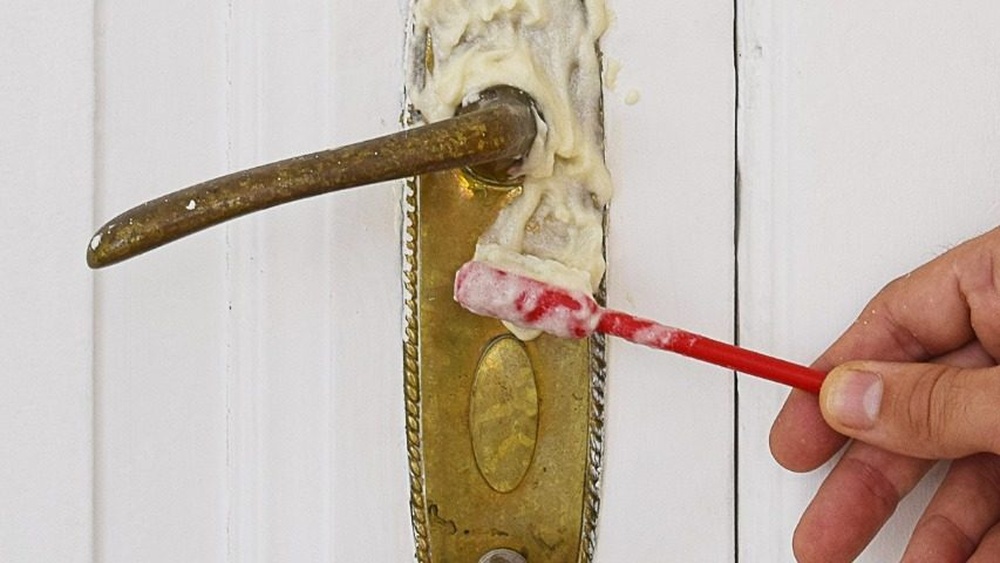
Are your cabinet handles looking dull and worn out? Tarnish can make your hardware lose its shine and drag down the whole look of your kitchen or bathroom.
But don’t worry—you don’t need to replace everything or call a professional. You can bring back that bright, polished look right at home with simple, easy steps. Keep reading, and you’ll discover practical tips that save you time and money, making your cabinets look fresh and inviting again.
Ready to see your hardware sparkle like new? Let’s get started!
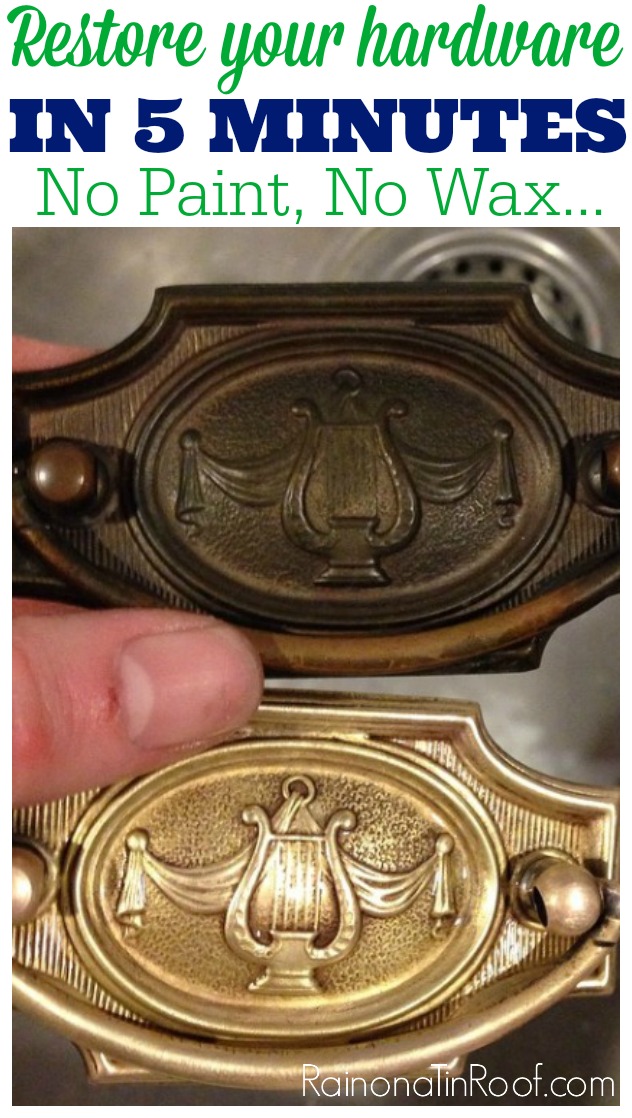
Credit: rainonatinroof.com
Causes Of Tarnish On Hardware
Tarnish on cabinet hardware happens over time. It changes the metal’s look from shiny to dull. Understanding what causes tarnish helps you stop it or clean it well.
Many factors lead to tarnish. They affect metal surfaces in different ways. Knowing these causes helps keep your hardware bright and fresh.
Oxidation From Air
Metal reacts with oxygen in the air. This reaction forms a layer of tarnish. Copper and brass show this effect quickly. The layer looks dull and dark.
Moisture And Humidity
Water speeds up tarnish. High humidity makes metals corrode faster. Bathrooms and kitchens often have moist air. Hardware in these rooms tarnishes sooner.
Exposure To Chemicals
Cleaning products and sprays can harm metal. Harsh chemicals break down the metal’s surface. This damage causes tarnish and discoloration.
Contact With Skin Oils
Oils and sweat from hands leave residue on hardware. These natural oils react with metal. Over time, they cause spots and dull patches.
Environmental Pollution
Pollutants in the air also affect metal. Smoke and dust carry chemicals that cause tarnish. Hardware near busy roads or factories tarnishes faster.
Credit: eleganthardware.in
Tools And Materials Needed
Removing tarnish from cabinet hardware requires some basic tools and materials. These items make the cleaning process easier and more effective. Having the right supplies helps restore shine quickly. Prepare everything before you start for smooth work.
Soft Cloths
Soft cloths are essential for wiping and polishing hardware. Use microfiber or cotton cloths to avoid scratches. They absorb cleaning solutions well and help buff the surface.
Cleaning Solution
Choose a gentle cleaning solution made for metal. Mild soap mixed with water works well. Commercial tarnish removers can also be used but check labels for safety.
Small Brush
A small brush, like a toothbrush, helps reach tight spots. It removes dirt and tarnish from crevices. Use soft bristles to protect the hardware.
Protective Gloves
Wear gloves to protect your hands during cleaning. Gloves prevent skin irritation from cleaning agents. They also keep fingerprints off the cleaned surfaces.
Bucket Or Bowl
A bucket or bowl holds cleaning solutions for soaking hardware. Soaking helps loosen tough tarnish. Choose a container that fits your hardware parts comfortably.
Safe Removal Methods
Removing tarnish from cabinet hardware can bring back its shine without damage. Safe methods use common household items. These methods clean gently and protect your hardware.
Using Baking Soda Paste
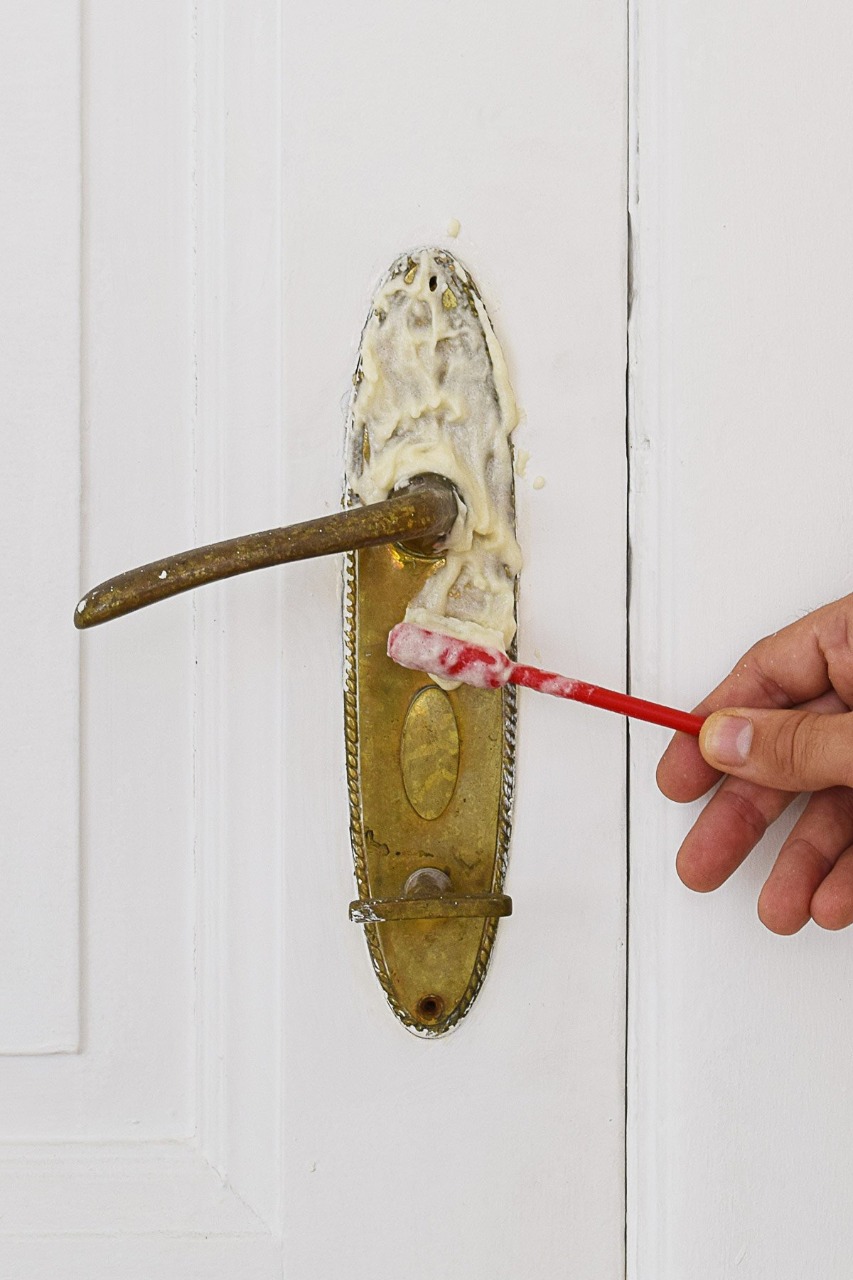
Make a paste with baking soda and water. Apply it to the tarnished hardware using a soft cloth. Rub gently to avoid scratching. Let it sit for a few minutes. Rinse with warm water and dry with a clean cloth. Baking soda is mild and effective for light tarnish.
Vinegar And Aluminum Foil Trick
Line a bowl with aluminum foil, shiny side up. Add hot water and white vinegar. Soak the hardware in the solution for a few minutes. The reaction removes tarnish safely. Remove the pieces and rinse them well. Dry with a soft towel. This method works well for brass and copper.
Lemon Juice And Salt Solution
Mix lemon juice with salt to make a paste. Apply it carefully on the tarnished spots. Let it sit for five minutes. Rub gently with a soft cloth or sponge. Rinse thoroughly with water and dry. This natural solution brightens hardware and removes tarnish safely.

Credit: www.youtube.com
Commercial Tarnish Removers
Commercial tarnish removers offer a quick way to clean cabinet hardware. They are made to remove tarnish and restore shine. These products are easy to use and save time compared to homemade methods.
Most commercial removers work by breaking down the tarnish on metal surfaces. They come in liquid, gel, or paste forms. Choose the type that fits your cleaning style and hardware shape.
Types Of Commercial Tarnish Removers
There are many types of commercial tarnish removers. Some are designed for specific metals like brass or silver. Others work on mixed metal finishes. Read labels carefully to pick the right product for your hardware.
How To Use Commercial Tarnish Removers Safely
Always test the product on a small area first. Wear gloves to protect your skin. Apply the remover with a soft cloth or brush. Follow the instructions on the package for best results.
Benefits Of Using Commercial Tarnish Removers
Commercial removers clean tarnish fast. They often leave a protective layer to slow future tarnish. These products restore the original look of your cabinet hardware. They work well on tough, old tarnish spots.
Preventing Future Tarnish
Preventing future tarnish on cabinet hardware keeps your kitchen or bathroom looking fresh. Tarnish forms when metal reacts with air and moisture. Stopping this process early saves time and effort later. A few simple steps protect your hardware and keep it shiny.
Applying Protective Coatings
Protective coatings create a barrier against air and moisture. Use clear lacquer spray or wax made for metal surfaces. Apply a thin, even layer on clean, dry hardware. Let it dry completely before handling or reinstalling. Reapply every few months to keep protection strong.
Regular Cleaning Tips
Clean hardware often to stop dirt and oils from building up. Use a soft cloth and mild soap with water. Avoid harsh cleaners or abrasive tools that can scratch the metal. Dry the hardware fully after cleaning. Regular care slows tarnish and keeps surfaces bright.
When To Replace Hardware
Knowing when to replace cabinet hardware is important. Tarnish can often be cleaned, but some damage cannot be fixed. Choosing to replace hardware can save time and improve your kitchen’s look.
Hardware that is old, broken, or too worn out may need replacement. This step can keep your cabinets functional and attractive. It also helps avoid frustration with stubborn, damaged handles or knobs.
Signs Hardware Needs Replacement
Look for deep scratches or dents that cleaning won’t remove. Rust spots that have eaten through the metal show serious wear. Loose or broken screws and parts make hardware unsafe to use.
When Tarnish Cannot Be Removed
Some tarnish sits too deep or has damaged the finish. If cleaning leaves the hardware looking dull or uneven, replacement is better. New hardware can bring back shine and uniformity to your cabinets.
Updating Style And Function
Replacing hardware is a good chance to update your kitchen style. New knobs or handles can match your current decor better. It also gives you the option to choose easier-to-use designs.
Frequently Asked Questions
How Can I Remove Tarnish From Cabinet Hardware?
Use a mixture of baking soda and water to create a paste. Apply it gently with a soft cloth. Rinse with warm water and dry thoroughly to restore shine and remove tarnish effectively.
What Household Items Clean Tarnished Cabinet Hardware?
Common items like vinegar, lemon juice, and baking soda work well. They break down tarnish without harsh chemicals. These natural cleaners are safe and affordable for regular cabinet hardware maintenance.
Is It Safe To Use Commercial Cleaners On Cabinet Hardware?
Yes, but choose products designed for the hardware’s metal type. Always test on a small area first. Follow the manufacturer’s instructions to avoid damage or discoloration on your cabinet hardware.
How Often Should I Clean Tarnished Cabinet Hardware?
Clean tarnished hardware every few months or as needed. Regular cleaning prevents buildup and keeps hardware looking new. Frequency depends on kitchen use and exposure to moisture or grease.
Conclusion
Removing tarnish from cabinet hardware is simple with the right steps. Use gentle cleaners to protect the metal. Regular cleaning keeps hardware shiny and new-looking. Small efforts save money on replacements later. A clean cabinet handle can brighten a whole room.
Try these tips to keep your hardware looking great. Maintenance is easy and helps your home feel fresh. Give your cabinets the care they deserve today.

