Have you ever wondered what makes certain metal structures so strong and durable? The secret often lies in how the parts are joined together.
When an assembly is fastened by weld joints, it means the pieces are fused into one solid unit. But what exactly does that mean for your projects or products? Understanding this can change the way you approach building, repairing, or designing anything made of metal.
Keep reading to discover why weld joints matter and how they can impact the strength and reliability of your assemblies.
Welded Assemblies Basics
Welded assemblies are structures held together by weld joints. These joints join metal parts by melting and fusing them. This process creates strong, permanent bonds. Understanding the basics of welded assemblies helps in choosing the right methods for projects.
Welding is widely used in many industries like construction, automotive, and manufacturing. It offers durability and precision. Knowing the types of weld joints and common welding techniques is key to working with welded assemblies effectively.
Types Of Weld Joints
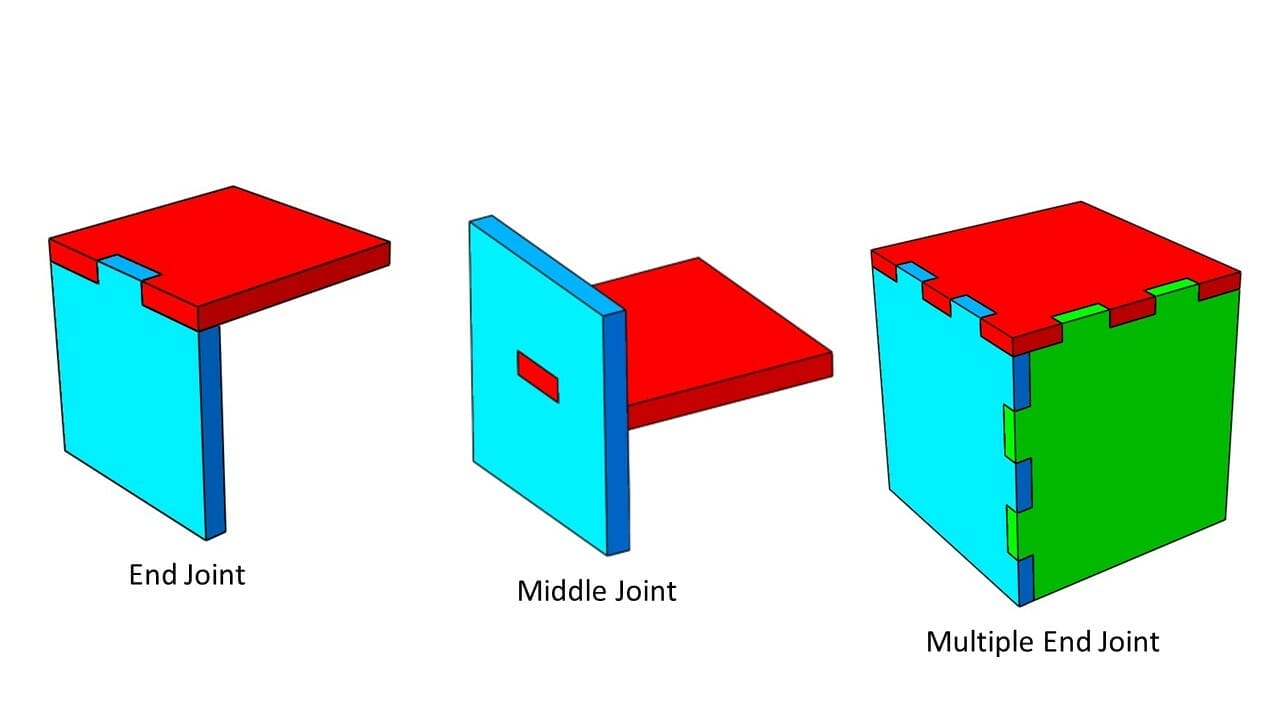
Weld joints come in various forms depending on how the metal parts meet. The most common types include butt joints, lap joints, corner joints, edge joints, and T-joints. Each type serves different purposes and offers unique strength properties.
Butt joints join two pieces end to end. Lap joints overlap two parts. Corner joints join parts at a right angle. Edge joints join edges of two parts placed side by side. T-joints connect one part to the middle of another.
Common Welding Techniques
Several welding techniques exist, each suited for different tasks and materials. The main methods include MIG welding, TIG welding, and stick welding. These techniques differ in heat source, filler material, and application style.
MIG welding uses a wire electrode and gas to protect the weld. TIG welding provides precise control using a tungsten electrode. Stick welding uses a consumable electrode that melts to form the weld. Choosing the right technique affects weld quality and strength.
Credit: www.emseal.com
Strength And Durability
Welded assemblies offer excellent strength and durability. The welding process fuses materials together. This fusion creates a strong bond that holds parts firmly. Such assemblies can withstand tough conditions. They maintain integrity over long periods. These features make welded joints a reliable choice for many structures.
Load-bearing Capacity
Welded joints handle heavy loads effectively. The fusion between metals forms a solid connection. This connection spreads weight evenly across the assembly. It reduces weak points that cause failure. Welded assemblies support both static and dynamic loads well. This makes them ideal for bridges, buildings, and machinery.
Resistance To Fatigue And Stress
Welded joints resist fatigue from repeated use. They absorb and distribute stress without cracking. Proper welding prevents flaws that weaken materials. This resistance improves the lifespan of assemblies. It ensures safety and reduces maintenance needs over time. Welded structures perform well under changing conditions.
Design Flexibility
Design flexibility is a key benefit of assemblies fastened by weld joints. Welding allows joining parts in many ways. This freedom helps create strong and reliable products. Designers can explore creative ideas without many limits. The ability to form various shapes and use different materials adds value to manufacturing processes.
Complex Shapes And Structures
Welding supports complex shapes that other methods cannot join easily. Curves, angles, and irregular forms become possible. This makes welding ideal for custom designs. Structures can be lightweight yet strong. Multiple parts fit together with precision. The joint strength remains high, even in complicated assemblies.
Material Compatibility
Weld joints work with many material types. Steel, aluminum, and stainless steel are common examples. Welding can also join dissimilar metals. This flexibility expands design options. Choosing the best material for each part improves performance. Welded assemblies can handle different stresses and conditions well.
Cost Efficiency
Cost efficiency is a major advantage of assemblies fastened by weld joints. Welding minimizes expenses through smart use of materials and labor. These savings make welded assemblies popular in many industries.
Reduced Material Waste
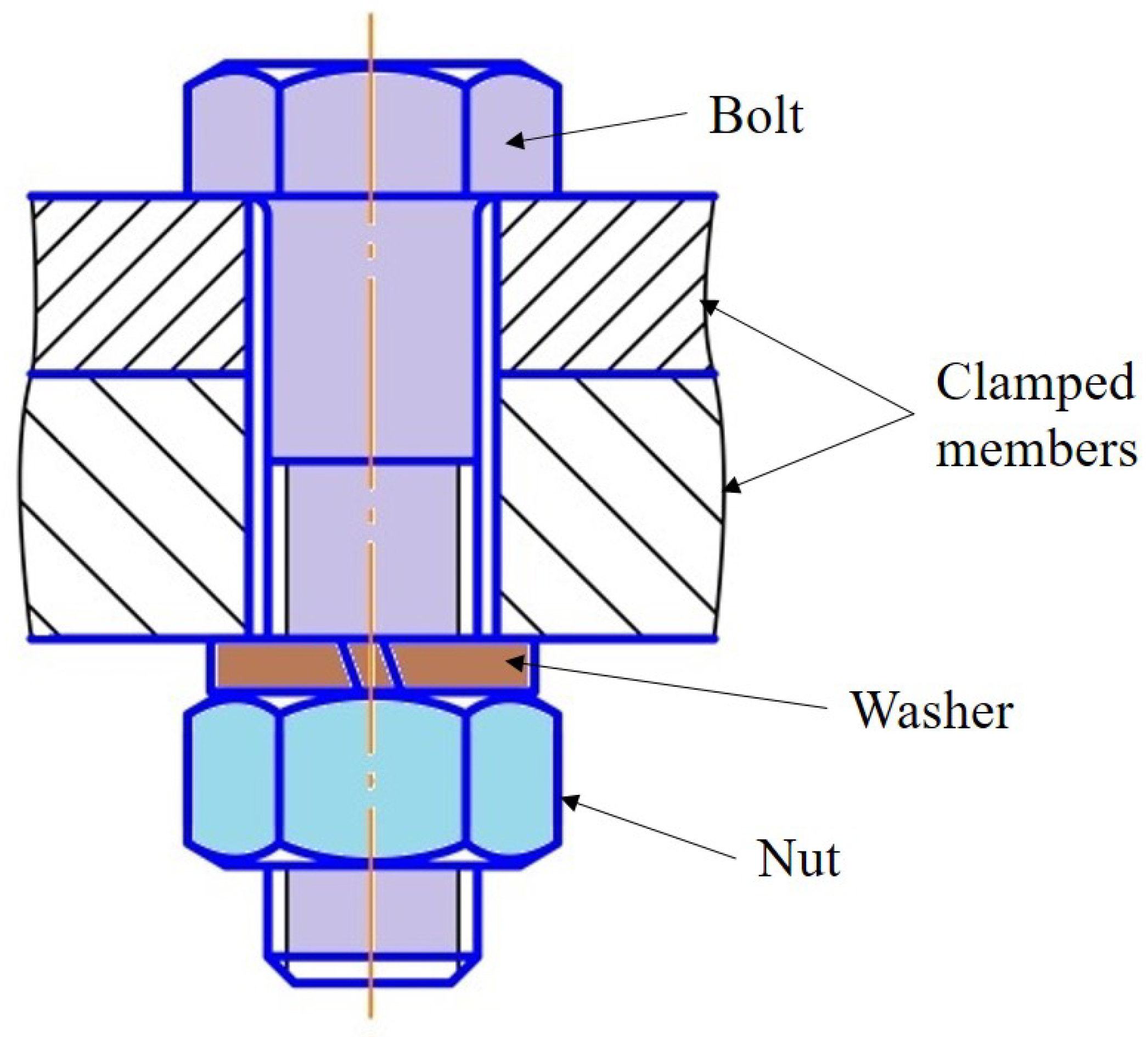
Welding uses less material than other fastening methods. No extra parts like bolts or rivets are needed. This means less scrap metal and fewer leftover pieces. Efficient use of materials lowers overall project costs. It also reduces the need for transporting and storing extra parts.
Lower Labor Costs
Welding speeds up the assembly process. Skilled workers can join parts quickly and securely. This reduces the time spent on assembly tasks. Less time means lower labor expenses. Welded joints also need less maintenance and repair, cutting future costs.
Speed And Productivity
Speed and productivity are key factors in any assembly process. Weld joints offer a strong and quick way to join parts. This method reduces the time needed to put pieces together. It helps manufacturers keep up with high demand and tight schedules.
Faster Assembly Times
Welding connects parts directly without extra pieces. This reduces steps in the assembly process. Workers spend less time aligning and fixing parts. The result is a faster build from start to finish. Quick welds mean products reach the market sooner. This saves money and resources for businesses.
Automation Potential
Welding suits automation very well. Robots can perform welds with high speed and accuracy. Automated welding reduces human error and fatigue. It allows continuous work without breaks. This leads to consistent quality and faster production. Automation helps factories run smoothly and efficiently.
Credit: sendcutsend.com
Quality And Precision
Quality and precision are essential in assemblies fastened by weld joints. Good welding ensures strong, durable connections. It keeps the structure safe and reliable. Every weld must meet strict standards to avoid failures.
Precision in welding controls the shape and size of the joint. Proper technique prevents weak spots. It also reduces the risk of cracks or breaks over time. Careful attention to detail improves overall performance.
Consistent Joint Integrity
Consistent joint integrity means each weld is strong and uniform. Welds should hold under stress without breaking. Consistency reduces weak points that can cause damage. Skilled welders follow specific methods to maintain quality. Using the right materials and settings helps achieve this. Regular training ensures welders perform their tasks correctly.
Inspection And Testing Methods
Inspection and testing check weld quality before use. Visual checks look for cracks, gaps, or rough spots. Non-destructive tests like X-rays or ultrasound find hidden flaws. These methods confirm the joint is sound. Testing helps catch errors early. Fixing faults prevents costly repairs later. Reliable inspection ensures the assembly meets safety rules.
Applications Across Industries
Assemblies fastened by weld joints appear in many industries. Their strength and reliability make them essential. Welded joints hold parts together firmly. They allow for the creation of strong, durable products. These joints work well in different environments and uses. Let’s explore how various industries use welded assemblies.
Construction And Infrastructure
Welded joints are common in building frameworks. Steel beams and columns are often welded. This ensures strong, stable structures. Bridges use welded connections to handle heavy loads. Welded joints help resist wind and earthquakes. They also support pipelines and towers. Welded assemblies make construction faster and safer.
Automotive And Aerospace
Cars and planes rely on welded parts. Welds join metal sheets in car bodies. This adds strength and reduces weight. Aerospace uses welding for aircraft frames. Welded joints survive high stress and vibration. They help keep passengers safe. Welding improves fuel efficiency by reducing material weight.
Manufacturing And Fabrication
Factories use welding to build machines and tools. Welded parts fit together precisely and strongly. Welding helps produce metal furniture and equipment. It allows for custom shapes and designs. Welded assemblies speed up production lines. They reduce the need for extra fasteners or adhesives.
Credit: www.mdpi.com
Frequently Asked Questions
What Is An Assembly Fastened By Weld Joints?
An assembly fastened by weld joints is a structure where parts are joined by melting and fusing metals. This creates a strong, permanent bond without using fasteners like bolts or screws. Welded assemblies are common in construction, automotive, and manufacturing industries.
How Do Weld Joints Affect Assembly Strength?
Weld joints significantly enhance assembly strength by creating a continuous metal bond. Proper welding ensures load distribution across the joint, increasing durability and resistance to stress. Poor welds can lead to weak points and potential failures in the assembly.
What Types Of Weld Joints Are Commonly Used?
Common weld joint types include butt, lap, corner, edge, and T-joints. Each type suits different assembly needs based on shape, load, and access. Choosing the right weld joint ensures optimal strength and performance of the assembled structure.
Are Welded Assemblies Better Than Bolted Ones?
Welded assemblies provide a stronger, more permanent connection compared to bolted joints. They offer better load distribution and resistance to vibration. However, welded joints are less flexible for disassembly or adjustment than bolted connections.
Conclusion
Welded joints create strong, lasting connections in many assemblies. They hold parts firmly and resist movement under stress. Using welds often reduces the need for extra fasteners. This method saves time and materials during construction. Welded assemblies are common in buildings, cars, and machines.
Choosing the right weld type ensures safety and durability. Understanding these basics helps in making smart building choices. Weld joints offer a reliable solution for many projects. Simple, strong, and efficient—welded assemblies work well.