Are you tired of struggling with loose items that just won’t stay put? Fastening straps can be the simple solution you’ve been looking for.
Whether you need to secure cargo, organize your gear, or keep things tight during transport, knowing how to use fastening straps correctly can save you time, frustration, and even prevent damage. You’ll discover easy steps and tips to master fastening straps so you can handle your tasks confidently and efficiently.
Keep reading to unlock the secrets that make fastening straps an essential tool in your everyday life.
Types Of Fastening Straps
Fastening straps come in different types, each designed for specific uses. Choosing the right strap helps secure loads safely and easily. Understanding the main types helps you pick the best option for your task.
Ratchet Straps
Ratchet straps offer strong and tight fastening. They use a ratcheting mechanism to tighten the strap. This type is great for heavy loads and long trips. The ratchet handle makes it easy to pull tight.
Cam Buckle Straps
Cam buckle straps work with a simple lever. They are easy to use and adjust quickly. These straps are best for lighter loads or quick tasks. The cam buckle holds the strap firmly in place.
E-track Straps
E-track straps fit into special rails on trucks or trailers. They lock securely into the E-track system. This type is perfect for transporting cargo safely. The strap tension can be adjusted easily.
Bungee Cords
Bungee cords stretch to hold items together. They have hooks on each end for fast attachment. These cords are good for light, flexible loads. Use them for quick and easy fastening.

Credit: www.youtube.com
Choosing The Right Strap
Choosing the right fastening strap is important for safety and efficiency. The strap must hold the load firmly. Picking the wrong strap can cause damage or accidents. Knowing what to consider helps you select the best strap for your needs.
Material Considerations
Straps come in different materials like nylon, polyester, and polypropylene. Nylon is strong and stretchable. Polyester resists sunlight and water well. Polypropylene is lightweight but less strong. Choose material based on the job and conditions.
Load Capacity
Every strap has a load limit. This limit shows how much weight it can hold safely. Check the weight of your load before choosing a strap. Always pick a strap with a higher capacity than your load. This keeps your items secure and prevents breakage.
Length And Width
Strap length must fit the size of your load. Too short straps won’t secure properly. Width affects strength and comfort. Wider straps hold more weight and reduce pressure on items. Measure your load and pick the right size strap.
Environmental Factors
Think about weather and surroundings. Some straps weaken in sunlight or rain. Others resist chemicals and abrasion better. Choose straps designed for outdoor use if needed. This ensures long-lasting performance and safety.
Preparing For Use
Preparing fastening straps for use is a key step to ensure safety and efficiency. Taking time to check and clean the straps helps avoid accidents. It also extends the life of the straps. Proper preparation makes securing loads easier and more reliable.
Inspecting Straps For Damage
Start by looking closely at the straps. Check for cuts, tears, or frayed edges. Look for broken stitches or worn spots. Any damage can weaken the strap’s strength. Do not use straps that show signs of wear. Replace damaged straps immediately to stay safe.
Cleaning And Maintenance
Dirt and debris can reduce strap effectiveness. Wipe the straps with a damp cloth to remove dirt. For heavy grime, use mild soap and water. Avoid harsh chemicals or bleach. Let straps dry completely before storing or using. Clean straps last longer and hold better.
Identifying Anchor Points
Choose solid anchor points to secure the straps. Look for fixed parts on trucks, trailers, or racks. Avoid sharp edges that can cut the straps. Use metal loops or hooks designed for fastening. Strong anchor points keep the load steady during transport.
Step-by-step Strap Application
Applying fastening straps correctly ensures your load stays safe and secure. Follow these steps for a proper and strong hold. Each part of the process is important to avoid damage or accidents. Let’s break down the steps clearly.
Positioning The Strap
Place the strap over the load evenly. Make sure it covers the biggest part of the item. Avoid sharp edges that can cut the strap. Use padding if needed to protect both strap and load.
Securing The Load
Wrap the strap tightly around the load. Cross the strap if possible for extra hold. Check the load is stable and won’t move. Keep the strap flat without twists or folds.
Tightening Techniques
Pull the strap firmly to remove slack. Use a ratchet or buckle to tighten safely. Tighten gradually, not all at once. Stop when the strap feels tight but not stretched.
Locking Mechanisms
Engage the lock to hold the strap in place. Double-check the lock is fully closed. Test the strap by pulling lightly. A good lock keeps the strap tight during transport.
Safety Tips And Best Practices
Using fastening straps correctly keeps your cargo safe and secure. Follow safety tips to avoid damage and accidents. Best practices make the process easy and effective.
Avoiding Over-tightening
Do not pull straps too tight. Over-tightening can damage your cargo or the strap itself. Tighten just enough to hold items firmly in place. Check strap tension before moving your load.
Regular Checks During Transit
Stop often to check straps on long trips. Straps may loosen from vibrations or bumps. Tighten or adjust straps as needed. This keeps cargo stable and prevents accidents.
Storing Straps Properly
Store straps in a dry, cool place. Avoid exposure to sunlight or moisture. Clean straps before storing to remove dirt and debris. Proper storage extends the life of your straps.
Common Mistakes To Avoid
Using fastening straps may seem simple, but many make avoidable errors. These mistakes reduce safety and can cause damage or injury. Knowing what to avoid helps keep your load secure and safe.
Using Damaged Straps
Never use straps with cuts, tears, or frayed edges. Damaged straps lose strength and can break under pressure. Check straps carefully before each use. Replace any strap that shows wear or damage.
Incorrect Anchor Points
Choose strong, fixed anchor points for your straps. Weak anchors can slip or break, causing the load to shift. Avoid sharp edges that can cut the strap. Use anchor points designed to hold the weight you need.
Improper Strap Tension
Do not leave straps too loose or too tight. Loose straps allow the load to move and fall. Too tight straps can damage the load or strap. Adjust tension to hold the load firmly but gently.
Special Uses For Fastening Straps
Fastening straps are not just for basic tying. They have many special uses that make tasks easier and safer. These straps hold items tightly and stop them from moving or falling. They work well in different situations, from outdoor adventures to heavy-duty transport.
Securing Outdoor Gear
Fastening straps keep outdoor gear safe during trips. They hold tents, backpacks, and sleeping bags firmly. Straps prevent gear from shifting while hiking or camping. This keeps your equipment organized and ready to use.
Transporting Heavy Equipment
Heavy equipment needs strong support to stay secure. Fastening straps provide tight and stable holds. They stop equipment from sliding or tipping in trucks or trailers. Using straps reduces damage risk during transport.
Packing For Moving
Packing boxes and furniture can be tricky. Fastening straps bundle items together tightly. They keep boxes from opening and furniture pieces from separating. Straps make lifting and carrying easier and safer.

Credit: undernysky.com

Credit: www.amazon.com
Frequently Asked Questions
What Are The Common Types Of Fastening Straps?
Fastening straps include Velcro, ratchet, cam buckle, and tie-down straps. Each type suits different loads and applications for secure fastening.
How Do You Properly Use Fastening Straps?
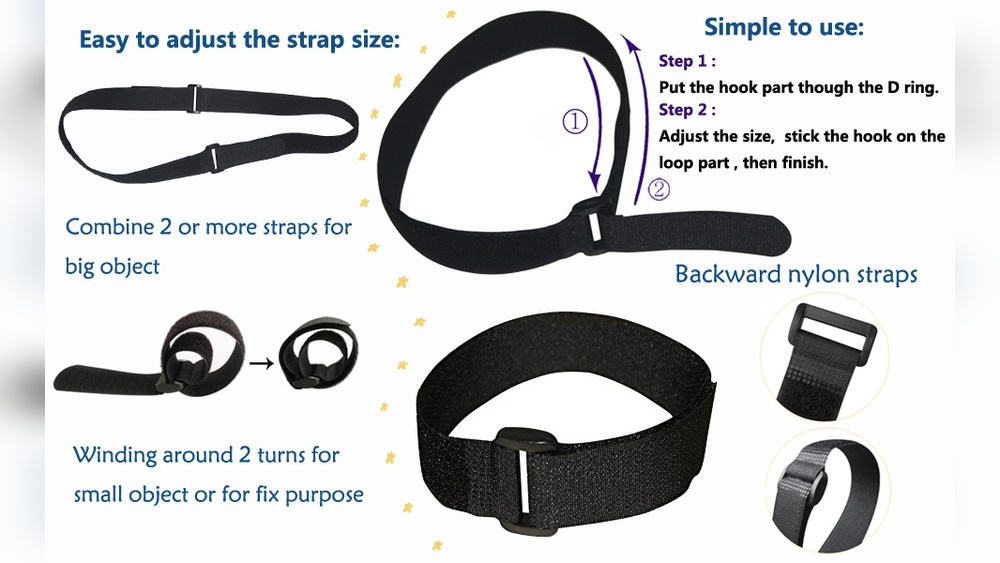
Wrap the strap around the item, thread it through the buckle, and tighten securely. Avoid over-tightening to prevent damage.
Can Fastening Straps Be Reused Safely?
Yes, most fastening straps are reusable if undamaged. Inspect straps for wear before each use to ensure safety.
What Materials Are Fastening Straps Made From?
Fastening straps are commonly made from nylon, polyester, or polypropylene. These materials offer strength, flexibility, and resistance to weather.
Conclusion
Fastening straps help keep things secure and organized. Use them to hold items tightly and prevent damage. Choose the right strap for your task. Always check the strap’s strength before use. Tighten straps firmly but avoid over-tightening. Store straps neatly to last longer.
Simple steps make your work safer and easier. Keep practicing to get comfortable using straps. Small effort leads to better results every time.