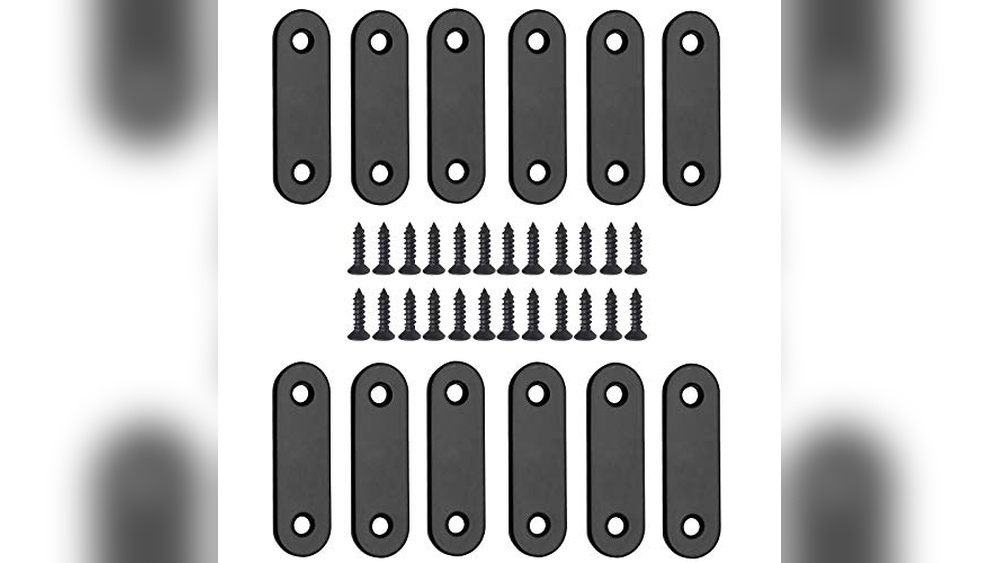
Have you ever wondered how your clothes stay perfectly together, no matter how much you move? The secret lies in something called fastening in textiles.
It’s a simple idea that plays a huge role in your daily comfort and style. Understanding what fastening is and how it works can change the way you choose and care for your clothes. Keep reading, and you’ll discover how these small details make a big difference in the fabrics you wear every day.
Fastening Basics
Fastening in textiles is a simple but important part of clothing and fabric design. It helps hold pieces of fabric together. Fastenings make clothes fit better and stay in place. They add style and function to garments. Understanding the basics of fastening helps in choosing the right type for different textile uses.
Role In Textiles
Fastenings join two parts of fabric or material. They allow clothes to open and close easily. Fastenings control fit and comfort. They keep clothes secure during wear. Some fastenings also decorate the garment. They balance function and style in textiles.
Common Materials
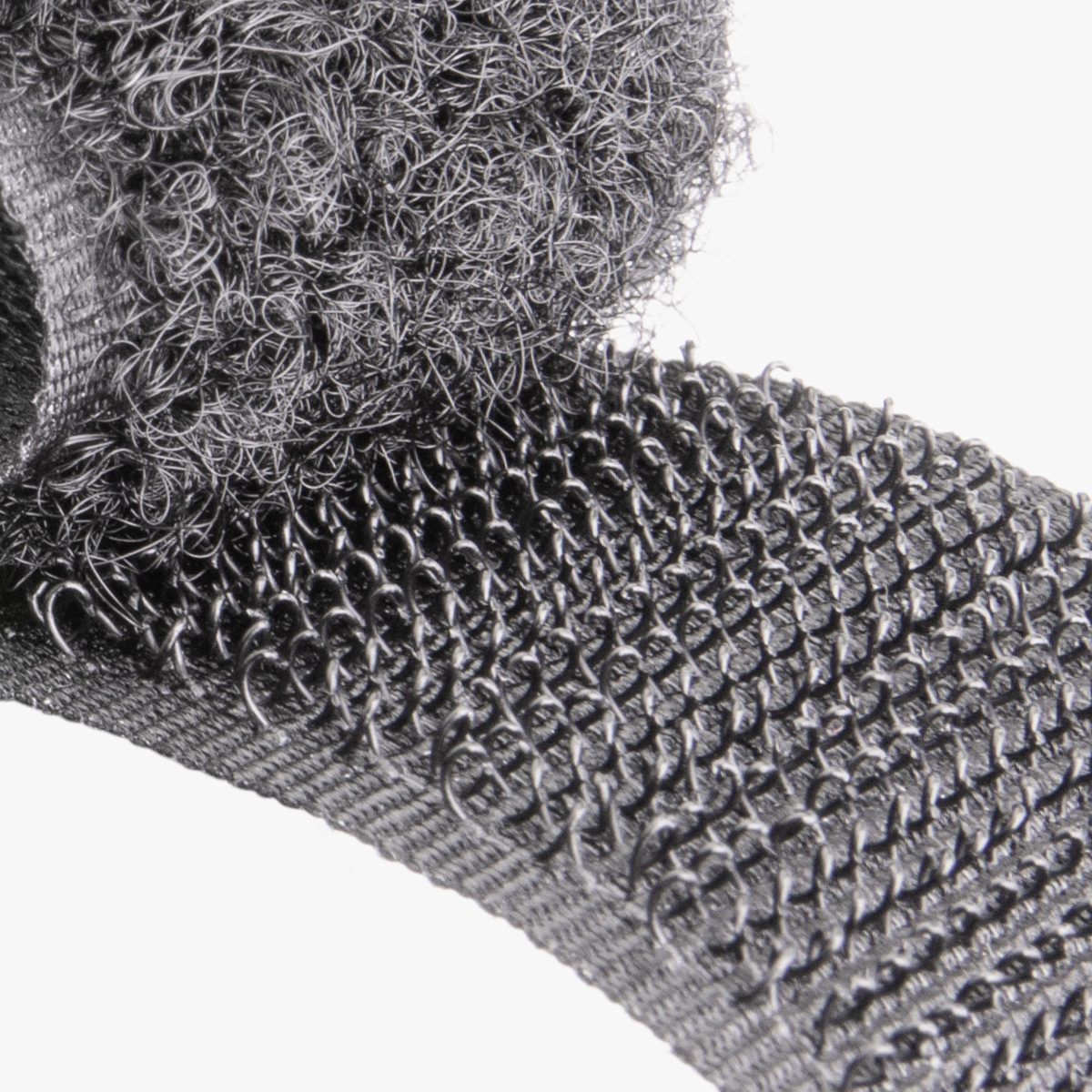
Fastenings come in many materials. Metal is strong and often used for buttons and zippers. Plastic is lightweight and flexible. It is common in snaps and hooks. Fabric fastenings like Velcro are soft and easy to use. Choosing the right material depends on the garment’s need.
Credit: www.velcro.com
Types Of Fastenings
Fastenings hold textiles together and allow easy wear and removal. Different types fit different needs. Some fastenings are decorative, while others focus on strength and ease. Understanding common types helps in choosing the right one for clothing or accessories.
Buttons
Buttons are round or shaped pieces sewn onto fabric. They fit through buttonholes to close garments. Buttons come in many materials like plastic, wood, or metal. They are popular for shirts, coats, and pants.
Zippers
Zippers join two fabric edges with interlocking teeth. A slider moves to open or close the zipper. Zippers are strong and quick to use. Common in jackets, pants, and bags.
Hooks And Eyes
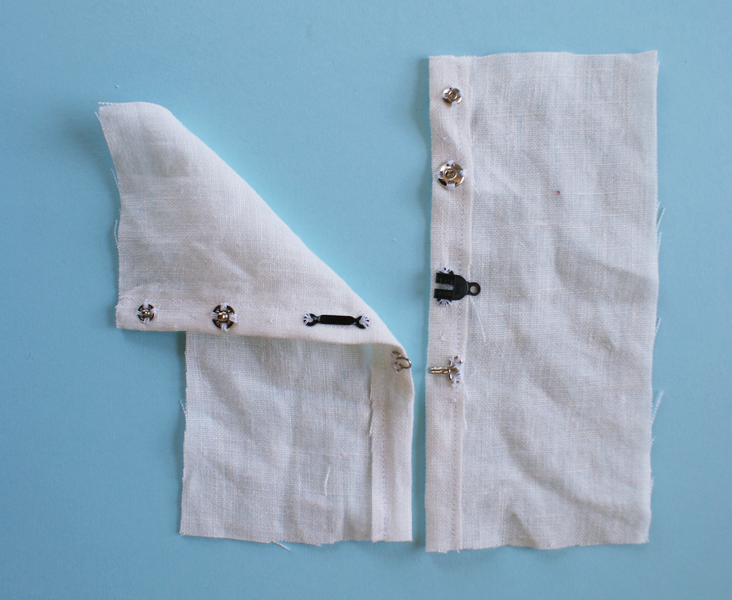
Hooks and eyes are small metal fasteners. The hook fits into the eye to keep fabric closed. They are often hidden and used for dresses or bras. They provide a secure hold.
Snaps
Snaps are two-part fasteners that click together. They are easy to use and good for quick closure. Snaps are common in baby clothes and sportswear. They come in plastic or metal.
Velcro
Velcro uses two strips with tiny hooks and loops. Pressing them together creates a strong bond. Velcro is easy to open and close fast. Used in shoes, bags, and medical garments.
Toggles
Toggles are long buttons passed through loops. They offer a rustic look and strong fastening. Toggles are popular on coats and duffle jackets. Easy to use even with gloves.
Drawstrings
Drawstrings are cords threaded through fabric channels. Pulling tight closes the garment or bag. They allow adjustable fitting and comfort. Common in hoodies, pants, and backpacks.
Choosing The Right Fastening
Choosing the right fastening is important for any textile project. It affects how the garment or item works and looks. The right choice makes the product easy to use and long-lasting. This section explains key points to think about when selecting fastenings.
Functionality Factors
Fastenings must serve their purpose well. Consider how often the fastening will be opened and closed. Some fastenings are easier to use than others. For example, zippers work well for quick closure. Buttons might be better for adjustable fitting. Think about the size and weight of the textile. Heavier fabrics need stronger fastenings. Also, consider the user’s age and ability. Children or elderly might need simple fastenings.
Aesthetic Considerations
The look of the fastening affects the overall design. Choose a style that matches the fabric and garment. Fastenings come in many colors and shapes. Matching colors creates a seamless look. Contrasting colors add a decorative touch. Consider the size and visibility of the fastening. Large fastenings can be a design feature. Small fastenings offer a subtle finish. The material of the fastening also matters. Metal fastenings give a sturdy feel. Plastic fastenings can look casual or sporty.
Durability And Maintenance
Fastenings must last through regular use. Think about how strong the fastening is. Some fastenings wear out faster than others. Zippers may break or get stuck. Buttons can fall off or loosen. Hook and loop fastenings lose grip over time. Consider how easy it is to clean the fastening. Some fastenings handle washing better. Metal fastenings can rust if not cared for. Plastic fastenings might crack in cold weather. Choose fastenings that suit the care needed for the textile.

Credit: study.com
Fastening Techniques
Fastening techniques hold fabric parts together. They secure textiles for wear and use. Choosing the right method affects comfort and durability. Each technique suits different fabrics and purposes. This section explores common fastening techniques in textiles.
Sewing Methods
Sewing is the oldest fastening method. Threads join fabric layers tightly. Hand sewing uses needle and thread. Machine sewing speeds up the process. Stitches vary by fabric type. Strong stitches prevent fabric from fraying. Different stitch styles add design and function.
Attachment Tools
Buttons, zippers, and snaps attach fabric edges. Buttons fasten with thread through holes. Zippers close openings with interlocking teeth. Snaps press together and pull apart easily. Hooks and eyes provide small, hidden fastening. Velcro sticks two fabric sides firmly. Each tool suits specific clothing needs.
Placement Tips
Place fasteners where stress is highest. Near edges or openings is common. Avoid weak fabric spots. Reinforce fabric around fasteners for strength. Align fasteners for easy use. Consider comfort and appearance. Proper placement ensures lasting fastening and neat look.
Innovations In Textile Fastenings
Textile fastenings have evolved significantly over the years. Innovations in this field aim to improve ease of use, durability, and style. New materials and technologies bring fresh ideas to traditional closures.
These advances make clothes more comfortable and functional. Designers and manufacturers explore options that meet modern needs and environmental concerns. The future of textile fastenings blends technology with sustainability.
Smart Fastenings
Smart fastenings use technology to enhance clothing. Some fastenings adjust automatically to fit the wearer. Others use sensors to detect movement or temperature. These features add comfort and convenience. Smart fastenings also improve safety in sports and outdoor gear.
Eco-friendly Options
Eco-friendly fastenings reduce environmental impact. They use recycled or biodegradable materials. Natural fibers and plant-based plastics replace traditional plastics. These options break down faster and pollute less. Brands choose eco-friendly fastenings to support green fashion. This shift helps protect nature while keeping quality high.
Applications Across Garments
Fastenings are essential in many types of clothing. They join parts of fabric and allow easy wearing and removal. Different garments need different fastenings based on use, style, and comfort. Understanding these applications helps in choosing the right fastening.
Casual Wear
Casual clothes use simple fastenings like buttons and zippers. They provide quick wear and take off. Velcro is also popular for kids’ casual clothes. These fastenings add comfort and ease to daily outfits.
Sportswear
Sportswear needs fastenings that stay secure during movement. Zippers and snaps are common choices. They allow quick changes and good fit. Elastic bands often work as fastenings in sports gear.
Formal Attire
Formal clothes use elegant fastenings like cufflinks and hooks. Buttons are often hidden for a clean look. These fastenings keep the outfit neat and stylish. They add a touch of sophistication.
Outdoor Gear
Outdoor clothes require strong and durable fastenings. Heavy-duty zippers and buckles are common. They protect from wind and rain. Fastenings here must resist wear and tear.
Credit: blog.fabrics-store.com
Frequently Asked Questions
What Is The Purpose Of Fastening In Textiles?
Fastening in textiles secures fabric pieces together. It ensures garment shape, fit, and functionality. Common fasteners include buttons, zippers, hooks, and snaps. They enable easy dressing and garment adjustment. Fastening enhances both aesthetics and usability in textile products.
What Are Common Types Of Textile Fasteners?
Common textile fasteners include buttons, zippers, hooks, snaps, and Velcro. Each fastener serves specific functions like closure, decoration, or adjustment. Their selection depends on fabric type, garment design, and user needs. Fasteners improve garment usability and style.
How Does Fastening Affect Garment Durability?
Proper fastening increases garment durability by securely holding fabric parts. It prevents wear and tear during use. Durable fasteners withstand repeated opening and closing. Quality fastening ensures longer garment life and better performance.
Can Fastening Impact Textile Design And Style?
Yes, fastening influences textile design and style significantly. Fasteners can be functional or decorative elements. Designers use different fasteners to enhance garment aesthetics. They contribute to the overall look and user experience.
Conclusion
Fastening in textiles holds fabrics firmly together. It helps create clothing, bags, and many items. Different types include buttons, zippers, and hooks. Each fastening serves a unique purpose and style. Choosing the right fastening improves comfort and durability. It also affects the look and function of garments.
Understanding fastening basics helps in sewing and repairs. Simple yet important in daily textile use. Keep exploring fastenings to enhance your textile projects.