Are you struggling with those stubborn plastic fasteners that just won’t budge? Whether you’re fixing your car, assembling furniture, or working on a DIY project, knowing how to remove plastic fasteners quickly and safely can save you time and frustration.
In this guide, you’ll discover simple, effective tricks that anyone can use—no special tools or skills needed. Keep reading, and you’ll master the easiest way to get those fasteners out without damaging your stuff.
Credit: www.youtube.com
Types Of Plastic Fasteners
Plastic fasteners come in many shapes and types. Each type holds parts together in different ways. Knowing these types helps in removing them without damage. This section explains common plastic fasteners and their features.
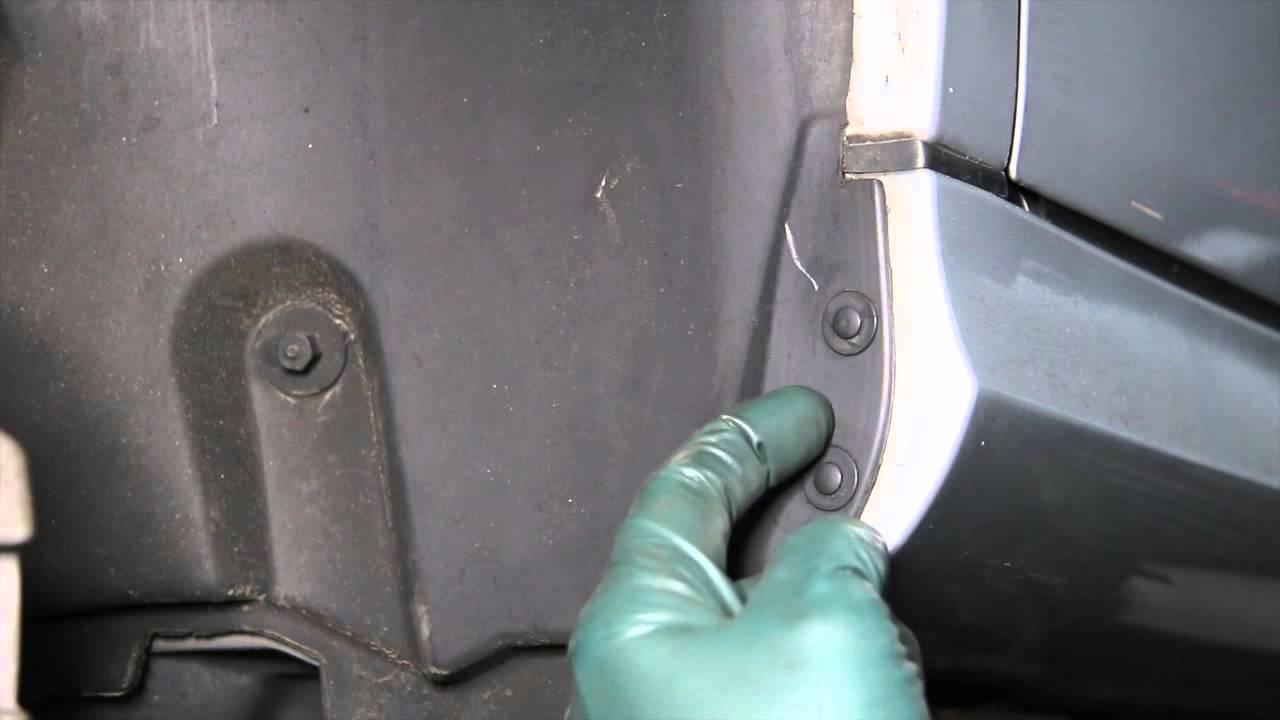
Push Rivets
Push rivets are simple and easy to use. They have a pin that pushes into a hole. This expands the legs and holds parts tightly. To remove, pull the pin out first. Then pull the rivet body out.
Snap Clips
Snap clips hold parts by snapping into place. They have flexible arms that grip the edges. Use a flat tool to press the arms gently. This releases the clip without breaking it.
Plastic Screws
Plastic screws look like metal screws but are lighter. They twist into plastic or metal holes. Use the correct screwdriver to turn them out. Avoid using too much force to stop stripping.
Panel Fasteners
Panel fasteners secure panels and covers tightly. They often snap or twist into position. Some have tabs that you press to release. Others need a tool to pry them open carefully.
Tools Needed For Removal
Removing plastic fasteners requires the right tools for safe and easy work. Using proper tools prevents damage to the fastener and the surface. The right equipment makes the job faster and less frustrating. Here are some common tools needed for removing plastic fasteners.
Trim Removal Tools
Trim removal tools are designed to pry plastic fasteners without scratching surfaces. They come in different shapes and sizes for various fasteners. These tools are made from plastic or nylon to avoid damage. Using trim tools helps keep your vehicle or item looking good.
Flathead Screwdrivers
Flathead screwdrivers work well for loosening some plastic fasteners. Their flat, thin blade fits under the fastener head to lift it gently. Choose a small or medium screwdriver to avoid breaking the fastener. Be careful to apply even pressure while prying.
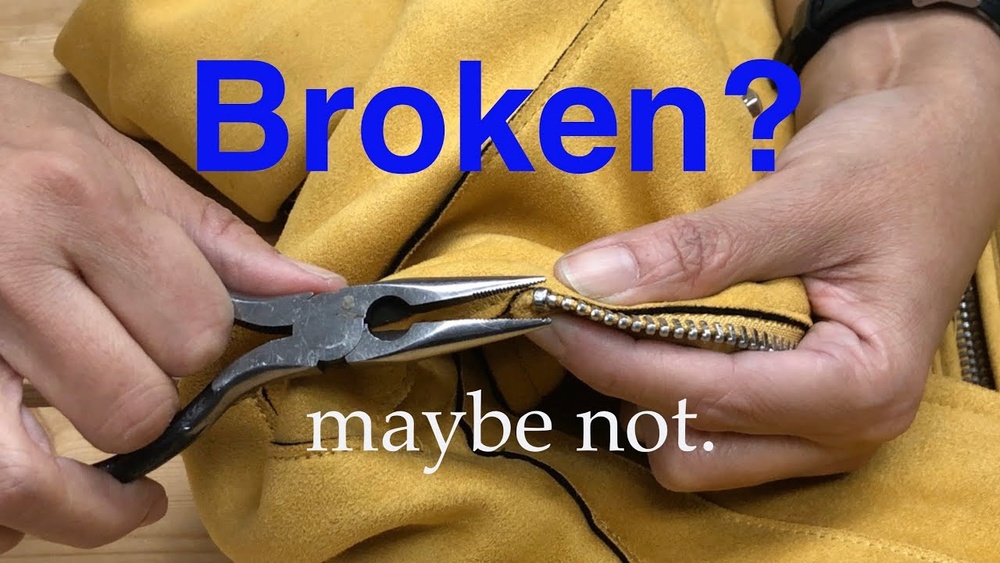
Needle-nose Pliers
Needle-nose pliers grab and pull out stubborn plastic fasteners. Their narrow tips reach tight spaces and provide a strong grip. Squeeze the handles to hold the fastener firmly before pulling it out. These pliers are helpful for fasteners that twist or snap off easily.
Heat Guns
Heat guns soften plastic fasteners to make removal easier. Warm the fastener for a few seconds without overheating. Softened plastic becomes more flexible and less likely to break. Use heat guns carefully to avoid damage to nearby parts.
Step-by-step Removal Methods
Removing plastic fasteners can be tricky without the right method. Using proper steps ensures no damage to surfaces. Follow these easy step-by-step removal methods for best results.
Using Trim Removal Tools
Trim removal tools are designed to safely remove plastic fasteners. Slide the tool gently under the fastener’s head. Push the handle down slowly to lift the fastener out. These tools reduce risk of scratching or breaking the plastic.
Prying With Screwdrivers
A flat-head screwdriver can work if no trim tool is available. Place the blade under the fastener’s edge. Twist the screwdriver carefully to pry the fastener loose. Be gentle to avoid damaging the surrounding area.
Applying Heat For Loosening
Heat softens the plastic, making removal easier. Use a hairdryer or heat gun on low setting. Warm the fastener for about 30 seconds. Test if the fastener moves easily before pulling it out.
Twisting And Pulling Techniques
Some fasteners come out by twisting them first. Grip the fastener head firmly. Twist it left and right to loosen the grip. Then pull it straight out with steady force. This method works well for many push-type fasteners.
Credit: www.autoevolution.com
Tips To Avoid Damage
Removing plastic fasteners requires care to avoid damage. Damaging surfaces or breaking fasteners can cause extra work. Follow simple tips to protect your materials and tools. These tips keep your project smooth and safe.
Protecting Surrounding Surfaces
Cover nearby areas with cloth or tape. This stops scratches and dents from tools. Use soft materials to cushion the surface. Keep tools steady and away from edges. Protecting surfaces saves time on repairs later.
Applying Gentle Pressure
Press slowly and evenly to avoid breaking the fastener. Too much force can crack plastic or damage parts. Use tools designed for plastic fasteners. Let the tool do the work, not your strength. Gentle pressure helps remove fasteners without harm.
Working In Well-lit Areas
Bright light helps you see the fastener clearly. Shadows can hide important details and cause mistakes. Use natural light or a strong lamp. Clear visibility prevents accidental damage. Good lighting improves your accuracy and safety.
Dealing With Stubborn Fasteners
Plastic fasteners sometimes get stuck tight. Removing them can be tricky and needs care. Stubborn fasteners may break or damage parts if forced. Patience and the right tools help a lot. Here are ways to handle tough plastic fasteners safely.
Lubrication Options
Apply a small amount of lubricant to the fastener. Use WD-40, silicone spray, or light oil. Let it sit for 5 to 10 minutes. The lubricant reduces friction and loosens the fastener. Wipe away excess to avoid mess. Then try to remove the fastener gently.
Cutting And Replacing
If the fastener won’t budge, cutting might be needed. Use a sharp utility knife or small saw. Cut carefully to avoid damaging nearby parts. Remove the broken pieces with pliers. Replace the fastener with a new one of the same type. This keeps the hold strong and secure.
When To Seek Professional Help
Some fasteners are too hard to remove alone. Damage risks rise with forced removal. Visit a mechanic or repair shop for help. Professionals have special tools and skills. They can remove fasteners without harm. This saves time and prevents costly repairs.

Credit: www.pointsunknown.com
Reusing Vs Replacing Fasteners
Deciding whether to reuse or replace plastic fasteners can save time and money. Reusing fasteners works when they are still strong and intact. Replacing fasteners ensures a secure hold if the old ones are worn or damaged. Knowing when to reuse or replace fasteners helps maintain the quality of your work.
Assessing Fastener Condition
Check fasteners carefully for cracks or breaks. Look for any signs of wear or stretching. Test if the fastener still holds tightly. Damaged fasteners should not be reused. Good condition fasteners can be cleaned and reused safely.
Choosing Replacement Types
Select fasteners that match the original size and type. Use plastic fasteners made for the specific material. Avoid using different fasteners that may not fit well. Buy replacements from trusted brands for better quality. Correct fasteners provide a strong and lasting hold.
Proper Installation Tips
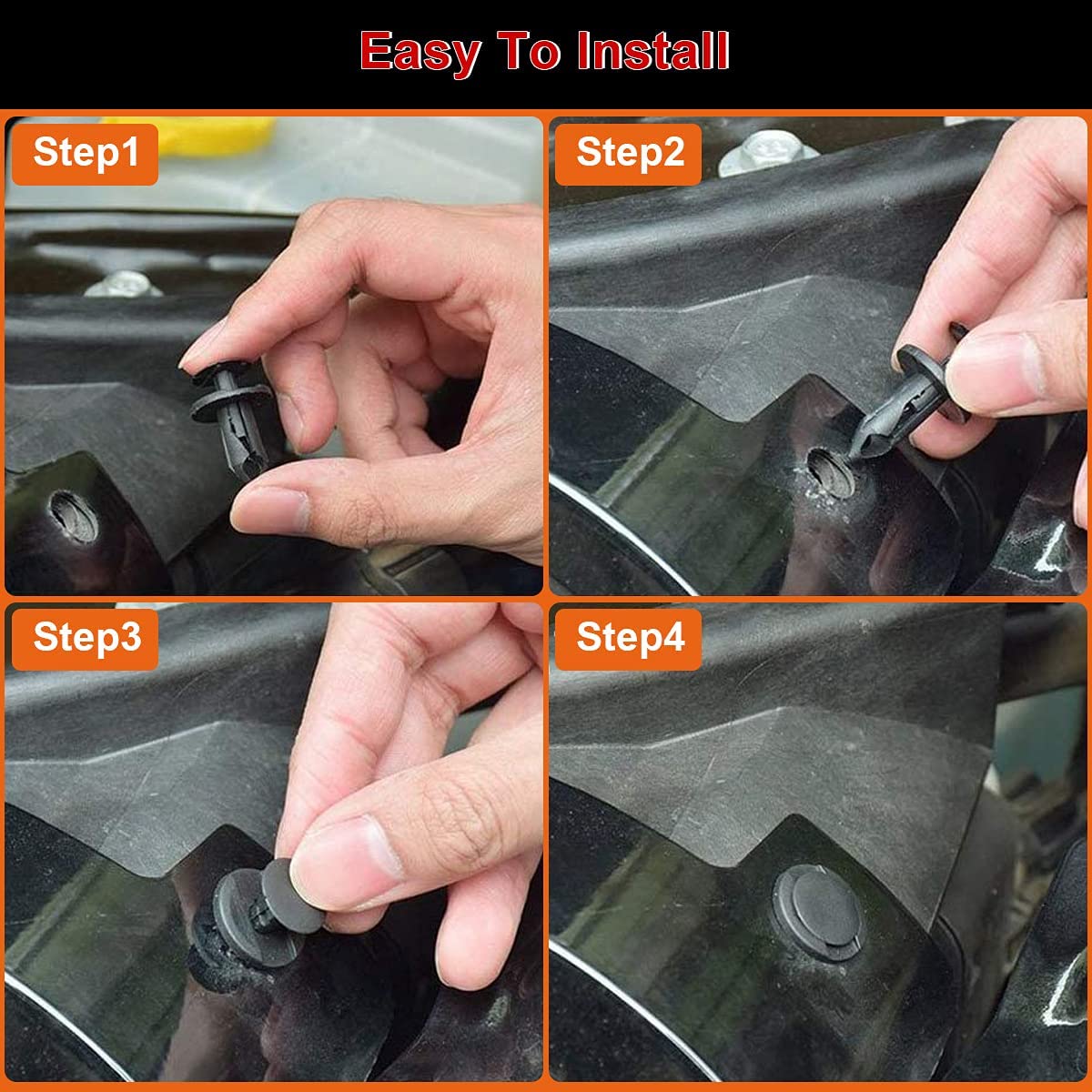
Insert fasteners straight to avoid bending or breaking. Push or snap them gently into place. Avoid forcing fasteners with too much pressure. Make sure fasteners lock securely before finishing. Proper installation extends fastener life and keeps parts tight.
Frequently Asked Questions
What Tools Are Best For Removing Plastic Fasteners?
Use a flathead screwdriver or plastic trim removal tool. These tools prevent damage to surrounding surfaces. Avoid sharp objects to protect the fastener and material.
How Do I Safely Remove Plastic Fasteners Without Breaking Them?
Gently pry under the fastener’s head with a trim tool. Apply steady, even pressure to avoid snapping. Work slowly to release clips intact for reuse.
Can Plastic Fasteners Be Reused After Removal?
Yes, plastic fasteners can often be reused if undamaged. Inspect clips for cracks or deformation before reinstallation. Reusing saves cost and maintains secure fastening.
Why Do Plastic Fasteners Break During Removal?
Plastic fasteners break due to excessive force or improper tools. They are brittle and require gentle prying. Use the right removal technique to minimize breakage.
Conclusion
Removing plastic fasteners can be simple and safe with the right tools. Take your time and work carefully to avoid damage. Use gentle pressure and the proper method for each fastener type. Practice helps you get better and faster. Clean the area after removal for best results.
Keep these tips in mind for future projects. Plastic fasteners don’t have to be a hassle anymore. You can handle them with confidence and ease.