Are you looking for a simple, reliable way to hold your papers or projects together? Brass fasteners might be exactly what you need.
They are easy to use, sturdy, and add a neat finish to your work. You’ll discover step-by-step how to use brass fasteners effectively, whether for school, office, or creative crafts. By the end, you’ll feel confident handling them like a pro—and your projects will look sharper and stay secure.
Let’s dive in and make your fastening tasks quick and hassle-free!
Choosing The Right Brass Fasteners
Choosing the right brass fasteners is key for a strong and lasting hold. Brass fasteners come in many types and sizes. Each type fits different projects and materials. Picking the correct fastener saves time and effort. It also ensures your work looks neat and professional.
Types Of Brass Fasteners
Brass fasteners include screws, nails, rivets, and split pins. Screws offer a tight grip and can be removed easily. Nails work well for light wood and soft materials. Rivets provide a permanent hold for metal or leather. Split pins are good for holding parts that need to move slightly.
Selecting Based On Project Needs
Think about the material you are joining. Softwood or paper needs smaller, gentler fasteners. Metal or thick wood requires stronger types like rivets or screws. Consider if the fastener will stay in place or if you need to remove it later. Also, check if the fastener should resist rust or corrosion.
Size And Strength Considerations
Choose a size that fits the material thickness. Too short fasteners will not hold well. Too long ones can damage the project. Strength matters for heavy or load-bearing items. Thicker brass fasteners are stronger but less flexible. Match the strength to your project’s needs for best results.
Tools Needed For Brass Fastener Projects
Using brass fasteners is simple with the right tools. These tools help you work faster and create strong connections. Gather all necessary tools before starting your project. This saves time and avoids mistakes.
Essential Hand Tools
Basic hand tools make brass fastener projects easier. A good pair of scissors or a craft knife helps cut paper or thin materials. A ruler or measuring tape ensures accurate placement. A small hammer or mallet can help tap the fastener into place gently. Needle-nose pliers hold and bend the fastener’s prongs securely.
Power Tools That Help
Power tools are not always required but can speed up work. A drill with a small drill bit makes holes for fasteners in thicker materials. An electric screwdriver helps tighten screws if your project uses them. Use power tools carefully to avoid damaging delicate materials.
Safety Gear To Use
Safety is important during any project. Wear safety glasses to protect your eyes from flying bits or metal pieces. Gloves protect your hands from sharp edges of fasteners and tools. Work on a clean, stable surface to avoid slips and accidents. Keep tools organized to prevent injuries.
Preparing Materials For Fastening
Preparing materials for fastening is an essential step before using brass fasteners. Proper preparation ensures a strong hold and neat finish. Taking time to prepare materials saves effort and avoids mistakes later.
Marking And Measuring Accurately
Start by marking where the fastener will go. Use a pencil or fine-tip marker for clear marks. Measure twice to be sure the position is right. Accurate marks help align parts perfectly.
Drilling Holes Correctly
Choose a drill bit that matches the fastener size. Drill straight holes to make insertion easier. Drill slowly to avoid splitting or damaging the material. Check the holes fit the fasteners snugly but not tight.
Cleaning And Smoothing Surfaces
Remove dust and debris from holes and surfaces. Use sandpaper or a file to smooth rough edges. Clean surfaces help fasteners grip better. Smooth surfaces also create a clean, professional look.
Credit: www.youtube.com
Step-by-step Fastening Techniques
Using brass fasteners correctly makes your projects neat and strong. Follow clear steps to insert, secure, and tighten them. Avoid common mistakes to keep your work tidy and lasting.
Inserting Brass Fasteners
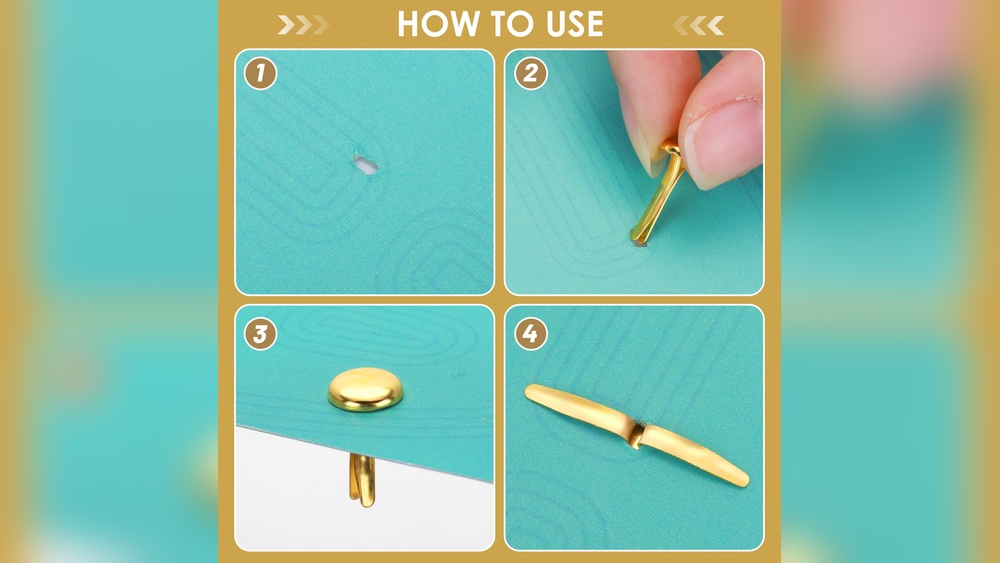
Start by punching a small hole through the materials. Push the brass fastener’s prongs through the hole. Make sure the prongs go all the way through both layers. Hold the materials firmly to keep them steady.
Securing And Tightening
Bend the prongs outwards flat against the back surface. Press the prongs down tightly to avoid movement. Use your fingers or a flat tool for extra pressure. Check the front side to confirm the fastener is flush.
Avoiding Common Mistakes
Do not force the fastener through thick materials. Avoid bending prongs too early or too late. Keep holes clean and sized right for the fastener. Handle prongs gently to prevent breakage or bending.
Maintaining And Finishing Projects
Maintaining and finishing projects with brass fasteners is key to keeping them strong and looking good. Proper care helps the fasteners last longer and keeps your work neat. Simple steps can protect brass from damage and keep its shine.
Cleaning Brass Fasteners
Clean brass fasteners gently to remove dirt and grime. Use a soft cloth or brush with mild soap and warm water. Avoid harsh chemicals that can damage the metal. Dry the fasteners fully after cleaning to stop rust or stains.
Preventing Tarnish And Corrosion
Tarnish makes brass look dull and old. Keep fasteners dry and store them in a cool place. Use anti-tarnish strips or bags for extra protection. Regular checks help catch early signs of corrosion before damage spreads.
Adding Protective Coatings
Apply clear lacquer or wax to shield brass fasteners from air and moisture. This layer keeps the metal bright and stops rust. Make sure the fasteners are clean and dry before coating. Reapply coatings every few months for continued protection.

Credit: www.amazon.com
Creative Uses For Brass Fasteners
Brass fasteners are simple tools with many creative uses. Their shiny surface and sturdy build make them perfect for projects beyond just holding papers. These fasteners add charm and function to crafts, decorations, and repairs. Explore how to use brass fasteners in different ways to brighten up your work and fix things easily.
Decorative Applications
Brass fasteners bring a vintage look to decorations. Use them to attach tags or labels on gift packages. They add a classic touch to scrapbook pages and photo albums. You can also create patterns with them on wood or cardboard. Their bright finish catches light, making your projects pop. Brass fasteners work well on fabric too, adding style and detail.
Craft And Diy Ideas
Craft lovers enjoy using brass fasteners in many DIY projects. Make movable parts in paper toys and models with them. They allow sections to spin or open and close. Use fasteners to join pieces of cardboard or thin wood. They help build custom organizers, bookmarks, and jewelry. Kids find them easy to use, making art fun and interactive. Fasteners add both function and beauty to crafts.
Repairs And Reinforcements
Brass fasteners fix torn papers without glue or tape. Use them to mend broken book bindings or torn pages. They strengthen weak joints in light furniture or boxes. Fasteners hold together parts that need to move or adjust. They work well for temporary repairs on bags or clothes. Brass fasteners are quick solutions that save time and effort. Their durability helps keep items intact longer.

Credit: www.youtube.com
Frequently Asked Questions
What Are Brass Fasteners Used For?
Brass fasteners secure papers, fabrics, and lightweight materials. They are durable, rust-resistant, and ideal for crafts, office use, and light mechanical applications.
How Do You Properly Insert Brass Fasteners?
Pierce materials with a hole punch. Insert the fastener’s prongs through the hole. Fold prongs outward to lock firmly in place.
Can Brass Fasteners Be Reused?
Yes, brass fasteners can be reused multiple times. Simply straighten the prongs carefully and remove the fastener without damage.
Are Brass Fasteners Strong Enough For Heavy Materials?
Brass fasteners work best with light to medium materials. For heavy-duty tasks, stronger fasteners like steel rivets are recommended.
Conclusion
Brass fasteners hold materials tightly and last a long time. They are easy to use with simple steps. Choose the right size for your project. Always press firmly to keep things secure. These fasteners work well for papers, crafts, and light repairs.
Using them saves time and effort. Try them in your next project for neat results. Small tools, big help. Keep practicing to get better each time.