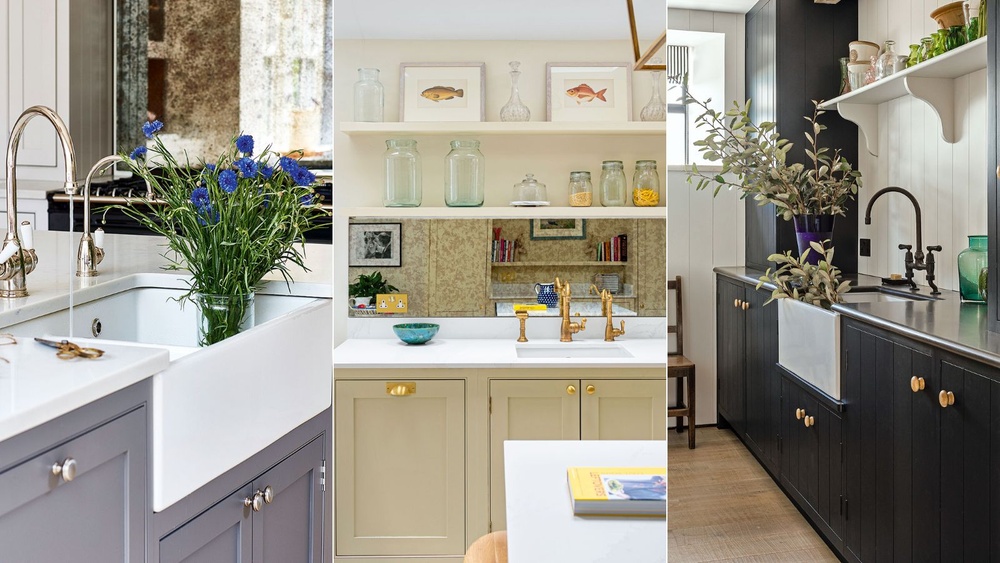
Is your Restoration Hardware medicine cabinet showing signs of wear or damage? You don’t need to replace it just yet.
With a few simple steps, you can bring your cabinet back to life and keep it looking stunning. Imagine saving money and avoiding the hassle of buying a new one—all while preserving the style you love. In this guide, you’ll discover easy, practical tips to repair your medicine cabinet quickly and effectively.
Keep reading, and you’ll have your cabinet looking great again in no time.

Credit: www.remodelista.com
Common Issues With Medicine Cabinets
Medicine cabinets face wear and tear over time. Daily use causes small problems that need fixing. Knowing common issues helps keep the cabinet useful and safe. Below are some frequent problems with Restoration Hardware medicine cabinets and how they affect the unit.
Loose Hinges And Doors
Hinges often loosen after repeated use. Doors may sag or not close properly. Loose hinges make the cabinet look old and less secure. Tightening screws or replacing hinges can restore door function.
Damaged Shelves
Shelves carry weight daily and can crack or break. Water spills may cause wood shelves to warp. Glass shelves can chip or shatter. Replacing damaged shelves keeps the cabinet stable and safe.
Mirror Problems
Mirrors can fog, crack, or lose shine. Scratches and stains reduce mirror clarity. Loose mirror panels may fall and cause injury. Cleaning carefully and fixing cracks improves the cabinet’s look.
Rust And Corrosion
Metal parts face moisture in bathrooms. Rust weakens hinges, screws, and shelf brackets. Corrosion can spread and damage the cabinet frame. Removing rust and applying protective coatings extend cabinet life.
Tools And Materials Needed
Repairing a Restoration Hardware medicine cabinet needs the right tools and materials. Having these ready helps the process go smoothly. It also ensures the repair lasts longer and looks good.
Gathering all necessary items before starting saves time. It keeps the workspace organized and safe. Below are the key tools and materials you will need.
Basic Hand Tools
Start with simple hand tools. A screwdriver set with flat and Phillips heads is essential. A small hammer might be useful for light tapping. Needle-nose pliers help with gripping small parts. A measuring tape ensures correct sizing during repairs. Also, keep a utility knife handy for trimming or cutting tasks.
Replacement Parts
Identify the exact parts that need replacement. Common parts include hinges, screws, and glass panels. Restoration Hardware often uses specific finishes, so match those carefully. Order parts from trusted suppliers to ensure quality. Keep extras of small parts like screws and washers for safety.
Cleaning Supplies
Cleaning the cabinet before repair is important. Use a mild soap solution with a soft cloth to remove dirt. Avoid harsh chemicals that may damage finishes. Glass cleaner works well for mirror surfaces. A soft brush helps remove dust from corners. Clean surfaces allow better adhesion and a neat finish.
Fixing Hinges And Doors
Fixing hinges and doors on your Restoration Hardware medicine cabinet keeps it working well. These parts often wear out or get loose over time. Repairing them is simple and improves cabinet function and appearance.
Follow easy steps to tighten screws, replace broken hinges, and adjust door alignment. Each step helps the cabinet open and close smoothly. Proper care extends the life of your medicine cabinet.
Tightening Screws
Check all hinge screws for looseness. Use a screwdriver to tighten them firmly. Loose screws cause doors to sag or not close properly. Tightening screws restores stability quickly. Do this every few months for best results.
Replacing Broken Hinges
Remove the door from the cabinet carefully. Unscrew the broken hinge from the door and frame. Buy matching hinges from a hardware store. Attach new hinges in the same spots. Rehang the door and test its movement. New hinges improve strength and function.
Adjusting Door Alignment
Look at the door’s position when closed. If it sits crooked or gaps appear, adjust the hinges. Loosen screws slightly to shift the door up or down. Tighten screws after adjusting. Proper alignment keeps the door flush and sealed. Check alignment after each adjustment for best fit.
Repairing And Replacing Shelves
Repairing and replacing shelves in your Restoration Hardware medicine cabinet can restore its function and appearance. Shelves often hold daily essentials, so keeping them sturdy matters. This section guides you through checking shelf damage, installing new shelves, and securing the supports.
Assessing Shelf Damage
Start by removing items from the shelves. Look for cracks, warping, or stains on the shelf surface. Check if the shelf feels loose or wobbly. Inspect the edges and corners for chips or splits. Note any broken shelf supports or missing brackets. This step helps decide if you need repair or a full replacement.
Installing New Shelves
Measure the shelf space accurately. Choose shelves that fit the cabinet size and style. Cut the new shelf to the right dimensions if needed. Sand the edges to smooth any rough parts. Place the shelf gently inside the cabinet. Test that it sits level and stable before securing it.
Securing Shelf Supports
Identify the type of shelf supports used in your cabinet. Common types include metal brackets, pegs, or clips. Insert new supports if the old ones are damaged. Ensure supports fit snugly into the side holes or slots. Place the shelf on the supports and press down firmly. Check that the shelf does not move or tilt.
Restoring The Mirror
Restoring the mirror on your Restoration Hardware medicine cabinet brings back its original charm. A clear, shiny mirror makes your bathroom look fresh and clean. Simple steps can fix scratches, replace panels, and polish the glass. These steps help your cabinet look new again without much cost.
Removing Scratches
Light scratches on the mirror do not need full replacement. Use a glass polishing paste or a mix of baking soda and water. Apply gently with a soft cloth in small circles. Wipe clean with a damp cloth. Repeat if needed until scratches fade. Avoid harsh scrubbing that can worsen the damage.
Replacing The Mirror Panel
If the mirror is cracked or badly damaged, replace the panel. Measure the mirror size carefully before buying a new one. Remove the old mirror by loosening screws or clips. Handle the glass with care to avoid injury. Install the new mirror by securing it in place with the original hardware. Make sure it fits snugly and safely.
Cleaning And Polishing Tips
Keep your mirror bright with regular cleaning. Use a glass cleaner or a mixture of vinegar and water. Spray the solution and wipe with a lint-free cloth. Polish with a dry microfiber cloth to avoid streaks. Clean edges and corners to remove dust buildup. This keeps the mirror clear and shiny for years.

Credit: www.amazon.com
Preventing Rust And Corrosion
Rust and corrosion damage medicine cabinets quickly. Preventing these issues keeps your cabinet looking new. It also extends the cabinet’s life. Metal parts are most at risk. Moisture and air cause rust. Taking simple steps stops this damage early.
Cleaning Metal Parts
Clean metal parts often to stop rust build-up. Use a soft cloth with mild soap and water. Avoid harsh chemicals that damage metal. Dry parts completely after cleaning. Moisture left on metal invites rust. Regular cleaning keeps surfaces smooth and rust-free.
Applying Protective Coatings
Protective coatings shield metal from air and water. Use clear varnish or rust-resistant paint. Apply coatings in thin, even layers. Let each layer dry fully before adding more. These coatings form a barrier. This barrier stops moisture from reaching metal.
Maintaining Proper Ventilation
Good ventilation reduces moisture inside the bathroom. Keep windows open or use exhaust fans. Air flow prevents dampness around the cabinet. Avoid placing the cabinet where air does not move. Dry air lowers the chance of rust forming. Proper ventilation helps keep the cabinet dry and safe.
Expert Tips For Long-term Care
Taking care of your Restoration Hardware medicine cabinet helps keep it looking good and working well. Simple steps can extend its life and keep it from breaking. Proper care stops small problems from turning into big repairs.
Follow expert tips for long-term care to protect your investment. These tips cover regular checks, avoiding common errors, and knowing when to call a pro. Keeping your cabinet in top shape is easier with a clear plan.
Regular Maintenance Schedule
Set a routine to clean and inspect your cabinet every few months. Use a soft cloth and mild cleaner to wipe surfaces. Check hinges and handles for tightness. Look for signs of rust or damage. Early fixes prevent costly repairs later.
Avoiding Common Mistakes
Don’t use harsh chemicals that can damage finishes. Avoid overloading shelves beyond their weight limit. Be gentle when opening and closing doors. Never ignore small scratches or loose parts. These habits keep your cabinet strong and neat.
When To Seek Professional Help
Call a professional if you see water damage or mold. Get help for broken glass or faulty locks. If repairs seem too complex, a technician can fix issues safely. Professionals ensure your cabinet stays functional and safe.
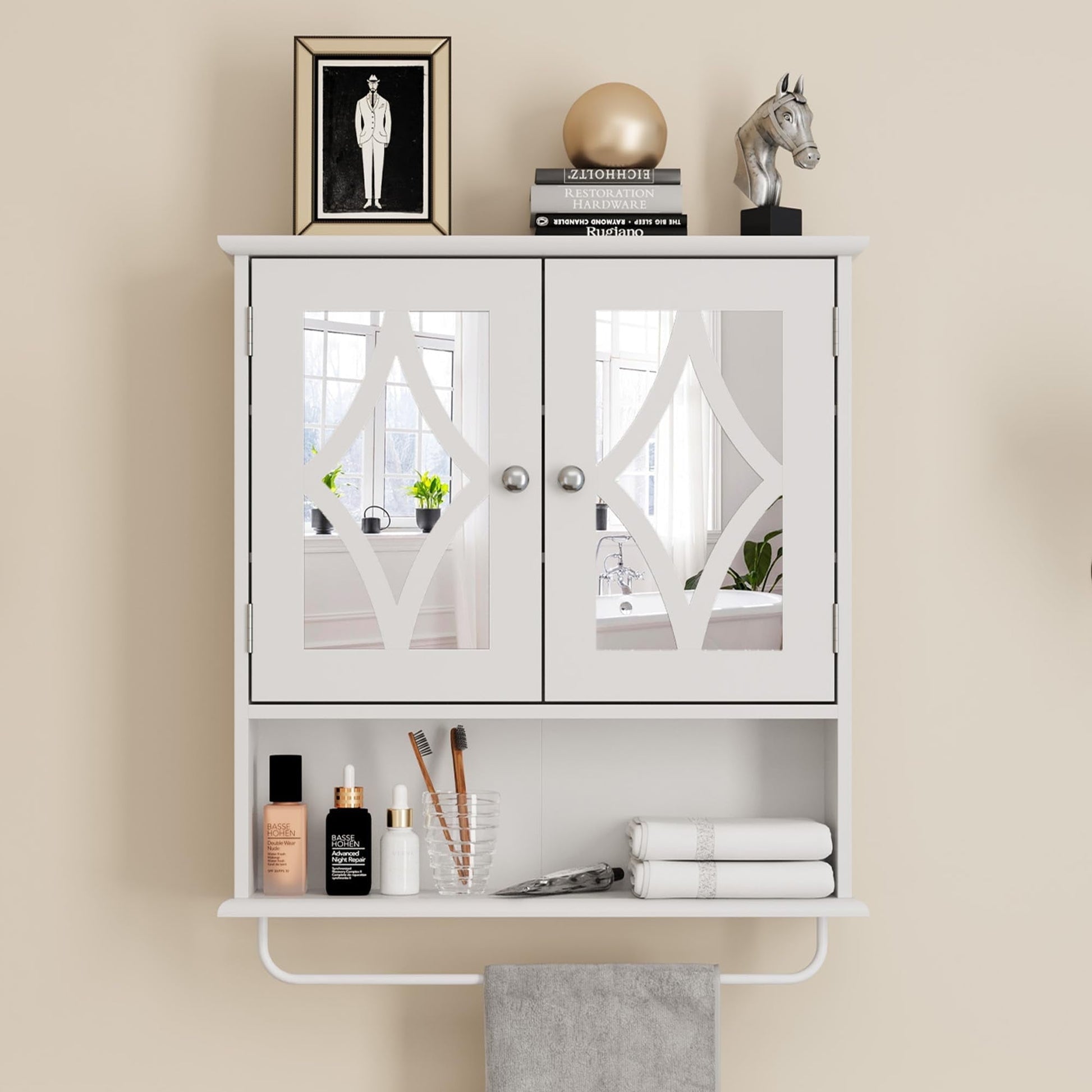
Credit: royalcraft.store
Frequently Asked Questions
How Do I Fix A Loose Door On Restoration Hardware Cabinet?
Tighten or replace the hinges using a screwdriver or drill. Check hinge screws regularly for wear and retighten as needed to ensure the door stays secure.
What Materials Are Needed To Repair Restoration Hardware Cabinet Scratches?
Use fine-grit sandpaper, wood filler, and matching stain or paint. Apply filler to scratches, sand smoothly, then repaint or stain to blend with the original finish.
Can I Replace Broken Glass In Restoration Hardware Cabinets?
Yes, carefully remove the broken glass and measure it. Order a replacement piece from a glass supplier and install it with glazing points or clips.
How To Fix A Rusty Hinge On A Restoration Hardware Cabinet?
Remove the hinge, clean rust with steel wool or rust remover. Apply lubricant or paint to prevent future rust, then reinstall the hinge securely.
Conclusion
Repairing your Restoration Hardware medicine cabinet is simpler than it seems. Small fixes can make a big difference. Take your time and follow clear steps. Use basic tools and materials you trust. This keeps your cabinet looking fresh and functional.
A well-kept cabinet adds charm to any bathroom. Don’t rush; careful work brings better results. Keep your space organized and neat with a repaired cabinet. Simple care can extend its life for years. Try these tips and enjoy your cabinet every day.