Have you ever wondered what holds things together behind the scenes? Whether it’s your favorite chair, the car you drive, or the gadgets you use daily, fasteners play a crucial role in keeping everything secure.
But what exactly is a fastener, and why should you care? Understanding fasteners can help you make smarter choices for repairs, projects, and even your safety. Keep reading, and you’ll discover the simple yet powerful world of fasteners—and how they impact your life more than you might think.

Credit: snoblox-snojax.com
Fastener Basics
Fasteners are small devices that hold things together. They play a big role in many projects. Understanding the basics helps in choosing the right fastener for any job.
Fasteners come in many shapes and sizes. Each type serves a special purpose. They make sure parts stay connected and stable.
What Is A Fastener
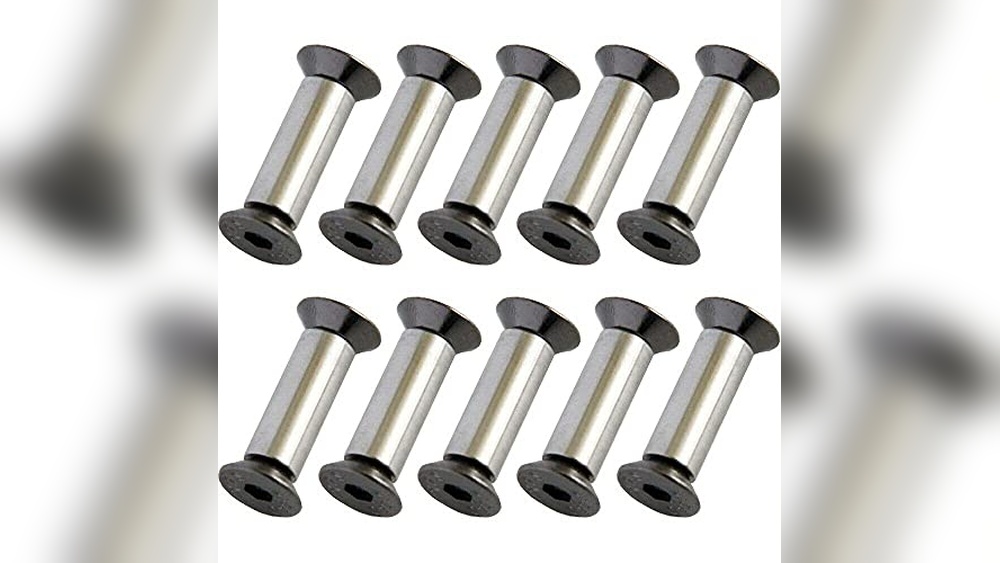
A fastener is a tool used to join two or more objects. Common types include screws, bolts, nuts, and nails. They work by gripping or threading into materials.
Fasteners can be temporary or permanent. Some allow easy removal, while others hold parts tightly forever. Their design depends on the materials and forces involved.
Importance In Construction And Manufacturing
Fasteners keep buildings and machines strong and safe. Without them, structures could fall apart easily. They hold beams, panels, and parts in place.
In manufacturing, fasteners speed up assembly. They help build cars, appliances, and electronics. Choosing the right fastener saves time and costs.
Fasteners also allow repairs and upgrades. Loose or broken fasteners can cause damage. Regular checks keep everything working well and secure.
Common Fastener Types
Fasteners join two or more objects together. They hold parts in place and give strength. Different jobs need different fasteners. Knowing common fastener types helps choose the right one. Each type has a special use and design.
Nails And Their Uses
Nails are thin metal pins with a flat head. They push into wood or soft materials. Builders use nails for framing and carpentry. Nails work best with wood because they hold tight. They are quick to install with a hammer or nail gun.
Screws Varieties
Screws have threads that grip materials firmly. They come in many shapes and sizes. Wood screws are common for woodwork. Machine screws fit into threaded holes. Screws hold stronger than nails in many cases. A screwdriver or drill drives screws in place.
Bolts And Nuts
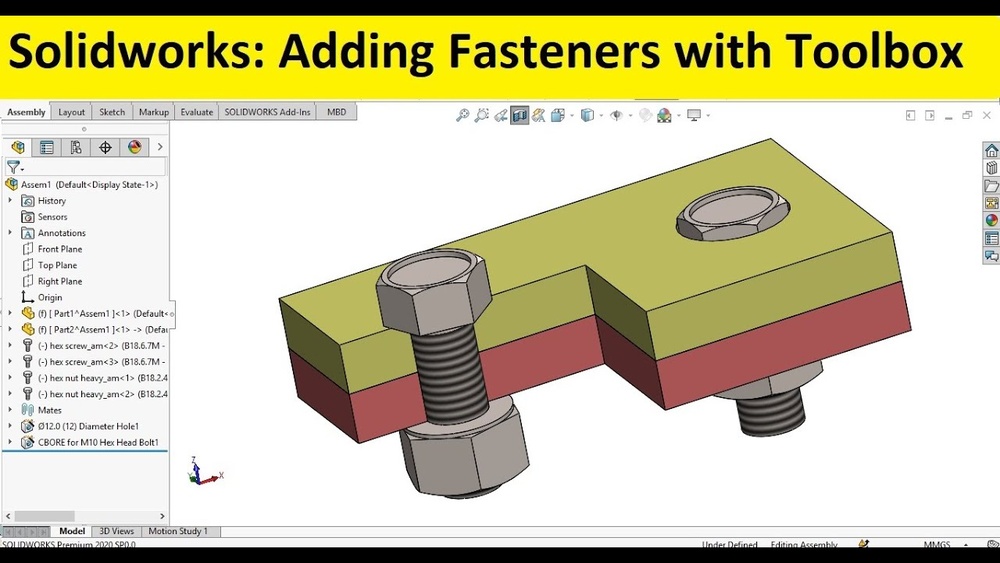
Bolts are thick, strong fasteners with threads. They pass through holes and secure with nuts. Nuts twist onto bolts to lock parts together. Bolts and nuts join metal parts tightly. They are used in machines, cars, and construction.
Rivets Explained
Rivets are permanent fasteners that join metal sheets. They have a smooth shaft and a head on one end. Rivets go through holes and spread out inside. This creates a strong bond that does not loosen. Rivets are common in bridges, airplanes, and heavy equipment.
Clips And Clamps
Clips and clamps hold parts without drilling or screws. Clips snap parts together quickly and easily. Clamps press parts firmly during work or repair. They come in many shapes for different tasks. Clips and clamps are handy for temporary or light holds.
Materials Used In Fasteners
Fasteners are small but mighty parts. They hold things together in machines, buildings, and everyday items. Choosing the right material for a fastener affects its strength and durability. Different materials suit different jobs. Some resist rust, others handle heat or pressure better. Let’s explore common materials used in fasteners.
Steel Fasteners
Steel is the most common fastener material. It is strong and cost-effective. Steel fasteners work well for heavy-duty tasks. They can bear high loads and resist wear. Often, steel fasteners get coated to stop rust. Zinc or chrome coatings add protection. Steel fasteners fit many industries, from construction to automotive.
Stainless Steel Benefits
Stainless steel fasteners resist rust and corrosion. They contain chromium, which forms a protective layer. These fasteners last long in wet or humid places. Ideal for kitchens, bathrooms, and outdoor use. Stainless steel is easy to clean and looks good. It costs more but needs less maintenance. Strength and rust resistance make it popular.
Brass And Copper Options
Brass and copper fasteners shine in decorative and electrical uses. Brass has a gold-like color and resists corrosion. Copper fasteners conduct electricity well. Both materials resist rust but are softer than steel. They suit low-stress applications where appearance matters. Brass and copper add style and function.
Plastic Fasteners
Plastic fasteners offer light weight and corrosion resistance. They do not conduct electricity, making them safe for electronics. Plastic fasteners suit low-strength uses and harsh environments. Types include nylon, polypropylene, and PVC. Plastic fasteners resist chemicals and moisture well. They are easy to shape and cost less.
Choosing The Right Fastener
Choosing the right fastener is key for a strong and lasting hold. The fastener must fit the materials and the job it needs to do. Picking the wrong one can cause damage or failure. Understanding some basic points helps in making the best choice.
Matching Fastener To Material
Different materials need different fasteners. Wood needs screws with coarse threads to grip well. Metal requires fasteners with fine threads for tight fitting. Plastic needs fasteners that won’t crack the material. Check what the material is before picking a fastener.
Load And Strength Considerations
Think about how much weight the fastener must hold. Heavy loads need stronger fasteners made from steel or other tough metals. Light loads can use smaller or softer fasteners. The right strength prevents the fastener from bending or breaking.
Corrosion Resistance Needs
Fasteners can rust if exposed to water or chemicals. Choose stainless steel or coated fasteners for wet or outdoor use. Corrosion-resistant fasteners last longer and keep the connection strong. Consider the environment where the fastener will be used.
Installation Techniques
Installing fasteners correctly is key to strong and lasting connections. The right technique ensures parts hold together safely. This section explains common installation methods for fasteners. It covers tools, torque, and safety steps. Follow these tips to do the job well.
Hand Tools Vs Power Tools
Hand tools include screwdrivers, wrenches, and pliers. They offer control and precision for small jobs. Power tools like drills and impact drivers speed up installation. They work best for many fasteners or tough materials. Choose hand tools for delicate tasks. Use power tools for efficiency and power.
Proper Torque Application
Torque means the turning force on a fastener. Too much torque can break or strip it. Too little torque makes connections weak and loose. Use a torque wrench to apply the right force. Follow manufacturer torque specs for each fastener. Correct torque keeps parts secure and safe.
Safety Tips During Installation
Wear safety glasses to protect your eyes. Keep fingers clear of moving parts and sharp edges. Use gloves if handling rough materials or sharp fasteners. Check tools for damage before use. Work in a well-lit area to see clearly. Stop if something feels wrong or unsafe.
Innovations In Fasteners
Fasteners are small but essential parts that hold things together. New ideas and technology are changing how fasteners work and what they are made of. These changes help make products stronger, safer, and better for the environment. Let’s explore some of the latest innovations in fasteners.
Smart Fasteners
Smart fasteners have sensors built inside them. They can check how tight they are or if they are damaged. This helps prevent accidents by warning before a problem happens. These fasteners can send data to devices for easy monitoring.
Eco-friendly Materials
Many fasteners are now made from recycled or natural materials. These options reduce waste and pollution. Using eco-friendly fasteners helps protect the planet. They also keep products light and strong.
High-performance Designs
New designs improve fasteners’ strength and durability. These fasteners can handle more pressure and last longer. They are used in cars, airplanes, and buildings. Strong fasteners keep structures safe and reliable.
Common Fastener Applications
Fasteners are small devices that hold things together. They play a big role in many everyday tasks and industries. Different projects need different types of fasteners. Understanding where fasteners are used helps you pick the right one.
Home Improvement Projects
Fasteners are common in home repairs and upgrades. Nails and screws secure walls, cabinets, and shelves. Hooks and anchors hold pictures and curtains. They make building and fixing easier and faster. Choosing the right fastener keeps your home safe and stable.
Automotive Industry
Cars rely on many fasteners to hold parts. Bolts and nuts connect engines, doors, and wheels. Clips and rivets keep wiring and panels in place. Fasteners help keep vehicles strong and safe. They allow quick repairs and maintenance on the road.
Electronics Assembly
Small fasteners are key in electronics. Screws and clips secure circuit boards and screens. They keep devices compact and sturdy. Fasteners help prevent damage from drops and bumps. Proper use makes gadgets last longer and work well.
Furniture Making
Fasteners join wood, metal, and fabric in furniture. Screws, dowels, and bolts hold frames and cushions. They ensure chairs and tables stay steady. Fasteners allow easy assembly and disassembly. Good fasteners improve furniture strength and comfort.
Credit: www.forgeway.com

Credit: gnmcusa.com
Frequently Asked Questions
What Is A Fastener Used For In Construction?
A fastener joins two or more objects securely. It ensures stability and strength in structures. Common fasteners include screws, nails, and bolts.
What Are The Common Types Of Fasteners?
Common fasteners are screws, nails, bolts, nuts, and rivets. Each serves different purposes based on material and strength needs.
How Do You Choose The Right Fastener?
Choose based on material, load, environment, and size. Proper selection prevents damage and ensures durability in applications.
Can Fasteners Be Reused Safely?
Some fasteners can be reused if undamaged. However, many lose strength after removal and should be replaced.
Conclusion
Fasteners hold things together in many ways. They come in different shapes and sizes. Choosing the right fastener helps keep things strong and safe. Simple tools can fix or build with fasteners easily. Understanding fasteners makes repairs and projects easier.
Remember, every small part plays a big role. Fasteners may seem small, but they matter a lot. Keep learning about them to work better with materials.