If you’re working with sheet metal, composites, or any project that demands precise alignment before final assembly, you’ve probably wondered how professionals keep everything perfectly in place. That’s where a Cleco fastener comes in.
This simple yet powerful tool acts like a temporary clamp, holding parts securely so you can focus on the job without worrying about shifting materials. Whether you’re building a custom car body, fitting ductwork, or assembling aircraft panels, understanding what a Cleco fastener is and how it works can save you time and frustration.
Keep reading to discover how this clever device can become your go-to solution for precision and efficiency in your next project.

Credit: en.wikipedia.org
Cleco Fastener Basics
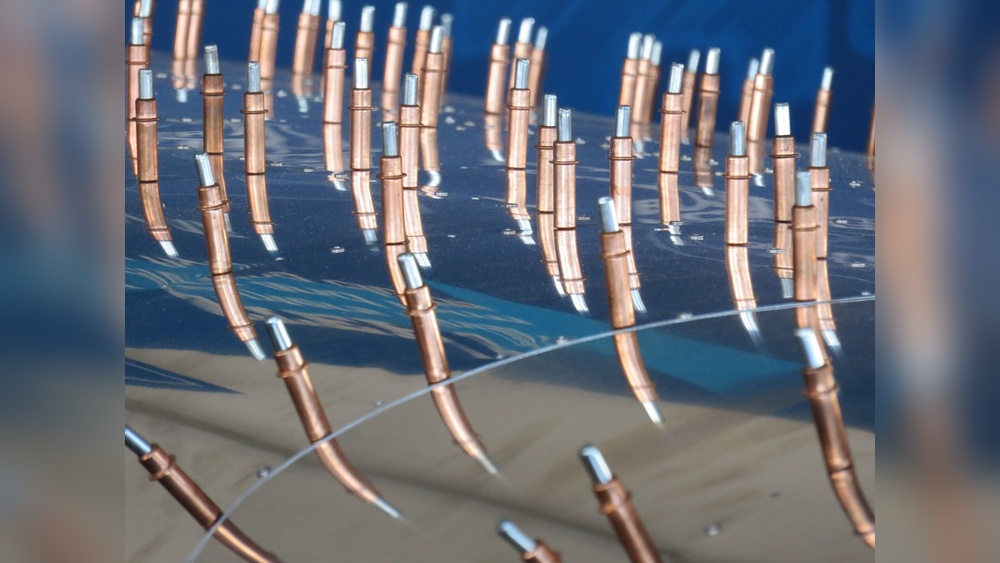
Cleco fasteners are simple tools used to hold metal or composite parts together temporarily. They allow workers to align pieces perfectly before final assembly. These fasteners save time and effort in many industries, including aerospace and automotive. Understanding their basics helps in using them effectively for precise work.
Design And Components
A Cleco fastener has a body, jaws, and a spring inside. The body is usually made of steel or aluminum. The jaws are step-cut and spring-loaded for gripping. A plunger on top works with special pliers. This design allows the fastener to fit tightly in holes.
How Clecos Work
Use special pliers to press the plunger on the fastener. This action pulls the jaws together. Insert the fastener into a pre-drilled hole in the materials. Release the pliers and the jaws open inside the hole. The spring pushes the jaws out, locking the fastener in place. It holds the parts firmly until removed.
Key Benefits
Cleco fasteners offer several key benefits that make them essential for temporary assembly tasks. Their design focuses on providing strong, reliable holding power without permanent attachment. These fasteners help maintain alignment, improve workflow, and allow easy access in challenging spaces.
Each feature of Cleco fasteners supports precise and efficient work. Their temporary nature allows quick changes and adjustments during fabrication. Understanding these benefits can help users choose the right tool for their projects.
Temporary Holding Strength
Cleco fasteners provide a strong grip on sheet materials. They hold parts tightly without slipping or damage. This strength supports secure mockups and test fits. Users can trust Clecos to keep materials stable during work.
Precision Alignment
These fasteners maintain exact positioning of parts. They help keep holes and edges aligned perfectly. This precision is critical in industries like aerospace and automotive. Clecos reduce errors caused by shifting during assembly.
Ease Of Access In Tight Spaces
Cleco fasteners fit into small, hard-to-reach areas. Their design allows installation from one side only. This feature is useful in confined workspaces or complex assemblies. Users can fasten parts without needing full access behind them.
Assembly Efficiency
Using Clecos speeds up the assembly process. They allow quick placement and removal without tools. This saves time compared to screws or clamps. Workers can make fast adjustments and continue fabrication smoothly.
Common Uses
Cleco fasteners find their place in many industries due to their strong, temporary hold. They keep parts aligned during assembly or repairs. Their design allows quick installation and removal without damage. Here are some common uses where Clecos prove very helpful.
Aerospace Applications
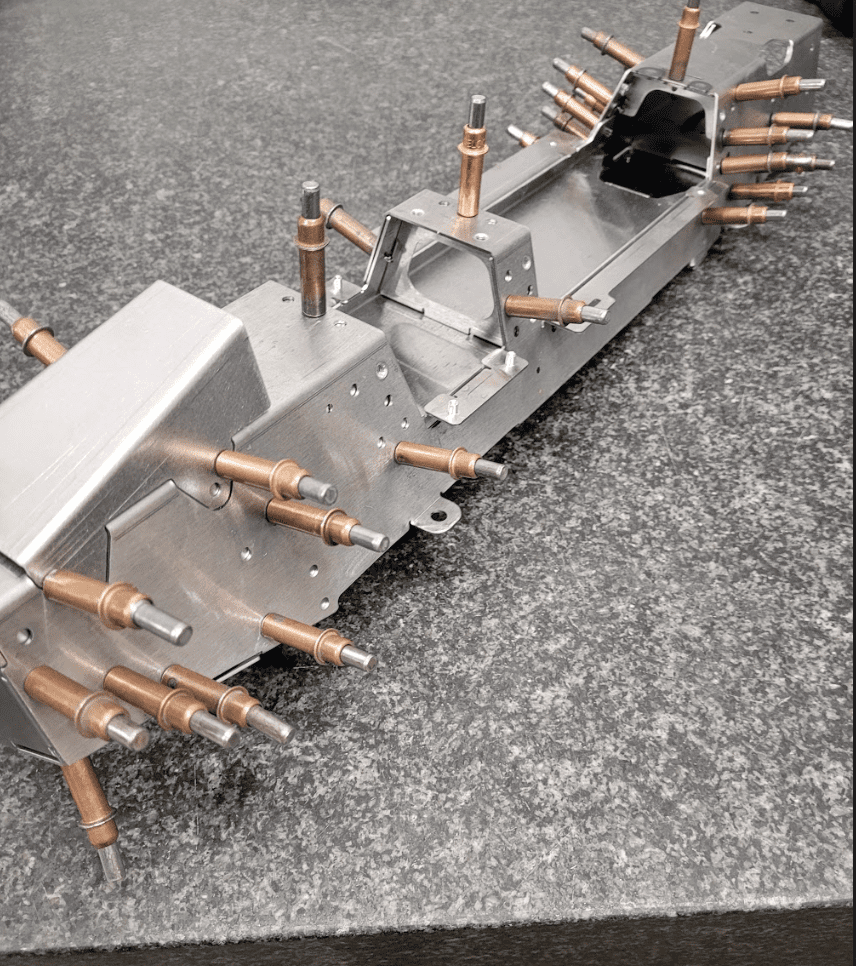
Cleco fasteners hold aircraft panels during assembly. They keep sheet metal parts tightly aligned. This is vital to maintain safety and precision. Workers can adjust parts easily before permanent rivets are added. The fasteners help speed up the building process.
Automotive Fabrication
Car builders use Clecos to hold body panels in place. They allow fitting and trimming without damage. This helps achieve smooth lines and correct gaps. Clecos also hold parts during welding and fitting. They prevent shifting and keep measurements accurate.
Hvac Assembly
Clecos hold ductwork and metal sheets during HVAC installation. They keep pieces aligned while workers fasten screws or weld. This avoids gaps and leaks in the system. The fasteners allow quick repositioning and adjustments on site.
Welding And Soldering Support
Cleco fasteners clamp parts before welding or soldering. They hold materials steady to ensure clean joints. This reduces movement that can cause defects. The fasteners also keep multiple parts aligned perfectly. This helps maintain the shape and size of the assembly.
Woodworking Projects
Woodworkers use Clecos to hold thin panels or veneers. They help keep pieces flush during gluing or nailing. The fasteners prevent slipping and shifting. They are useful for custom furniture and detailed work. Clecos make handling delicate parts easier and safer.
Tools And Techniques
Understanding the right tools and techniques is essential to use a Cleco fastener effectively. These fasteners rely on specific tools for installation and removal. Using proper techniques ensures a secure hold and prevents damage to materials.
Special Pliers For Installation
Cleco fasteners require special pliers for easy installation. These pliers compress the fastener’s spring-loaded jaws. When compressed, the jaws retract to fit into the pre-drilled holes. Releasing the pliers allows the jaws to expand and grip the material tightly. Using the correct pliers speeds up the process and reduces the risk of slipping or damaging the fastener.
Proper Placement Tips
Place Cleco fasteners in evenly spaced holes for balanced pressure. Avoid placing them too close to edges to prevent material deformation. Insert the fastener straight into the hole to ensure a strong grip. Check that the jaws fully expand behind the material for a secure hold. Remove and reposition fasteners as needed to maintain perfect alignment during assembly.
Material Compatibility
Material compatibility is vital for using Cleco fasteners effectively. Clecos must hold parts securely without damaging them. They work well with various materials, including metals, composites, and wood. Understanding how Clecos interact with each material ensures a safe and strong temporary hold. This knowledge helps avoid scratches, deformation, or weak clamping.
Sheet Metal
Clecos are perfect for sheet metal. They fit tightly into pre-drilled holes without bending the metal. The spring-loaded jaws grip the metal edges firmly. This prevents slipping during assembly. Clecos do not cause dents or marks on thin sheets. They keep parts aligned until permanent fasteners are installed. Common metals include aluminum and steel.
Composite Parts
Composite materials like fiberglass or carbon fiber need gentle handling. Clecos apply just enough pressure to hold composites without cracking. Their smooth jaws reduce stress on delicate surfaces. Using Clecos helps maintain the shape and strength of composites. They enable precise positioning before bonding or riveting. Composites benefit from Cleco use in aerospace and automotive industries.
Wood Components
Wood requires care to avoid splitting or denting. Clecos work well with wood, especially thin panels. They hold pieces securely during gluing or fitting. The fasteners’ pressure is adjustable by the user. This control prevents damage to soft or brittle wood. Woodworkers use Clecos for temporary joints and alignment. They provide a clean hold without leaving marks.
Choosing The Right Cleco
Choosing the right Cleco fastener is important for a smooth fabrication process. The correct selection ensures strong temporary holds and precise alignment. It also saves time and reduces errors during assembly. Consider the materials and project needs before picking a Cleco.
Size And Grip Variations
Clecos come in different sizes to fit various hole diameters. Common sizes include 1/8 inch, 3/16 inch, and 1/4 inch. The grip length varies to handle different material thicknesses. Using the right size prevents damage and keeps parts tightly held. Check the hole size and material thickness before choosing a Cleco.
Material And Finish Options
Clecos are made from steel, aluminum, or stainless steel. Steel Clecos offer strong grip but may rust if not coated. Aluminum Clecos are lightweight and resist corrosion. Stainless steel Clecos provide durability and rust resistance. Finishes like zinc plating or black oxide add protection. Select material and finish based on the working environment and project needs.
Maintenance And Storage
Proper maintenance and storage of Cleco fasteners extend their lifespan and keep them functioning well. Regular care prevents rust, damage, and wear. This ensures each fastener performs reliably during every use.
Cleaning and storing Clecos correctly avoids costly replacements. It also keeps them ready for precise and safe applications. Let’s explore simple steps to maintain and store these essential tools.
Cleaning Tips
Remove dirt and metal shavings after each use. Use a soft brush to clear debris from jaws and springs. Wipe fasteners with a clean cloth to remove oil and dust.
For stubborn grime, soak Clecos in mild soapy water briefly. Dry them completely to prevent rust. Avoid harsh chemicals that can damage metal parts.
Apply a light coat of machine oil or lubricant to moving parts. This keeps springs flexible and jaws working smoothly. Regular cleaning prevents buildup that may cause jamming.
Safe Storage Practices
Store Cleco fasteners in a dry, cool place away from moisture. Use a dedicated container or organizer to keep them sorted and protected. Avoid tossing them loosely in a toolbox where they can get damaged.
Group fasteners by size for quick access. Keep pliers and accessories together to prevent loss. Check stored Clecos periodically for rust or wear and clean as needed.
Proper storage reduces the chance of corrosion and mechanical failure. It also keeps your workspace tidy and efficient for future projects.
Credit: www.approvedsheetmetal.com

Credit: clecofasteners.info
Frequently Asked Questions
What Is The Purpose Of A Cleco Fastener?
A Cleco fastener temporarily holds sheet metal or composite parts together during fabrication. It ensures precise alignment before final assembly. Widely used in aerospace, automotive, HVAC, and woodworking, it speeds up work by securely clamping materials without permanent fastening.
Are Cleco Fasteners Reusable?
Yes, Cleco fasteners are reusable. They securely hold materials temporarily and can be removed and reused multiple times.
Are Cleco Fasteners Better Than Rivets?
Cleco fasteners offer quick, temporary holds and precise alignment during fabrication. Rivets provide permanent, stronger joints. Choose Clecos for ease and reusability; select rivets for lasting strength.
What Does Cleco Stand For?
Cleco stands for a type of temporary fastener used to hold sheet metal parts together during assembly.
Conclusion
Cleco fasteners offer a simple and effective way to hold materials together. They help keep parts aligned during work. Using them saves time and effort in assembly. These fasteners fit many industries, from aerospace to automotive. Their reusable nature makes them a practical choice.
Anyone working with sheet metal or composites benefits from Clecos. Understanding how they work improves your project’s quality. Try using Cleco fasteners for precise, temporary holding needs. They make fabrication easier and more accurate every time.