Are you tired of struggling with loose or wobbly joints in your projects? Knowing how to use joint fasteners correctly can make all the difference.
Whether you’re fixing furniture, building a frame, or working on a DIY project, the right fasteners keep everything strong and secure. You’ll discover simple, effective ways to choose and use joint fasteners that will save you time, effort, and frustration.
Ready to make your projects last longer and look better? Let’s dive in and unlock the secrets to strong, reliable joints.

Credit: www.youtube.com
Types Of Joint Fasteners
Joint fasteners hold materials together in many projects. Choosing the right type is key. Each fastener works best for certain jobs. Knowing the types helps you pick the best one.
Bolts And Screws
Bolts and screws are strong and reliable. They hold parts tightly with threads. Bolts need nuts to secure. Screws twist directly into material. Both come in many sizes and shapes.
Nails And Pins
Nails and pins are quick to use. Nails are hammered into wood or soft material. Pins are smaller and hold light parts. They work well for simple, fast joins.
Rivets And Clips
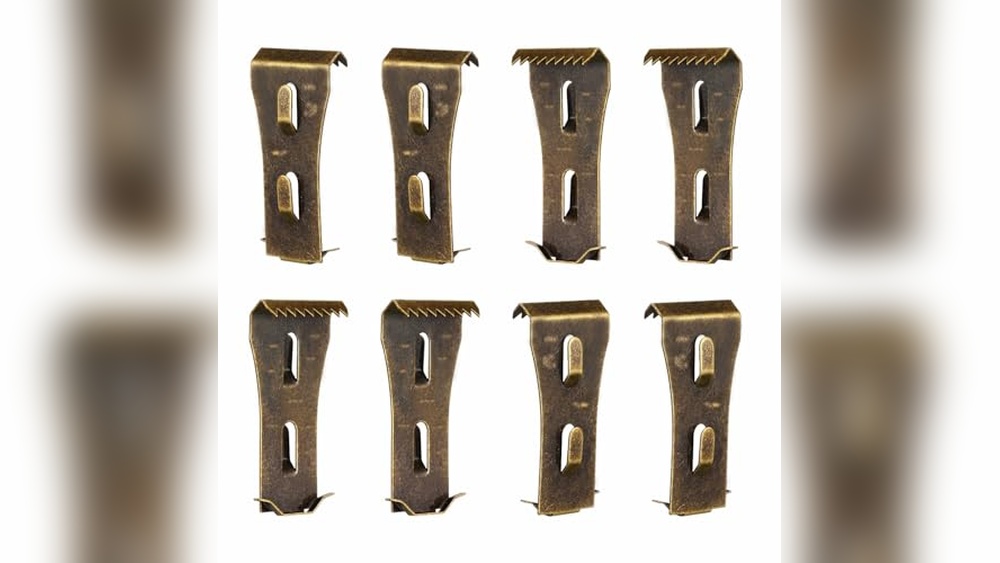
Rivets join metal or plastic parts. They need special tools to set. Clips snap parts together without tools. Both are good for permanent or temporary holds.
Adhesive Fasteners
Adhesive fasteners use glue or tape. They join surfaces without holes or marks. Adhesives suit smooth, clean surfaces. They provide flexible and clean fastening options.
Choosing The Right Fastener
Choosing the right fastener is key to a strong and lasting joint. The right fastener keeps parts together safely. It also stops damage to materials. Fasteners come in many types, sizes, and materials. Selecting the best one needs care and knowledge.
Material Compatibility
Match the fastener material with the parts you join. Steel fasteners work well with metal parts. Use stainless steel to prevent rust on outdoor items. Wood needs screws made for wood to grip tight. Avoid mixing metals that cause rust or wear. This keeps the joint stable and safe.
Load Requirements
Consider the weight and force the joint must hold. Heavy loads need strong fasteners like bolts or lag screws. Light loads can use nails or small screws. Check the fastener’s size and strength ratings. This stops failure and keeps the joint firm.
Environmental Factors
Think about where the joint will be used. Moist or wet places need rust-proof fasteners. Outdoor fasteners should resist sun and rain effects. High heat areas need fasteners that keep strength. Choose fasteners that last long in the environment.
Preparing Surfaces For Fastening
Preparing surfaces for fastening is a key step for strong and lasting joints. Proper preparation helps the fasteners hold better and prevents damage. Clean, aligned, and well-prepared surfaces create a smooth fastening process. This section covers important steps before using joint fasteners.
Cleaning And Aligning
Start by cleaning the surfaces to remove dirt, oil, and rust. Use a cloth or brush for this task. Clean surfaces allow fasteners to grip firmly. Next, align the parts carefully. Check edges and holes to match perfectly. Proper alignment prevents gaps and weak joints.
Drilling And Countersinking
Drill holes that fit the fasteners well. Use a drill bit size recommended for your fastener. Drilling straight holes is important for tight fastening. Countersink the holes if needed. This helps the fastener heads sit flush with the surface. It creates a neat and strong joint.
Using Washers And Spacers
Washers spread the load of the fastener. They protect the surface from damage. Place washers under the fastener head or nut. Use spacers to keep parts apart if required. Spacers help avoid pressure on soft or thin materials. Both washers and spacers improve joint stability.

Credit: www.ironwirenails.com
Proper Installation Techniques
Proper installation techniques ensure joint fasteners work well and last long. These techniques help avoid common problems like loosening or damage. Correct methods also keep the joint strong and safe. Follow these steps for best results.
Torque And Tightening Methods
Use the right torque to tighten fasteners. Torque means the force used to turn a bolt or nut. Too little torque makes the fastener loose. Too much torque can break the fastener or damage the parts.
Use a torque wrench to apply correct force. Turn the fastener slowly and steadily. Stop when you reach the recommended torque value. This value is usually in the product manual or engineering guide.
Avoiding Over-tightening
Over-tightening causes threads to strip or fasteners to break. It can also crush the parts being joined. Tighten fasteners carefully and check the torque often. Use tools with torque limits to avoid too much force.
Hand tighten first to get the fastener in place. Then use the torque wrench for final tightening. Never use an impact wrench for final tightening unless it has torque control.
Using Thread Lockers
Thread lockers help keep fasteners from loosening. They are liquids or pastes applied to the threads. Thread lockers fill gaps and stop vibration from loosening the fastener.
Choose the right type of thread locker for your fastener. Apply a small amount to clean threads before tightening. Let the locker cure for the time recommended by the manufacturer.
Ensuring Long-lasting Connections
Ensuring long-lasting connections with joint fasteners means more than just tightening bolts. It requires care and attention over time. Strong, durable joints keep structures safe and reliable. Proper steps help avoid failures and costly repairs.
Regular Inspection And Maintenance
Check fasteners often for loosening or damage. Look for cracks, rust, or wear signs. Tighten bolts to the right torque. Replace any parts that look weak or broken. Regular care keeps joints strong and safe.
Handling Vibration And Movement
Vibrations can loosen fasteners over time. Use lock washers, thread lockers, or nylon inserts to hold bolts tight. Make sure fasteners fit well without too much play. Controlling movement protects the joint from damage.
Corrosion Prevention
Rust weakens fasteners and joints. Use corrosion-resistant materials like stainless steel. Apply protective coatings or paint to metal parts. Keep joints dry and clean to stop rust from forming. Preventing corrosion extends fastener life and joint strength.
Common Mistakes To Avoid
Using joint fasteners correctly is key for strong and safe connections. Many people make simple mistakes that weaken the joint or cause damage. Avoiding these errors helps your project last longer and stay secure.
Focus on choosing the right fastener, installing it properly, and following the maker’s rules. These steps save time and prevent costly repairs.
Wrong Fastener Selection
Picking the wrong fastener can cause joint failure. Each fastener suits certain materials and forces. Using a weak fastener on heavy loads leads to breaks or loosening. Choose fasteners based on size, strength, and material type. Check if you need screws, bolts, or nails for your task.
Improper Installation
Fasteners must be installed carefully. Driving screws too deep or cross-threading bolts ruins the joint. Tightening too much can strip threads or break the fastener. Use the right tools and apply steady pressure. Align pieces correctly before fastening to avoid gaps or misfits.
Ignoring Manufacturer Guidelines
Manufacturers provide important installation instructions. Ignoring these rules risks safety and warranty. Guidelines include torque limits, spacing, and compatible materials. Always read and follow these details. This ensures the fastener works as designed and lasts longer.

Credit: www.reddit.com
Frequently Asked Questions
What Are Joint Fasteners Used For?
Joint fasteners securely connect two or more components. They ensure structural stability and prevent movement or separation in assemblies.
How Do I Choose The Right Joint Fastener?
Select based on material type, load requirements, and environmental conditions. Consider size, strength, and compatibility with connected parts.
Can Joint Fasteners Be Reused Safely?
Some joint fasteners can be reused if undamaged. However, many lose strength after removal and should be replaced to ensure safety.
What Tools Are Needed To Install Joint Fasteners?
Common tools include screwdrivers, wrenches, and drills. The specific tool depends on the fastener type and installation method.
Conclusion
Using joint fasteners correctly ensures strong and lasting connections. Choose the right fastener for your material and task. Tighten fasteners properly to avoid loosening over time. Regularly check joints for safety and stability. Simple steps lead to better results and fewer problems.
Practice these tips to improve your projects today.