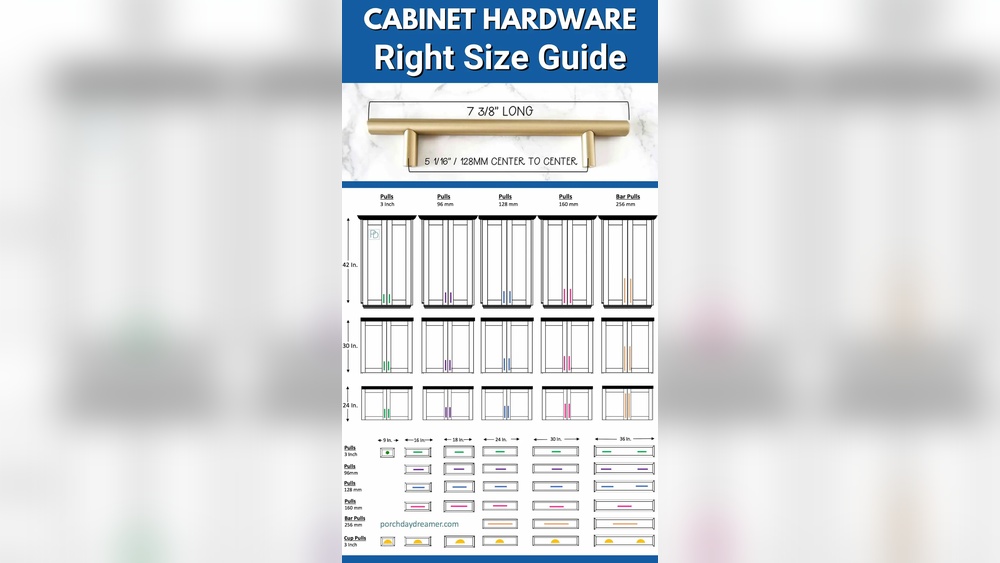
Choosing the right cabinet hardware size might seem like a small detail, but it can completely change the look and feel of your kitchen or bathroom. If you pick hardware that’s too big or too small, it can throw off the balance and make your cabinets look awkward.
So, how do you determine the perfect size? This guide will walk you through simple, clear steps to measure your cabinet knobs and pulls accurately. By the end, you’ll have all the confidence you need to select hardware that fits perfectly and enhances your space.
Keep reading, and let’s get your cabinets looking their best!
Measuring Cabinet Hardware
Measuring cabinet hardware correctly is key to a perfect fit and look. Accurate measurements help avoid mistakes and extra work. Use simple tools like a ruler or tape measure. Measure carefully and note the size for each part of the hardware.
Center-to-center Distance
Center-to-center distance is the space between screw holes. Measure from the center of one hole to the center of the other. This measurement ensures new hardware fits existing holes. Always measure twice for accuracy. This size is the most important for pulls and handles.
Overall Length
Overall length is the total length from one end of the hardware to the other. This shows how large the hardware looks on the cabinet. Measure along the longest part of the handle or pull. This helps you choose hardware that matches cabinet size and style.
Projection Or Depth
Projection measures how far the hardware sticks out from the cabinet surface. Check this to avoid hardware that blocks movement or looks bulky. Use a ruler to measure from the cabinet face to the furthest point of the handle. Proper projection adds comfort and style to your cabinets.
Knob Measurement
Knobs usually have one screw hole, so measure the diameter of the knob. Use a ruler to check the widest part across the knob. This size affects how the knob feels and looks in your hand. Knowing knob size helps match it to your cabinet design.

Credit: www.jennifergardnerdesign.com
Replacing Vs New Installation
Choosing the right size for cabinet hardware depends on whether you are replacing old pieces or installing new ones. Replacing hardware requires careful measurement to fit existing holes, saving time and avoiding extra work. New installations offer more freedom but need precise planning to ensure the hardware fits well and looks balanced. Understanding these differences helps make the process smooth and effective.
Matching Existing Holes
When replacing cabinet hardware, matching the existing holes is crucial. Measure the distance between the centers of the screw holes on the current hardware. This measurement, called center-to-center, ensures the new hardware fits perfectly without drilling new holes. Using a ruler or tape measure provides accuracy. Keeping the same hole spacing prevents damage to cabinets and maintains their appearance.
Choose new hardware with the same center-to-center size. This avoids filling or patching old holes. Matching holes also saves time and effort during installation. Check both the length and hole spacing to confirm compatibility. Replacing hardware is easier when the sizes match exactly.
Planning Hole Placement
New hardware installation needs careful planning of hole placement. Decide the best position for knobs or pulls on each cabinet door or drawer. Measure the distance between holes for pulls to ensure comfort and style. Consider the cabinet’s size and design when placing holes. Accurate marking before drilling helps avoid mistakes.
Use a template or ruler to mark hole locations evenly. Check alignment with adjacent cabinets for a uniform look. Proper hole placement improves the cabinet’s functionality and appearance. Take time to plan carefully to achieve the best results with new hardware installation.
Choosing Hardware Size By Cabinet Dimensions
Choosing the right hardware size depends greatly on the size of your cabinets. Hardware that is too big or too small can look unbalanced and affect functionality. Matching hardware size to cabinet dimensions creates a harmonious and practical design.
Drawer And Door Size
Measure the width and height of each drawer or door before selecting hardware. Small drawers need smaller knobs or pulls. Large doors require longer pulls to look balanced and provide a good grip. Hardware size should fit comfortably on the cabinet face without overpowering it.
For narrow drawers, choose pulls between 3 to 4 inches. Wider doors usually work well with pulls 5 to 8 inches long. This ensures easy use and keeps the hardware in proportion with the cabinet size.
Relative Scale For Proportion
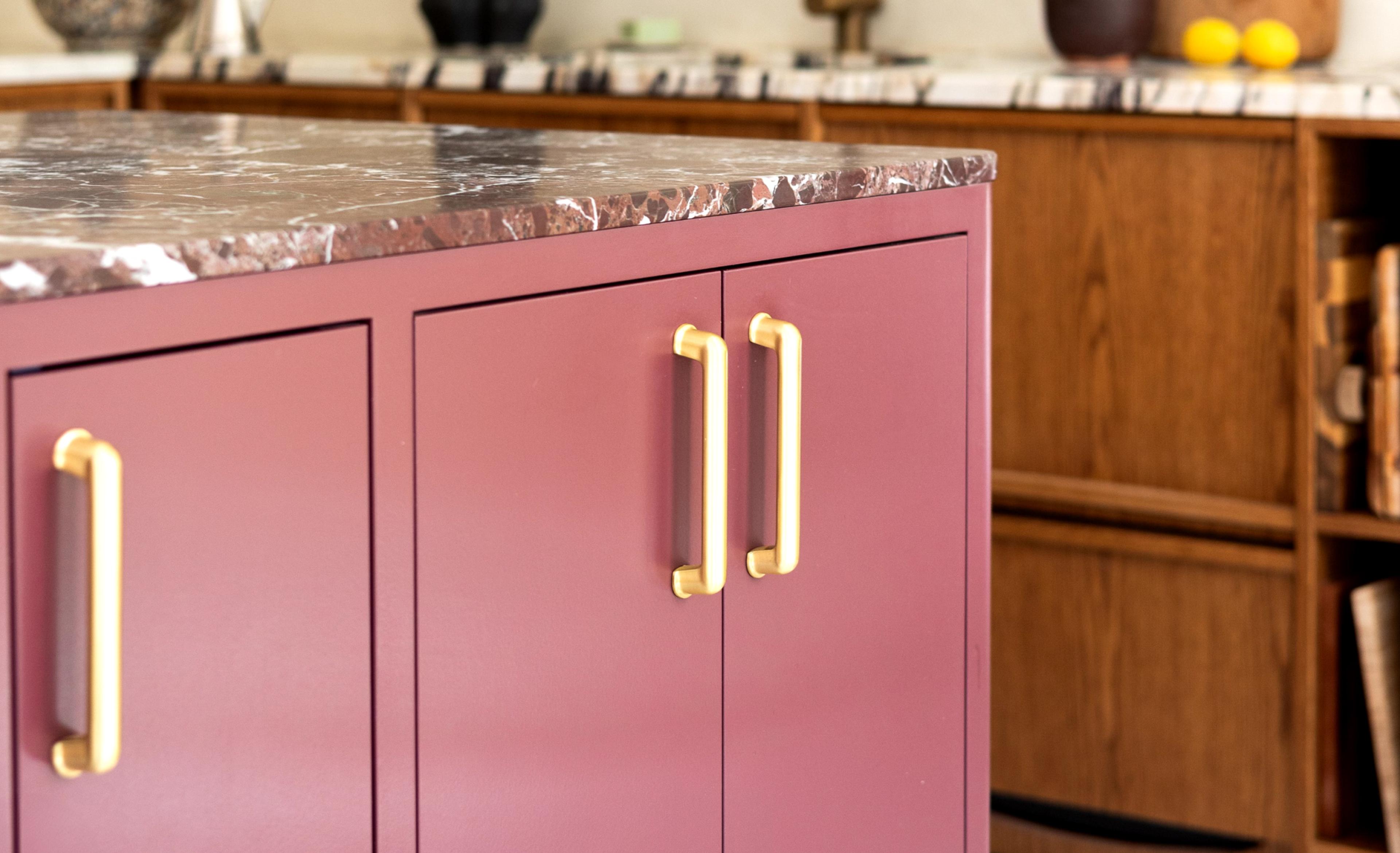
Consider the overall cabinet size when picking hardware. Use relative scale to keep the hardware proportional to the cabinet surface. Large cabinets need larger hardware to avoid looking lost on the door or drawer.
Smaller cabinets or sections call for smaller knobs or pulls. This approach balances the visual weight and keeps cabinets looking neat. Think about the hardware as part of the cabinet’s design, not just a functional item.
Credit: schoolhouse.com
Considering Backplate Size
Backplate size affects both the look and fit of cabinet hardware. Choose a backplate that matches the cabinet’s style and covers any old holes. Measuring the backplate helps ensure proper alignment and a clean finish.
Backplates add style and protect cabinet surfaces. They sit behind knobs or pulls. Choosing the right backplate size affects both look and function.
Too large backplates can overwhelm small cabinets. Too small ones may not cover old holes or marks. Balance is key for a neat appearance.
Match Backplate Size To Cabinet Door
Measure your cabinet door before selecting a backplate. A backplate should be smaller than the door face. This keeps the hardware proportional and visually pleasing.
Large backplates suit wider doors or drawer fronts. Small backplates work well on narrow or detailed cabinet doors. Size harmony improves overall kitchen design.
Cover Old Screw Holes With Backplates
Backplates can hide previous screw holes and scratches. Pick a backplate that fully covers these marks. This avoids extra repairs or filling.
Check the distance between old holes. Choose a backplate wide enough to hide them completely. This saves time and gives cabinets a fresh look.
Consider Backplate Thickness And Projection
Backplates come in various thicknesses. Thicker plates add depth and style. Thin plates keep hardware low-profile and simple.
Make sure the backplate projection does not interfere with cabinet use. It should allow doors to open freely without catching on nearby objects.
Tools For Accurate Measurement
Choosing the right tools ensures precise cabinet hardware measurements. Accurate measurement avoids mistakes and fits perfectly. Using simple tools can save time and money.
Using A Tape Measure
A tape measure is flexible and easy to use. It works well for measuring longer distances. Pull the tape tight between screw holes for exact center-to-center size. Read the number carefully at the hole centers. Keep the tape straight to avoid errors. Tape measures with both metric and imperial units offer versatility.
Using A Ruler
A ruler provides a clear, rigid measuring guide. It is best for smaller hardware like knobs. Place the ruler edge along the cabinet surface. Align zero with the center of one hole. Note the measurement at the center of the other hole. Use a metal ruler for better durability and accuracy. This tool is perfect for quick, simple checks.
Tips For Comfortable And Functional Hardware
Choosing the right cabinet hardware size affects comfort and function. Proper hardware lets you open drawers easily. It also adds style without getting in the way. Keep in mind two key points: clearance and projection. These help avoid bumps and awkward grips. Follow simple tips for hardware that feels good and works well every day.
Ensuring Proper Clearance
Clearance means enough space around the hardware to use it easily. Hardware too close to walls or edges can cause problems. Make sure there is room to grab handles without hitting nearby objects. Leave enough space so doors open fully without obstruction. Check surrounding cabinets and appliances before choosing hardware size. Proper clearance avoids scratches and keeps your kitchen safe.
Ergonomic Projection
Projection is how far hardware sticks out from the cabinet surface. Hardware that projects too little can be hard to grip. Too much projection may catch on clothes or cause bumps. Aim for a projection between 1 to 1.5 inches for comfort. This range allows a firm grip without interfering with movement. Choose hardware that feels natural in your hand. Ergonomic projection makes daily use smooth and easy.

Credit: porchdaydreamer.com
Frequently Asked Questions
How To Measure Cabinet Hardware Size?
Measure cabinet hardware by finding the center-to-center distance between screw holes using a ruler or tape measure. For knobs, measure the single hole’s center. Also, note overall length and projection for pulls. Match measurements to existing holes to avoid new drilling.
What Is The 1 3 Rule For Cabinet Hardware?
The 1-3 rule for cabinet hardware means placing handles 1 inch from the drawer edge and 3 inches apart for balance and ease.
What Size Hardware Should I Get For My Cabinets?
Choose cabinet hardware by measuring the center-to-center distance between screw holes. Match this to existing holes or cabinet size. Consider overall length, projection, and backplate size for fit and comfort. Use a ruler or tape measure for accuracy.
How To Tell What Size Cabinet Hinges You Need?
Measure the center-to-center distance between screw holes for pulls. For knobs, measure the hole location. Match these to your cabinet or existing hardware. Also, consider overall length and projection for fit and comfort.
Conclusion
Choosing the right cabinet hardware size makes a big difference. Measure carefully to match the center-to-center distance. This ensures your new pulls or knobs fit perfectly. Remember to check the overall length and depth for comfort and style. Taking these simple steps helps your cabinets look balanced and function well.
Small details like hardware size can improve your kitchen’s look greatly. Keep measurements handy when shopping to avoid mistakes. Your cabinets will feel fresh and easy to use with the right hardware size.


