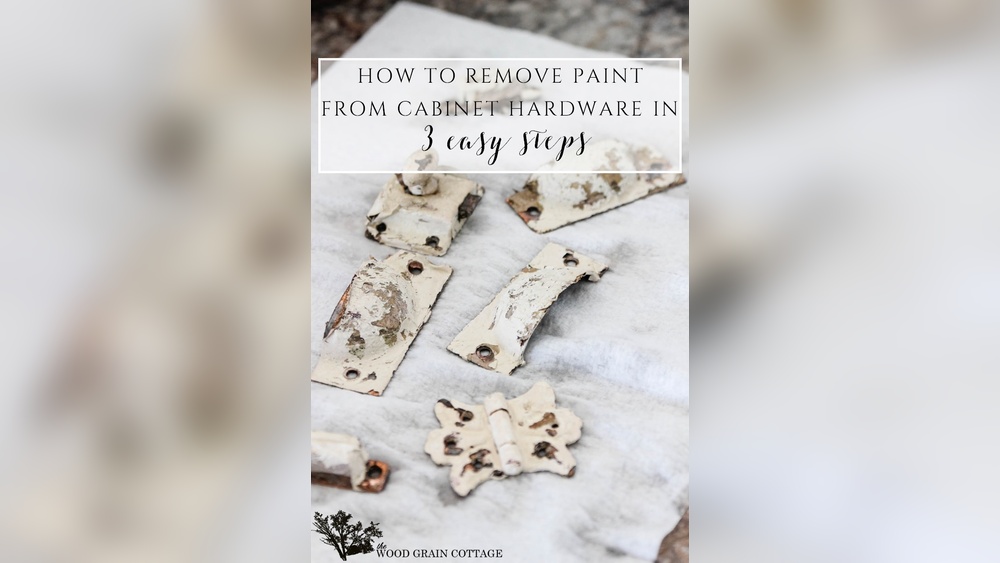
Have you ever tried to remove paint from your cabinet hardware, only to find it hard and stubborn? You’re not alone.
When paint dries on handles, knobs, or hinges, it can make your cabinets look worn and old. But here’s the good news: softening that paint is easier than you think. You’ll discover simple, effective ways to soften and remove paint from your cabinet hardware without damaging it.
Keep reading, and you’ll learn how to bring back the shine and smooth finish your cabinets deserve.

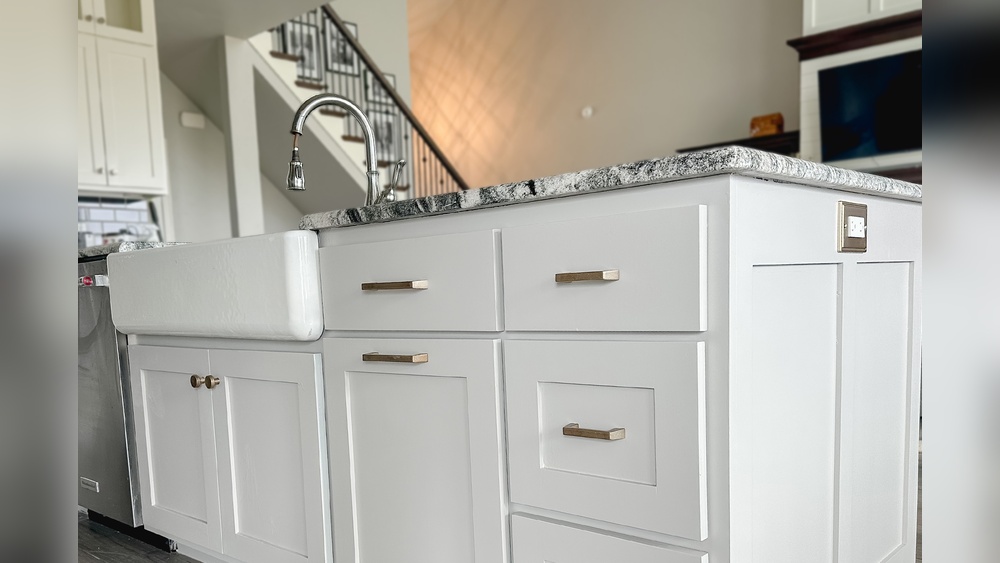
Credit: www.1905farmhouse.com
Reasons Paint Hardens On Hardware
Paint on cabinet hardware can harden over time. This makes it tough to remove or soften. Understanding why paint hardens helps in dealing with the problem better. Several factors cause paint to become hard and brittle on metal surfaces.
Common Causes Of Paint Hardening
Paint dries and hardens due to exposure to air and heat. Dust and dirt can stick to wet paint, making it rough. Paint that is too thick takes longer to dry and hardens unevenly. Old paint layers build up and lose flexibility. Using the wrong cleaning products can also make paint stiff.
Types Of Paint And Their Effects
Oil-based paint dries slower and forms a hard, durable surface. Water-based paint dries fast but can peel easily on hardware. Some paints contain chemicals that become brittle over time. Spray paints often create a thin, hard layer that cracks with use. Choosing the right paint affects how soft or hard it becomes.
Tools And Materials Needed
Softening paint on cabinet hardware requires the right tools and materials. Using proper supplies makes the job easier and safer. Prepare everything before starting to avoid interruptions and ensure good results.
Essential Supplies
- Paint stripper or remover suited for metal surfaces
- Small brush or applicator for paint stripper
- Plastic scraper to lift softened paint gently
- Steel wool or fine sandpaper for smoothing
- Clean rags for wiping off residue
- Bucket of warm, soapy water for cleaning hardware
- Old toothbrush to reach tight spots
Safety Gear To Use
- Rubber gloves to protect your skin
- Safety goggles to shield your eyes
- Face mask to avoid inhaling fumes
- Long-sleeve shirt to cover your arms
- Well-ventilated workspace or fan
Methods To Soften Paint
Softening paint on cabinet hardware helps remove old layers without damage. Different methods work well depending on the paint type and hardware material. Choose a method that fits your tools and comfort level.
Using Heat To Loosen Paint
Heat makes paint soft and easy to scrape off. A heat gun or hairdryer works best for this. Hold the heat source a few inches away from the surface. Move it slowly to avoid overheating one spot. Once the paint bubbles or softens, use a scraper or cloth to remove it.
Chemical Paint Softeners
Chemical paint softeners break down paint for easy removal. Apply the softener with a brush or cloth on the hardware. Let it sit for the time recommended on the product label. After the paint softens, wipe or scrape it away gently. Use gloves and work in a well-ventilated area for safety.
Natural Remedies For Softening
Natural options offer a safer way to soften paint. Vinegar is effective at loosening paint layers. Warm vinegar can be applied with a cloth and left to sit for 10-15 minutes. Baking soda mixed with water forms a paste that helps soften paint too. Rub the paste on, wait a few minutes, then scrub gently.
Step-by-step Softening Process
Softening paint on cabinet hardware helps remove old, chipped, or thick paint layers. This process makes it easier to clean and repaint the hardware. Follow these simple steps to soften paint safely and effectively.
Preparing The Hardware
Remove the cabinet hardware from the furniture carefully. Use a screwdriver to avoid damage. Clean the hardware with soap and water to remove dust and grease. Dry the pieces completely before starting the softening process. Cover your work area with old newspapers or plastic sheets.
Applying Softeners Safely
Choose a paint softener that fits your paint type. Read the instructions on the label carefully. Wear gloves to protect your skin. Use a brush or cloth to apply the softener evenly on the painted surface. Let it sit for the recommended time to work effectively. Avoid breathing in fumes by working in a well-ventilated space.
Removing Softened Paint
Use a plastic scraper to gently remove the softened paint. Avoid metal tools to prevent scratching the hardware. Wipe off leftover paint with a clean cloth. Repeat the softening and scraping if needed. Wash the hardware with warm water and dry it thoroughly before reattaching.
Tips For Preventing Paint Hardening
Paint hardening on cabinet hardware can ruin its look and make it hard to use. Preventing paint from hardening saves time and effort later. Some simple tips help keep the paint soft and fresh.
Proper Painting Techniques
Start with clean, dry hardware before painting. Remove all dirt and oils to help paint stick well. Use thin paint layers instead of thick ones. Thin coats dry evenly and avoid cracks. Allow each layer to dry fully before adding the next. Choose paint designed for metal surfaces for better results. Avoid painting in very humid or cold places. These conditions make paint dry unevenly and harden too fast.
Maintenance Of Cabinet Hardware
Clean hardware gently with a soft cloth regularly. Avoid harsh chemicals that can damage paint. Check for chips or cracks and touch up quickly. Lubricate moving parts to keep hardware working smoothly. This stops paint from cracking due to friction. Handle cabinet doors and drawers carefully. Rough use causes paint to wear and harden faster. Regular care keeps hardware looking fresh and soft.
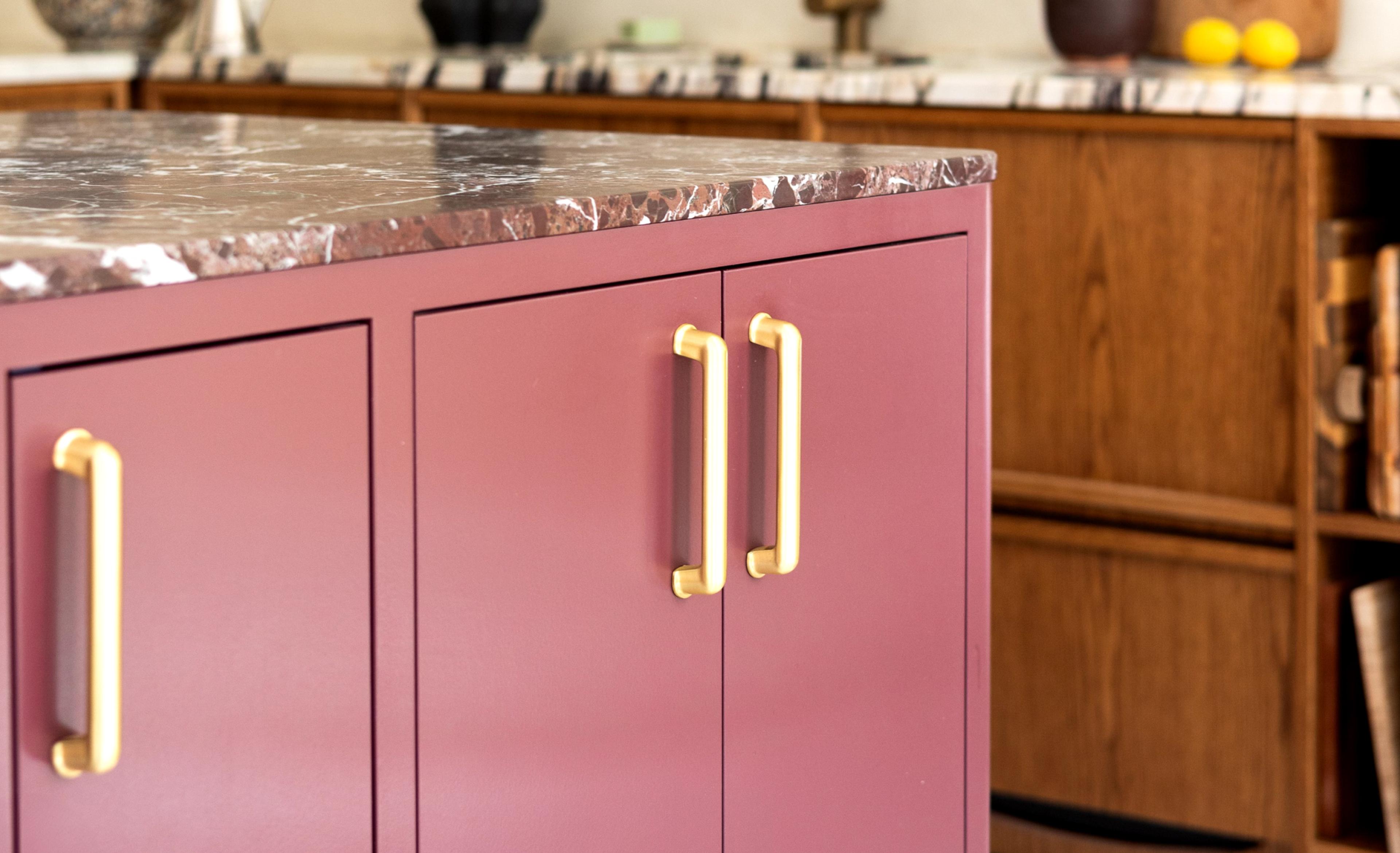
Credit: schoolhouse.com
When To Replace Cabinet Hardware
Knowing when to replace cabinet hardware is key to maintaining your kitchen’s look. Sometimes, softening paint on hardware works well. Other times, the hardware is too damaged or outdated. Replacing old knobs and handles can refresh your cabinets quickly. It can also improve functionality and style.
Signs Hardware Is Beyond Repair
Look for rust that cannot be cleaned. Chips or cracks in the hardware also show wear. Loose or broken parts make the hardware unsafe. Paint that peels or flakes off repeatedly means problems. Hardware that no longer fits the cabinet style may need replacing.
Choosing New Hardware Options
Pick hardware that matches your cabinet design. Think about the finish, size, and shape. Choose materials that resist rust and wear. Consider comfort and grip for daily use. Simple styles often suit many kitchen themes. Make sure new hardware fits your cabinet holes or be ready to drill new ones.
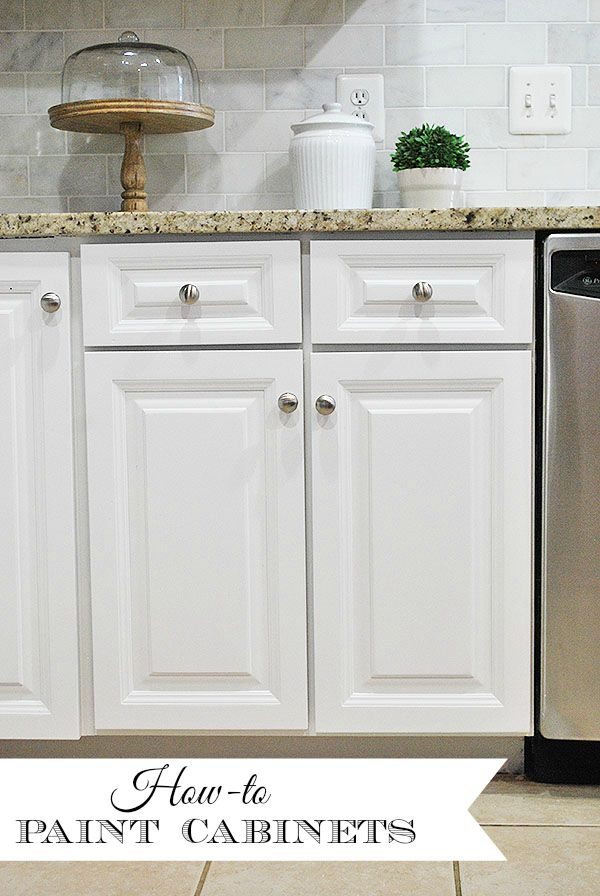
Credit: www.11magnolialane.com
Frequently Asked Questions
How Can I Soften Old Paint On Cabinet Hardware?
Soften old paint by soaking hardware in warm, soapy water. Use a soft brush to gently scrub off softened paint. Avoid harsh chemicals to protect the hardware finish.
What Household Products Soften Paint On Cabinet Hardware?
Vinegar and baking soda are effective natural paint softeners. Soak hardware in vinegar for 10-15 minutes, then scrub with baking soda paste. This method is safe and eco-friendly.
Is Heat Effective For Softening Paint On Hardware?
Yes, gentle heat from a hairdryer can soften paint. Heat the area for a few minutes, then carefully scrape off softened paint. Avoid overheating to prevent damage.
Can I Use Paint Stripper On Cabinet Hardware?
Yes, choose a mild, non-toxic paint stripper for hardware. Apply as per instructions, then wipe paint away. Always wear gloves and work in a ventilated area.
Conclusion
Softening paint on cabinet hardware can save time and effort. Use gentle methods like warm water or vinegar to loosen paint. Avoid harsh chemicals to protect your hardware. Take your time and be patient during the process. Clean the hardware well before repainting or reinstalling.
Small steps lead to better results and less damage. With care, your cabinets will look fresh and new again. Keep these tips handy for your next home project. Simple actions can make a big difference.