Are you tired of struggling with messy glue or complicated fasteners? Scotch Fasteners offer a simple, strong, and reusable solution that can make your projects easier and faster.
Whether you want to fix something quickly, organize your space, or create a DIY masterpiece, knowing how to use Scotch Fasteners can save you time and frustration. In this guide, you’ll discover easy steps and smart tips to get the best results every time.
Keep reading to unlock the full potential of Scotch Fasteners and make your next project a breeze!
Choosing The Right Scotch Fasteners
Choosing the right Scotch fasteners is important for a strong hold and clean finish. Different projects need different types of fasteners. Picking the correct one saves time and effort. It also ensures the best results on your project.
Types Of Scotch Fasteners
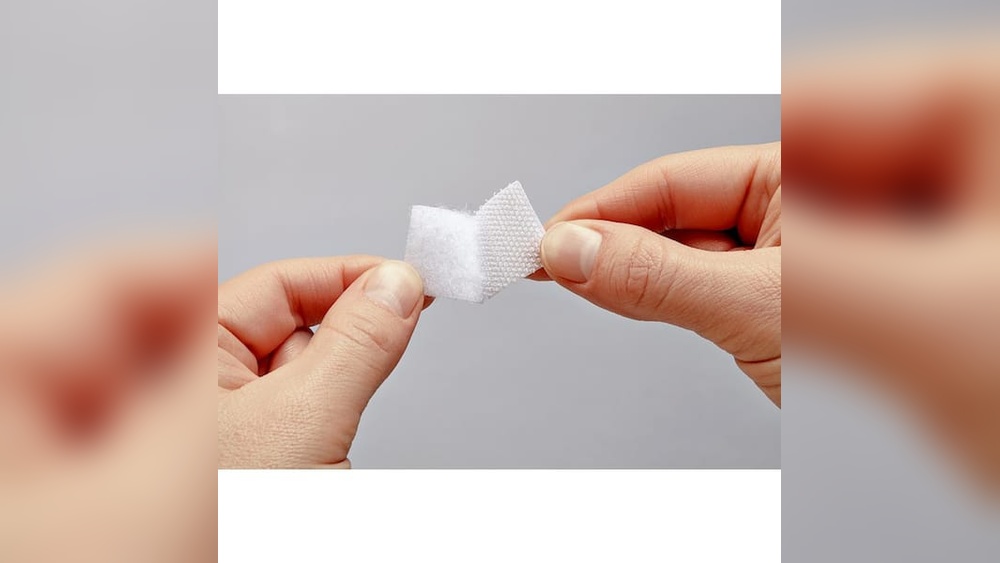
Scotch fasteners come in many forms. The most common types are hook and loop, adhesive strips, and sew-on fasteners. Hook and loop fasteners are easy to use and reusable. Adhesive strips stick quickly to surfaces without sewing. Sew-on fasteners provide a permanent hold and work well on fabrics.
Matching Fasteners To Projects
Match the fastener type to your project needs. Use hook and loop for items that need to open and close often. Adhesive strips work well on smooth surfaces like walls or plastic. Sew-on fasteners suit clothing or heavy fabrics that need a strong hold. Choose the size and strength based on the weight and use of the items you join.
Preparing Surfaces For Application
Preparing surfaces before applying Scotch Fasteners ensures strong and lasting bonds. Clean and dry surfaces help the adhesive stick better. This step saves time and avoids peeling or weak attachment later. Proper preparation is simple and quick, but very important.
Cleaning And Drying Tips
Remove dirt, dust, and grease from the surface. Use a clean cloth with rubbing alcohol or mild soap and water. Avoid oily or waxy cleaners. Let the surface dry completely. Moisture weakens the adhesive and causes poor bonding. Use a dry towel or air dry for best results.
Ensuring Proper Adhesion
Check the surface texture before applying. Smooth, hard surfaces work best for Scotch Fasteners. Rough or porous surfaces may need extra care or special fasteners. Press firmly when attaching to help the adhesive bond well. Avoid moving the fastener during the first few minutes after application.
Step-by-step Application Guide
Using Scotch fasteners is simple and quick. This step-by-step guide helps you attach them correctly. Follow these steps to get a strong hold every time. The process involves cutting, positioning, pressing, and securing the fasteners.
Cutting And Positioning
Start by cutting the fastener to the size you need. Use sharp scissors for a clean edge. Place one side of the fastener on the fabric or surface. Align it carefully where you want the attachment. Check both parts match up before pressing.
Pressing And Securing
Press the fastener firmly with your fingers or a tool. Hold it in place for a few seconds. Make sure the fastener sticks well to the surface. Repeat for the other side if needed. Test the connection by gently pulling to check strength.

Credit: www.youtube.com
Creative Uses For Scotch Fasteners
Scotch fasteners are small but very handy items. They stick things together and come off easily. Many people use them only for clothes. Yet, these fasteners have many creative uses beyond sewing. They help fix, organize, and create. Let’s explore some fun and useful ways to use Scotch fasteners in daily life.
Clothing Repairs
Scotch fasteners work well for quick clothing fixes. They hold hems in place without sewing. Use them to close a torn seam temporarily. Great for kids’ clothes or emergency repairs. They save time and keep clothes wearable. Perfect for fixing loose buttons or small rips. No need for needles or thread.
Home Organization
Use Scotch fasteners to tidy up your home. Attach cords and cables to walls or desks. Keep chargers from falling behind furniture. Stick small items like remote controls to surfaces. Organize craft supplies or office tools. They help keep things neat and easy to find. Ideal for renters since they don’t damage walls.
Diy Craft Projects
Scotch fasteners add fun to craft projects. Make removable decorations or wearable art. Use them to join paper or fabric pieces. Great for kids’ crafts and school projects. Create adjustable straps or closures on handmade bags. They allow easy changes and repositioning. Perfect for projects that need flexibility and re-use.
Troubleshooting Common Issues
Scotch fasteners are easy to use, but some problems may occur. This section helps solve common issues fast and simple. Fixing these problems keeps your projects neat and strong. Follow the tips below for better results.
Peeling And Lifting
Peeling happens when the fastener does not stick well. Clean the surface before applying the fastener. Dust and oil can stop it from sticking. Press firmly and hold for a few seconds. Use a fastener that fits the material type. Avoid using on rough or wet surfaces.
Temperature also affects sticking power. Very cold or hot places may cause lifting. Store fasteners in a dry, cool spot. If peeling starts, replace the fastener quickly. Reapplying on a clean surface helps hold better.
Removing Scotch Fasteners Safely
Removing fasteners without damage is important. Pull slowly at a 180-degree angle for less stress. Do not rip or yank hard. Use a hairdryer on low heat to soften glue. Heat helps remove fasteners without leaving marks.
If residue stays, use rubbing alcohol or adhesive remover. Test first on a small hidden area. Wipe gently with a soft cloth. Avoid sharp tools that can harm surfaces. Safe removal protects your items and the fastener.
Credit: www.scotchbrand.com
Maintaining And Reusing Fasteners
Scotch fasteners are useful for many projects around the home or office. Taking care of them helps save money and reduces waste. Proper maintenance keeps the fasteners working well for a long time. Reusing them is easy with the right care.
Cleaning Tips
Remove dust and dirt gently from the fasteners. Use a soft brush or cloth to clean the surface. Avoid harsh chemicals that can damage the adhesive. Warm water and mild soap work well for cleaning. Let the fasteners dry completely before using again.
Maximizing Longevity
Store fasteners in a cool, dry place to keep adhesive strong. Keep them away from direct sunlight or heat sources. Press the fasteners firmly when attaching to ensure a good hold. Avoid stretching or pulling too hard to prevent damage. Following these steps helps fasteners last longer and stay sticky.

Credit: www.walmart.com
Frequently Asked Questions
What Are Scotch Fasteners Used For?
Scotch Fasteners are reusable adhesive strips used to securely attach items. They work well for organizing cables, mounting decorations, and light fastening tasks without damaging surfaces.
How Do I Apply Scotch Fasteners Correctly?
Clean the surface before applying for better adhesion. Peel off the backing, press firmly, and wait a few seconds for a strong bond.
Can Scotch Fasteners Be Removed Without Damage?
Yes, they can be removed cleanly from most surfaces. Gently peel them off slowly to avoid any residue or surface damage.
Are Scotch Fasteners Reusable And Durable?
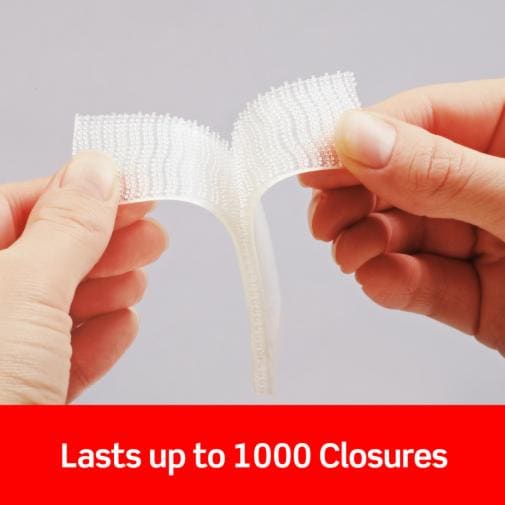
Scotch Fasteners are reusable multiple times if kept clean. They maintain strong adhesion for everyday use but may weaken over time with heavy loads.
Conclusion
Scotch fasteners offer a quick and easy way to join items. They hold firmly yet open with little effort. Use them on fabric, paper, or light materials. Keep surfaces clean for the best stick. Press firmly and wait a few seconds.
These fasteners save time and reduce mess. Try them for crafts, repairs, or organizing. Simple, reliable, and reusable. A handy tool for everyday tasks.