
Are your old cabinet handles and knobs looking dull and worn out? You don’t have to replace them to give your cabinets a fresh new look.
Refinishing old cabinet hardware is a simple and affordable way to transform your space without spending a fortune. In this guide, you’ll discover easy steps to bring back the shine and style of your hardware. By the end, you’ll feel confident tackling this project yourself—and your cabinets will thank you for it.
Ready to see your cabinets in a whole new light? Let’s get started!
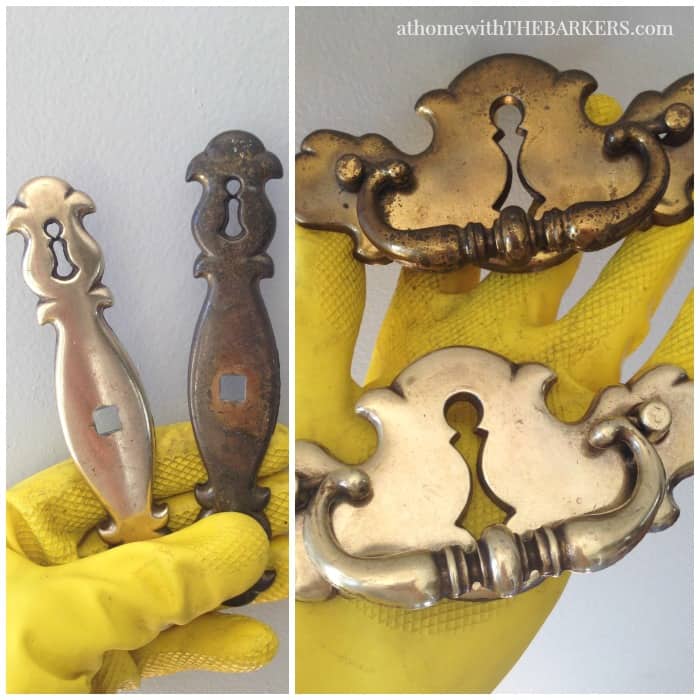
Credit: athomewiththebarkers.com
Preparing The Hardware
Preparing old cabinet hardware is the first step in refinishing. It helps the new finish stick better and last longer. Proper preparation also removes dirt and old coatings, making the hardware look fresh again. This process involves removing handles and knobs, cleaning the pieces, and stripping off the old finish.
Removing Cabinet Handles And Knobs
Start by carefully unscrewing all handles and knobs from the cabinets. Use a screwdriver that fits the screws well to avoid damage. Keep screws in a small container to avoid losing them. Label each piece if needed, so you remember where they belong. Handle the hardware gently to prevent bending or scratching.
Cleaning And Soaking Hardware
Next, clean the hardware to remove grease and dirt. Soak pieces in warm, soapy water for 15 to 30 minutes. Use a soft brush to scrub away buildup. Rinse the hardware with clean water and dry it thoroughly. Clean hardware helps the new finish stick evenly and look smooth.
Removing Old Finish
Strip off the old finish with a safe chemical stripper or sandpaper. Apply the stripper according to the instructions and let it sit for the correct time. Use a soft brush or cloth to remove the old coating. For small details, use fine steel wool or a toothbrush. Sand rough spots lightly to create a smooth surface. Removing the old finish reveals bare metal or wood, ready for refinishing.
Choosing The Right Finish
Choosing the right finish for old cabinet hardware changes its look and feel. The finish protects the metal and adds style to your cabinets. Picking the right type and color makes a big difference. It helps your cabinets match the room’s design and last longer.
Types Of Finishes
Several finishes suit cabinet hardware. Satin finishes offer a soft shine and hide fingerprints well. Glossy finishes give a bright, shiny look but show marks easily. Matte finishes create a flat, smooth surface without shine. Antique finishes add a vintage touch with dark tones and worn effects. Choose a finish that matches your kitchen’s style and your taste.
Selecting Paint Or Spray Options
Paint and spray finishes both work well for hardware. Spray paint gives an even, smooth coat and dries fast. Brush-on paint can be tricky but allows detail work. Use spray paint made for metal for best results. Always clean and sand the hardware before painting. This helps paint stick better and last longer. Consider clear sealers to protect your finish from scratches.
Picking The Perfect Color
Color sets the mood for your kitchen or bathroom. Neutral colors like black, white, or bronze fit most designs. Bright colors add fun and personality to plain cabinets. Match or contrast the cabinet color for a fresh look. Test colors on one piece before finishing all hardware. Choose a color that feels right and works well in your space.
Refinishing Process
Refinishing old cabinet hardware gives it a fresh, new look. The process takes a few careful steps. Each step improves the final result. Follow these steps to make your hardware look like new.
Sanding For Smooth Surface
Start by sanding the hardware. Use fine-grit sandpaper to remove old paint and rust. Sand until the surface feels smooth. This helps paint stick better. Clean off dust with a soft cloth.
Applying Primer
Apply a thin layer of primer to the hardware. Primer helps paint stick and last longer. Choose a primer made for metal surfaces. Let the primer dry completely before painting. This step prevents peeling and chipping.
Painting Or Spraying Hardware
Use spray paint or a brush to paint the hardware. Spray paint gives a smooth, even finish fast. Hold the spray can about 6 inches away. Apply light coats to avoid drips. Let each coat dry before adding the next.
Adding Protective Coating
Finish with a clear protective coat. This keeps the paint safe from scratches and wear. Use a spray or brush-on clear coat made for metal. Apply a thin, even layer. Allow it to dry fully before handling.
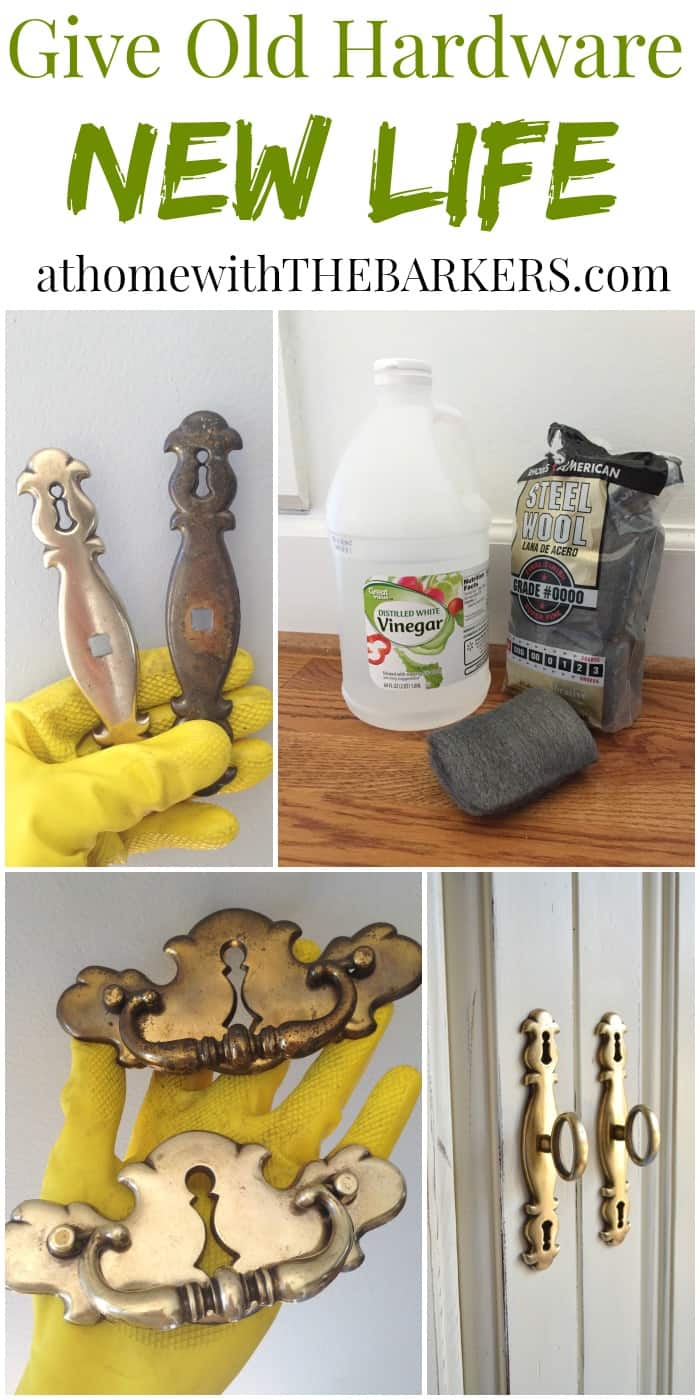
Credit: athomewiththebarkers.com
Drying And Curing
Drying and curing are crucial steps in refinishing old cabinet hardware. They ensure the finish lasts long and looks smooth. Skipping or rushing these steps can cause damage, like smudges or bubbles.
Patience during drying and curing protects your work and gives the hardware a fresh, clean look.
Proper Drying Times
Follow the paint or finish instructions for drying times. Most finishes need at least 24 hours to dry completely. Avoid handling the hardware too soon. Touching wet paint can ruin the surface.
Place the pieces in a dust-free, dry area. Good airflow helps the finish dry evenly. Avoid direct sunlight, which can cause cracks or bubbles.
Avoiding Smudges And Bubbles
Handle hardware carefully after applying the finish. Use soft gloves or tweezers to prevent fingerprints. Keep the pieces separated to avoid sticking together.
Work in a clean space with low humidity. Dust or moisture can cause bubbles or rough spots. Avoid shaking the paint before use; stir gently instead.
Reinstalling Hardware
Reinstalling hardware on your cabinets is the final step in the refinishing process. It brings the whole project together. Proper installation ensures the hardware looks great and works well. Take your time to fit and align each piece carefully. A well-done job enhances your cabinet’s appearance and functionality.
Checking For Fit And Alignment
Start by placing each handle or knob where it belongs. Check if the holes match the screws. Make sure the hardware sits flat against the cabinet surface. Look for any gaps or unevenness. Use a level if needed to keep everything straight. Proper fit and alignment prevent future problems.
Securing Handles And Knobs
Insert screws through the cabinet door or drawer holes. Tighten them gently using a screwdriver. Avoid overtightening to stop damage to the wood or hardware. Hold the hardware steady as you secure it. Check once more that the handle or knob does not wobble. Secure hardware stays firm and lasts longer.
Maintenance Tips
Keeping your refinished cabinet hardware in great shape is key. Proper maintenance helps your hardware look fresh and last longer. Simple care steps protect your investment and keep your cabinets attractive.
Cleaning Finished Hardware
Use a soft cloth to clean your hardware gently. Avoid harsh chemicals that can damage the finish. Mild soap and warm water work well for most finishes. Dry the hardware completely after cleaning to stop water spots. Regular cleaning stops dirt and grime from building up.
Preventing Wear And Tear
Handle cabinet hardware with care to reduce scratches and dents. Avoid using sharp objects near the hardware. Tighten loose screws often to keep hardware secure. Apply a thin coat of wax or polish to protect metal finishes. Small steps prevent damage and keep hardware looking new.

Credit: www.youtube.com
Frequently Asked Questions
How Do I Remove Old Cabinet Hardware Safely?
To remove old hardware, use a screwdriver or drill carefully. Protect the cabinet surface with tape. Gently unscrew to avoid damage. Keep screws for reinstallation or replacement.
What Materials Work Best For Refinishing Hardware?
Metal hardware like brass, bronze, or steel refinish well. Use appropriate cleaners and primers for each metal. Avoid plastic or painted hardware for refinishing.
How Do I Clean Cabinet Hardware Before Refinishing?
Soak hardware in warm, soapy water for 10 minutes. Use a soft brush to remove dirt and grime. Rinse and dry thoroughly before refinishing.
Which Paint Types Are Ideal For Cabinet Hardware?
Use spray paint or enamel paint for smooth, durable finishes. Choose paint made for metal surfaces. Avoid oil-based paints that may peel over time.
Conclusion
Refinishing old cabinet hardware can refresh your space simply and affordably. Clean, sand, and paint or polish each piece carefully. Small steps make a big difference. Enjoy the satisfaction of updating your cabinets yourself. A little effort brings new life to old items.
Try it and see how much change you create. This project suits any skill level. Give your cabinets a fresh look today.


