When it comes to upgrading your kitchen cabinets, choosing the right hardware is more than just picking a style you like. The measurement for hardware on kitchen cabinets can make or break the look and feel of your space.
If you’ve ever struggled with handles that don’t fit or knobs that look awkward, this guide is for you. Understanding these measurements will save you time, money, and frustration. Keep reading to discover exactly what you need to know to get the perfect fit for your kitchen cabinets.
Types Of Cabinet Hardware
Cabinet hardware plays an important role in kitchen design. It adds style and makes cabinets easy to use. There are many types of cabinet hardware. Choosing the right type helps improve both look and function. Understanding these types helps in picking the best fit for your kitchen.
Knobs Vs Pulls
Knobs are small and round or square. They are easy to install and simple to use. Pulls are longer and allow a full hand grip. They work well on larger drawers and doors. Both knobs and pulls come in many shapes and finishes. Choose based on comfort and kitchen style.
Hinges And Their Styles
Hinges let cabinet doors open and close smoothly. There are visible and concealed hinge styles. Visible hinges show on the outside of the cabinet. Concealed hinges hide inside the cabinet for a clean look. Soft-close hinges stop doors from slamming shut. Pick hinges that match your cabinet design and function needs.
Specialty Hardware Options
Specialty hardware includes items like cup pulls, edge pulls, and finger pulls. These add unique touches to cabinets. Some specialty hardware is designed for better grip. Others improve cabinet accessibility. Specialty pieces can change the kitchen’s entire feel. Use them to highlight style or solve specific needs.
Key Measurements For Cabinet Hardware
Choosing the right hardware for kitchen cabinets needs careful measuring. Correct measurements ensure handles and knobs fit well and look good. This section explains key measurements to know for cabinet hardware. These details help you pick the perfect size and style for your kitchen.
Measuring Knob Diameter
Measure the knob from one edge to the other across the center. This is the diameter. Most knobs range from 1 inch to 1.5 inches. Smaller knobs suit delicate cabinets. Larger knobs work well on heavy or wide doors. Accurate diameter helps avoid knobs that look too big or small.
Determining Pull Length
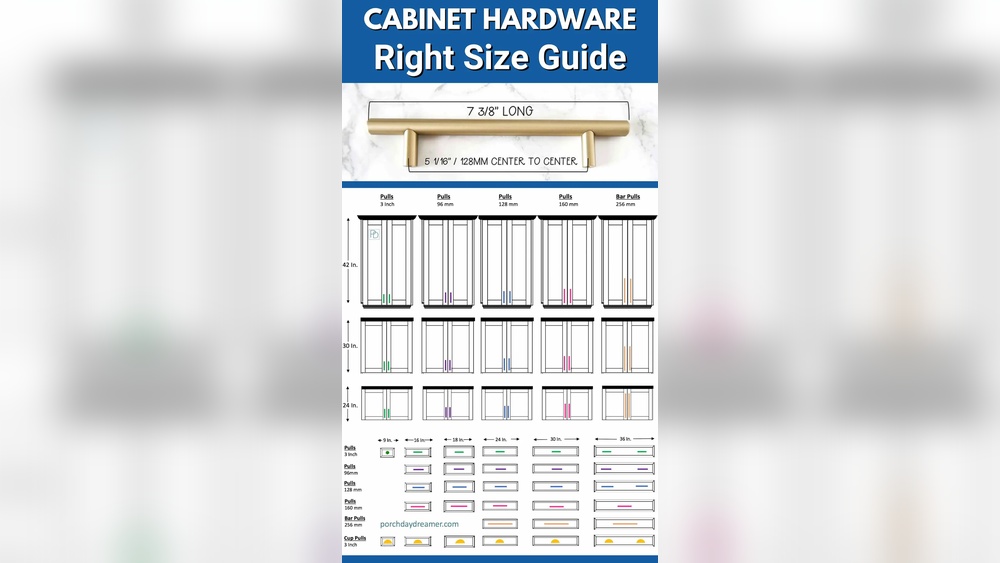
Pull length is the total length of a handle. Measure from one end to the other, including any curved parts. Pulls vary from 3 inches to over 12 inches. Choose a length that fits the cabinet door size. Longer pulls offer easier grip on large doors.
Center-to-center Measurement
This is the distance between the two screw holes on a handle. Measure from the center of one hole to the center of the other. Common sizes include 3, 4, or 5 inches. Match this measurement to your cabinet’s drilled holes. It ensures easy installation without extra drilling.
Hinge Size And Placement
Hinges come in various sizes and types. Measure the height and width of the hinge plate. Note the distance from the door edge to the hinge cup center. Proper hinge placement keeps doors aligned and functioning smoothly. Check your cabinet style to pick the right hinge size and position.
Tools Needed For Accurate Measurement
Measuring hardware for kitchen cabinets needs care and the right tools. Accurate measurement helps ensure a perfect fit and smooth installation. Using proper tools makes the process easy and precise. This section explains key tools for accurate measurement.
Using A Tape Measure
A tape measure is the most common tool for measuring cabinet hardware. It helps find length, width, and distance between holes. Choose a tape with clear, easy-to-read markings. Hold it straight for exact numbers. Measure twice to avoid mistakes.
Calipers For Precision
Calipers give very accurate measurements of small parts. They work well for thickness, diameter, and hole size. Digital calipers show readings on a screen for easy reading. Use calipers to check hardware parts that need precise fitting. They help avoid fitting problems later.
Templates And Jigs
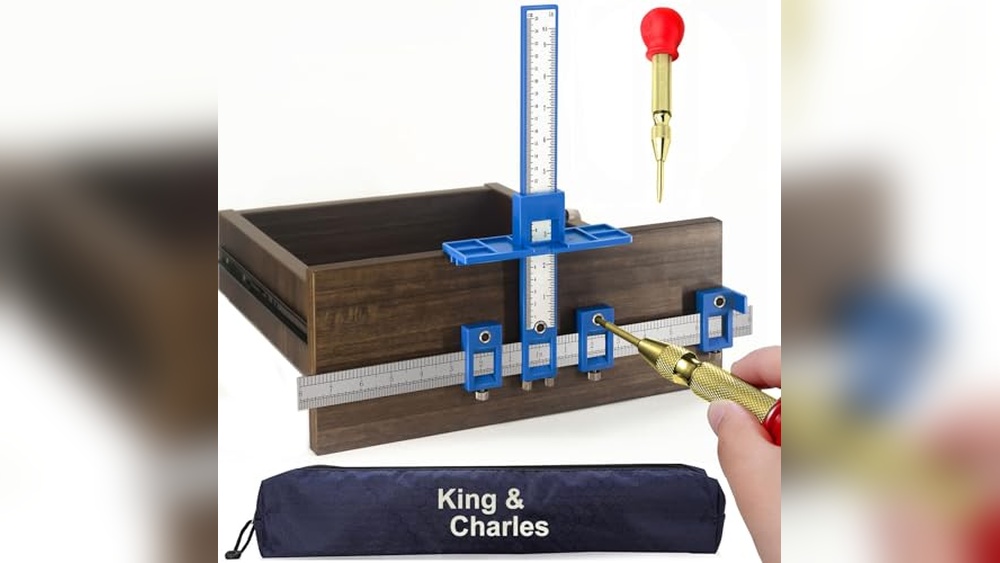
Templates and jigs guide drilling and placement of hardware. They keep holes in the right spot and distance. Use a template that matches your hardware size. Jigs help repeat measurements on multiple cabinets. This saves time and keeps hardware aligned.
Credit: www.handlesandmore.ca
Step-by-step Measurement Process
Measuring hardware for kitchen cabinets requires accuracy and care. Taking the right steps ensures your new handles or knobs fit perfectly. Follow this clear process to get the exact measurements needed for your project.
Measuring Existing Hardware
Start by removing the current hardware if possible. Use a ruler or tape measure to find the center-to-center distance between screw holes. This is the most common measurement for cabinet hardware. Write down this number carefully. It helps you find matching pieces easily.
Marking Drill Points
If installing new hardware, mark the drill points on the cabinet door or drawer. Use a pencil and a measuring tape to place marks evenly. Measure from edges to keep the hardware centered. Marking accurately prevents mistakes and saves time during installation.
Double-checking Measurements
Check your measurements twice before drilling or buying hardware. Confirm the center-to-center distance and placement marks. Use a level to ensure everything lines up straight. Double-checking stops errors and avoids costly fixes later.
Common Measurement Mistakes To Avoid
Measuring hardware for kitchen cabinets can be tricky. Simple mistakes cause delays and extra costs. Avoiding common errors helps ensure a smooth installation. Focus on precise measurements and clear units.
Ignoring Center-to-center Specs
Center-to-center measurement means the distance between screw holes. Ignoring this can cause hardware not to fit. Always measure from the center of one hole to the center of the other. This ensures you buy the right size handles and knobs.
Mixing Metric And Imperial Units
Using both metric and imperial units confuses measurements. Mixing inches and millimeters leads to wrong hardware size. Stick to one system when measuring and ordering. This prevents errors and saves time during installation.
Overlooking Door And Drawer Thickness
Hardware must fit the thickness of doors and drawers. Overlooking this causes screws to be too short or too long. Measure the thickness before choosing hardware. Correct sizing guarantees a secure and neat fit.
Choosing The Right Hardware Size
Choosing the right hardware size for kitchen cabinets affects both looks and use. Small or large hardware can change how your cabinets feel and function. Picking the correct size helps your kitchen look balanced and easy to use. This section explains how to choose hardware that fits your cabinets well.
Matching Hardware To Cabinet Style
Hardware size should match the style of your cabinets. Large, bold handles suit big, modern cabinets. Small knobs fit better with classic or traditional styles. Measure your cabinet doors and drawers before picking hardware. This helps keep the style consistent and neat.
Considering Ergonomics And Function
Hardware must feel good in your hand. Handles that are too small or too big can be hard to grip. Think about who uses the kitchen most. Choose hardware that is easy to open and comfortable to hold. This makes daily use smooth and safe.
Balancing Aesthetics And Practicality
Good hardware looks nice and works well. Avoid hardware that sticks out too much or looks awkward. The size should fit the cabinet space and allow easy opening. Balance beauty with function to keep your kitchen practical and stylish.
Replacing Hardware On Existing Cabinets
Replacing hardware on existing kitchen cabinets can refresh the look without a full remodel. It is a simple project that improves both style and function. Careful measurement and proper installation ensure a neat finish.
Start by removing old hardware carefully to avoid damage. Then, fill any old holes to prepare for the new pieces. Finally, install the new hardware with the right tools and techniques.
Removing Old Hardware Safely
Use the correct screwdriver to avoid stripping screws. Turn screws slowly and keep steady pressure. If screws are stuck, apply a little lubricant to loosen them. Remove handles and knobs gently to prevent cabinet damage.
Filling Old Holes
Fill old holes with wood filler or putty matching the cabinet color. Apply the filler with a putty knife and smooth it out. Let it dry completely before sanding the surface flat. This step hides old holes and creates a smooth base.
Installing New Hardware Correctly
Measure the placement carefully, matching new hardware with old holes if possible. Use a template or ruler to mark drilling spots. Drill pilot holes to prevent wood splitting. Attach hardware tightly but avoid over-tightening. Check alignment and function before finishing.

Credit: ccom.cat
Tips For Custom Cabinet Hardware Measurement
Measuring custom cabinet hardware can be tricky without the right approach. Precise measurements ensure a perfect fit and smooth installation. These tips help you avoid common mistakes and save time during your project. Follow clear steps to get accurate results for your cabinet handles and knobs.
Working With Custom Sizes
Custom cabinets often need hardware that does not follow standard sizes. Measure the exact distance between screw holes on your cabinet doors. Use a ruler or tape measure that shows millimeters for accuracy. Note the width and length of the hardware piece. Keep track of unusual shapes or styles that need special fitting. Double-check measurements before ordering to prevent errors.
Collaborating With Hardware Suppliers
Talk with your hardware supplier early in the process. Share your measurements and ask for advice on fitting options. Suppliers can recommend hardware that matches your cabinet size and style. Request samples or drawings to confirm the design fits your needs. Clear communication reduces the chance of receiving the wrong hardware.
Documenting Measurements For Future Use
Write down all measurements clearly and store them safely. Keep a digital copy or a physical notebook for your records. Label each measurement by cabinet door or drawer for easy reference. This helps if you want to order more hardware later. Good documentation speeds up repairs and upgrades in the future.

Credit: www.dekkorinc.com
Frequently Asked Questions
What Is The Standard Measurement For Kitchen Cabinet Hardware?
The standard measurement for kitchen cabinet hardware is the center-to-center distance. It is the space between the screw holes, usually 3 or 4 inches. This helps ensure compatibility when replacing or installing knobs and pulls on cabinets.
How To Measure Cabinet Hardware For Drawer Pulls?
Measure the distance between the centers of the two mounting holes on the drawer pull. This center-to-center measurement determines the correct hardware size for your drawers. Accurate measurement ensures a perfect fit and easy installation.
Why Is Center-to-center Measurement Important For Cabinet Hardware?
Center-to-center measurement ensures hardware fits existing holes. It prevents drilling new holes and misalignment. This measurement is crucial for replacing or upgrading cabinet handles and knobs smoothly.
Can Cabinet Hardware Measurements Vary By Cabinet Type?
Yes, hardware measurements can vary depending on cabinet style and manufacturer. Custom cabinets might have unique sizes. Always measure existing hardware or consult specifications before purchasing new pieces.
Conclusion
Measuring hardware for kitchen cabinets is simple and important. Always check the center-to-center distance between holes. This helps pick handles that fit perfectly. Using the right size ensures a neat look and easy use. Remember, small errors can cause big problems later.
Take time to measure carefully before buying. This way, your kitchen hardware will look great and work well. Good measurements save time and avoid frustration. Keep these tips in mind for your next cabinet project.