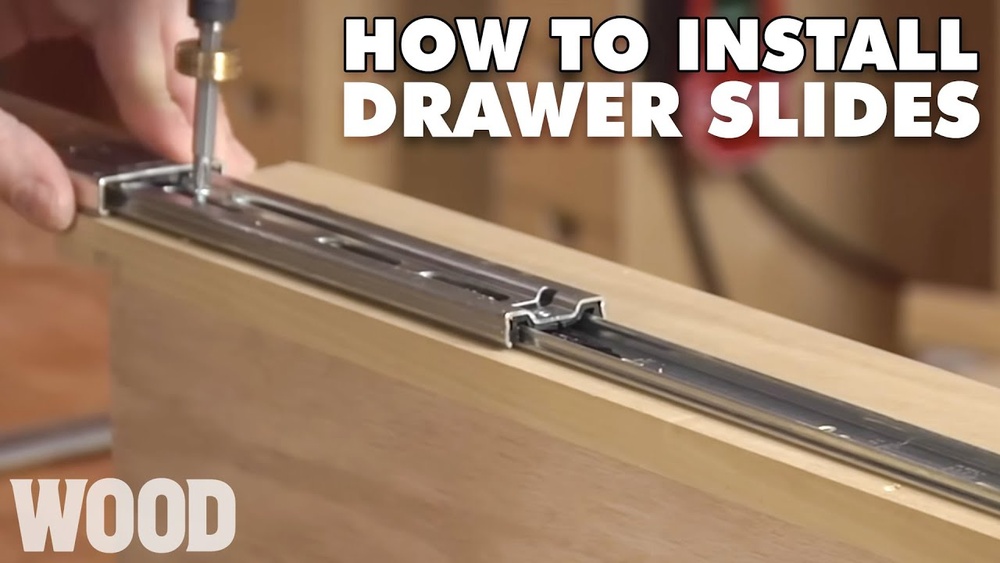
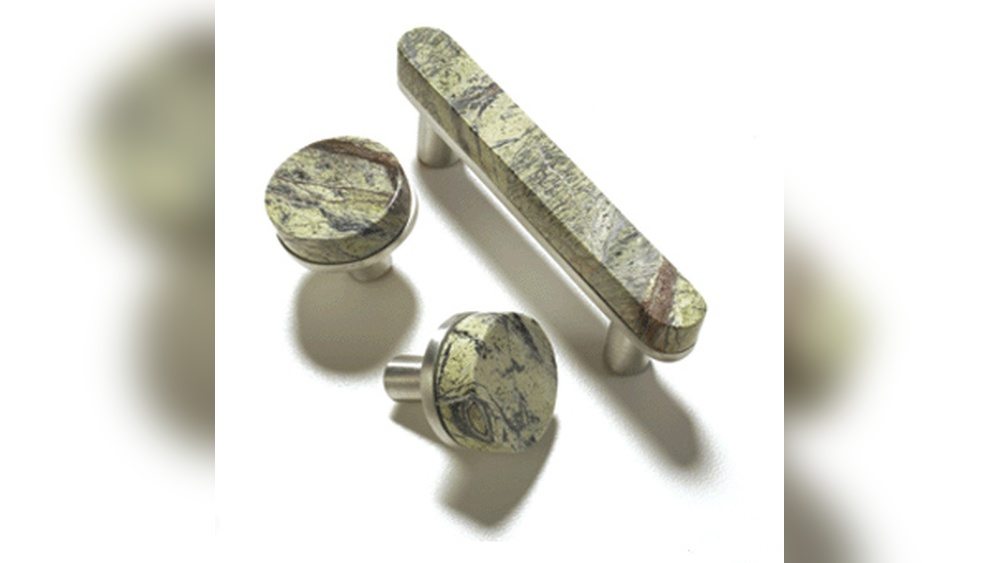
Are you ready to give your cabinets a fresh new look without the hassle of a full remodel? Moving cabinet hardware is a simple way to update your space and add a personal touch.
But how do you do it without leaving unsightly holes or damaging your cabinets? In this guide, you’ll discover easy, step-by-step tips to move your cabinet hardware like a pro. By the end, you’ll have the confidence to transform your kitchen or bathroom quickly and smoothly.
Keep reading—your cabinets are about to get a stylish upgrade!
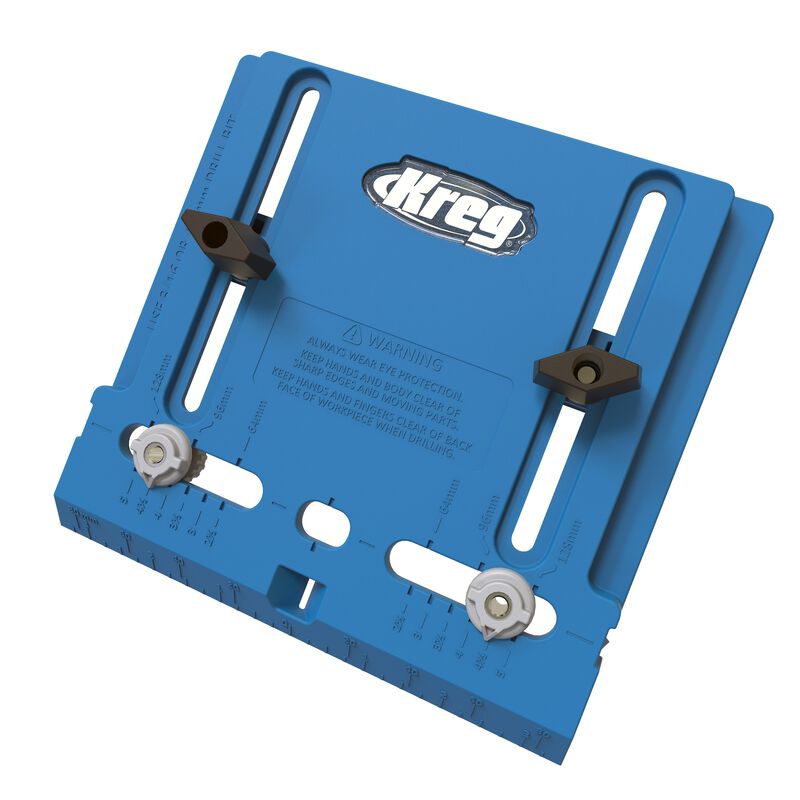
Credit: www.kregtool.com
Tools And Materials Needed
Moving cabinet hardware needs the right tools and materials. Using proper tools makes the job easier and faster. It also helps avoid damage to cabinets. Gathering all items before starting saves time and stress.
Essential Tools
A screwdriver is a must for removing screws. Choose one that fits your hardware screws well. A drill with drill bits helps when making new holes. A tape measure ensures accurate placement of hardware. A pencil marks the spots for new holes. A level keeps the hardware straight. Use a putty knife to fill old holes with wood filler. Sandpaper smooths the filled areas for a clean look.
Choosing New Hardware
Select hardware that fits your cabinet style. Measure existing holes to find matching new hardware. Match the screw size to avoid drilling new holes. Pick finishes that blend or contrast well with cabinets. Consider the shape and size for comfortable use. Simple designs often suit most cabinets and kitchens.
Preparing The Cabinets
Preparing the cabinets is the first step to moving cabinet hardware. This step ensures a smooth and clean process. Taking time here saves effort later. Proper preparation protects your cabinets and helps new hardware fit well. Follow these simple tasks before you start installing new knobs or handles.
Cleaning And Removing Old Hardware
Start by removing the old hardware carefully. Use a screwdriver to avoid damage. Keep screws safe for later use or disposal. Clean the cabinet surface with a mild cleaner. Dirt and grease can block new hardware from sticking properly. Let the surface dry completely before moving on. Clean cabinets also look fresh and ready for change.
Inspecting For Damage
Check the cabinet surface for scratches, holes, or cracks. Old screw holes may need filling with wood filler. Sand the filled spots smooth after drying. Look for loose or damaged cabinet doors and fix them first. Repairing damage now prevents bigger problems later. Strong cabinets hold hardware firmly and last longer.
Measuring And Marking
Measuring and marking are important steps when moving cabinet hardware. These steps help ensure the new hardware fits perfectly and looks balanced. Taking your time with measurements prevents mistakes and saves effort later.
Finding The Perfect Placement
Start by deciding where the hardware will go. Use a ruler or tape measure for exact measurements. Measure from the edges of the cabinet to find a centered spot. Mark this spot lightly with a pencil. Double-check the measurements to avoid errors. Small adjustments can make a big difference in appearance.
Using Templates For Accuracy
Templates are useful tools for marking drill holes quickly and evenly. You can buy templates or make your own from cardboard. Place the template on the cabinet surface and align it with your marks. Use a pencil to mark the drill holes through the template. This method keeps hardware placement consistent across multiple cabinets.
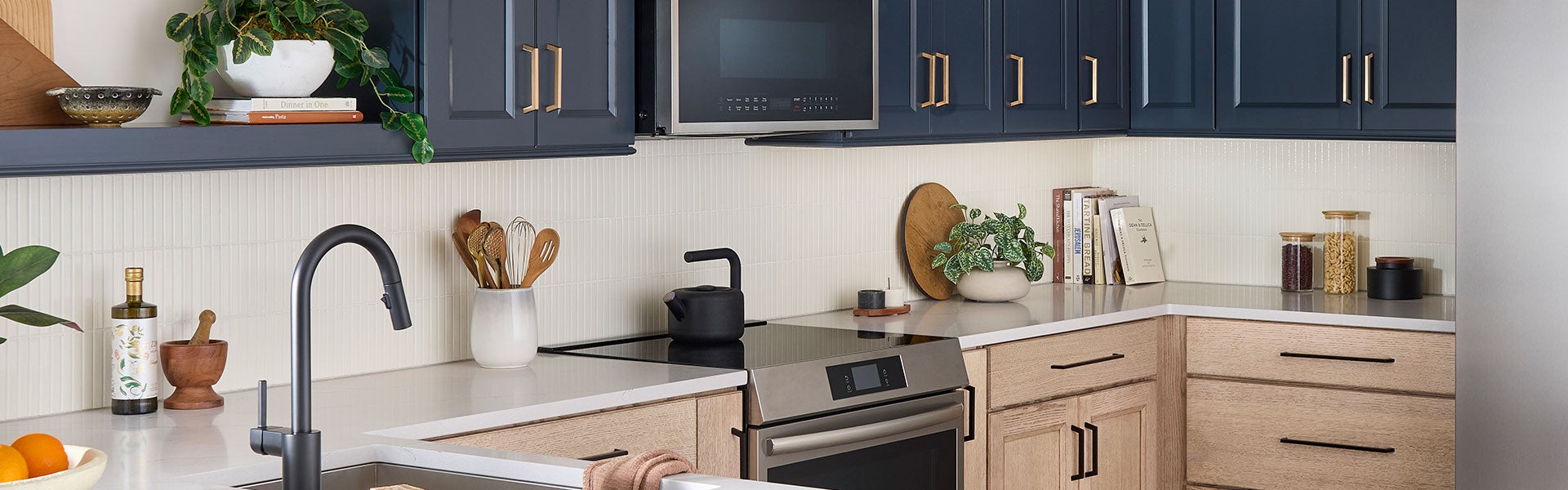
Credit: www.hardwareresources.com
Drilling New Holes
Drilling new holes is a key step when moving cabinet hardware. It helps fit new handles or knobs in the right spot. Careful drilling keeps your cabinets looking neat and undamaged. Use the right tools and methods for smooth results.
Selecting The Right Drill Bit
Choose a drill bit size that matches the screw size. Too large or too small bits can cause problems. For wood cabinets, use a sharp wood drill bit. A brad point bit makes clean, precise holes. Check the drill bit condition before starting. Dull bits can split the wood or make uneven holes.
Avoiding Common Mistakes
Mark the hole position clearly with a pencil. Measure twice to avoid wrong placement. Drill straight, not at an angle, for a secure fit. Start with a small pilot hole to guide the larger bit. Avoid forcing the drill; let it work gently. Clean up wood dust to see the hole clearly. Use tape on the drill spot to reduce wood splintering.
Installing New Hardware
Installing new cabinet hardware can refresh the look of your kitchen or bathroom. It is a simple way to update your space without major renovations. Start by choosing hardware that fits your style and matches your cabinets.
Careful installation ensures your new handles and knobs work well and look great. Follow these steps to secure them properly and check their alignment for a perfect finish.
Securing Handles And Knobs
First, place the handle or knob on the cabinet door or drawer. Align it with the existing holes or mark new spots if needed. Use the screws provided with your hardware to attach it firmly. Tighten the screws with a screwdriver until the hardware feels secure. Avoid over-tightening to prevent damage to the cabinet surface.
Checking For Alignment
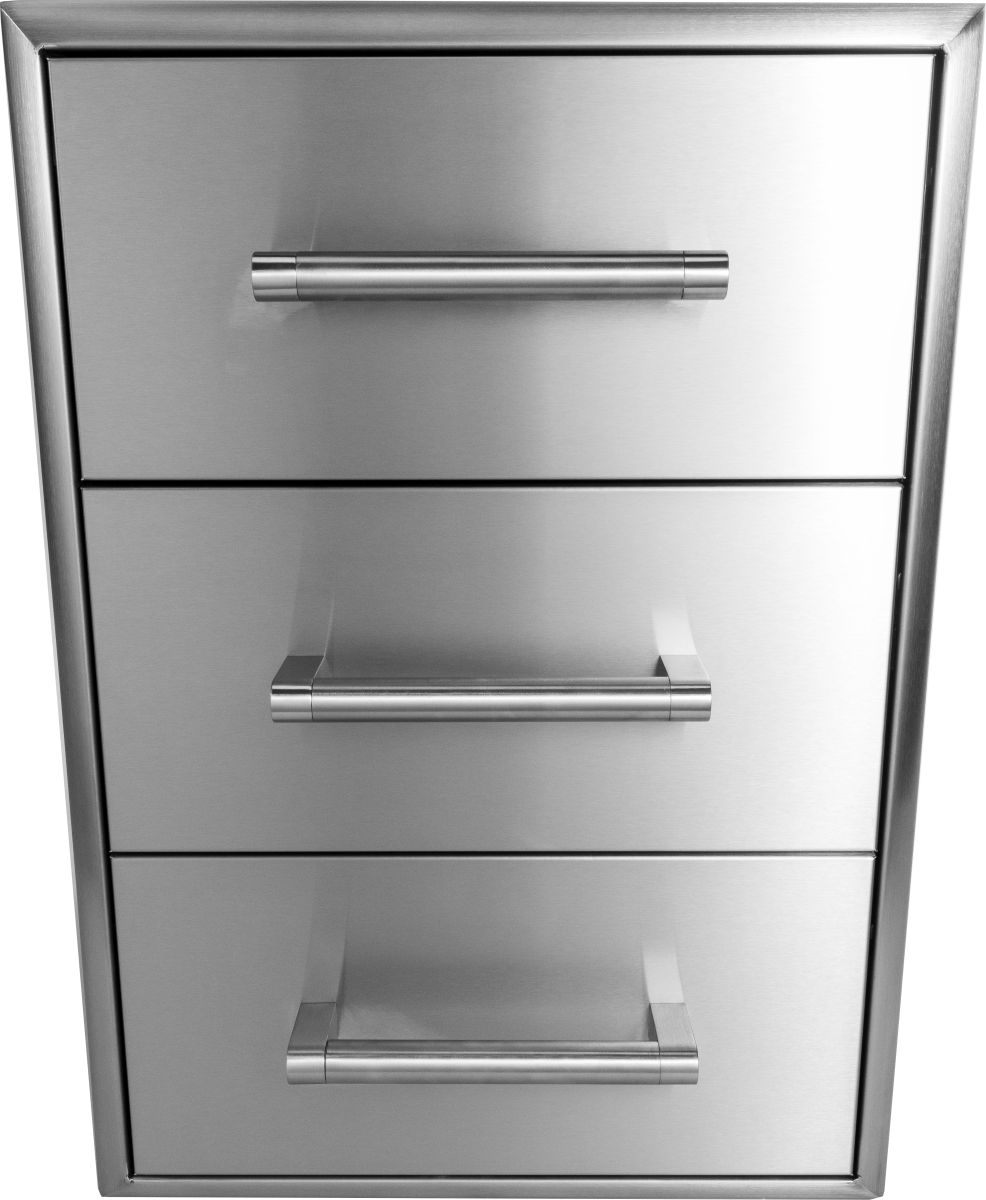
After securing the hardware, check that all handles and knobs line up evenly. Stand back and look closely at the rows of hardware. Adjust any pieces that look crooked or uneven. Correct alignment improves the cabinet’s appearance and makes it easier to use. Use a level tool if you want precise results.
Credit: www.builderssource.com
Finishing Touches
After moving cabinet hardware, the final steps make a big difference. These finishing touches help your cabinets look neat and new. Small details matter. Take time to fix old holes and refresh paint or stain. This keeps your cabinets looking clean and polished.
Filling Old Holes
Old holes from hardware can look messy. Fill them with wood filler or putty. Press the filler firmly into each hole. Let it dry completely before sanding. Sand smooth so the surface feels even. This step hides the holes well. It prepares the cabinet for painting or staining.
Touching Up Paint Or Stain
Touch up paint or stain to match the cabinet color. Use a small brush for careful application. Apply thin coats and let each dry fully. This hides any marks from filled holes. It also freshens the cabinet’s look. Matching color keeps the finish consistent and clean.
Maintenance Tips
Maintaining your cabinet hardware is key to keeping your kitchen or bathroom looking fresh. Regular care extends the life of knobs, pulls, and handles. It also keeps them functioning smoothly. Simple steps help avoid damage and keep hardware secure.
Keeping Hardware Clean
Wipe hardware often with a soft cloth. Use mild soap and water for dirt. Avoid harsh chemicals that can damage finishes. Dry each piece well to stop rust and stains. Clean hardware keeps your cabinets looking neat and new.
Tightening Loose Fixtures
Check hardware regularly for looseness. Loose screws cause handles to wobble or fall off. Use a screwdriver to tighten screws gently. Do not overtighten; it can strip the hole. Tight hardware ensures safe and easy cabinet use.
Frequently Asked Questions
How Do I Remove Cabinet Hardware Safely?
Use a screwdriver to unscrew handles or knobs carefully. Hold the hardware steady to avoid damage. Work slowly to prevent stripping screws or scratching the cabinet surface.
Can I Reuse Old Cabinet Hardware After Moving?
Yes, you can reuse old hardware if it’s in good condition. Clean it thoroughly and check for any damage before reinstalling. Reusing saves money and maintains your cabinet’s original look.
What Tools Are Needed To Move Cabinet Hardware?
You need a screwdriver, drill, measuring tape, and pencil. A level helps align the hardware evenly. Having these tools ensures a smooth and accurate hardware move.
How Do I Align New Cabinet Hardware Correctly?
Measure and mark the desired placement using a pencil and tape measure. Use a level to ensure straight alignment. Double-check measurements before drilling or screwing in hardware.
Conclusion
Moving cabinet hardware can freshen up any room quickly. Take your time to measure and mark new spots carefully. Use the right tools to avoid damage to cabinets. Always fill old holes smoothly for a neat look. Changing hardware is a simple way to update style.
Small steps like these make a big difference. Enjoy your refreshed cabinets and the new vibe they bring. Easy and effective home improvement is within reach!