Are you tired of struggling with tricky buttons or bulky clasps? Learning how to use Dritz snap fasteners can make your sewing projects easier and more professional-looking.
These simple snaps are perfect for everything from clothing repairs to DIY crafts. In this guide, you’ll discover step-by-step instructions that anyone can follow, even if you’re new to sewing. By the end, you’ll have the confidence to add quick and secure snaps to your creations, saving you time and frustration.
Ready to master this handy skill? Let’s dive in!
Credit: www.walmart.com
Choosing The Right Snap Fastener
Choosing the right snap fastener is key to making your project look neat and last long. A good snap fastener fits well with your fabric and matches the use of your item. This choice affects both the strength and appearance of your finished work.
Types Of Dritz Snap Fasteners
Dritz offers several snap fasteners for different needs. There are metal snaps, plastic snaps, and sew-on snaps. Metal snaps are strong and great for heavy fabrics like denim. Plastic snaps suit lighter fabrics and are less likely to rust. Sew-on snaps are good for delicate materials where holes might cause damage.
Selecting Size And Style
Sizes vary from small to large. Small snaps work well for baby clothes or light fabrics. Larger snaps hold better on thick materials like jackets. Styles include shiny, matte, and colored finishes. Choose a style that matches your fabric color and project style. The right size and style help your snap fastener blend in or stand out as you want.
Gathering Necessary Tools
Before starting to use the Dritz Snap Fastener, gather all the necessary tools. Preparing your workspace with the right items makes the process smooth. It helps avoid interruptions and saves time. Knowing what tools you need is the first step for a neat and secure snap installation.
Dritz Snap Fastener Kit Components
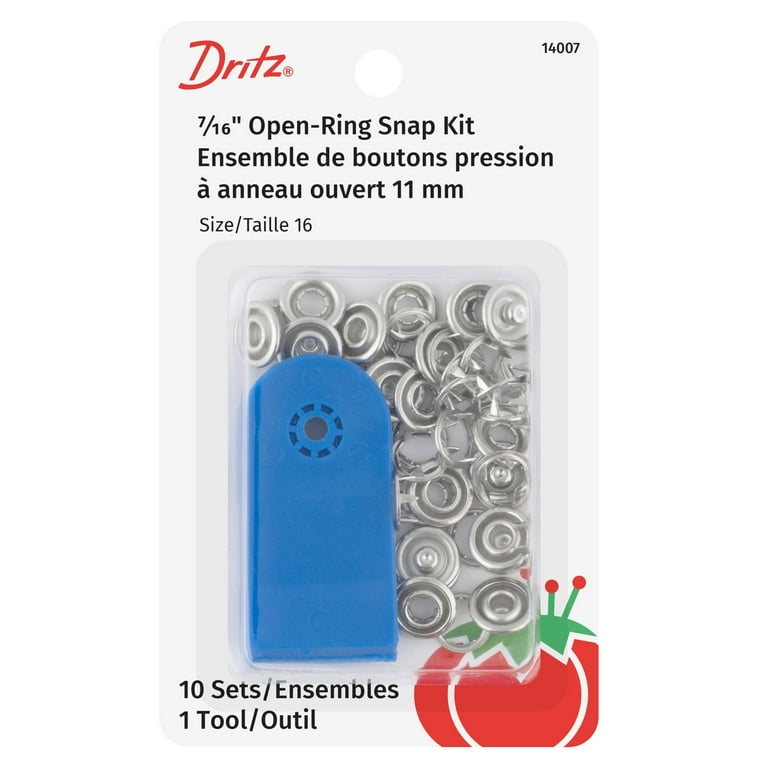
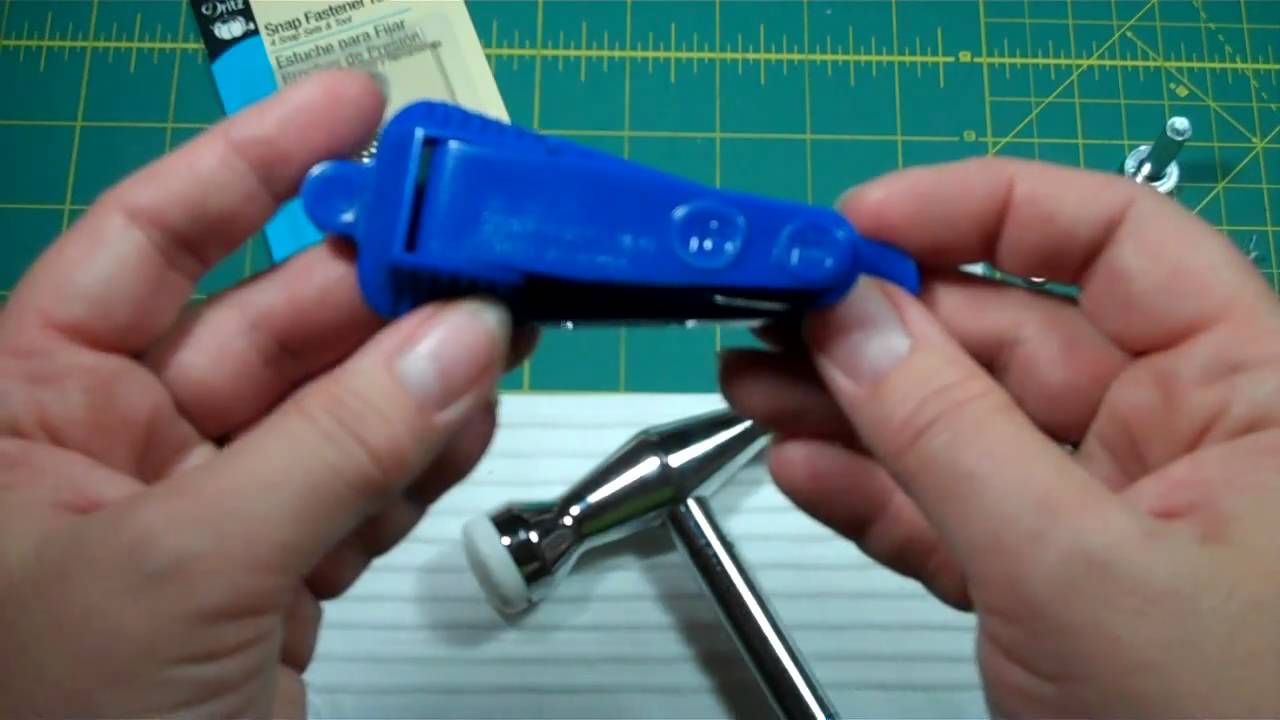
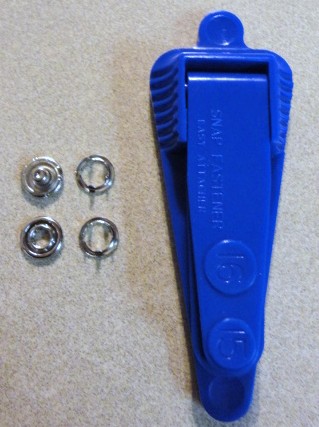
The Dritz Snap Fastener kit includes essential parts for attaching snaps. Inside, find metal snap pieces—both male and female parts. The kit also contains a setting tool to press the snaps together. Usually, it comes with an instruction sheet to guide you through the steps. These components are enough for basic snap fixing tasks.
Additional Tools You Might Need
Besides the kit, some extra tools can help with better results. A small hammer is useful for pressing the snaps firmly. A fabric marker helps mark the correct snap position. Needle-nose pliers can adjust or remove snaps if needed. A ruler or measuring tape ensures accurate placement. Having these tools on hand makes the job easier and more precise.
Preparing Fabric For Installation
Preparing fabric for Dritz snap fastener installation is key for a neat finish. Proper preparation helps snaps hold well and last longer. It starts with clear marking and fabric reinforcement.
Marking Snap Placement
Mark the spot where each snap will go. Use tailor’s chalk or a fabric pen. Choose a mark that won’t damage the fabric. Check alignment carefully to keep snaps even. Accurate marks ensure snaps close smoothly.
Reinforcing Fabric
Thin fabric needs extra strength before adding snaps. Sew a small patch of interfacing behind the snap area. This prevents fabric from tearing under pressure. Use a lightweight, fusible interfacing for best results. Reinforcement keeps snaps secure and fabric intact.
Credit: www.youtube.com
Installing The Snap Fastener
Installing the Dritz snap fastener is simple and quick. This guide helps you attach snaps securely to your fabric. Follow each step carefully for strong, lasting results.
Aligning Snap Components
Start by laying out your fabric flat. Place the snap parts where you want them to connect. Make sure the socket and stud match perfectly. Proper alignment prevents gaps or loose snaps.
Using The Snap Pliers
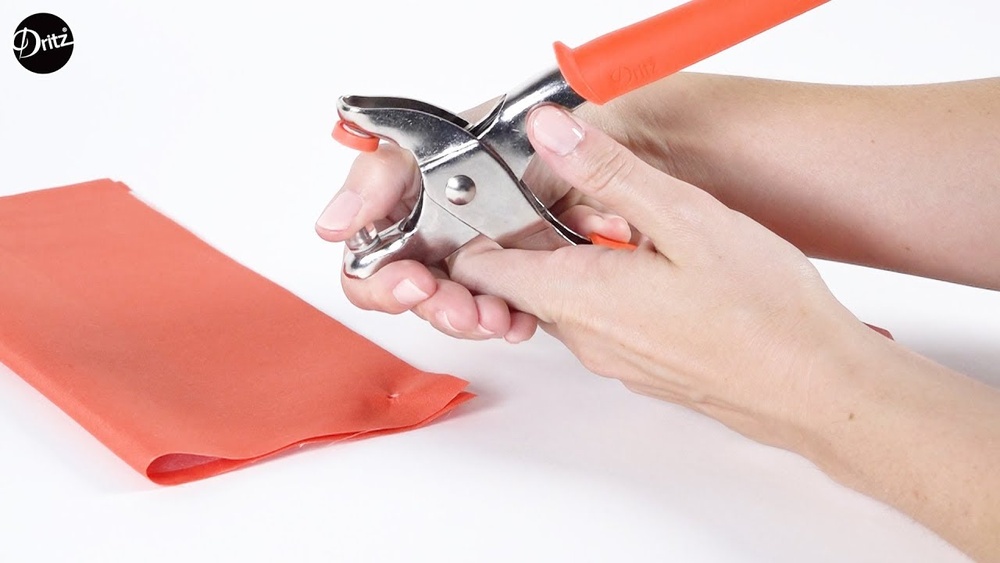
Hold the snap pliers firmly in your hand. Insert the snap parts into the correct slots of the pliers. Squeeze the handles together with steady pressure. This action presses the snap pieces tightly into the fabric.
Securing The Snap Properly
Check that both snap halves are tightly attached. Tug gently on the snap to test its hold. If loose, repeat the pressing step with the pliers. A secure snap fastener will stay in place through use.
Testing The Snap Fastener
Testing the Dritz snap fastener is an important step. It ensures your project works well and looks neat. A properly tested snap fastener will open and close smoothly. It should stay secure without being too tight. This section shows how to check the snap closure and fix common issues.
Checking Snap Closure
Start by pressing the snap parts together gently. They should click into place with a soft sound. Pull lightly to see if they hold firmly. The snap should not come apart easily. Open the snap by pulling the pieces apart straight. Check for smooth opening and closing. Make sure the snap aligns correctly on both sides. Misalignment can cause poor closure and damage.
Troubleshooting Common Issues
If the snap is too hard to close, check the placement again. Sometimes the fabric is too thick or the fastener is not set properly. Try adjusting the snap using the tool. If the snap does not stay closed, the prongs may be bent. Carefully bend the prongs inward to tighten the grip. Loose snaps might need repositioning or replacement. Avoid forcing the snap to prevent damage.
Care And Maintenance Tips
Proper care helps keep your Dritz snap fasteners working well. It also keeps them looking good. Small steps can prevent damage and wear. Taking care of snaps saves money and time.
Cleaning Snap Fasteners
Clean snap fasteners gently to avoid damage. Use a soft cloth with mild soap and water. Avoid harsh chemicals or strong detergents. Dry snaps thoroughly after cleaning. Moisture can cause rust or corrosion.
Extending Snap Lifespan
Use snaps carefully to prevent bending or breaking. Avoid pulling snaps apart roughly. Store items with snaps in a dry, cool place. Regularly check snaps for loose parts. Tighten or replace damaged snaps to keep them secure.
Credit: www.indianainker.com
Frequently Asked Questions
What Materials Work Best With Dritz Snap Fasteners?
Dritz snap fasteners work well with light to medium-weight fabrics like cotton, denim, and polyester. Avoid using them on very thick or delicate materials for best results.
How Do I Install Dritz Snap Fasteners Properly?
To install, mark fabric, punch holes using the tool, place snap parts correctly, and press firmly with pliers. Follow package instructions carefully for secure attachment.
Can Dritz Snap Fasteners Be Removed Easily?
Yes, they can be removed with pliers or a seam ripper. Be gentle to avoid damaging fabric when removing snaps.
Are Dritz Snap Fasteners Reusable After Removal?
No, once removed, snap fasteners usually lose grip and should be replaced with new ones for reliable use.
Conclusion
Using Dritz snap fasteners makes sewing easier and neat. You can attach snaps quickly with the right tool. Practice helps you place snaps perfectly every time. These fasteners hold fabric firmly and look clean. Try them on clothes, bags, or crafts for a simple finish.
Snap fasteners save time and avoid sewing buttons. Now you know how to use Dritz snap fasteners well. Give it a try and see the difference!