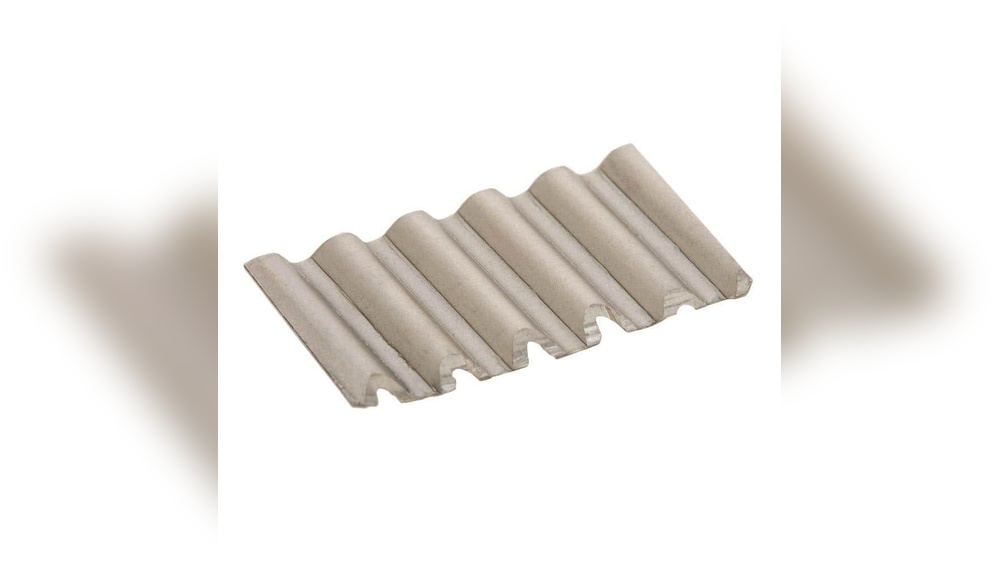
Have you ever wondered what keeps your furniture, gadgets, or even your car parts firmly in place? The answer lies in something small but mighty—a fastener.
You might not notice them, but fasteners play a crucial role in holding things together every day. Understanding what a fastener is can help you make better choices for your DIY projects, repairs, or even when buying products. Stick with me, and you’ll soon see how these tiny components make a big difference in your life.
Fastener Basics
Fasteners are small but vital parts used in many projects. They join two or more objects tightly. Knowing the basics helps to choose the right fastener for each task. This section explains what fasteners are and the materials used to make them.
What Is A Fastener
A fastener is a device that holds objects together. It creates a strong link without glue or welding. Screws, bolts, nails, and clips are common types. Each fastener has a special shape and use. They keep parts stable and prevent movement. Fasteners are found in homes, cars, and machines.
Common Materials Used
Fasteners come in many materials to fit different needs. Steel is strong and used for heavy loads. Stainless steel resists rust and works outdoors. Brass and aluminum are lighter and often used in small devices. Plastic fasteners are flexible and resist corrosion. Choosing the right material improves fastener life and performance.

Credit: gnmcusa.com
Types Of Fasteners
Fasteners hold things together. They come in many types. Each type has a specific use. Understanding these helps in choosing the right one for your project.
Screws And Their Variations
Screws have threads that dig into materials. They hold parts tightly. Common types include wood screws, machine screws, and self-tapping screws. Each type works best with certain materials.
Nails And Uses
Nails are simple and fast to use. They work well for wood and light materials. Types include common nails, finishing nails, and brads. Nails are often used in construction and carpentry.
Bolts And Nuts
Bolts are strong fasteners with smooth shafts. Nuts fit on bolts to secure parts firmly. This pair is ideal for heavy-duty connections. They allow easy assembly and disassembly.
Rivets And Their Applications
Rivets join materials by deforming the end. They create permanent joints. Common in metalwork and aircraft manufacturing. Rivets are reliable and resistant to vibration.
Clips And Clamps
Clips and clamps hold objects temporarily or permanently. Clips are quick to attach and remove. Clamps provide adjustable pressure. They are useful in woodworking and mechanical repairs.
Choosing The Right Fastener
Choosing the right fastener is important for a strong and lasting connection. Fasteners come in many types and sizes. Selecting the best one depends on the project and materials used. This helps avoid problems like loosening or breaking.
Factors To Consider
Consider the environment where the fastener will be used. Moisture, temperature, and exposure to chemicals affect fastener choice. Also, check if the fastener needs to be removable or permanent. The size and shape of the parts to join matter too.
Matching Fastener To Material
Different materials require different fasteners. Wood fasteners differ from those for metal or plastic. Using the wrong fastener can damage the material. Match the fastener type to the material for a secure hold.
Load And Strength Requirements
Know the weight and force the fastener must hold. Heavy loads need stronger fasteners. Check the fastener’s strength rating before choosing. Safety depends on proper strength and load handling.
Credit: www.forgeway.com
Fastener Installation Tips
Installing fasteners correctly is key to strong and lasting connections. Using the right tools and techniques makes the job easier. Avoiding common mistakes helps prevent damage and saves time. Here are some simple tips for better fastener installation.
Tools Needed
Choose the correct screwdriver or drill bit for the fastener head. Use a wrench or socket for bolts and nuts. Have a measuring tape and level to ensure accuracy. A pilot drill bit helps create holes for screws in hard materials. Keep all tools clean and in good shape.
Proper Techniques
Start by marking the exact spot for the fastener. Drill a pilot hole if needed to guide the fastener. Insert the fastener straight to avoid bending or stripping. Tighten slowly and stop once secure. Over-tightening can damage the material or fastener.
Avoiding Common Mistakes
Do not force a fastener if it feels stuck. Check the fastener size matches the hole and material thickness. Avoid using worn or damaged tools that slip or strip fasteners. Keep fasteners clean and free from rust. Double-check alignment before tightening fully.
Specialty Fasteners
Specialty fasteners serve unique purposes beyond standard screws and bolts. They help join materials that need extra strength or specific handling. These fasteners solve problems in construction, manufacturing, and repair tasks.
Each type of specialty fastener fits a distinct need. They provide secure holds in tricky places and materials. Understanding their functions helps select the right fastener for any project.
Threaded Inserts
Threaded inserts create strong, reusable threads in soft materials like wood or plastic. They allow screws to be removed and reinserted without damage. These inserts improve the durability of joints in furniture and machinery.
They come in many shapes and sizes. Installation often requires simple tools. Threaded inserts are perfect for projects needing repeated assembly.
Expansion Anchors
Expansion anchors hold objects firmly in concrete or brick. They expand inside holes as screws tighten, gripping the material tightly. This makes them ideal for heavy loads and structural support.
These fasteners resist pull-out forces well. They ensure safety in mounting shelves, signs, or machinery. Expansion anchors provide strong, lasting attachments in masonry.
Magnetic Fasteners
Magnetic fasteners use magnets to hold items together without drilling or screws. They allow quick attachment and removal, saving time in assembly. These fasteners work well for lightweight objects and temporary setups.
They are common in clothing, electronics, and displays. Magnetic fasteners prevent damage to surfaces while keeping parts secure. Their ease of use makes them popular for many applications.
Fastener Maintenance
Fastener maintenance is essential to keep machines and structures safe and strong. Regular care helps prevent failures and extends the life of fasteners. This section explains how to inspect, protect, and replace fasteners effectively.
Inspection Practices
Check fasteners regularly for signs of wear or damage. Look for cracks, bends, or loose fittings. Tighten any loose fasteners to avoid accidents. Use tools like torque wrenches to ensure proper tightness. Note any fasteners that show rust or corrosion. Keep records of inspection dates and findings.
Corrosion Prevention
Protect fasteners from moisture and chemicals to stop rust. Apply anti-corrosion sprays or coatings on metal fasteners. Use stainless steel or coated fasteners in wet environments. Store fasteners in dry places. Replace any fasteners that start to corrode. Clean fasteners regularly to remove dirt and salts.
Replacement Guidelines
Replace fasteners if they are damaged, worn, or corroded. Follow manufacturer recommendations for replacement intervals. Use the correct size and type of fastener for each job. Do not reuse old or stretched fasteners. Dispose of damaged fasteners safely. Timely replacement ensures safety and performance.

Credit: snoblox-snojax.com
Frequently Asked Questions
What Is A Fastener Used For?
A fastener is used to join two or more objects securely. It holds parts together in construction, machinery, and everyday items.
What Are Common Types Of Fasteners?
Common fasteners include screws, bolts, nuts, nails, and rivets. Each type serves different purposes depending on strength and application.
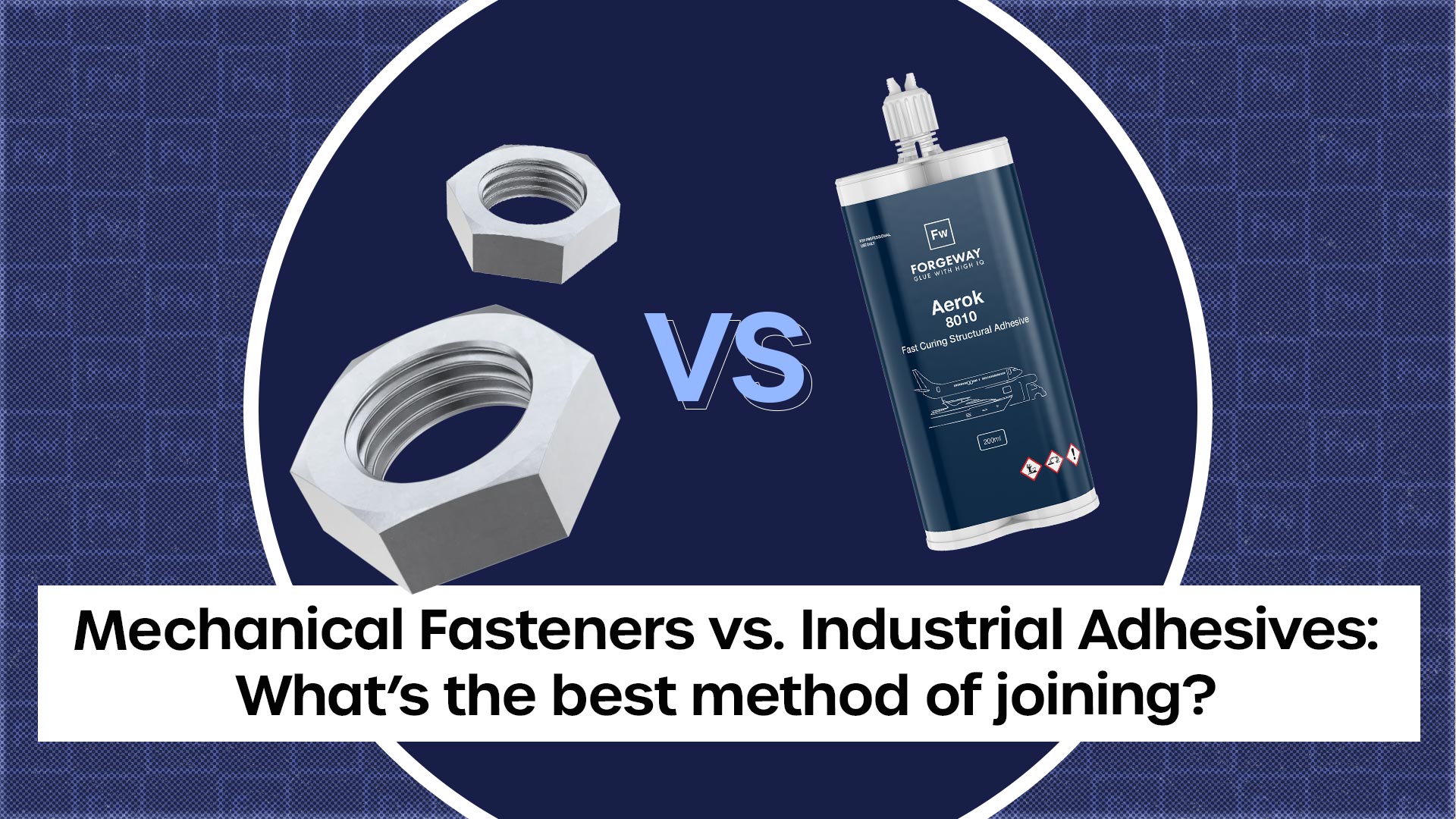
How Do Fasteners Differ From Adhesives?
Fasteners provide mechanical joining, while adhesives bond surfaces chemically. Fasteners allow easy disassembly; adhesives usually create permanent bonds.
Why Are Fasteners Important In Construction?
Fasteners ensure structural stability and safety. They maintain alignment, support loads, and allow easy maintenance or repairs in buildings.
Conclusion
Fasteners hold things tightly together. They come in many shapes and sizes. Each type serves a special purpose. Choosing the right fastener matters a lot. It keeps structures safe and strong. Knowing about fasteners helps in DIY projects. Simple tools and fasteners make work easier.
Small parts, big difference. Understanding fasteners makes building better and faster.