Have you ever wondered what keeps your furniture sturdy or your car parts tightly connected? The answer often lies in something small but mighty: the fastener bolt.
If you’ve ever struggled with loose connections or wondered how machines hold together, understanding fastener bolts can change the way you approach repairs and projects. This article will break down exactly what a fastener bolt is and why it’s essential for your everyday life.
Stick with me, and you’ll gain simple, clear insights that make any fixing or building task easier and more reliable.
Types Of Fastener Bolts
Fastener bolts come in many types, each designed for specific jobs. Knowing these types helps in choosing the right bolt for a project. Different bolts offer various strengths, shapes, and uses. Understanding these can save time and improve the quality of work.
Below are some common types of fastener bolts used in construction and manufacturing.
Hex Bolts
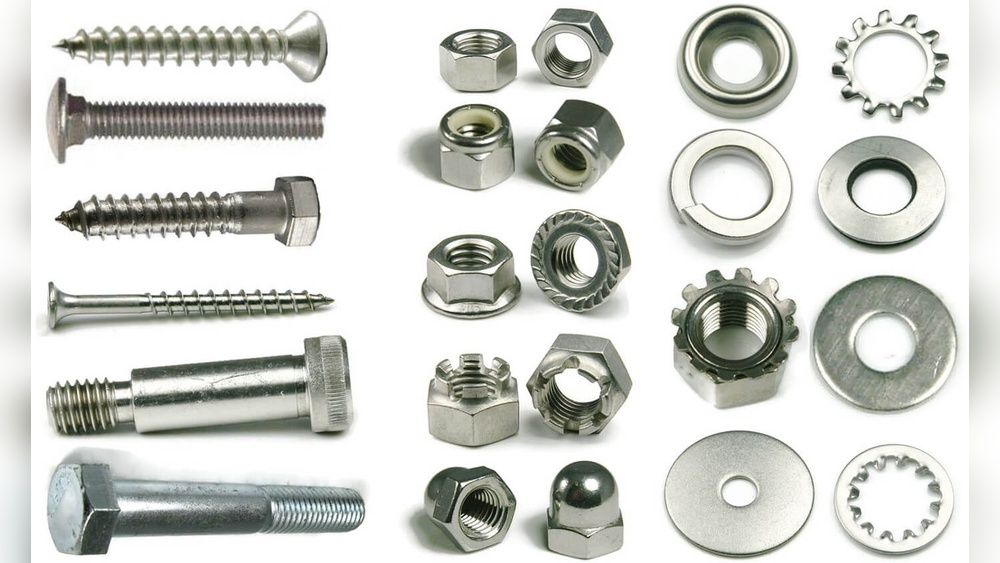
Hex bolts have six flat sides on the head. They fit wrenches easily for strong tightening. These bolts are popular in construction and machinery. They work well with nuts and washers for firm holds.
Carriage Bolts
Carriage bolts have round heads with a square neck. The neck stops the bolt from turning when tightening. They are used mainly in wood projects. Their smooth, rounded heads give a neat finish.
Lag Bolts
Lag bolts are large and heavy-duty. They have coarse threads for gripping wood firmly. These bolts are ideal for heavy timber and outdoor projects. They need pre-drilled holes to avoid splitting wood.
Machine Bolts
Machine bolts have a uniform diameter and fine threads. They are made for metal-to-metal fastening. These bolts fit into tapped holes or nuts. Their precision makes them perfect for machines and engines.

Credit: www.anchorbolt.co.in
Materials Used For Bolts
Bolt materials affect strength, durability, and use. Choosing the right material helps bolts perform well in different conditions. Each material offers unique benefits for specific tasks and environments.
Steel Bolts
Steel bolts are strong and common. They work well for heavy-duty tasks. Steel bolts resist bending and breaking. They are often coated to stop rust. Their cost is affordable and reliable.
Stainless Steel Bolts
Stainless steel bolts resist rust and corrosion. They suit wet or outdoor places. These bolts last long without losing strength. They need less care in harsh weather. Stainless steel bolts look shiny and clean.
Brass Bolts
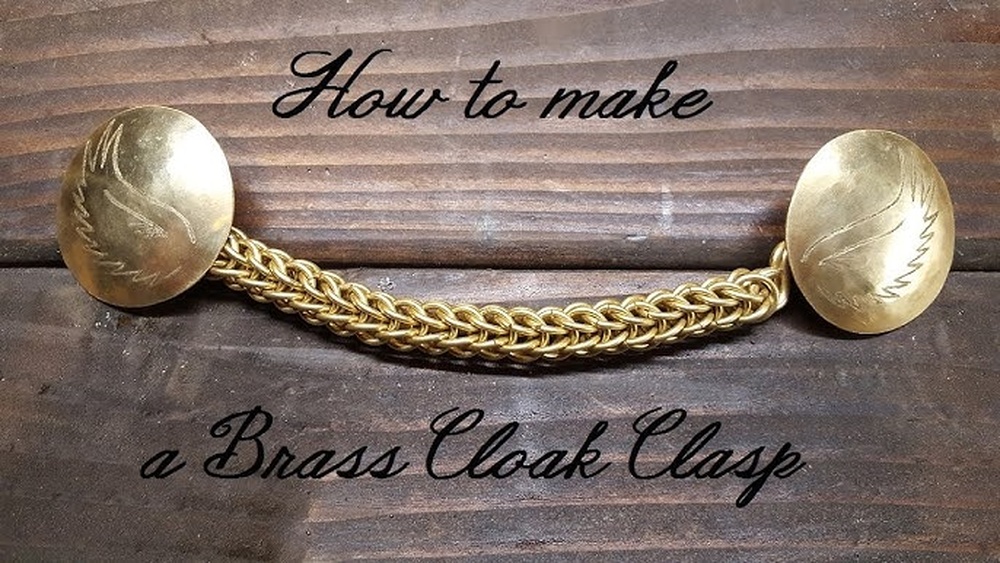
Brass bolts resist corrosion and electricity. They work well in electrical and marine uses. Brass bolts are softer than steel but still strong. They have a golden color that stands out. These bolts are easy to shape and install.
Titanium Bolts
Titanium bolts are light but very strong. They resist heat and corrosion well. These bolts suit high-performance and aerospace uses. Titanium bolts cost more but last longer. Their strength-to-weight ratio is excellent for tough jobs.
Bolt Sizes And Measurements
Bolt sizes and measurements are key to choosing the right fastener. They ensure the bolt fits well and works safely. Different bolts suit different tasks. Knowing their size details helps in picking the perfect one.
Diameter And Length
The diameter is the bolt’s thickness. It is measured in millimeters or inches. The length is how long the bolt is. It is measured from under the head to the tip. Both diameter and length affect the bolt’s strength and fit.
Thread Pitch
Thread pitch shows the distance between threads. It tells how tight or loose the threads are. Pitch is measured in millimeters for metric bolts or threads per inch for imperial bolts. Correct pitch ensures the bolt screws in properly.
Head Size
The head size means the width across the bolt’s head. It fits the tool used to tighten the bolt. Common heads include hex, round, and square shapes. Proper head size helps apply the right force without damage.
Choosing The Right Bolt
Choosing the right bolt is key for any project. The correct bolt ensures strength and safety. It also helps parts last longer without damage. Several factors affect which bolt fits best. Understanding these can save time and money.
Load Requirements
Bolts must hold the weight or force applied. Heavy loads need strong bolts with high tensile strength. Small loads can use lighter bolts. Check the weight and pressure before choosing. This prevents bolts from breaking or bending.
Environmental Factors
Bolts face different environments. Some work indoors, others outdoors. Moist or wet places need rust-resistant bolts. Hot or cold areas need bolts that handle temperature changes. Choose bolts that resist corrosion and weather damage.
Compatibility With Materials
Bolts connect different materials like wood, metal, or plastic. Choose bolts that fit the material’s hardness and thickness. Wrong bolts can cause cracks or loose joints. Matching bolts with materials improves strength and durability.
Installation Tips For Bolts
Installing bolts correctly ensures strong and safe connections. Poor installation can cause loosening or damage. Follow these tips to get the best results with your fastener bolts.
Proper Torque Application
Use the right torque to tighten bolts. Too much force can strip threads or break bolts. Too little force can let bolts loosen over time. Use a torque wrench for accurate tightening. Check the recommended torque value for each bolt type.
Using Washers And Nuts
Place washers under nuts or bolt heads to spread pressure. Washers protect surfaces and prevent damage. Use the correct nut size to match the bolt. Tighten nuts evenly to keep bolts secure. Choose locking nuts for extra hold in vibrating environments.
Avoiding Common Mistakes
Do not reuse old or damaged bolts. Inspect bolts for rust or wear before use. Avoid cross-threading by starting bolts by hand. Tighten bolts in a crisscross pattern for even pressure. Do not overtighten bolts to prevent damage.

Credit: baitalnuhas.com
Maintenance And Inspection
Maintaining and inspecting fastener bolts is crucial for safety and performance. Regular checks help detect problems early. This avoids failures and costly repairs. Proper care extends the life of bolts and keeps machinery running smoothly.
Checking For Wear And Damage
Look closely at bolts for signs of wear or damage. Check for cracks, rust, or bent threads. Worn bolts can break under pressure. Inspect bolts regularly, especially in high-stress areas. Replace any bolt that shows visible damage.
Lubrication Practices
Apply the right lubricant to bolts to reduce friction. Lubrication helps bolts turn smoothly during tightening. It also prevents rust and corrosion. Use recommended lubricants for specific bolt materials. Avoid over-lubricating, as it can affect bolt strength.
Replacement Guidelines
Replace bolts after they reach their service life or show damage. Do not reuse bolts that have been stretched or deformed. Follow manufacturer instructions for replacement intervals. Use the correct size and grade for replacements. Proper replacement ensures safety and proper function.
Applications In Diy Projects
Fastener bolts play a key role in many DIY projects. They hold parts together tightly and ensure strong connections. Understanding where to use bolts helps you build better and safer items. Below are common DIY areas where fastener bolts are essential.
Furniture Assembly
Fastener bolts secure different parts of furniture firmly. They hold table legs, chairs, and shelves in place. Using bolts prevents wobbling and increases durability. Bolts also allow easy disassembly for moving or repairs.
Home Repairs
Bolts fix broken or loose parts in homes. They tighten railings, doors, and cabinets. Bolts provide strong support for heavy or load-bearing items. They make repairs last longer and keep structures safe.
Outdoor Structures
Bolts join wood, metal, and other materials in outdoor projects. They are common in building decks, fences, and garden furniture. Bolts resist weather effects better than nails or screws. This ensures sturdy and lasting outdoor structures.
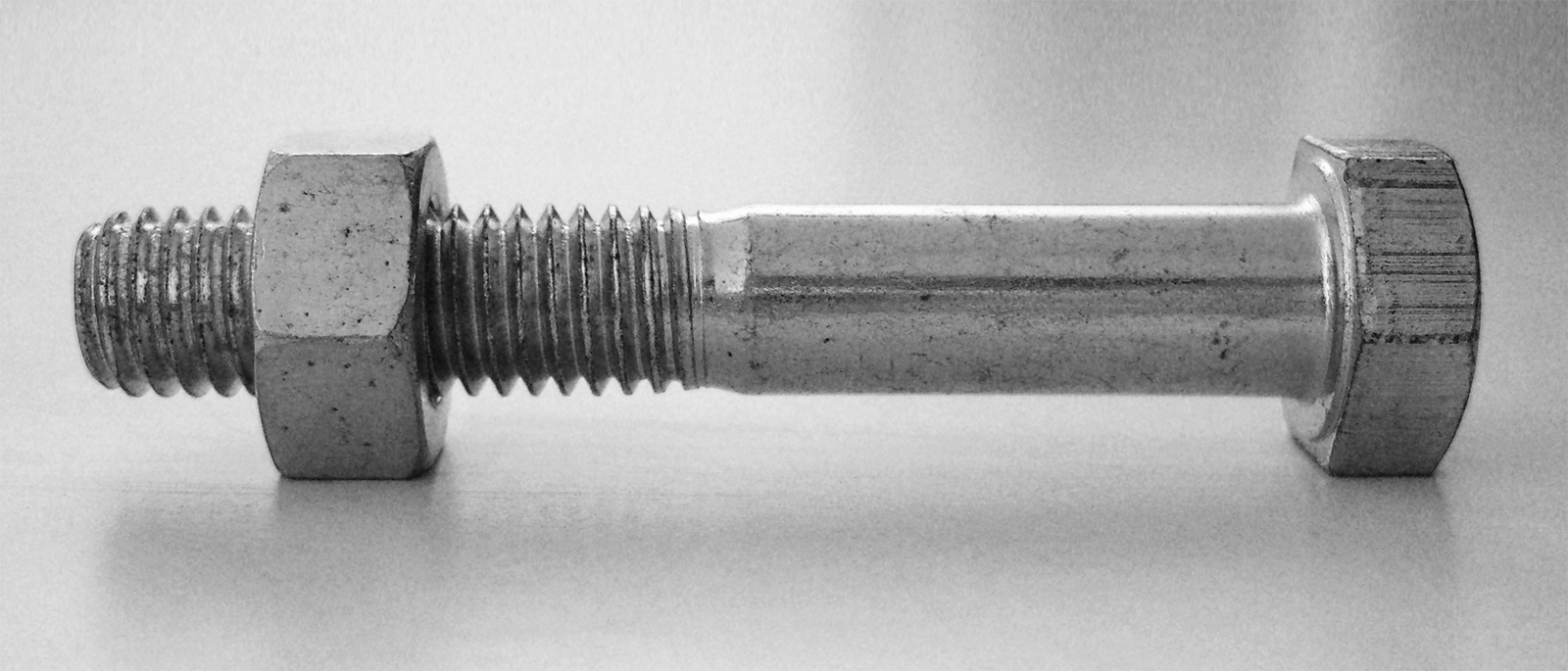
Credit: en.wikipedia.org
Industrial Uses Of Bolts
Bolt fasteners are essential in many industries. They join parts together securely. Industries rely on bolts for strength and safety. Different industries use bolts in unique ways. Understanding their industrial uses helps appreciate their value.
Construction
Bolts hold steel beams and concrete forms in place. They ensure buildings stand strong and safe. Bolts connect bridges, towers, and large structures. Without bolts, construction would be unstable and risky.
Automotive Industry
Bolts fasten engine parts and car frames. They keep wheels and brakes firmly attached. Vehicles need bolts to handle vibrations and impacts. Proper bolts improve vehicle safety and performance.
Machinery And Equipment
Bolts secure parts in machines and tools. They allow machines to operate without falling apart. Bolts help in equipment assembly and maintenance. Strong bolts reduce breakdowns and extend machine life.
Frequently Asked Questions
What Is A Fastener Bolt Used For?
A fastener bolt is used to join or secure two objects tightly. It provides mechanical strength and stability in assemblies. Bolts are common in construction, machinery, and automotive industries for durable connections.
How Does A Fastener Bolt Differ From A Screw?
A bolt typically requires a nut to secure parts, while a screw can fasten directly. Bolts create stronger, removable joints. Screws often work with softer materials or threads within the object itself.
What Materials Are Fastener Bolts Made From?
Fastener bolts are commonly made from steel, stainless steel, brass, or aluminum. Material choice depends on strength, corrosion resistance, and application environment. Steel bolts are most widely used due to their durability.
What Are Common Types Of Fastener Bolts?
Common types include hex bolts, carriage bolts, eye bolts, and lag bolts. Each type has unique head shapes and threading for specific uses. Selection depends on the application and load requirements.
Conclusion
Fastener bolts hold materials tightly together. They come in many shapes and sizes. Choosing the right bolt ensures a strong connection. Bolts are used in cars, buildings, and machines. Knowing their types helps in repairs and projects. Always match bolts with the right tools.
Proper bolts keep structures safe and steady. Understanding bolts makes fixing things easier. Small parts, big jobs. Simple, strong, and essential.