Have you ever struggled with screws or bolts that take forever to loosen or tighten? What if there was a faster, easier way to secure things without wasting time or tools?
That’s exactly what quick release fasteners offer. These clever devices are designed to help you fasten and unfasten parts quickly and effortlessly. If you want to save time, reduce frustration, and make your projects smoother, understanding quick release fasteners is a game-changer.
Keep reading, and you’ll discover how these simple yet powerful tools can make a big difference in your work and everyday tasks.
Credit: www.imao.com
Quick Release Fasteners Explained
Quick release fasteners are simple devices that hold parts together. They allow easy and fast joining or separating without tools. These fasteners save time and effort in many industries.
They are common in automotive, aerospace, sports, and manufacturing fields. Their main purpose is to provide a secure connection that can be quickly undone. This makes repairs and adjustments faster and safer.
Basic Design And Components
Most quick release fasteners have a few main parts. A pin or bolt passes through two objects to join them. A locking mechanism holds the pin in place securely.
Common components include a lever or button to release the lock. Springs or clips keep the fastener tight during use. The materials are usually strong metals or durable plastics.
The design aims for easy handling and reliable locking. It must prevent accidental release while allowing quick removal.
Types Of Quick Release Fasteners
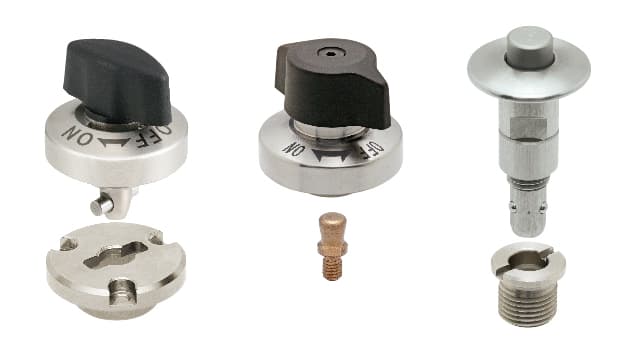
Several types of quick release fasteners exist for different needs. Cam levers use a rotating arm to lock and unlock the fastener. They are easy to operate and popular in machines.
Push-button fasteners release with a simple press. They offer quick access and good holding power. Twist-lock fasteners require a small turn to unlock.
Other types include snap pins, quarter-turn fasteners, and toggle clamps. Each type fits specific applications depending on strength and speed needs.
Benefits Of Using Quick Release Fasteners
Quick release fasteners offer many benefits for various tasks. They make work easier, safer, and more flexible. These fasteners help save time, improve safety, and fit many uses. Understanding these benefits shows why quick release fasteners are popular in many fields.
Time-saving Advantages
Quick release fasteners allow fast attachment and removal. This speed reduces downtime and increases efficiency. No need for tools means quicker adjustments. Users can complete tasks faster and move on easily. This feature is valuable in busy work settings.
Enhanced Safety Features
These fasteners reduce risks of injury during use. Their simple design lowers chances of mistakes. Quick release helps prevent tools slipping or parts falling. They often include secure locking to avoid accidents. Safety improves for both workers and equipment.
Versatility Across Applications
Quick release fasteners work in many industries and projects. They fit automotive, aerospace, and construction needs well. Users can apply them to equipment, panels, or machinery. Their adaptable design suits different sizes and materials. This versatility makes them useful in many situations.
Common Materials And Finishes
Quick release fasteners come in various materials and finishes. These choices affect their strength, durability, and appearance. Selecting the right material ensures the fastener fits the purpose perfectly.
Metal Options
Metals like stainless steel and aluminum are common. Stainless steel offers high strength and rust resistance. Aluminum is lighter but still strong. Steel fasteners are often coated to prevent rust. Metal fasteners suit heavy-duty and outdoor uses.
Plastic And Composite Choices
Plastic fasteners are lightweight and resist corrosion. They work well in low-stress applications. Composite materials combine plastic with fibers for extra strength. These fasteners are less conductive and resist chemicals. Ideal for electronics and light machinery.
Corrosion Resistance
Corrosion resistance is vital for fasteners used outdoors. Stainless steel naturally resists rust and corrosion. Zinc plating adds a protective layer to steel fasteners. Some finishes also protect against UV rays. Proper finishes extend the life of the fastener.

Credit: www.amazon.com
How To Choose The Right Fastener
Choosing the right quick release fastener is important for safety and efficiency. The right fastener holds parts firmly but allows easy removal. Several key points help decide which fastener fits best.
Load Capacity Considerations
Check how much weight the fastener needs to hold. Fasteners come with different strength ratings. Use one that supports your equipment’s weight safely. Avoid using weak fasteners for heavy loads. Strong fasteners prevent accidents and damage.
Environmental Factors
Think about where you will use the fastener. Outdoor use needs rust-resistant materials like stainless steel. Indoor fasteners can be lighter and less durable. Extreme heat or cold also affects fastener performance. Choose materials that suit the environment well.
Compatibility With Equipment
Match the fastener size to your equipment parts. A fastener too big or small won’t work properly. Check thread size and shape carefully. Make sure the fastener fits the mounting holes perfectly. Proper fit keeps everything secure and easy to release.
Installation And Removal Tips
Installing and removing quick release fasteners properly saves time and avoids damage. These fasteners are designed for easy use, but incorrect handling can cause problems. Follow clear steps to ensure smooth attachment and detachment. Proper care extends the fastener’s life and keeps it working well.
Proper Attachment Methods
Start by aligning both parts correctly. Insert the fastener carefully without forcing it. Twist or push until it clicks or locks in place. Check the connection to confirm it is secure. Avoid overtightening to prevent damage.
Maintenance Best Practices
Keep fasteners clean and free from dirt. Use a soft brush or cloth to wipe them regularly. Apply light lubricant to moving parts for smooth action. Inspect fasteners for wear or rust often. Replace damaged fasteners to maintain safety and function.
Troubleshooting Common Issues
Fastener won’t lock? Check alignment and try again. If it sticks, clean and lubricate the parts. Loose fastener? Tighten gently but do not force. Broken fastener? Replace immediately to avoid accidents. Regular checks prevent most common problems.
Popular Uses And Industries
Quick release fasteners find their place in many industries and everyday products. They offer easy and fast connection or disconnection without tools. This feature saves time and effort in many applications.
These fasteners help improve safety and efficiency. Their design allows frequent use and reliable performance. Here are some popular industries and uses.
Automotive Applications
Quick release fasteners are common in cars and trucks. They secure parts like seat covers, panels, and wheels. Mechanics use them to speed up repairs and maintenance. They also help in customizing vehicles quickly. This reduces downtime and improves service quality.
Aerospace And Aviation
In airplanes, these fasteners hold panels and components firmly. They allow quick checks and repairs during flights or maintenance. Lightweight and strong fasteners keep aircraft safe. Engineers prefer them for easy access to critical parts. This supports smooth and safe operations.
Sports And Outdoor Gear
Sports equipment often uses quick release fasteners for convenience. Bikes, helmets, and backpacks feature them for fast adjustments. Outdoor gear like tents and fishing rods use them to save setup time. Athletes and adventurers appreciate quick and easy gear changes.
Industrial Equipment
Factories use quick release fasteners on machines and tools. They enable fast part swaps and machine cleaning. This helps reduce production delays and costs. Workers rely on these fasteners for safe and secure assembly. They ensure machines run smoothly and efficiently.
Innovations And Future Trends
Quick release fasteners are evolving fast. New ideas and technology improve their design and use. These changes make fasteners easier to use, stronger, and better for the environment. The future holds many exciting trends that will shape how quick release fasteners work.
Smart Fastening Solutions
Smart fasteners use sensors and technology to improve safety and control. They can signal when they are loose or need replacement. These fasteners connect to apps for easy monitoring. This helps avoid failures and saves time during maintenance.
Sustainable Materials
Eco-friendly materials are becoming common in fastener production. Manufacturers use recycled metals and biodegradable plastics. These materials reduce waste and pollution. Sustainable fasteners help protect the planet without losing strength or durability.
Customization And Modularity
Custom fasteners fit specific needs and applications better. Modular designs allow users to mix and match parts. This flexibility saves cost and time in repairs and replacements. Custom and modular fasteners suit many industries and uses.
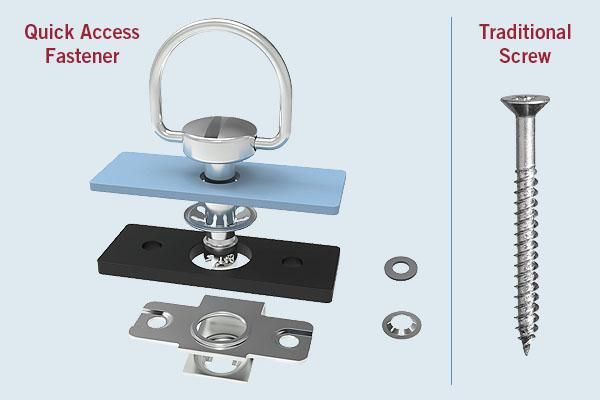
Credit: southco.com
Frequently Asked Questions
What Are Quick Release Fasteners Used For?
Quick release fasteners secure parts quickly and allow easy removal. They are used in automotive, aerospace, and industrial applications for fast assembly and maintenance.
How Do Quick Release Fasteners Work?
They operate by a simple mechanism that locks and unlocks parts instantly. This enables fast attachment or detachment without tools, saving time.
What Materials Are Quick Release Fasteners Made Of?
Common materials include stainless steel, aluminum, and plastic. These materials offer strength, corrosion resistance, and durability for various environments.
What Advantages Do Quick Release Fasteners Offer?
They provide fast installation, ease of use, and reliable holding power. This reduces downtime and improves efficiency in many industries.
Conclusion
Quick release fasteners offer easy and fast connections. They save time during assembly and repairs. These fasteners work well in many industries. Their simple design makes them reliable and safe. Choosing the right type depends on your needs. They help keep things secure yet accessible.
Understanding how they function can improve your projects. Overall, quick release fasteners bring convenience and efficiency. Give them a try for faster work and less hassle.