Have you ever wondered how machines and structures stay firmly connected without bulky bolts or screws? The secret often lies in a small but powerful component called a stud fastener.
If you’re looking to understand how to make your projects stronger and more reliable, knowing what a stud fastener is can give you an edge. This article will break down everything you need to know about stud fasteners—how they work, where to use them, and why they might be the perfect choice for your next build.
Keep reading, and you’ll discover simple yet effective ways to improve your fastening solutions.
Stud Fastener Basics
Stud fasteners are simple yet essential components in many industries. They hold parts together firmly and provide strong connections. Understanding the basics helps in choosing the right stud fastener for any job.
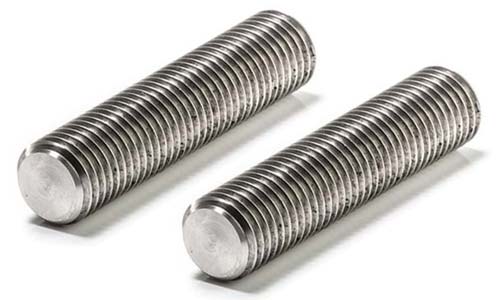
Stud fasteners are threaded rods that do not have a head like regular bolts. They are inserted into tapped holes or used with nuts on both ends. This design allows for easy assembly and disassembly of parts.
Types Of Stud Fasteners
There are several types of stud fasteners. Double-end studs have threads on both ends and a plain middle section. These are common for attaching machine parts. Fully threaded studs have threads along the entire length. They work well when adjustable length is needed. Shoulder studs have an unthreaded section called the shoulder. This part acts as a spacer or bearing surface.
Materials And Coatings
Stud fasteners come in many materials. Steel is the most common due to its strength. Stainless steel offers corrosion resistance for outdoor use. Brass and aluminum are lighter but less strong. Coatings protect studs from rust and wear. Zinc plating is popular for basic corrosion protection. Hot-dip galvanizing provides a thicker, long-lasting layer. Other coatings include black oxide and chrome plating for specific uses.
Common Applications
Stud fasteners serve many purposes in various industries. They offer strong, reliable connections in places where bolts or screws may not work as well. These fasteners are easy to install and remove, making them popular in many settings. Below are some common uses of stud fasteners.
Automotive Industry
Stud fasteners are vital in cars and trucks. They connect engine parts securely. They also hold exhaust systems and suspension components in place. Their strength helps vehicles handle vibrations and heat. Mechanics prefer stud fasteners for easy repairs and replacements.
Construction Projects
Stud fasteners play a key role in building structures. They join steel beams and concrete forms tightly. They ensure strong connections in bridges, buildings, and towers. Their durability helps structures withstand heavy loads and weather changes. Builders rely on them for safe and long-lasting construction.
Machinery And Equipment
Stud fasteners secure machine parts firmly. They attach motors, pumps, and gearboxes. Their design allows quick assembly and disassembly for maintenance. They resist loosening from machine vibrations. Industries use stud fasteners to keep equipment reliable and efficient.
Advantages Of Stud Fasteners
Stud fasteners offer many benefits for construction and machinery projects. They provide reliable joining solutions that hold parts firmly together. Their design makes them practical and efficient for various tasks. Below are some key advantages of using stud fasteners.
Strength And Durability
Stud fasteners deliver strong and lasting connections. They resist vibrations and heavy loads well. This strength helps prevent loosening over time. Their durable materials withstand harsh environments. This makes them ideal for tough applications.
Ease Of Installation
Installing stud fasteners is simple and quick. They require fewer tools than bolts or screws. This saves time and reduces labor costs. They also allow easy alignment of parts. Maintenance and replacement become easier with studs.
Versatility In Design
Stud fasteners come in many sizes and shapes. They fit different materials like metal, wood, and plastic. Their design adapts to tight or hard-to-reach spaces. This versatility suits many industries and projects.

Credit: www.nknutbolt.com
Installation Techniques
Installing a stud fastener correctly ensures strong and lasting connections. It requires some care and the right approach. The installation process can seem simple but using the right tools and following clear steps helps avoid problems.
Proper Tools And Equipment
Choose the correct tools before starting the installation. A stud welding machine or a stud gun is often needed. This tool helps attach the stud fastener securely to metal surfaces.
Use protective gear like gloves and safety glasses. This keeps you safe during the process. Make sure the work surface is clean and free from rust or oil. This helps the stud fastener stick properly.
Step-by-step Installation Tips
Start by positioning the stud fastener on the desired spot. Hold it steady using the stud gun or welding machine. Activate the tool to weld or attach the stud quickly.
Allow the stud to cool down before moving or tightening it. This step is important for a strong hold. Check the stud for proper alignment and secure fit. Tighten any nuts or washers if needed to complete the installation.
Maintenance And Troubleshooting
Maintaining stud fasteners ensures their strength and safety. Regular checks help spot problems early. This saves time and money on repairs or replacements. Troubleshooting common issues keeps machines running smoothly. Proper care extends the life of stud fasteners.
Common Issues And Solutions
Stud fasteners may loosen due to vibration or poor installation. Tighten them with the correct torque to fix this. Corrosion can weaken studs, especially in damp places. Use anti-corrosion sprays or replace rusty studs. Cross-threading happens if studs are forced in wrong. Remove and re-thread carefully to avoid damage. Over-tightening can strip threads or break studs. Use a torque wrench to apply the right force.
Inspection And Replacement Guidelines
Inspect stud fasteners regularly for signs of wear or damage. Look for cracks, rust, or bent studs. Check if studs move or feel loose. Replace any damaged or worn studs immediately. Use the same size and grade for replacements. Clean studs and holes before installing new fasteners. Follow manufacturer’s torque specs during installation. Keep records of inspections and replacements for safety.

Credit: en.wikipedia.org
Choosing The Right Stud Fastener
Choosing the right stud fastener is important for strong and lasting connections. The right fastener holds parts together safely and prevents damage. Picking the correct type depends on many factors like the material, load, and environment. Understanding these helps in selecting the best stud fastener for any job.
Factors To Consider
First, check the material of the stud fastener. Steel, stainless steel, and brass have different strengths and resistances. Consider the load or force the fastener must hold. Heavy loads need stronger, thicker studs. Also, think about the environment. Corrosion resistance is key in wet or outdoor areas. Size and thread type matter for a proper fit. Don’t forget the temperature range the fastener will face.
Matching Fasteners To Applications
Match the stud fastener to its specific use. For high-strength needs, choose alloy steel studs. Use stainless steel for corrosion resistance in wet places. Brass or aluminum studs fit light loads or decorative parts. In engines or machines, heat-resistant studs work best. In construction, heavy-duty studs support large structures. Correct matching avoids failures and keeps parts secure.
Credit: boltport.com
Frequently Asked Questions
What Is A Stud Fastener Used For?
A stud fastener connects two parts without a head. It provides strong, reliable joints in machinery and structures. Studs are ideal for high-stress applications where bolts may loosen.
How Does A Stud Fastener Differ From A Bolt?
Unlike bolts, stud fasteners have threads on both ends and no head. They screw into one part and hold another with a nut. This design offers better load distribution and alignment.
What Materials Are Stud Fasteners Made From?
Stud fasteners are commonly made from steel, stainless steel, and alloy metals. These materials provide strength, corrosion resistance, and durability for various industrial uses.
Where Are Stud Fasteners Commonly Applied?
Stud fasteners are used in automotive, construction, aerospace, and heavy machinery. They secure engine parts, structural components, and equipment requiring strong, vibration-resistant joints.
Conclusion
Stud fasteners hold parts tightly and securely. They come in many sizes and types. These fasteners fit into machines, cars, and buildings. Choosing the right stud fastener helps avoid problems later. They save time and make repairs easier. Understanding what a stud fastener is helps you work smarter.
Simple tools and parts can make big differences. Stud fasteners are small but very important pieces. Keep them in mind for your next project.