When it comes to upgrading your cabinets, choosing the right hardware is just the beginning. Knowing exactly where to put hardware on cabinets can transform the look and feel of your space—and make daily use easier.
You might wonder, “Should the knobs go in the center or the corner? How long should the pulls be? ” These small details matter more than you think. In this guide, you’ll discover simple, practical tips to place your cabinet hardware perfectly every time.
Whether you’re tackling a kitchen refresh or a full remodel, get ready to master hardware placement that looks great and feels just right for you. Keep reading to unlock the secrets that professionals use to create balanced, stylish, and functional cabinets.
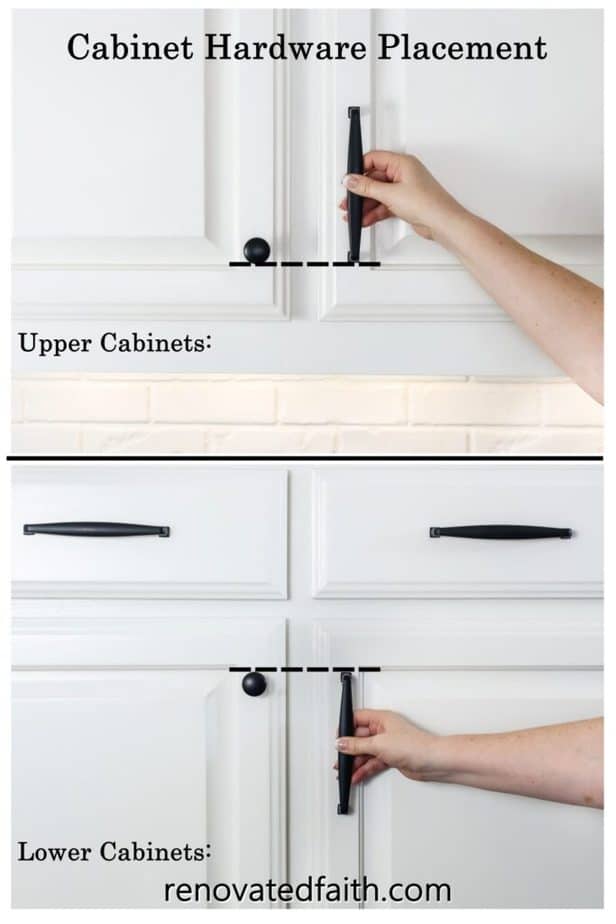
Credit: renovatedfaith.com
Choosing Pull Length
Selecting the right pull length is key for cabinet hardware. It affects both looks and function. The pull should fit the cabinet size and style. Too long or too short pulls can look odd or feel awkward to use.
The pull length depends on the cabinet’s width. This helps keep the design balanced. Also, it makes opening drawers and doors easier. A common method helps decide the perfect pull size.
One-third Rule For Drawers
The one-third rule is simple and effective. Measure the drawer width and choose a pull about one-third that size. For example, a 15-inch drawer needs a 5-inch pull. This keeps the pull proportional to the drawer.
This rule helps pulls look good and feel right. It avoids pulls that are too small or too big. Most kitchen drawers fit well with pulls sized this way.
Applying The Rule To Cabinet Doors
Cabinet doors follow a similar idea but with small changes. Measure the door width and use one-third as a guide. Doors may need slightly shorter pulls than drawers. This keeps the hardware balanced on the door surface.
Handles on doors should be easy to reach. The one-third rule keeps the pull size practical. It also fits most cabinet styles and door sizes.
Adjustments For Wide Drawers
Wide drawers need longer pulls than the one-third rule suggests. For drawers wider than 24 inches, consider a pull that covers about half the drawer width. This gives a better grip and a stylish look.
Longer pulls on wide drawers help open heavy or large items inside. They also add a modern, sleek design touch. Adjust pull length based on drawer size and user comfort.

Credit: stylebyemilyhenderson.com
Placement On Cabinet Doors
Choosing the right spot for hardware on cabinet doors improves both function and style. Proper placement makes opening and closing easier. It also adds to the overall look of your kitchen or bathroom.
Hardware includes knobs and pulls. Each type needs a specific spot to work best. Placement depends on door size, style, and how you use the cabinet daily.
Top Corner Placement
Placing hardware near the top corner of the door is common. It feels natural to grab the knob or pull here. This spot gives good leverage to open the door smoothly.
For single doors, choose the corner opposite the hinges. This makes opening easier without touching the door surface. It also keeps the hardware visible and accessible.
Vertical Vs Horizontal Pulls
Vertical pulls suit tall cabinet doors. They give a clean, modern look. Pulls should run parallel to the door edge for easy grip.
Horizontal pulls work well on wide doors or drawers. They offer a balanced look and fit the hand naturally. Pick the style that matches your cabinet design and use.
Spacing From Edge
Leave about 2 to 3 inches from the door edge for hardware. This spacing helps you grab the knob or pull comfortably. Too close to the edge may cause damage or make use awkward.
Measure carefully before drilling holes. Consistent spacing keeps your cabinets looking neat and aligned. Use a template or ruler to mark spots evenly on each door.
Placement On Drawers
Choosing the right spot for hardware on drawers makes a big difference. It affects both how drawers look and how easy they are to use. The placement should be practical and stylish. Let’s explore common ways to place hardware on drawers.
Center Positioning
Placing hardware in the center of the drawer front is classic and balanced. It works well for wide drawers and symmetrical designs. Center placement allows easy pulling from any side. This position suits both knobs and pulls. It creates a neat and tidy look.
Offset Placement Options
Offset placement means putting hardware closer to one edge of the drawer. This style adds a modern touch and can make drawers easier to open. Usually, hardware goes near the top corner, on the right or left side. Choose the side that feels natural to your hand. Offset pulls work best on narrow or tall drawers.
Height Considerations
Height placement affects comfort and style. Hardware should be at a height that feels natural to grip. For most drawers, place pulls about one-third down from the top edge. Avoid putting hardware too low or too high. Consistent height across drawers keeps a clean look. Measure carefully to keep everything even.
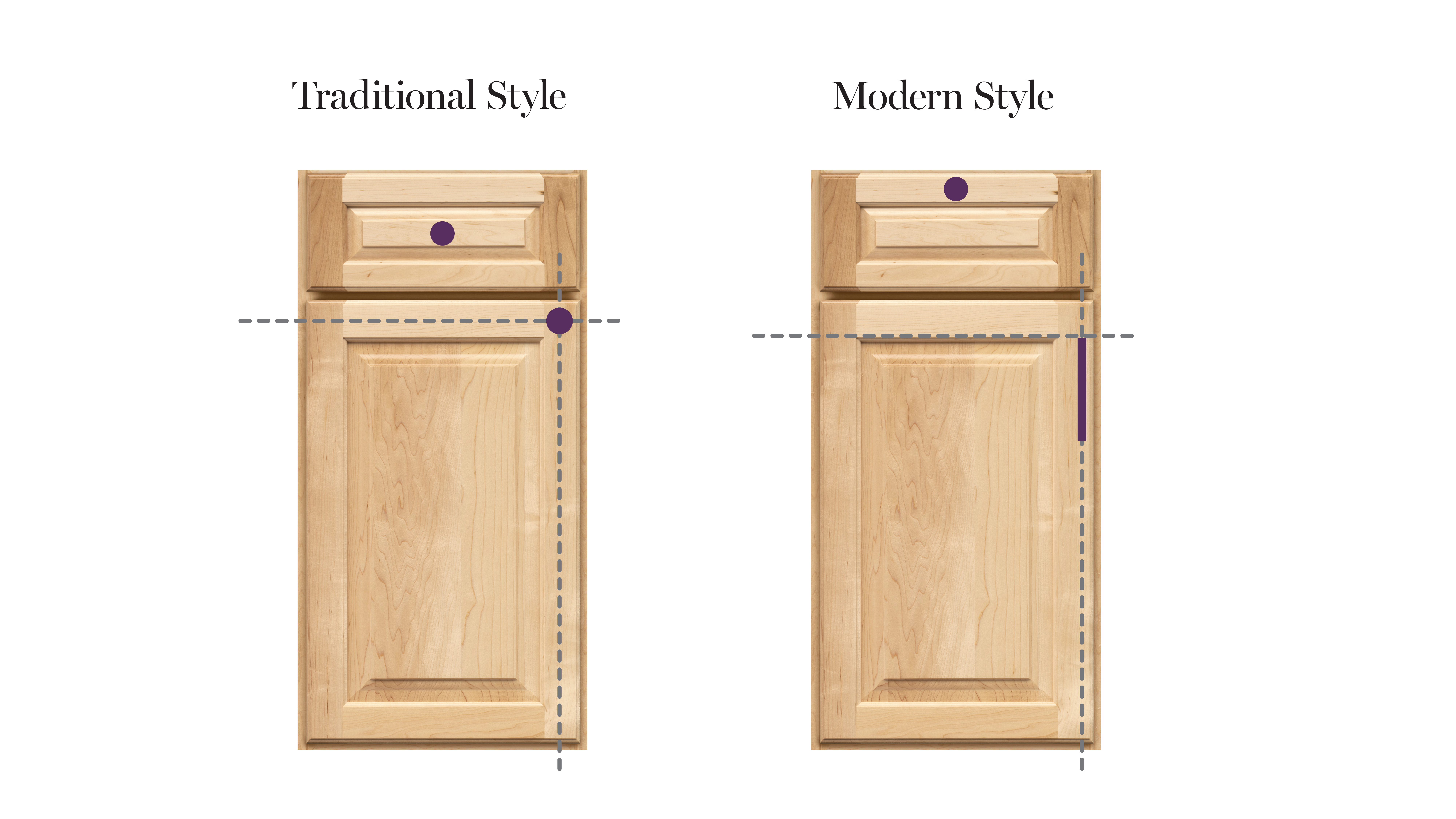
Credit: www.kraftmaid.com
Balancing Aesthetics And Function
Choosing the right spot for cabinet hardware blends looks and usability. Hardware should enhance the cabinet’s style while making it easy to open and close. This balance helps your kitchen or bathroom look polished and function well every day.
Small details like knob or pull placement change the whole feel of a room. Thoughtful positioning keeps hardware comfortable to use and pleasing to the eye. Let’s explore key tips to balance beauty and function on your cabinets.
Visual Proportion Tips
Hardware size should match cabinet size for balanced looks. Large cabinets need bigger pulls or knobs to avoid looking lost. Small cabinets look neat with smaller hardware. Position hardware where it feels natural, near edges or corners. Keep spacing consistent across all cabinets for a clean design.
Ensuring Comfortable Grip
Hardware must be easy to grab and pull without strain. Place knobs at a height that suits most users. Pulls need enough space behind to fit fingers comfortably. Avoid placing hardware too close to cabinet edges or corners. Check that opening drawers or doors feels smooth and simple.
Matching Hardware Style
Choose hardware that fits your cabinet’s style and finish. Modern cabinets pair well with sleek, simple pulls. Traditional cabinets look great with ornate knobs or handles. Match hardware color with other fixtures for harmony. Consistent style ties the room together and boosts visual appeal.
Tools And Techniques For Installation
Installing hardware on cabinets requires the right tools and methods. Proper installation ensures the hardware looks great and works well. Using simple tools and following clear steps helps avoid errors and saves time. The process becomes easier with guides and careful measuring.
Using Templates And Jigs
Templates and jigs help place hardware in the exact spot every time. They act as guides for drilling holes. Using them reduces mistakes and keeps handles aligned. You can buy ready-made templates or make your own from cardboard. Clamp the template to the cabinet before drilling for stability.
Measuring For Accuracy
Measure twice before drilling holes. Use a ruler or tape measure to mark the hardware position. Check both height and side distances carefully. Mark spots with a pencil lightly to avoid visible marks. Accurate measuring keeps all handles and knobs uniform and balanced.
Avoiding Common Mistakes
Do not rush the installation process. Avoid drilling without measuring first. Do not use the wrong drill bit size for screws. Avoid placing hardware too close to edges or corners. Take time to test placement with a clamp before final drilling.
Trends In Cabinet Hardware
Cabinet hardware greatly affects a kitchen’s style and function. Trends in cabinet hardware keep evolving to fit modern tastes and needs. Choosing the right hardware can refresh any space quickly.
Many homeowners in Austin seek hardware that matches their unique style. The choices range from sleek and modern to classic and traditional. Materials and finishes also play a big role in the overall look.
Popular Styles In Austin
Austin favors hardware that blends style with practicality. Matte black knobs and pulls are very popular here. Brass and gold finishes add warmth to wooden cabinets. Simple bar pulls suit contemporary kitchens best. Vintage-style ceramic knobs work well in farmhouse designs.
Modern Vs Traditional Looks
Modern hardware often features clean lines and minimal shapes. It creates a sleek, uncluttered kitchen look. Traditional hardware includes ornate details and classic shapes. It fits well in rustic or vintage-inspired kitchens. Mixing styles can create a unique and personal space.
Material And Finish Choices
Stainless steel is durable and easy to clean. It suits modern kitchens and high-use areas. Brass and bronze offer a warm, rich appearance. Matte and satin finishes hide fingerprints better than shiny ones. Wood and ceramic knobs add texture and charm.
Special Cases And Tips
Placing hardware on cabinets is not always straightforward. Special cases require extra care and smart choices. These tips help handle unusual shapes, mixing hardware types, and keeping a uniform look. Proper placement makes cabinets easier to use and more attractive.
Hardware For Unusual Cabinet Shapes
Unusual cabinet shapes need custom hardware placement. For angled or curved doors, place knobs where fingers naturally rest. Pulls work best on straight edges or corners. Test different spots before drilling to avoid mistakes. Use smaller hardware on tight spaces to keep balance. Hardware should look intentional and fit the cabinet’s style.
Mixing Knobs And Pulls
Mixing knobs and pulls can add character. Use knobs on cabinet doors and pulls on drawers for easy use. Match finishes and styles to keep harmony. Keep sizes proportional to avoid clashing. Mixing hardware breaks monotony but still feels connected. Always plan placement carefully to maintain function and style.
Maintaining Consistency Across Cabinets
Consistency creates a clean, organized look. Measure and mark hardware spots before installing. Use a template or jig for uniform placement. Keep distance from edges and corners equal on all cabinets. Consistent hardware height and position improve usability. Small details like alignment make a big visual impact.
Frequently Asked Questions
What Is The 1/3 Rule For Cabinet Pulls?
The 1/3 rule for cabinet pulls means the pull’s length should be one-third the drawer’s width or cabinet door’s height. This ensures balanced aesthetics and a comfortable grip for easy use.
What Is The Rule Of Thumb For Cabinet Handles?
The rule of thumb for cabinet handles is to choose pulls about one-third the width of drawers or one-third the height of cabinet doors for balance and comfort.
What Is The Current Trend For Kitchen Hardware?
Current kitchen hardware trends favor matte black, brushed gold, and mixed metal finishes. Sleek, minimalist pulls and knobs enhance modern kitchens. Larger, ergonomic handles improve functionality while complementing contemporary cabinetry styles.
What Is The Standard Height For Cabinet Hardware?
The standard height for cabinet hardware is about 2. 5 to 3 inches from the cabinet edge. Place knobs 2. 5 to 3 inches from the corner on doors. For drawers, center pulls horizontally and vertically for balanced appearance and easy grip.
Conclusion
Choosing the right hardware placement makes cabinets easier to use. Knobs and pulls should be positioned for comfort and style. Measure carefully and follow simple rules for best results. Proper placement improves both function and appearance of cabinets. Small details like hardware location can change the whole look.
Take your time and enjoy the process. Your cabinets will look neat and work well every day.