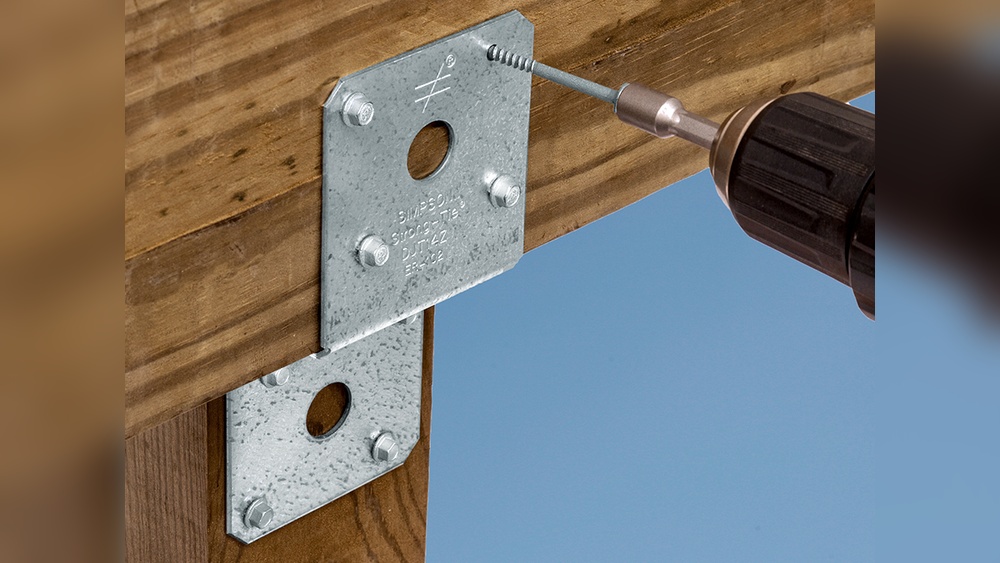
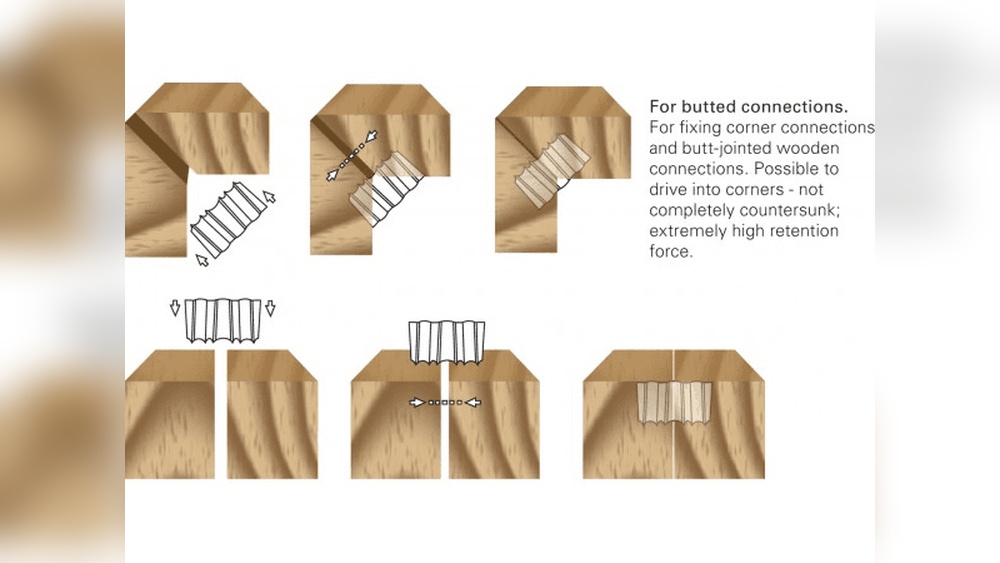
Have you ever wondered what keeps your furniture sturdy or your gadgets securely assembled? The secret lies in something small but powerful: fasteners.
These tiny heroes hold everything together, yet their working might seem like a mystery to many. Understanding how a fastener works can change the way you approach your DIY projects, repairs, or even just everyday fixes. Stick with me, and you’ll discover the simple science behind screws, bolts, nuts, and more — unlocking the key to making your connections stronger and more reliable than ever before.
Ready to see how these small pieces make a big difference? Let’s dive in!
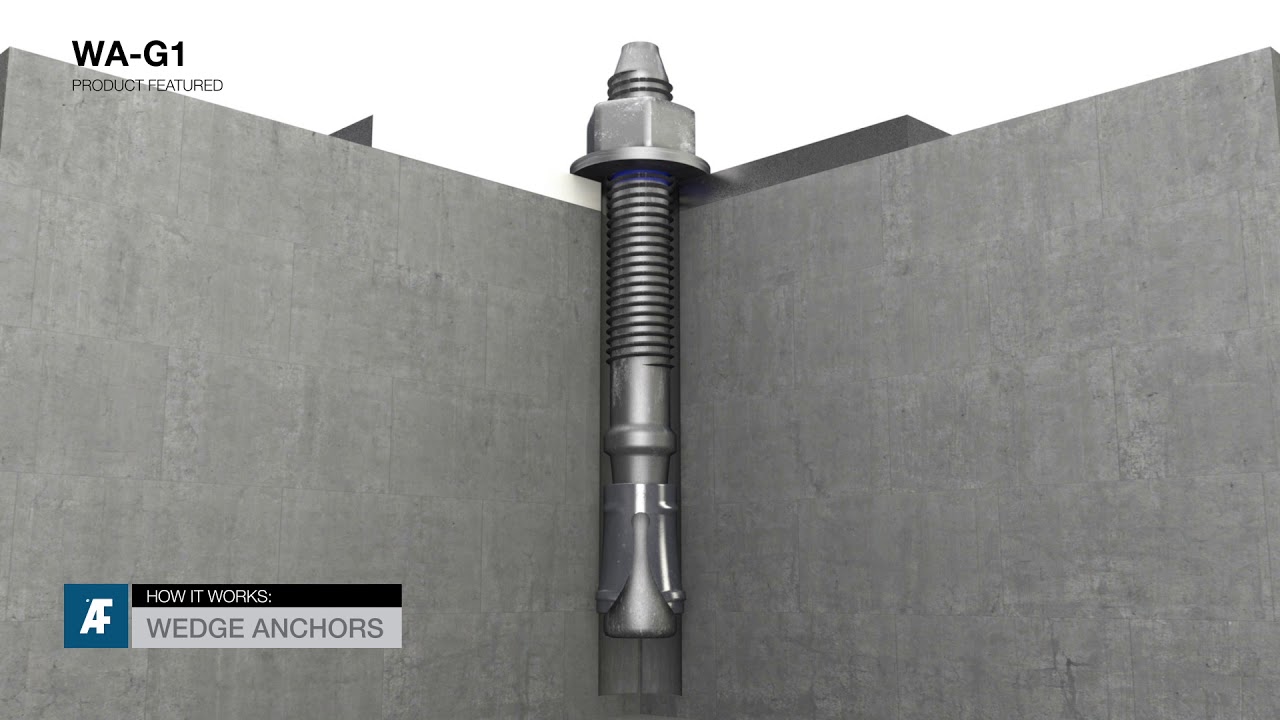
Credit: www.youtube.com
Fastener Basics
Fasteners are small devices that hold things together. They are in almost every object around us. Understanding the basics helps to see how they work and why they matter.
Fasteners come in many shapes and sizes. Each type serves a specific purpose. Their design and material affect their strength and use.
What Is A Fastener?
A fastener is a hardware device. It connects two or more parts securely. Common fasteners include screws, bolts, nuts, rivets, and washers. Some fasteners allow easy removal, while others create permanent joints.
Common Fastener Materials
Fasteners are made from different materials. Steel is the most common due to its strength. Stainless steel resists rust and corrosion. Brass and aluminum offer lighter weight and good resistance. Plastic fasteners are used when metal is not suitable.
Key Functions Of Fasteners
Fasteners provide a firm hold between parts. They keep materials aligned and stable. Some fasteners allow parts to be taken apart easily. Others create permanent connections that do not loosen. They also help distribute load and reduce stress on materials.
Credit: www.aerosmithfastening.com
Types Of Fasteners
Fasteners play a key role in holding materials together securely. They connect parts by applying pressure and locking components in place. This section explains how fasteners hold materials through thread mechanics, load distribution, and friction.
Thread Mechanics Explained
Threads are helical ridges wrapped around a fastener’s shaft. They convert rotational force into linear force. When you turn a screw or bolt, threads pull the fastener deeper into the material. This action creates a tight grip between parts. Threads also increase the contact area, spreading the holding force. Different thread types suit different materials and uses. Coarse threads work well in softer materials, while fine threads are best for harder surfaces. Thread pitch affects how fast the fastener moves with each turn.
Load Distribution Techniques
Fasteners spread the load to avoid damage and ensure stability. Washers help by distributing force over a wider area. This prevents crushing or deformation of the material. Bolts and nuts work together to clamp parts tightly. The load is shared between the fastener and the connected materials. Proper load distribution reduces stress concentrations that cause failures. Engineers select fasteners and accessories to balance loads evenly. This improves joint strength and durability.
Friction And Locking Mechanisms
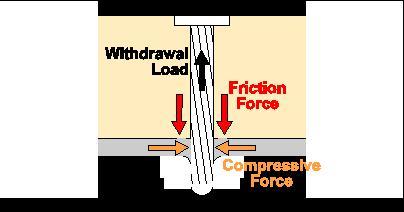
Friction plays a crucial role in keeping fasteners from loosening. When tightened, threads press against each other, creating friction. This friction resists vibrations and external forces. Locking mechanisms add extra security. Examples include lock washers, nylon inserts, and thread-locking adhesives. These methods increase resistance to rotation. Some fasteners have special thread designs to prevent loosening. Together, friction and locks ensure the joint stays tight and reliable.
How Fasteners Hold Materials
Fastener strength and durability determine how well a fastener holds materials together. Strong fasteners resist forces that try to pull them apart. Durable fasteners last longer under stress and environmental conditions. Choosing the right fastener means considering what materials it will join and where it will be used. Understanding these factors helps ensure safe, long-lasting connections.
Material Strength Considerations
The material of a fastener affects its strength and performance. Steel fasteners offer high strength for heavy loads. Stainless steel resists rust and works well outdoors. Aluminum fasteners are lightweight but less strong. Brass fasteners resist corrosion but handle less load. Each material suits different uses and environments.
Corrosion Resistance
Corrosion weakens fasteners and can cause joint failure. Fasteners exposed to water or chemicals need protection. Stainless steel resists rust due to its chromium content. Other metals may corrode quickly without a protective layer. Selecting corrosion-resistant fasteners extends the life of the connection and reduces maintenance.
Coatings And Platings
Coatings improve fastener durability and resistance to wear. Zinc plating protects steel fasteners from rust. Black oxide adds mild corrosion resistance and reduces glare. Hot-dip galvanizing applies a thick zinc layer for heavy protection. Some coatings also reduce friction during installation. Proper coatings match the environment and application needs.
Credit: huckaerobolt.com.au
Fastener Strength And Durability
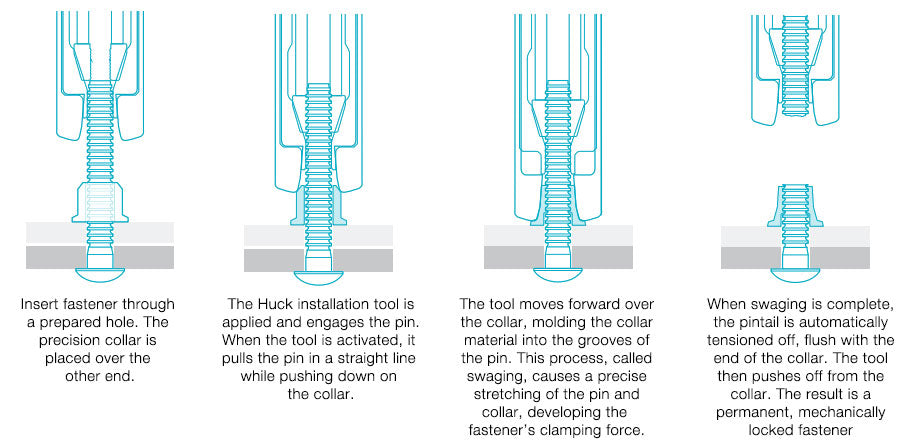
Installing fasteners correctly ensures a strong and lasting hold. Proper techniques prevent damage and failure. This section covers key installation steps for reliable fastening.
Proper Tightening Methods
Tighten fasteners steadily and evenly. Avoid over-tightening to prevent stripping threads or breaking parts. Use a torque wrench for precise control. Follow manufacturer torque specifications for best results. Tightening too little may cause loose joints and failure.
Use Of Washers And Inserts
Washers distribute pressure evenly and protect surfaces. They reduce wear and prevent fasteners from loosening. Inserts improve thread strength, especially in soft materials. Choose the right washer and insert type for your fastener and material. Proper use extends the joint’s life and stability.
Avoiding Common Installation Mistakes
Do not force fasteners into wrong holes or sizes. Clean threads before installation to avoid debris issues. Align parts carefully to prevent misfits and stress. Avoid using damaged fasteners. Check all parts before tightening for a secure, safe connection.
Installation Techniques
Specialized fasteners serve unique roles beyond standard screws and bolts. They solve specific problems like wear, loosening, and corrosion. Using the right specialized fastener ensures strong, lasting connections in demanding environments.
Helical Inserts
Helical inserts reinforce threads in soft materials like aluminum. They create durable metal threads for bolts or screws. These inserts prevent thread stripping and extend the lifespan of fastened joints. Installation is simple, and they improve strength significantly.
Nordlock Washers
Nordlock washers stop bolts from loosening under vibration. They use a pair of washers with angled teeth that lock firmly together. This grip keeps fasteners tight without extra tools or adhesives. They are common in heavy machinery and automotive uses.
Stress Corrosion Solutions
Stress corrosion causes cracks in metal fasteners under tension and corrosive conditions. Specialized coatings and materials resist this damage. Fasteners made from stainless steel or coated alloys perform better in harsh environments. These solutions protect joints and maintain safety.
Specialized Fasteners
Choosing the right fastener is key to a strong, lasting connection. Each project needs a specific fastener type and size. Selecting poorly can cause weak joints or damage to materials. Consider the purpose and environment to pick the best fastener.
Matching Fastener To Application
Different tasks need different fasteners. Screws work well for wood or plastic. Bolts suit metal and heavy loads. Rivets create permanent joints. Pick a fastener that fits the materials and stresses involved. Check if the fastener must be removable or permanent.
Size And Thread Selection
Fastener size affects strength and fit. Choose the right diameter and length for the materials. Thread type matters too. Coarse threads grip softer materials better. Fine threads hold tight in metal. Using the correct thread pitch prevents stripping or loosening.
Environmental Considerations
Fasteners face different environments. Moist or wet places need corrosion-resistant fasteners. Stainless steel or coated fasteners prevent rust. For high temperatures, use heat-resistant materials. Outdoor use demands UV and weather-resistant fasteners. Match the fastener’s material to the environment.
Frequently Asked Questions
What Are The Five Basic Types Of Fasteners?
The five basic types of fasteners are screws, bolts, nuts, rivets, and washers. Each serves a unique fastening purpose.
What Is The Process Of Fasteners?
The fastener process involves selecting, positioning, and securing components using screws, bolts, nuts, rivets, or washers. It ensures strong, stable joints by applying torque or pressure. Proper installation prevents loosening and maintains structural integrity in various applications.
How Does A Nail Fastener Work?
A nail fastener works by driving the nail into materials, creating friction that holds pieces tightly together.
What Are The Three Types Of Fasteners?
The three main types of fasteners are screws, bolts, and nuts. Screws thread directly into materials. Bolts require nuts to secure joints. Nuts fasten with bolts to hold objects together firmly.
Conclusion
Fasteners hold parts tightly, ensuring stability and strength. They work by gripping materials with threads or pressure. Different types suit various tasks, like screws for wood and bolts for metal. Choosing the right fastener keeps projects safe and lasting. Simple tools can install them quickly and securely.
Understanding how fasteners work helps in many repairs. Trust in these small parts to keep things together well.