When you think about building or fixing something with wood, one crucial element often goes unnoticed: the wooden fastener. These small but mighty tools hold your projects together, ensuring stability and durability.
Whether you’re crafting furniture, constructing a deck, or tackling a DIY project, understanding what a wooden fastener is and how it works can make all the difference in your success. Ready to discover how these simple components can transform your woodworking skills?
Keep reading to unlock the secrets behind wooden fasteners and take your projects to the next level.
Wood Fasteners Basics
Wood fasteners are essential tools in woodworking and construction. They hold wood pieces together securely. Choosing the right fastener affects the strength and durability of the project.
Wood fasteners come in various shapes and sizes. Each type serves a specific purpose. Understanding their basics helps you pick the best one for your needs.
Types Of Wood Fasteners
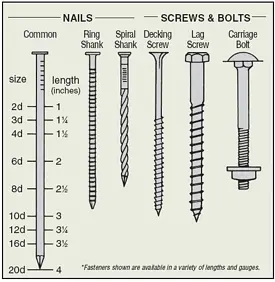
Nails are simple and quick to use. They work well for light to medium tasks.
Screws provide stronger hold and can be removed easily. Wood screws have coarse threads made for gripping wood.
Bolts and nuts join wood with metal parts for heavy-duty projects. They offer great strength and stability.
Staples and brads are used for thin wood or delicate trim work. They leave a smaller hole than nails or screws.
Materials Used In Wood Fasteners
Steel is the most common material. It is strong and affordable. Steel fasteners often have coatings to prevent rust.
Brass fasteners resist corrosion and look decorative. They suit outdoor or visible projects.
Stainless steel fasteners do not rust or stain. These are perfect for wet or humid conditions.
Aluminum fasteners are light and corrosion-resistant. They are less strong but useful in specific cases.
Common Applications
Wood fasteners join furniture pieces. They keep parts tight and stable.
In framing and construction, nails and screws hold beams and boards. They ensure structural safety.
Wood fasteners attach decks, fences, and outdoor structures. Weather-resistant types are essential here.
Craft and hobby projects use small fasteners like brads and staples. They provide neat, hidden joins.
Eco-friendly Construction Needs
Eco-friendly construction needs focus on reducing harm to the planet. Builders seek materials that lower pollution and waste. Wooden fasteners offer a natural alternative to metal or plastic ones. These fasteners help create greener buildings with less environmental cost.
Environmental Impact Of Traditional Fasteners
Traditional fasteners often use metals or plastics. Mining metals causes land damage and pollution. Plastic fasteners add to landfill waste and take long to decompose. Production of these fasteners consumes a lot of energy. These factors contribute to environmental degradation and climate change.
Benefits Of Sustainable Materials
Wooden fasteners come from renewable sources like managed forests. They break down naturally without harming soil or water. Using wood reduces reliance on fossil fuels and heavy metals. Wooden fasteners also have a smaller carbon footprint. These benefits make them ideal for eco-conscious construction projects.
Trends In Green Building
Green building trends favor materials with low environmental impact. More builders choose wood and other natural products. Wooden fasteners fit well with this shift. They support sustainable architecture and reduce waste. This trend helps protect ecosystems and promotes healthier living spaces.
Innovations In Wooden Fasteners
Wooden fasteners have seen notable changes over recent years. These innovations enhance their use in construction and woodworking. Advances focus on design, materials, and overall performance. The improvements make wooden fasteners more reliable and easier to use.
Design Advances
Modern wooden fasteners feature smarter shapes and threads. These designs improve grip and reduce wood splitting. Some fasteners now have self-drilling tips. This design allows easier and quicker installation without pre-drilling. Also, ergonomic heads help users apply force better with hand tools.
Material Enhancements
New wooden fasteners use stronger, treated wood or wood composites. These materials resist moisture and decay, extending fastener life. Some fasteners combine wood with metal inserts for added strength. Eco-friendly coatings protect fasteners without harming the environment. These material upgrades improve durability and sustainability.
Performance Improvements
Innovations boost fasteners’ holding power and resistance to loosening. Enhanced thread patterns increase friction with wood fibers. Some fasteners offer better resistance to corrosion and wear. This ensures longer-lasting joints in outdoor and indoor projects. Improved fasteners reduce maintenance and repair needs over time.
Credit: extremehowto.com
Advantages Of Wooden Fasteners
Wooden fasteners offer many benefits for wood projects. They provide a natural and effective way to join wood parts. Their advantages make them popular in woodworking and construction.
These fasteners help maintain the wood’s natural properties. They also support eco-friendly building practices. Below are key advantages of wooden fasteners.
Biodegradability And Sustainability
Wooden fasteners break down naturally over time. They do not harm the environment like metal or plastic fasteners. Using wooden fasteners reduces waste and pollution. They come from renewable sources, making them sustainable. Choosing wooden fasteners supports green building goals.
Compatibility With Wood Structures
Wooden fasteners match wood’s natural expansion and contraction. They reduce the risk of cracks or splits in the wood. This compatibility improves the durability of the joined parts. Wooden fasteners create strong, stable connections. They work well with all types of wood.
Aesthetic And Structural Benefits
Wooden fasteners blend seamlessly with wood surfaces. They keep the natural look of wood projects. These fasteners add visual appeal without metal parts showing. Structurally, they provide secure joints that last long. Their use often enhances the overall craftsmanship.
Challenges And Solutions
Wooden fasteners face unique challenges due to the nature of wood. These challenges affect their performance in various applications. Understanding these issues helps in choosing the right solutions. This section explores common problems and practical fixes for wooden fasteners.
Durability Concerns
Wood is prone to splitting and cracking under stress. Wooden fasteners can weaken over time. To improve durability, use hardwood species known for strength. Treat the wood with preservatives to reduce decay. Reinforcing fasteners with metal inserts can also help.
Load-bearing Capacity
Wooden fasteners may not support heavy loads well. Their strength depends on wood type and design. Using larger fasteners or multiple fasteners improves load capacity. Combining wooden fasteners with metal brackets adds extra support. Proper installation technique is crucial for safety.
Weather Resistance
Exposure to moisture causes wood to swell and rot. This reduces fastener effectiveness quickly. Applying weatherproof coatings protects the wood surface. Choosing naturally weather-resistant wood types extends lifespan. Regular maintenance prevents damage from changing weather conditions.

Credit: www.homedepot.com
Case Studies And Applications
Wooden fasteners offer strong, natural connections in many construction and design projects. Their versatility makes them ideal for various uses. Examining real-life case studies helps understand their practical benefits and limitations.
This section highlights different projects where wooden fasteners play a crucial role. It covers homes, commercial buildings, and creative applications. Each example shows how these fasteners enhance durability and aesthetics.
Residential Projects
Wooden fasteners are common in building homes and furniture. They secure wooden beams and panels without metal parts. This approach reduces corrosion risks and matches wood’s natural look.
Many residential projects use wooden dowels or pegs for joints. These fasteners provide strong holds in floors, walls, and ceilings. They also allow easy repairs and adjustments over time.
Commercial Buildings
Commercial construction benefits from wooden fasteners in timber framing. These fasteners maintain structural integrity while supporting large loads. They suit eco-friendly buildings focused on sustainability.
Wooden fasteners reduce metal use, lowering building costs and environmental impact. They create warm, inviting spaces in offices and shops. Some businesses highlight visible wooden joints as design features.
Innovative Uses
Designers explore wooden fasteners in unique ways beyond traditional construction. Custom furniture makers use them for artistic joints and decorations. These fasteners blend function with style.
Some architects develop modular wooden panels connected by wooden pegs. This method speeds assembly and disassembly. It also supports recycling and reduces waste in building projects.
Future Of Wooden Fasteners
The future of wooden fasteners shows promising growth and innovation. Wooden fasteners combine traditional strength with eco-friendly benefits. They attract attention in sustainable building and design. Advances in materials and techniques improve their performance and durability. Industries seek alternatives to metal fasteners to reduce environmental impact.
Research And Development
Scientists explore new wood treatments to boost fastener strength. They test coatings that resist moisture and decay. Research focuses on making wooden fasteners easier to produce. Innovations aim to match metal fasteners in reliability. New wood composites could provide better load support and flexibility.
Market Trends
More builders prefer wooden fasteners for green projects. Demand rises in residential and commercial construction. Customers look for natural and biodegradable materials. Wooden fasteners gain popularity in furniture and craft industries. Sustainable certifications increase buyer confidence and interest.
Potential Impact On Construction Industry
Wooden fasteners reduce reliance on metal and plastic parts. They lower carbon footprints of building projects. Faster assembly and lighter materials improve job site efficiency. Wooden fasteners support circular economy and waste reduction goals. Their use may change design standards and building codes.
:max_bytes(150000):strip_icc()/opener_1-341426a9cc9b4c6bb9486bc666f93156.jpg)
Credit: www.woodmagazine.com
Frequently Asked Questions
What Are Wood Fasteners?
Wood fasteners are hardware items like screws, nails, bolts, and dowels used to join wooden pieces securely.
What Is A Wood Fastener Crossword Clue 5 Letters?
The 5-letter crossword clue for a wood fastener is “NAILS. ” Nails join wooden pieces by being hammered into the wood.
What Is The Most Common Type Of Wood Fastener?
The most common type of wood fastener is the wood screw. It securely joins wooden pieces with threaded metal. Wood screws provide strong, lasting holds in woodworking projects.
What Are The Four Types Of Fasteners?
The four types of fasteners are screws, nails, bolts with nuts, and anchors. They secure materials firmly.
Conclusion
Wooden fasteners play a key role in woodworking projects. They hold pieces of wood firmly together. Choosing the right fastener ensures strong and lasting joints. Wood screws and nails remain popular due to their reliability. Simple tools and materials make woodworking accessible to many.
Understanding fasteners helps improve craft quality and durability. Small details, like fastener type, affect the final result. Using wooden fasteners wisely leads to better construction and finish.