Are you ready to build a deck that looks great and lasts for years? Using Trex fasteners can make your project easier and give you a clean, professional finish.
But if you’re unsure how to use them correctly, you might face frustrating mistakes or weak connections. In this guide, you’ll discover simple, step-by-step tips to master Trex fasteners quickly. By the end, you’ll feel confident handling your deck like a pro, saving time and avoiding costly errors.
Let’s dive in and get your deck built right from the start!

Credit: www.amazon.com
Choosing The Right Trex Fasteners
Choosing the right Trex fasteners ensures your deck stays strong and looks great. The correct fasteners prevent damage and make installation easier. Picking the wrong fastener can cause problems like rust or loose boards. This section helps you understand the types, materials, and sizes of Trex fasteners to use.
Types Of Trex Fasteners
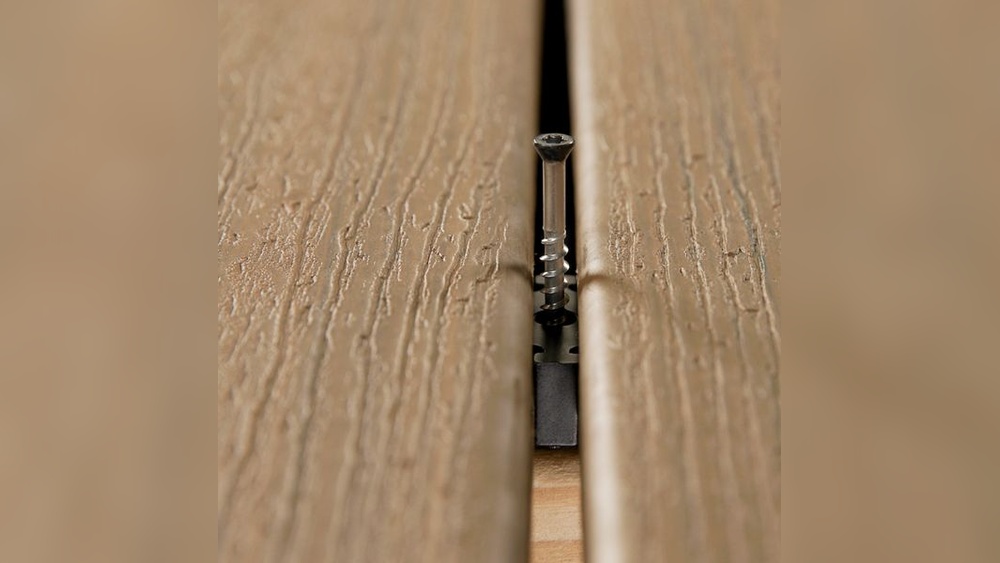
Trex offers several fastener types for different needs. Hidden fasteners keep screws out of sight, making decks look clean. Face fasteners are visible but provide strong hold and easy installation. There are also clip fasteners, which fit between boards for a smooth surface. Each type suits a specific style and use.
Material Compatibility
Fasteners must match the deck material to avoid damage. Trex boards need corrosion-resistant fasteners, like stainless steel or coated screws. Using the wrong material causes rust stains or weak joints. Check the Trex board type and choose fasteners designed for composite decking. This extends your deck’s life and keeps it safe.
Selecting Fastener Size
Fastener size matters for stability and appearance. Choose screws long enough to hold boards firmly but not too long to damage the frame. Trex usually recommends 2 1/2 inch screws for most decks. Thicker boards may need longer fasteners. Follow manufacturer guidelines for the best fit and secure deck.

Credit: www.trex.com
Preparing Your Decking Surface
Preparing your decking surface is the first step to a strong, long-lasting deck. Taking time to get the surface ready ensures fasteners hold well. It also prevents future problems like loose boards or gaps. A clean, smooth surface makes installation easier and faster.
Cleaning And Inspecting Boards
Start by cleaning your decking boards. Remove dirt, dust, and any old fasteners. Use a brush or cloth to clear debris from the surface. Check each board for damage, cracks, or warping. Replace any boards that are weak or broken. Clean, sound boards give the best hold for Trex fasteners.
Ensuring Proper Spacing
Proper spacing between boards is key for drainage and expansion. Leave a small gap, about 1/8 inch, between each board. This gap prevents water buildup and allows wood to expand in heat. Use spacers or a ruler to keep gaps even. Consistent spacing helps fasteners work better and keeps your deck looking neat.
Tools Needed For Installation
Gather all tools before you start installing Trex fasteners. You will need a drill with the right bit size. A tape measure helps keep spacing accurate. Have a rubber mallet to gently tap fasteners into place. Safety glasses and gloves protect you during work. Preparing tools ahead saves time and avoids interruptions.
Step-by-step Installation Process
The step-by-step installation process of Trex fasteners ensures a clean and strong deck. Follow each step carefully for the best results. This guide helps you install Trex fasteners with ease, even if you are new to decking.
Aligning Deck Boards
Start by placing your deck boards on the joists. Check that each board is straight and even. Use a spacer to keep consistent gaps between boards. This gap allows for expansion and drainage. Make sure boards do not overlap or touch tightly. Proper alignment makes the deck look neat.
Securing Fasteners Correctly
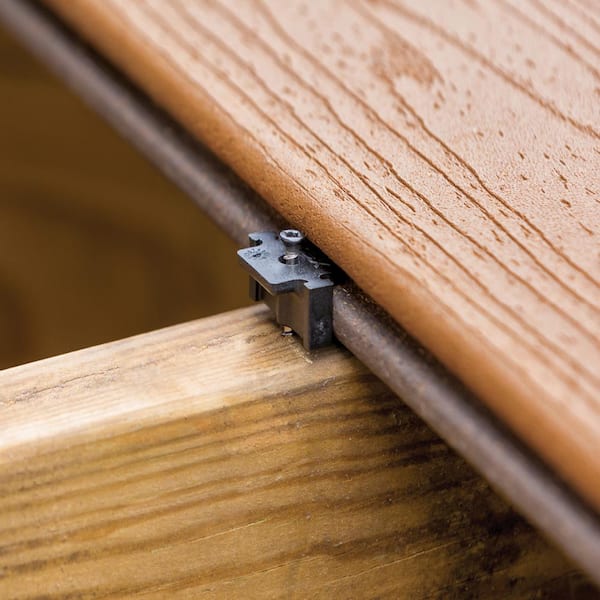
Insert the Trex fastener into the groove of the deck board. Push the fastener firmly against the joist. Use a drill to drive the fastener screw fully into the joist. Avoid over-tightening to prevent damage. Each fastener should hold the board securely in place. Check fasteners regularly during installation.
Handling Corners And Edges
At corners, cut boards to fit neatly. Use corner clips or special fasteners designed for edges. These fasteners keep boards stable and secure. Make sure no fastener sticks out. Edges need extra care to avoid loose boards. Proper corner handling improves safety and appearance.
Credit: www.homedepot.com
Common Installation Mistakes To Avoid
Using Trex fasteners correctly ensures a strong and lasting deck. Avoiding common mistakes saves time and prevents damage. Pay close attention to how you install each fastener. Small errors can lead to big problems later.
Overdriving Fasteners
Driving fasteners too deep weakens their hold. It can also damage the deck boards. Fasteners should sit flush with the surface. Use the right tool speed and pressure. Stop once the fastener is secure.
Ignoring Expansion Gaps
Deck boards expand and contract with weather changes. Skipping expansion gaps causes boards to warp or buckle. Leave proper spaces between boards as per guidelines. This allows natural movement without damage.
Using Incorrect Fasteners
Not all fasteners suit Trex decking. Using wrong fasteners leads to corrosion and poor grip. Always choose Trex-approved fasteners for best results. Check packaging for compatibility before buying.
Maintenance Tips For Longevity
Maintaining your Trex fasteners helps keep your deck strong and safe. Proper care extends the life of your fasteners. This saves money and effort over time. Follow these simple tips to protect your investment and enjoy your deck longer.
Regular Cleaning
Clean fasteners regularly to avoid dirt buildup. Use a soft brush or cloth to remove dust. Avoid harsh chemicals that can damage the fastener surface. Rinse with water and dry well to prevent rust and corrosion.
Checking Fastener Integrity
Inspect fasteners often for signs of wear or damage. Look for rust, looseness, or cracks around the fastener head. Tighten any loose fasteners with the correct tool. Early detection stops small problems from becoming big.
Replacing Damaged Fasteners
Replace fasteners that show serious damage or corrosion. Use the exact Trex fastener type to keep deck stability. Remove old fasteners carefully to avoid wood damage. Install new fasteners firmly and evenly for best results.
Enhancing Deck Appearance
Enhancing your deck’s appearance is easy with Trex fasteners. These fasteners help keep the deck smooth and neat. A clean look makes your outdoor space more inviting. Focus on hiding fasteners, matching colors, and adding final details. This approach improves the deck’s style and durability.
Concealing Fasteners
Trex fasteners are designed to hide below the deck boards. This creates a seamless surface without visible screws. Hidden fasteners prevent snags and make cleaning easier. Use the correct tools to fit fasteners tightly. This avoids gaps and keeps the deck looking tidy.
Choosing Color-matched Fasteners
Select fasteners that match your deck color closely. Trex offers fasteners in various shades to blend well. Matching colors reduce the visibility of fasteners. This keeps the deck’s surface uniform and attractive. Choose the best shade for your specific decking material.
Finishing Touches
After installing fasteners, check for any rough spots. Light sanding can smooth out edges for a polished look. Clean the deck surface to remove dust and debris. Add furniture or plants to complement the fresh deck style. Small details make a big difference in appearance.
Frequently Asked Questions
What Are Trex Fasteners Used For?
Trex fasteners are designed to securely attach composite decking boards. They provide a hidden fastening system for a clean, smooth deck surface. These fasteners prevent board movement and reduce the risk of splinters or surface damage.
How Do You Install Trex Fasteners Properly?
To install Trex fasteners, pre-drill holes in decking boards first. Align the fastener with the joist, then drive in the screw until flush. Follow the spacing guidelines for optimal board stability and appearance.
Can Trex Fasteners Be Used With All Trex Decking?
Trex fasteners are compatible with most Trex decking products. However, always check the product specifications to ensure compatibility. Using the correct fasteners ensures proper installation and long-lasting deck performance.
Are Trex Fasteners Corrosion-resistant?
Yes, Trex fasteners are made from stainless steel or coated materials. This makes them highly resistant to rust and corrosion. They are suitable for outdoor use, even in wet or coastal environments.
Conclusion
Using Trex fasteners makes deck building neat and strong. These fasteners hide nails for a clean look. They hold boards firmly in place. Follow steps carefully for best results. Choose the right fasteners for your project. Taking time to install them well pays off.
Your deck will last longer and look better. Try Trex fasteners to enjoy a smooth, safe surface. Simple tools and clear instructions make the job easier. Build your deck with confidence and pride.
