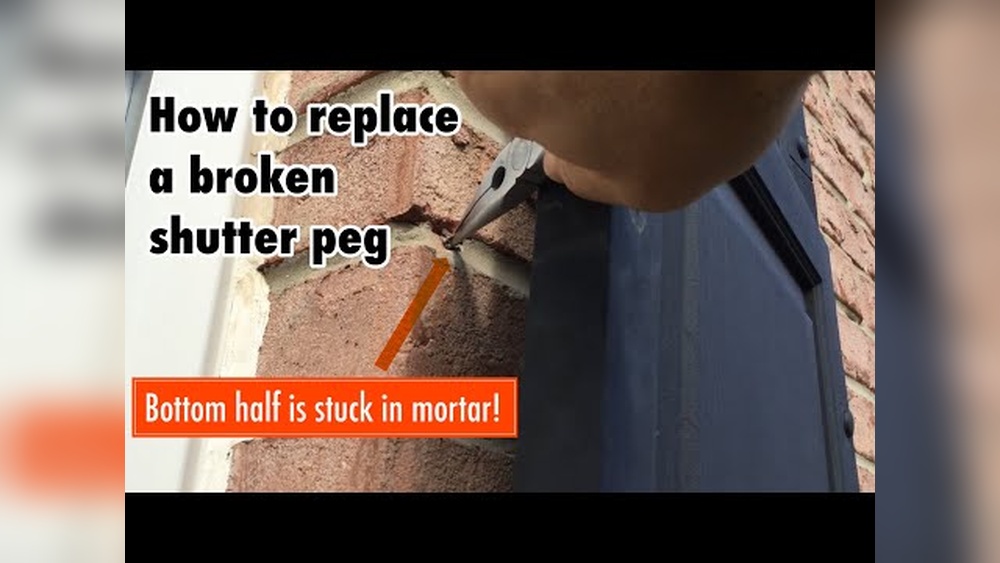
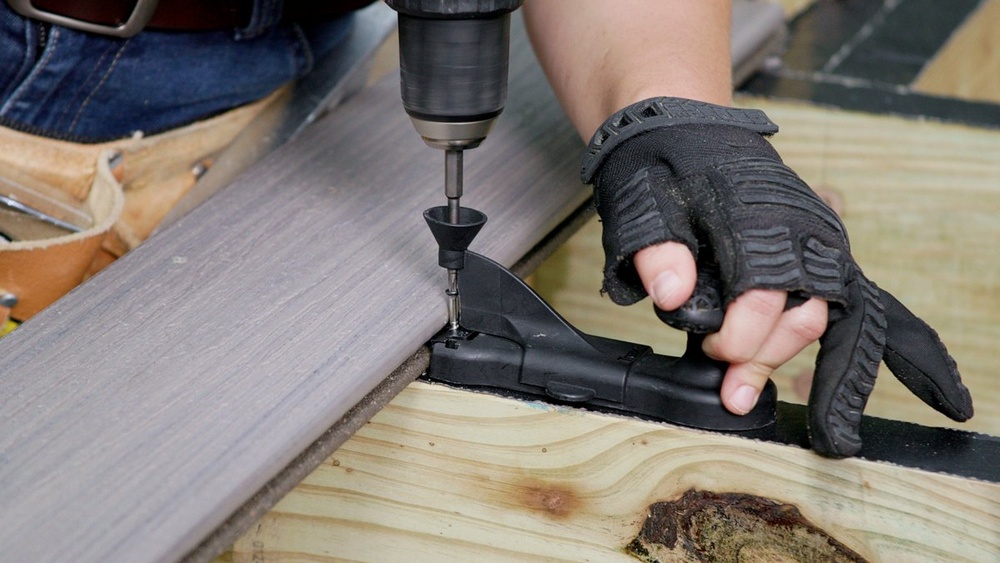
Have you ever stopped to wonder if glue really counts as a fastener? You might think of nails, screws, or bolts when it comes to fastening things together—but where does glue fit in?
Understanding this can change the way you approach your next repair or project. Stick with me, and you’ll discover why glue might be more powerful than you think, and how it can make your work easier and stronger. Ready to see glue in a whole new light?
Let’s dive in.
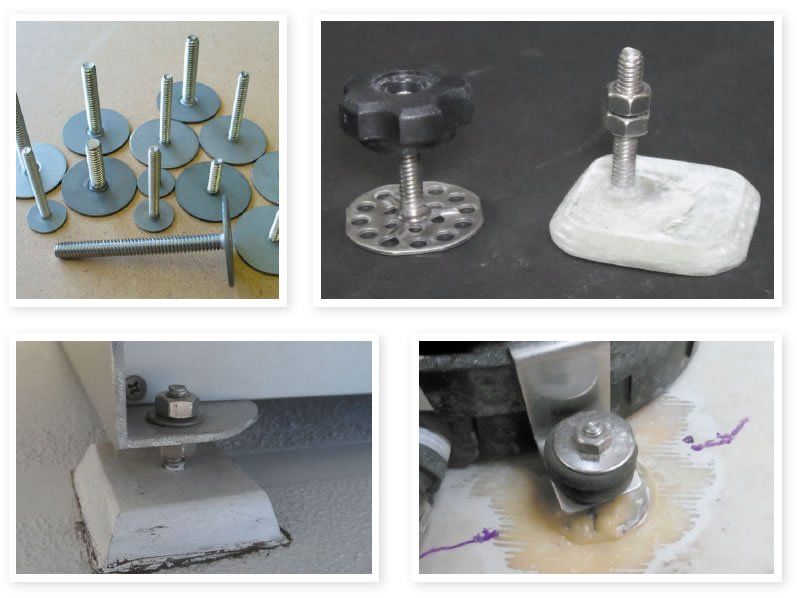
Credit: www.practical-sailor.com
Glue As A Bonding Agent
Glue acts as a bonding agent by joining two surfaces together. It holds materials firmly without using nails or screws. Glue creates a strong connection by filling gaps between parts. This bond can resist stress and keep objects intact for a long time. Many industries and crafts rely on glue for assembling products.
Types Of Glue And Their Uses
There are many types of glue, each with a special use. White glue works well for paper and wood. Epoxy is strong and good for metal and plastic. Super glue bonds quickly and sticks small objects. Hot glue melts and cools fast, useful for crafts. Each glue type suits different materials and jobs.
How Glue Creates Bonds
Glue sticks by seeping into tiny cracks on surfaces. It then hardens and locks the parts in place. This process is called adhesion and cohesion. Adhesion means glue sticks to the surface. Cohesion means glue sticks to itself. Together, these forces create a firm and lasting bond.
Comparing Glue To Mechanical Fasteners
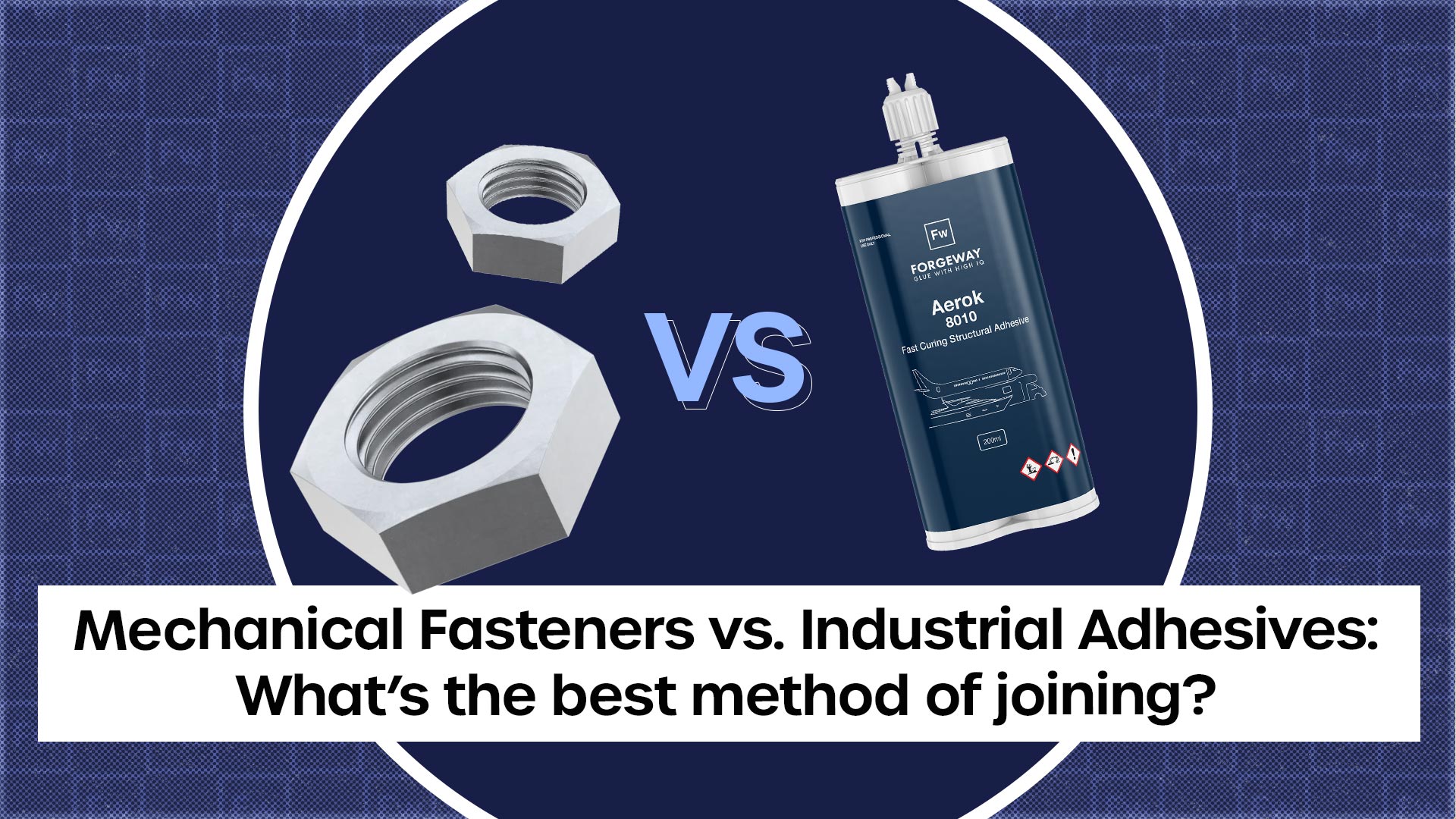
Mechanical fasteners like nails or screws hold parts by pressure. They create a physical grip on materials. Glue, however, bonds at a molecular level. Glue can join irregular surfaces easily. Fasteners may damage delicate materials. Glue provides a smooth finish without holes. Both have strengths depending on the project needs.
Credit: www.forgeway.com
Fasteners And Their Roles
Fasteners play a key role in holding things together. They join parts to make a strong connection. Fasteners come in many shapes and sizes. Each type serves a different purpose. Understanding fasteners helps in choosing the right one for a job.
Glue also joins parts, but it works differently. Fasteners rely on mechanical force. Glue uses adhesion between surfaces. Knowing these differences helps decide when to use fasteners or glue.
Common Types Of Fasteners
Screws are popular fasteners. They twist into materials to hold parts tight. Nails are simple and quick to use. Bolts need nuts to secure parts firmly. Washers spread pressure to protect surfaces. Clips and clamps hold parts without damage.
Strength And Durability Factors
Fasteners offer strong and lasting bonds. Their strength depends on material and size. Steel fasteners resist rust and wear well. Plastic fasteners are lightweight but less strong. Proper installation improves durability. Loose fasteners weaken connections over time.
When To Choose Fasteners Over Glue
Fasteners work best for heavy or load-bearing parts. They allow parts to be taken apart easily. Choose fasteners if surfaces are rough or oily. Glue may fail on non-porous surfaces. Fasteners provide better strength in outdoor use. Use fasteners when you need quick assembly.
Bond Strength And Performance
Bond strength and performance are key to understanding if glue acts as a fastener. The strength of a glue bond determines how well two materials hold together. Good performance means the bond lasts under different conditions and stresses. This section explains how glue bond strength is tested, what affects adhesive performance, and how the environment impacts bonds.
Testing Glue Bond Strength
Testing bond strength shows how much force a glued joint can take. Common tests pull or shear glued surfaces apart. These tests measure the maximum load before the bond breaks. Results help compare different glues and choose the right one for each job. Strong bonds resist breaking under stress or pressure.
Factors Affecting Adhesive Performance
Several factors affect how well glue performs. Surface type and preparation influence bond quality. Clean, dry, and smooth surfaces create better bonds. Glue type and curing time also play important roles. Incorrect glue or short curing time weakens the bond. Pressure applied during bonding improves glue contact and strength.
Environmental Impact On Bonds
Environment greatly affects glue bonds over time. Heat can soften or weaken many adhesives. Cold temperatures may make glue brittle. Moisture or water exposure can cause some bonds to fail. Sunlight and chemicals also degrade glue strength. Choosing glue suited for the environment ensures long-lasting bonds.
Applications Of Glue As A Fastener
Glue serves as a strong fastener in many areas. It holds materials together without the need for nails or screws. Its use spans across industries and homes. The right glue can bond wood, metal, plastic, and more. This section explores where glue acts as a fastener and why it is important.
Industrial Uses
Industries use glue to join parts quickly and cleanly. Car manufacturers rely on adhesives to fix panels and trim. Electronics makers bond tiny parts inside devices. Glue helps reduce weight and improve strength in products. It also seals and protects parts from moisture and dust.
Everyday Household Applications
At home, glue fixes broken items fast. It repairs furniture, ceramics, and toys. Craft projects come alive with glue’s strong hold. Paper, fabric, and wood all stick well with glue. It is easy to use and safe for most tasks.
Innovations In Adhesive Technology
New glue types offer faster drying and better strength. Some adhesives work on wet or oily surfaces. Eco-friendly glues reduce harm to the environment. Scientists create glues that adapt to different materials. These advances expand glue’s role as a reliable fastener.
Limitations Of Glue
Glue is a popular fastening method, but it has clear limits. It cannot replace all other fasteners in every situation. Understanding its weaknesses helps choose the right tool for a job.
Load-bearing Challenges
Glue struggles with heavy loads. It may fail to hold strong weights over time. Stress or pressure can cause glued joints to break. Nails or screws handle heavy forces better.
Surface Compatibility Issues
Not all surfaces bond well with glue. Smooth, oily, or wet surfaces reduce glue strength. Some materials need special glue types. Without the right glue, joints may loosen or fail.
Longevity Concerns
Glue can weaken with age and environment. Heat, moisture, and sunlight may break down adhesives. Over time, glued parts might separate. Mechanical fasteners usually last longer in tough conditions.
Choosing Between Glue And Fasteners
Choosing between glue and fasteners depends on the needs of your project. Both have strengths and weaknesses. Understanding these can help you pick the best option. Consider the type of project, the materials involved, and the budget. This helps create a strong and lasting bond.
Project Requirements
Think about what your project needs to hold together. Glue works well for smooth, flat surfaces. Fasteners are better for heavy or load-bearing joints. Some projects need a quick hold, while others require a permanent bond. Fasteners can be removed or adjusted. Glue usually cannot be undone once it dries.
Material Considerations
Different materials react differently to glue and fasteners. Wood, plastic, metal, and fabric all need specific types of glue or fasteners. Some glues work well on porous materials like wood. Fasteners like screws or nails provide a strong grip on dense materials. Check the material’s surface and thickness to choose the right method.
Cost And Convenience Factors
Glue is often cheaper and easier to apply. It requires less equipment and skill. Fasteners might cost more and need tools like drills or screwdrivers. Fasteners can be faster for some jobs. Glue takes time to dry and cure. Choose based on your budget and how much effort you want to spend.

Credit: www.youtube.com
Frequently Asked Questions
Is Glue Considered A Type Of Fastener?
Yes, glue is considered a fastener because it bonds materials together permanently. It joins surfaces by creating a strong adhesive layer.
How Does Glue Differ From Mechanical Fasteners?
Glue bonds materials chemically without holes or pressure, unlike screws or nails. It distributes stress evenly and can seal joints.
Can Glue Replace Screws Or Nails In Construction?
Glue can replace fasteners for lightweight or non-structural tasks. However, screws or nails are needed for heavy-duty or load-bearing connections.
What Are Common Materials Glued Together As Fasteners?
Glue fastens wood, paper, plastic, fabric, and ceramics effectively. It works best on clean, dry surfaces for strong adhesion.
Conclusion
Glue can join things firmly but does not work like nails or screws. It sticks surfaces together by drying or curing. Nails and screws hold parts with pressure or threading. Glue works best on smooth, clean surfaces. It may not hold well under heavy stress or wet conditions.
Choosing the right fastener depends on the project needs. Sometimes glue alone is enough. Other times, a nail or screw is better. Understanding how glue works helps you use it smartly. Simple tools and glue can fix many things at home.