If you’re planning to install Trex decking, one key question likely on your mind is: how exactly is Trex decking fastened? Getting this right matters because the fastening method impacts your deck’s durability, appearance, and safety.
Whether you want a sleek, screw-free surface or a straightforward installation, understanding the fastening options will help you make the best choice for your outdoor space. You’ll discover the step-by-step ways Trex decking is secured—so you can confidently tackle your project and enjoy a beautiful, long-lasting deck.
Keep reading to learn the secrets to fastening your Trex deck like a pro!
Credit: blog.advantagelumber.com
Trex Decking Fastening Methods
The concealed fastener system offers a clean and smooth finish for Trex decking. It hides screws and nails underneath the deck boards. This method improves the deck’s look and reduces tripping hazards. The system uses special clips designed to fit perfectly with Trex boards. These clips lock the boards in place without any visible hardware on the surface.
Clip Design And Function
Trex concealed fasteners are small, sturdy clips made from corrosion-resistant materials. They have a unique shape that locks into the board groove. The clips secure the board to the joist tightly. This design allows the deck boards to expand and contract with temperature changes. The clip’s grip prevents the boards from shifting or lifting over time.
Board Groove Compatibility
Trex decking boards have a special groove along their edges. This groove fits the concealed fastener clips perfectly. Only compatible boards can be used with this system. The groove ensures the clips stay hidden and hold the boards firmly. This compatibility is essential for the durability and appearance of the deck.
Step-by-step Installation Process
Start by placing the first board along the deck frame. Attach the starter clips to the joists at the edge. Slide the groove of the board onto the clips. Next, place the connector clips in the board’s groove along each joist. Use screws to fasten the clips securely to the joists. Then, press the next board into the clips, locking it in place. Repeat this process for all boards. Finally, install the last board using starter clips again. Check the spacing and secure all clips tightly.
Advantages Of Hidden Fasteners
Hidden fasteners give decks a smooth and clean look. There are no visible screws or nails on the surface. This reduces the chance of catching shoes or feet. The system allows the boards to move slightly without damage. It also protects the deck from moisture by avoiding holes on the surface. Maintenance becomes easier with no exposed fasteners to rust or loosen. Overall, the concealed fastener system extends the life of Trex decking.

Credit: blog.advantagelumber.com
Concealed Fastener System Details
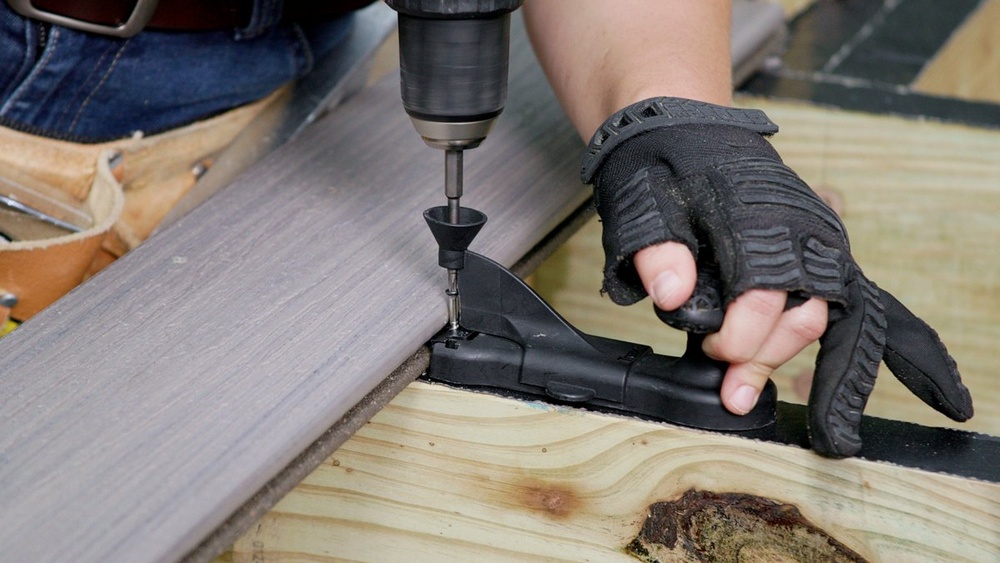
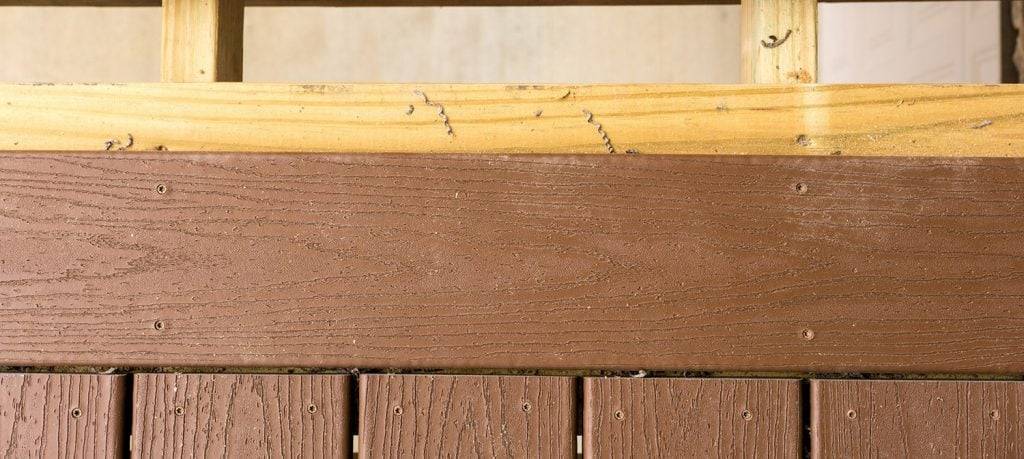
The face-screwing approach is a common method to fasten Trex decking boards securely. This technique involves driving screws directly through the top surface of the decking. It offers strong attachment and helps keep the boards stable over time. Proper use of screws designed for composite materials is essential to avoid damage and ensure durability.
Specialized Composite Deck Screws
Trex decking requires screws made specifically for composite materials. These screws resist corrosion and prevent rust stains. Their sharp threads cut through the dense material easily. The screw heads are designed to sit flush or slightly below the board surface. This reduces tripping hazards and creates a neat finish.
Application On Perimeter Boards
Face-screwing is ideal for fastening perimeter boards. These outer boards often need extra strength to stay in place. Screws should be spaced evenly along the edges for uniform support. This method helps maintain deck shape and prevents warping at the edges. It also simplifies attaching railing posts or trim.
Installation Tips For Secure Attachment
Pre-drilling holes can prevent splitting and cracking in Trex boards. Use a drill bit slightly smaller than the screw diameter. Drive screws slowly to avoid stripping the heads or damaging the decking surface. Countersink screws carefully so they do not sit above the board surface. Leave proper gaps between boards for expansion and drainage.
Face-screwing Approach
Correct fastener placement and quantity are vital for a strong Trex decking installation. Proper spacing and the right number of fasteners keep the boards stable. They also prevent warping and movement over time. This section explains how to place fasteners on joists, how many to use per board, and how to handle tricky spots like posts and edges.
Spacing On Joists
Fasteners must be placed on every joist supporting the deck boards. This ensures even weight distribution and prevents boards from sagging. Space the fasteners evenly along each joist. For hidden fasteners, use one clip per joist. For face screws, place them about 3/4 inch from the board edge. Proper spacing helps keep the deck secure and neat.
Number Of Fasteners Per Board
The number of fasteners depends on the board’s length and joist spacing. Each joist under the board needs at least one fastener. Longer boards may require more fasteners to hold them firmly. Using the correct quantity stops boards from shifting or lifting. Always check local building codes for specific fastener requirements.
Handling Around Posts And Edges
Fastening near posts and edges needs special care. Place extra fasteners close to posts to keep boards from moving. At edges, use face screws or recommended fasteners to secure the board ends. Avoid overdriving fasteners, which can damage the boards. Careful fastening around these areas adds strength and safety to the deck.

Credit: www.trex.com
Fastener Placement And Quantity
Installing Trex decking requires specific tools and materials for a secure and lasting deck. Using the right fasteners and equipment helps avoid damage and ensures a smooth process. Safety gear is essential to protect yourself during the work.
Recommended Fasteners
Trex decking uses specially designed screws and hidden fasteners. Stainless steel or coated screws resist rust and corrosion. Hidden fasteners provide a clean, screw-free surface. These fasteners fit into the groove of the board. Always choose fasteners made for composite decking. Using the wrong fasteners can cause damage or reduce durability.
Power Tools For Installation
A power drill is necessary to drive screws quickly and efficiently. Use a drill with variable speed control for better handling. A impact driver works well for tough fastening tasks. A circular saw or miter saw cuts boards to size cleanly. Measuring tools like a tape measure and square ensure accuracy. A chalk line helps mark straight cutting or fastening lines.
Safety Equipment
Wear safety glasses to protect your eyes from dust and debris. Gloves guard your hands against splinters and sharp edges. Hearing protection is important when using loud power tools. A dust mask prevents inhaling fine particles from cutting boards. Proper footwear gives good grip and protects your feet from falling objects.
Tools And Materials Needed
Installing Trex decking brings unique challenges. Proper fastening is key to a strong, durable deck. Understanding common installation issues helps avoid costly mistakes. These challenges often involve preventing board damage, maintaining correct spacing, and handling joist problems. Tackling these points ensures your deck looks great and lasts long.
Avoiding Board Damage
Trex boards can crack or chip if fastened incorrectly. Use the right screws designed for composite decking. Avoid over-tightening fasteners; this can crush the boards. Pre-drilling holes reduces stress on the material. Handle boards gently during installation to prevent scratches and dents.
Ensuring Proper Board Spacing
Boards must have space to expand and contract with temperature changes. Too little gap causes buckling and warping. Too much gap looks uneven and lets debris collect. Use spacing tools or clips to keep gaps consistent. Check spacing often during installation for uniformity.
Dealing With Joist Irregularities
Joists may be uneven or warped, affecting deck flatness. Shim low spots to create a level surface. Replace damaged or rotten joists before installation. Uneven joists cause boards to flex and wear faster. Careful joist preparation improves deck stability and appearance.
Common Installation Challenges
Proper care keeps your Trex deck strong and looking great. Fastened decks need regular attention. Small issues can turn into big problems without care. Follow these tips to maintain your deck’s fasteners and boards. This helps your deck last longer and stay safe.
Inspecting Fasteners Regularly
Check all fasteners every few months. Look for rust, looseness, or damage. Tighten screws that feel loose. Replace any rusty or broken fasteners quickly. This prevents boards from shifting or warping. Early fixes save costly repairs later.
Cleaning Around Fastened Areas
Keep the deck surface clean near fasteners. Remove dirt, leaves, and debris often. Use a soft brush or broom to clean gently. Avoid harsh chemicals that may harm the decking material. Clean fastened spots help prevent moisture buildup and corrosion.
Addressing Loose Or Damaged Boards
Watch for boards that move or make noise. Loose boards can cause accidents and damage fasteners. Replace or secure any damaged or warped boards. Use the right fasteners recommended by Trex. Keeping boards tight protects the entire deck structure.
Frequently Asked Questions
What Is The Best Way To Fasten Trex Decking?
The best way to fasten Trex decking is using hidden fastener clips on every joist. Face-screw perimeter boards with Trex composite screws. This method ensures a clean, secure, and durable deck surface.
Do Trex Fasteners Go On Every Joist?
Yes, Trex fasteners must be installed on every joist to ensure secure decking attachment and proper support.
How Are Composite Deck Boards Attached?
Composite deck boards attach using concealed fastener clips fitted into board grooves or face-screws driven through the board surface. Clips secure to joists, creating a clean look without visible screws. Face-screwing suits perimeter boards or specific decking types lacking grooves.
How Do Trex Hidden Fasteners Work?
Trex hidden fasteners secure deck boards by clipping into side grooves and fastening to joists. This creates a smooth, screw-free surface.
Conclusion
Fastening Trex decking properly ensures a strong, lasting deck. Use hidden fasteners for a clean look without visible screws. Face-screwing offers extra grip but shows screw heads. Always fasten boards securely to every joist for stability. Follow manufacturer instructions to avoid damage and maintain warranty.
Correct fastening helps your deck resist weather and wear. With the right method, your Trex deck stays beautiful and safe for years. Simple steps create a durable, attractive outdoor space you will enjoy.