Are you struggling to keep your documents organized and secure? Prong fastener bases might be the simple solution you’ve been looking for.
These small but powerful tools help you hold papers together firmly, saving you time and frustration. In this guide, you’ll learn exactly how to use prong fastener bases step-by-step, so you can keep your files neat and easy to access.
Ready to make your paperwork hassle-free? Let’s dive in and discover how these fasteners can transform your organization game.
Choosing The Right Prong Fastener Base
Choosing the right prong fastener base is key for a secure and neat finish. It impacts how well your documents or materials hold together. The right choice depends on several factors, including the type, material, and size of the base. Understanding these can help you select the best fastener for your project.
Types Of Prong Fastener Bases
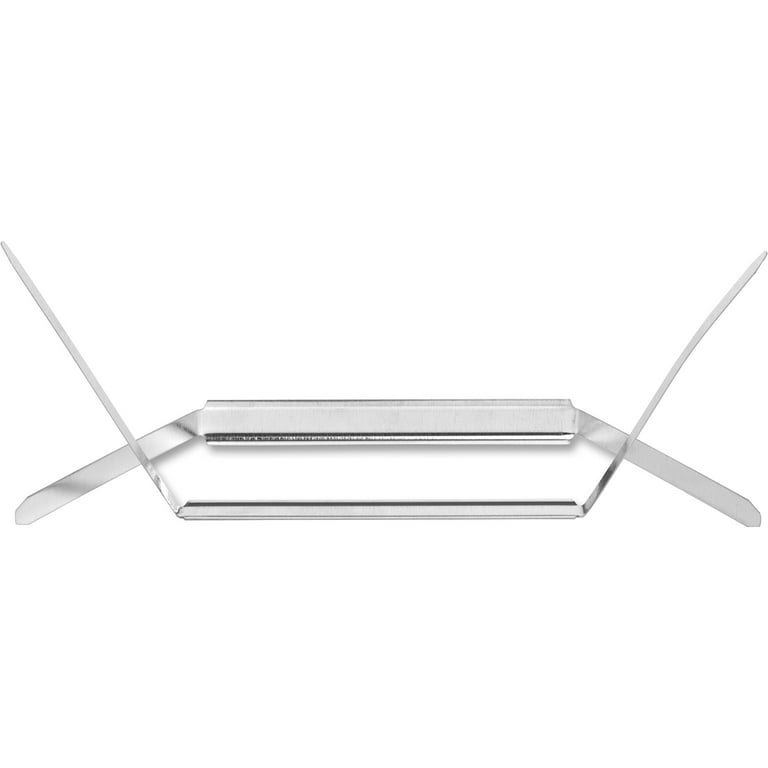
Prong fastener bases come in various styles. Some have flat bases for smooth surfaces. Others have raised bases for thicker materials. There are also two-prong and four-prong options. Each type serves different fastening needs. Pick the type that fits your project’s thickness and purpose.
Materials And Durability
Fastener bases are made from metal or plastic. Metal bases offer strong hold and last longer. Plastic bases are lighter and resist rust. Choose metal for heavy-duty use. Plastic works well for light, temporary tasks. Consider the environment where you will use the fastener.
Size And Compatibility
The size of the prong fastener base must match your papers or materials. Bases come in small, medium, and large sizes. The prongs should fit through the holes easily. Too small or too large bases can cause damage or loose fastening. Measure your materials before selecting a base size.
Credit: www.walmart.com
Tools Needed For Installation
Installing prong fastener bases requires some simple tools. Having the right tools makes the job faster and easier. It also helps you avoid mistakes and damage. Below are the tools you need to get started.
Basic Tools
First, you need a hole punch or an awl. This tool makes small holes in the material where the prongs will go. Next, a pair of pliers is important. Use pliers to bend the prongs securely. A ruler or measuring tape helps to place the fastener base accurately. Lastly, a small hammer can be useful to tap the base into place gently.
Optional Accessories
Some extra tools can make your work neater and faster. A cutting mat protects your surface while punching holes. A clamp or binder clip holds the material steady during installation. If you work with thick materials, a leather punch can be helpful. You might also use a small screwdriver to adjust the prongs if needed.
Preparing Documents For Binding
Preparing documents for binding is an important step when using prong fastener bases. It helps to keep your papers neat and secure. Proper preparation makes the binding process smooth and fast.
Start by organizing your pages carefully. Check for any missing or extra sheets. Ensure all pages are in the correct order before binding.
Aligning Pages
Stack your pages evenly on a flat surface. Tap the edges gently to align them. Make sure the holes will line up perfectly. Misaligned pages can cause problems during binding.
Use a ruler or straight edge to check alignment. Keep the edges flush and smooth. This step ensures the prongs fit through all pages easily.
Creating Holes
Mark the spots for holes using a pencil or template. Standard prong fasteners usually need two or three holes. Space the holes evenly along the edge of the paper stack.
Use a hole punch or drill to create clean holes. Avoid tearing or bending the pages. Clean holes help the prongs hold the papers firmly.
Double-check hole placement before binding. Correct holes save time and prevent damage to documents.
Step-by-step Installation Process
The step-by-step installation process of prong fastener bases is simple and clear. Follow each step carefully to ensure a secure hold. This guide helps you install the fastener quickly and correctly. Take your time and work with focus.
Inserting Prongs
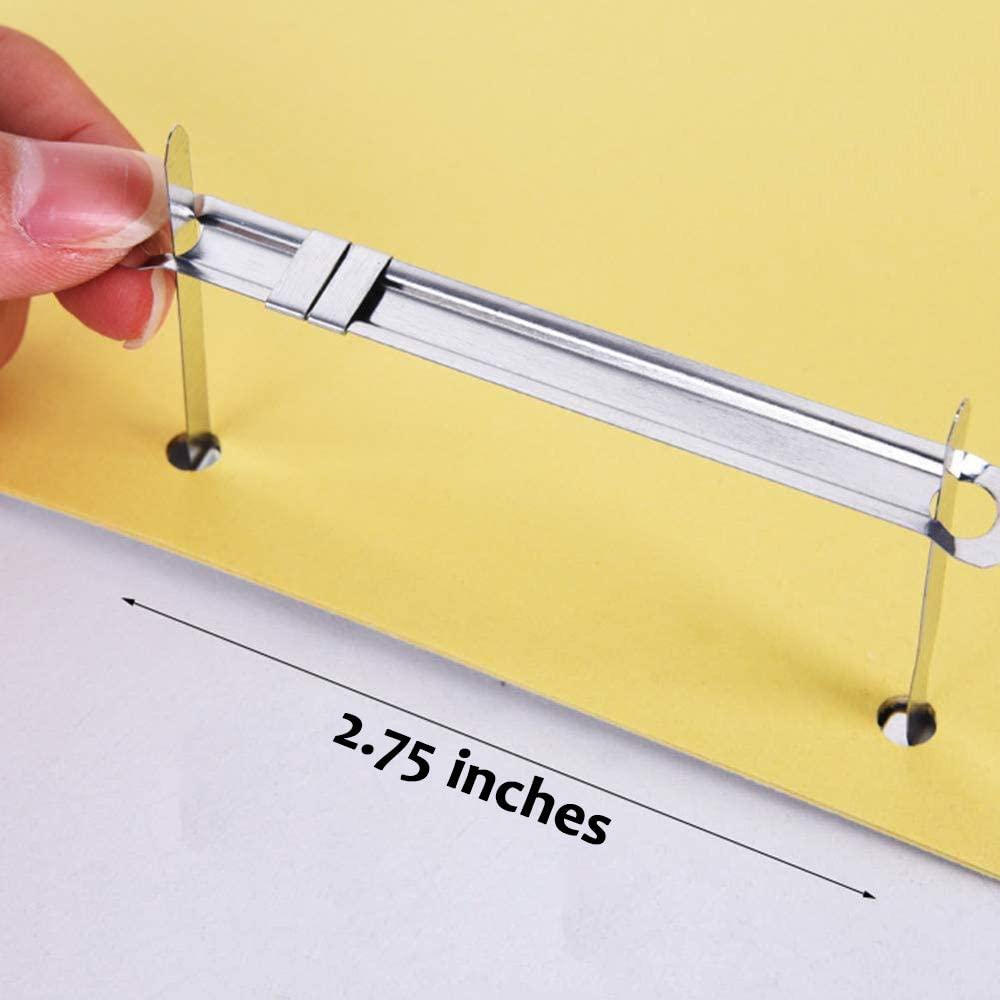
Start by placing the prong fastener base on the paper or material. Push the sharp prongs through the holes or the material’s edge. Make sure the prongs go straight and do not bend. Check that the fastener base sits flat against the surface.
Securing The Fastener
After inserting the prongs, turn the paper over. Press the prongs gently against a hard surface. Use your fingers or a flat tool to push the prongs down. The prongs must be tight and hold the paper firmly. Avoid forcing the prongs too hard to prevent damage.
Folding And Locking Prongs
Bend the prongs inward toward the center of the fastener. Fold each prong flat against the paper’s back. This locks the fastener in place and prevents it from moving. Check that no sharp ends stick out. Your fastener is now secure and ready to use.
Tips For Ensuring Secure Binding
Using prong fastener bases correctly keeps your documents neat and secure. Simple steps help bind papers firmly without damage. Follow these tips for a strong and lasting hold.
Avoiding Common Mistakes
Start by checking the prongs are straight before use. Bent prongs can tear paper or fail to close. Do not overload the fastener with too many pages. Overstuffing causes gaps and weak binding. Make sure the holes in the paper line up with the prongs. Misaligned holes cause uneven pressure and damage sheets. Close the prongs tightly to avoid loose papers.
Adjusting For Different Paper Thicknesses
Thicker stacks need longer prongs or multiple fasteners. Thin papers require less prong length to prevent movement. Fold the prongs carefully to avoid creases or breaks. Use extra fasteners for very thick documents to spread pressure. Adjust prong length by bending or trimming if possible. Always test the binding after adjusting to ensure tightness.
Credit: ringbinderdepot.com
Removing And Reusing Prong Fastener Bases
Removing and reusing prong fastener bases can save time and money. These small tools hold papers firmly but need care when taken apart. Doing this carefully helps keep the fasteners working well for many uses.
Safe Removal Techniques
Start by opening the prongs gently. Use your fingers or a flat tool to bend them back slowly. Avoid pulling hard or twisting quickly. This prevents damage to the base and the papers. Work on a flat surface to keep control. Take your time to avoid breaking the fastener.
Reusability And Maintenance
Check the base for any cracks or bends before reuse. Clean away dust or paper bits stuck inside. Use a soft cloth or brush for cleaning. Store the fasteners in a dry place to stop rust. If the prongs bend too much, replace the base. Well-maintained fasteners last longer and hold papers tightly.
Creative Uses Beyond Paper Binding
Prong fastener bases are not just for holding papers together. They have many creative uses beyond paper binding. These small tools can help in craft projects and organizing materials. Their design makes them useful in different ways.
Using prong fastener bases creatively can save time and add neatness. They hold items firmly and keep things tidy. Many people do not know about these other uses. Here are some simple ideas to try.
Craft Projects
Prong fastener bases work well in craft projects. They can hold layers of fabric or paper in place. This helps when making scrapbooks or handmade cards. You can also use them to attach tags or decorations.
They make it easy to change or remove parts. This is useful for adjustable designs. The prongs bend and secure materials without glue. This keeps your craft clean and neat.
Organizing Materials
Use prong fastener bases to organize papers and small items. Group receipts, photos, or notes together. This keeps important things from getting lost. You can also bind samples or swatches.
They work well for storing flat items that need to stay together. Prong fastener bases help to keep your desk or workspace tidy. They offer a simple and reusable solution for sorting.

Credit: ringbinderdepot.com
Frequently Asked Questions
What Are Prong Fastener Bases Used For?
Prong fastener bases securely hold papers, documents, or files together. They are ideal for organizing paperwork in binders or folders. Their prongs pierce through paper, keeping sheets aligned and firmly fastened.
How Do You Install Prong Fastener Bases?
To install, align the prongs through punched holes in paper. Fold the prongs flat against the paper’s back side. This ensures documents stay neatly fastened and prevents pages from slipping out.
Can Prong Fastener Bases Hold Thick Documents?
Yes, prong fastener bases can hold thick stacks of paper. They are designed with sturdy metal prongs that support large volumes. This makes them suitable for reports, contracts, or manuals.
Are Prong Fastener Bases Reusable?
Yes, prong fastener bases are reusable. You can easily open the prongs to add or remove documents. This flexibility allows for quick updates without needing a new fastener base.
Conclusion
Prong fastener bases hold papers neatly and firmly. They help keep documents organized and easy to find. Using them saves time and reduces clutter. Simply follow the steps for quick and secure fastening. These bases work well for school, office, or home use.
Try them to keep your paperwork tidy and under control. Small tools can make a big difference. Give prong fastener bases a chance to simplify your work.