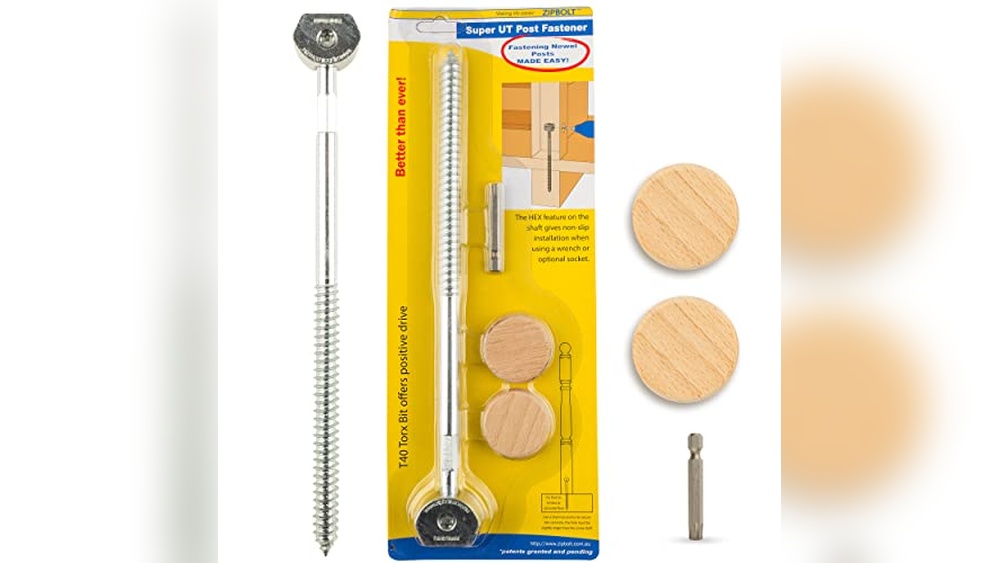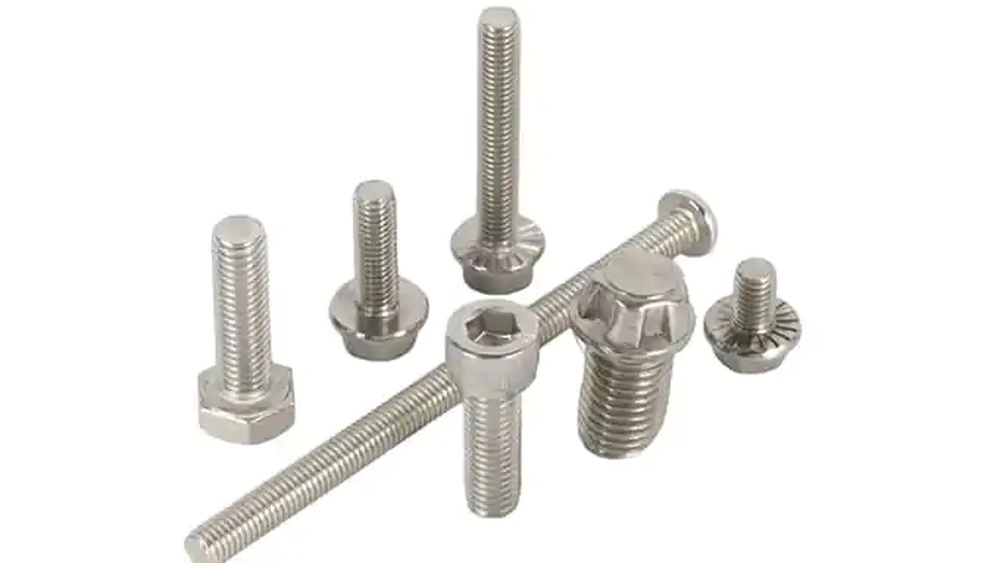
Choosing the right fasteners for aluminum can make all the difference in your project’s strength and durability. If you’ve ever struggled with screws that strip, bolts that loosen, or connections that corrode, you know how frustrating it can be.
But don’t worry—picking the perfect fasteners for aluminum is easier than you think. You’ll discover which types work best, how to avoid common mistakes, and tips to ensure your aluminum projects stay secure and long-lasting. Keep reading to make your next build stronger and hassle-free.
Credit: www.homedepot.com
Choosing Fasteners For Aluminum
Selecting the right fasteners for aluminum is important for strong, lasting joints. Aluminum is soft and prone to corrosion. Using the wrong fastener can cause damage or rust. Fasteners must match aluminum’s properties to keep connections safe and stable.
Some fasteners fit better with aluminum than others. Knowing what affects your choice helps you pick the best option. The right material and design prevent problems like cracking and rust. This guide explains key factors and common materials to help you decide.
Factors Influencing Fastener Selection
Strength matters. Fasteners need enough strength to hold aluminum parts tightly. Too strong can crack aluminum; too weak can loosen joints.
Corrosion resistance is critical. Aluminum can corrode when in contact with certain metals. Choose fasteners that resist rust and corrosion to protect your project.
Thermal expansion rates should be close. Metals expand and contract with heat. Fasteners with similar rates reduce stress and damage.
Fastener size and type must fit the aluminum thickness and design. Proper fit ensures secure and neat assembly.
Common Fastener Materials
Stainless steel is popular. It resists corrosion and works well with aluminum. It is strong but can cause galvanic corrosion if not isolated.
Aluminum fasteners match the metal perfectly. They avoid corrosion and expand alike. They are not as strong as steel but suit many uses.
Brass fasteners resist corrosion and look good. They are softer and best for light loads.
Coated steel fasteners have rust protection. Zinc plating or other coatings help prevent corrosion. Use them with insulation between aluminum and steel.
Aluminum-compatible Fastener Types
Choosing the right fastener for aluminum is very important. The wrong type can cause damage or weak joints. Aluminum is soft and reacts with some metals, so compatible fasteners ensure strong and lasting connections.
Different metals work better with aluminum. These fasteners prevent corrosion and hold parts securely. Here are common types of fasteners that match well with aluminum.
Stainless Steel Fasteners
Stainless steel fasteners resist rust and corrosion. They pair well with aluminum because they do not cause strong metal reactions. These fasteners keep the connection firm in moist or outdoor environments. They are strong and last long without damaging aluminum parts.
Aluminum Fasteners
Using aluminum fasteners with aluminum parts creates a perfect match. This avoids corrosion caused by metal contact. Aluminum fasteners are lightweight and resist rust. They are suitable for projects needing matching metal strength and appearance.
Brass And Copper Fasteners
Brass and copper fasteners work well with aluminum in low-stress uses. They resist corrosion and offer good conductivity. These metals are softer than steel but prevent aluminum from corroding fast. Use them in decorative or electrical applications where metal contact matters.
Corrosion And Galvanic Compatibility
Choosing the right fasteners for aluminum requires attention to corrosion and galvanic compatibility. Aluminum reacts differently than other metals. This can cause problems when metals touch. Understanding these reactions helps avoid damage and keeps joints strong.
Causes Of Galvanic Corrosion
Galvanic corrosion happens when two different metals connect. Electricity flows between them through an electrolyte, like water. This makes one metal corrode faster. Aluminum is often the metal that wears out. Saltwater and moisture increase this effect. The bigger the difference in metal types, the faster corrosion occurs.
Preventing Corrosion In Aluminum Joints
Use fasteners made from materials close to aluminum in the galvanic series. Stainless steel or aluminum fasteners work well. Applying protective coatings stops moisture from reaching the metals. Use sealants or paint to block water. Make sure joints are dry and clean before assembly. Avoid direct metal-to-metal contact by adding barriers like plastic washers.
Threaded Vs. Non-threaded Fasteners
Choosing the right fasteners for aluminum depends on the project needs. Threaded and non-threaded fasteners serve different purposes. Understanding their uses helps to secure aluminum properly and avoid damage.
When To Use Screws
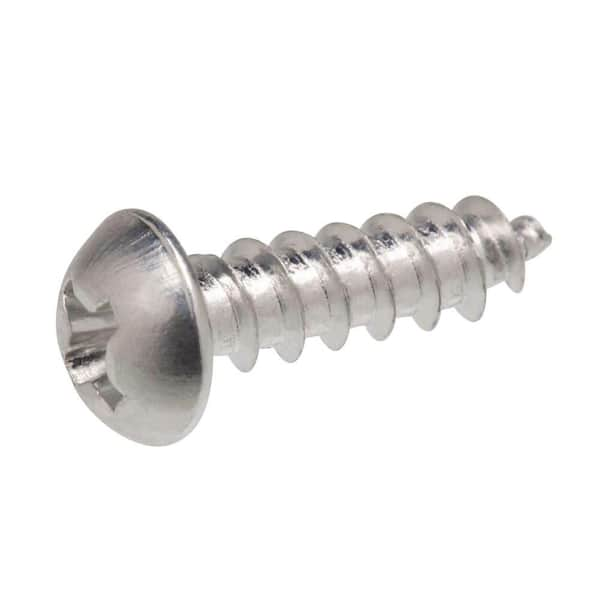
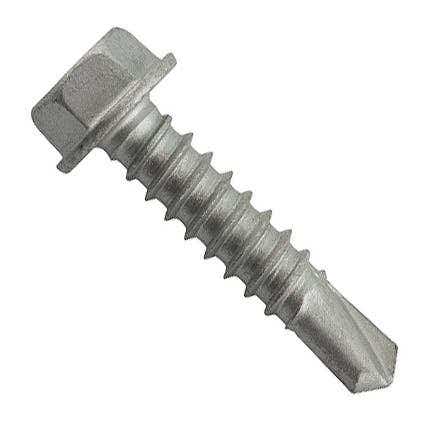
Screws are threaded fasteners. They create strong connections by digging into the aluminum. Use screws when you need parts to be removable. Screws work well for light to medium loads. They also allow easy repairs or adjustments. Self-tapping screws are a good choice for thin aluminum sheets. These screws cut their own threads, saving time.
When To Use Rivets And Bolts
Rivets and bolts are non-threaded fasteners. Rivets join aluminum permanently. Use rivets for strong, lasting bonds, especially in thin metal. They distribute load evenly and resist vibration. Bolts need nuts to secure parts tightly. Use bolts for heavy loads or thick aluminum. Bolts allow disassembly but need more space. Choose rivets for permanent joints. Choose bolts when you may need to take parts apart.
Coatings And Treatments For Fasteners
Choosing the right fasteners for aluminum requires attention to coatings and treatments. These coatings protect fasteners from rust and corrosion. They help fasteners last longer and keep aluminum structures strong. Understanding the options available can guide better choices for your projects.
Protective Coatings Options
Zinc plating is a common coating that prevents rust. It forms a barrier between metal and moisture. Another option is anodizing, which thickens the aluminum surface for extra protection. Some fasteners use ceramic coatings for heat resistance and durability. Others have phosphate coatings to improve paint adhesion and corrosion resistance.
Impact On Durability And Performance
Coatings reduce wear and tear on fasteners. They stop rust that weakens metal over time. Better coatings mean fasteners stay strong longer. This keeps aluminum parts secure and stable. Fasteners with good coatings handle stress and weather better. They reduce maintenance needs and replacement costs.

Credit: www.roofthings.com
Installation Tips For Aluminum Fasteners
Installing fasteners in aluminum requires care and precision. Aluminum is soft and can be damaged easily. Using the right techniques helps keep the material strong and secure. Follow these tips for better results and longer-lasting connections.
Torque Recommendations
Use the correct torque to avoid damage. Too much force can strip threads or crack the aluminum. Too little force can cause loose fasteners. Check manufacturer guidelines for specific torque values. Use a torque wrench for accuracy. Tighten fasteners slowly and steadily.
Avoiding Common Installation Mistakes
Do not overtighten fasteners. Aluminum bends and deforms under pressure. Avoid using the wrong fastener type. Match fastener material with aluminum to prevent corrosion. Clean the surface before installation. Remove dirt and oils for better grip. Use washers to spread pressure evenly. Check fasteners regularly for loosening or damage.
Applications And Use Cases
Fasteners for aluminum are chosen based on the project’s needs and environment. Different industries use aluminum fasteners in unique ways. The choice depends on strength, corrosion resistance, and compatibility with aluminum.
Automotive And Aerospace
In automotive and aerospace, light weight matters a lot. Aluminum fasteners reduce vehicle weight and improve fuel efficiency. These fasteners must resist vibration and temperature changes. Stainless steel or titanium fasteners often pair well with aluminum parts. They prevent rust and maintain strong joints under stress.
Construction And Architecture
Aluminum fasteners are common in buildings and bridges. They offer durability and resist weather damage. Fasteners for aluminum in construction must handle heavy loads and outdoor conditions. Aluminum or coated steel screws and bolts are popular choices. They ensure long-lasting connections without corroding.
Electronics And Consumer Goods
Small aluminum parts in electronics need precise, light fasteners. These fasteners avoid damaging delicate components. Brass or aluminum screws often work well here. They provide a secure fit and prevent electrical issues. Fasteners must be easy to assemble and resist wear.
Credit: www.tannerbolt.com
Frequently Asked Questions
What Fasteners Work Best With Aluminum?
Stainless steel fasteners are ideal for aluminum. They resist corrosion and prevent galvanic reactions. Avoid carbon steel to reduce rust and damage. Use fasteners with compatible coatings for added protection.
Can Aluminum Screws Cause Corrosion?
Aluminum screws may corrode when in contact with dissimilar metals. This happens due to galvanic corrosion. Using stainless steel or coated fasteners prevents this issue effectively.
Are Self-tapping Screws Suitable For Aluminum?
Yes, self-tapping screws work well with aluminum. They create threads without pre-drilling, saving time. Choose screws with corrosion-resistant coatings for durability in outdoor or marine environments.
How To Prevent Galvanic Corrosion With Aluminum Fasteners?
Use fasteners made of stainless steel or aluminum alloys. Apply insulating materials or coatings between metals. Ensure proper design to minimize metal contact and moisture exposure.
Conclusion
Choosing the right fasteners makes aluminum projects last longer. Use stainless steel or coated fasteners to avoid rust. Avoid mixing metals that cause corrosion and weaken joints. Proper fastener choice keeps connections strong and safe. Remember, simple care helps your aluminum work stay solid.
A good fastener fits well and holds tight every time. Keep these tips in mind for better results.