Choosing the right fastener might seem simple, but it’s actually one of the most important decisions you’ll make for your project’s success. If you pick the wrong screw, bolt, or nail, you risk weak joints, safety issues, or costly repairs down the line.
You want a fastener that fits your exact needs—strong enough, durable enough, and designed for the environment where it will be used. In this guide, you’ll learn how to quickly identify the best fastener for your specific application. By the end, you’ll feel confident selecting the perfect fastener every time, saving you time, money, and frustration.
Ready to get it right from the start? Let’s dive in.
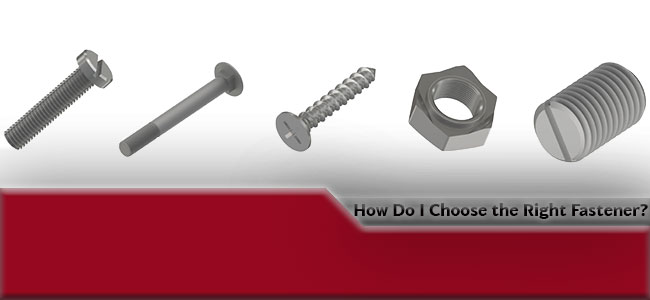
Credit: www.fastenright.com
Material Selection
Choosing the right material for your fastener is crucial for its performance and durability. The material must suit the environment and the load it will carry. Different materials offer unique benefits and drawbacks. Consider factors like strength, corrosion resistance, and cost to find the best fit for your project.
Steel And Stainless Steel
Steel fasteners are strong and cost-effective. They handle heavy loads well and work in most environments. Stainless steel resists rust and corrosion better. It suits outdoor or damp conditions. Choose stainless steel for longevity and durability. Steel fasteners may need coatings to prevent rust.
Brass And Aluminum
Brass fasteners resist corrosion and look attractive. They suit decorative or light-duty uses. Aluminum fasteners are lightweight and resist rust. They work well in low-stress applications. Both materials are softer than steel. Avoid them for heavy or high-load tasks.
Nylon And Plastic Options
Nylon fasteners are lightweight and resist chemicals. They do not conduct electricity and reduce vibration. Plastic fasteners suit low-stress uses and indoor settings. They are affordable but less strong than metal. Use nylon or plastic where metal fasteners could corrode or damage parts.
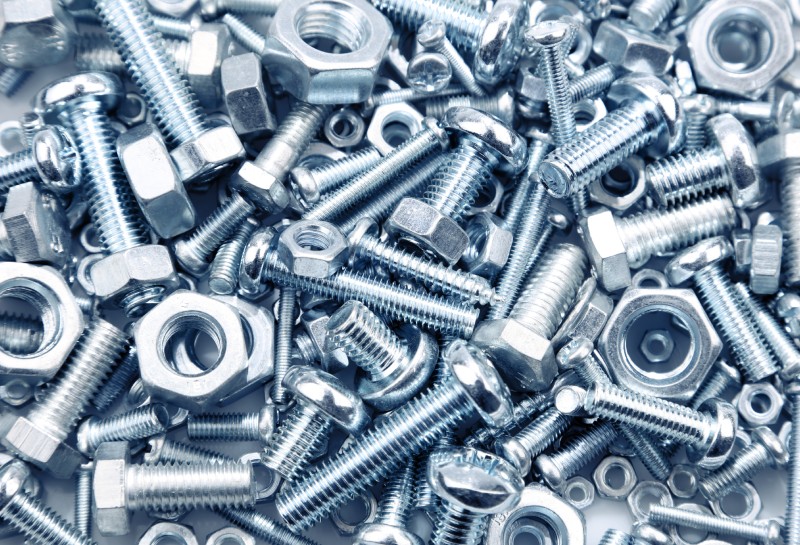
Credit: marshfasteners.com
Environmental Factors
Environmental factors play a key role in selecting the right fastener. These factors affect the fastener’s durability and performance. Considering the environment helps avoid failures and costly repairs. Fasteners must endure different conditions like moisture, heat, chemicals, and movement. Understanding these conditions guides the choice of materials and coatings. Careful selection ensures the fastener lasts longer and works safely.
Corrosion Resistance Needs
Corrosion weakens fasteners and causes failures. Choose materials that resist rust and corrosion. Stainless steel is good for wet or humid areas. Galvanized coatings protect steel from moisture and chemicals. For salty or marine environments, use fasteners with special anti-corrosion treatments. Match the fastener’s corrosion resistance with the exposure level. This prevents damage and extends the fastener’s life.
Temperature And Chemical Exposure
High temperatures can weaken some fastener materials. Metals like stainless steel or titanium handle heat well. Avoid plastics in hot environments as they may melt or deform. Chemicals can cause corrosion or damage coatings. Use fasteners made from chemical-resistant materials if exposed to acids or solvents. Check the chemical compatibility before selecting a fastener. This keeps joints strong and secure under harsh conditions.
Vibration And Wear Considerations
Vibration can loosen or wear down fasteners over time. Choose fasteners with locking features for high-vibration areas. Nylon inserts or lock washers help keep fasteners tight. Harder materials resist wear caused by movement and friction. Avoid brittle materials that may crack under vibration. Proper fastener choice reduces maintenance and improves safety in moving parts.
Load And Strength Requirements
Understanding the load and strength requirements is crucial when choosing the right fastener. The fastener must handle the forces acting on it without failing. This ensures safety and long-lasting performance.
Different applications place different demands on fasteners. Knowing the type of load and the strength needed helps pick the perfect fastener for your project.
Static Vs Dynamic Loads
Static loads stay constant over time. An example is a shelf holding books without movement. Fasteners under static loads need to resist steady pressure.
Dynamic loads change or vary with time. Vibration or moving parts create dynamic loads. Fasteners must absorb shock and repeated stress here.
Choosing a fastener depends on identifying whether the load is static or dynamic. This affects the material and design choice.
Tensile Strength And Grade
Tensile strength measures how much pulling force a fastener can handle before breaking. It is a key factor in fastener selection.
Fasteners come in different grades, which indicate strength levels. Higher grades mean stronger fasteners but often cost more.
Select a grade that matches or exceeds your load requirements. Avoid underestimating the strength needed for safety.
Safety Margins For Durability
Safety margins add extra strength to handle unexpected forces. They prevent fasteners from failing under unusual conditions.
A common safety margin is 1.5 times the expected load. This provides a buffer for wear, fatigue, and environmental factors.
Including safety margins extends the life of your fastener and protects your project from failure risks.

Credit: www.mrosupply.com
Size And Thread Specifications
Size and thread specifications are key factors when choosing the right fastener. These details ensure the fastener fits properly and holds materials securely. Incorrect size or thread type can cause weak joints or damage to parts. Understanding length, diameter, and thread pitch helps avoid these problems.
Length And Diameter
Length and diameter must match your project’s needs. Length refers to how deep the fastener goes into the material. Too short, and it won’t hold well. Too long, and it might damage the parts or stick out.
Diameter is the thickness of the fastener. It needs to fit the hole or thread tightly. A diameter too small will cause loose joints. One too large can split the material or be hard to install.
Thread Pitch Compatibility
Thread pitch is the distance between threads on a fastener. It affects how the fastener turns and tightens. Matching thread pitch with the material or nut is crucial. Mismatched threads can strip or fail to hold.
Fasteners come with coarse or fine thread pitches. Coarse threads are better for soft materials and quick assembly. Fine threads provide more grip and strength in hard materials. Choose the pitch that suits your project’s material and load demands.
Coatings And Finishes
Choosing the right coating or finish for your fastener is vital. It protects the fastener from rust, corrosion, and wear. The coating also affects the fastener’s strength and lifespan.
Different coatings suit different environments and uses. Some coatings provide basic protection. Others offer special features for tough conditions. Understanding these coatings helps pick the best fastener for your project.
Zinc And Galvanized Coatings
Zinc coatings are common for protecting steel fasteners. They form a thin layer that stops rust. Zinc also protects the metal even if scratched. This makes it a good choice for indoor and outdoor use.
Galvanized coatings use a thicker zinc layer. They offer stronger protection against moisture and salt. These fasteners last longer in wet or harsh environments. Galvanized fasteners are ideal for construction and marine projects.
Specialty Coatings For Protection
Specialty coatings add extra resistance to chemicals, heat, and wear. Examples include black oxide, phosphate, and ceramic coatings. Black oxide reduces glare and prevents rust on indoor fasteners.
Phosphate coatings improve paint adhesion and resist corrosion. Ceramic coatings protect fasteners exposed to high temperatures. Choose specialty coatings for specific needs beyond basic rust protection.
Head Types And Tools
Choosing the right fastener means understanding the different head types and tools needed for installation. The head shape affects how the fastener fits and how it looks once installed. Different heads require specific tools for proper tightening and removal. Picking the right combination ensures a secure hold and a clean finish.
Common Head Shapes
Flat heads sit flush with the surface. They work well for smooth finishes. Pan heads have a rounded top and a flat underside. These provide good holding power on softer materials. Round heads are domed and visible above the surface. They are easy to spot and remove. Hex heads have six sides and allow strong torque. They are common for heavy-duty jobs. Oval heads combine a countersunk shape with a rounded top. They offer a decorative look and good grip.
Installation Methods
Each head type needs a matching tool. Flat and oval heads usually use a Phillips or slotted screwdriver. Pan and round heads also accept these tools but need more care to avoid slipping. Hex heads require wrenches or hex keys. Power tools can speed up installation but must match the fastener’s drive type. Using the wrong tool can strip the head or damage the fastener.
Application Purpose
Choosing the right fastener starts with understanding the application purpose. This means knowing how the fastener will be used and what demands it must meet. Different projects require different fasteners depending on the function, environment, and frequency of use. Selecting the correct fastener ensures safety, durability, and efficiency.
Frequent Adjustment Needs
Some fasteners need to be adjusted often. These require materials that can handle repeated use without wearing out quickly. Strong metals like stainless steel work well for this. They resist corrosion and maintain grip after many cycles. Fasteners for frequent adjustments should also be easy to tighten and loosen.
Using weak or cheap fasteners in such cases can cause failure. Choose fasteners designed for regular opening and closing. This keeps your project safe and reliable over time.
Permanent Vs Removable Fasteners
Decide if the fastener will stay in place permanently or be removed later. Permanent fasteners create a solid, lasting bond. They often use adhesives or are tightened to a fixed torque. These are common in structural or heavy-duty work.
Removable fasteners allow parts to be taken apart easily. Screws, bolts, and clips are typical examples. They offer flexibility for repairs or adjustments. Choose removable fasteners for projects that may need future changes.
Manufacturer And Quality
Choosing the right fastener means paying close attention to the manufacturer and quality. Reliable manufacturers produce fasteners that last longer and perform better. Low-quality fasteners may fail, causing safety risks and extra costs. Always prioritize quality to ensure your project holds up under pressure.
Trusted Brands
Trusted brands have a history of making strong, durable fasteners. They use quality materials and strict production processes. Choosing a well-known brand reduces the chance of defects and poor performance. These brands often provide warranties and customer support. This adds extra peace of mind to your purchase.
Certifications And Standards
Certifications show a fastener meets industry quality rules. Look for standards like ISO, ASTM, or DIN on the product. These assure you the fastener has been tested for strength and safety. Certified fasteners work well in critical applications and harsh environments. Using certified products lowers the risk of failure and increases reliability.
Frequently Asked Questions
How To Know What Fasteners To Use?
Choose fasteners based on application purpose, environmental conditions, and load requirements. Select material, size, and coating accordingly. Use durable metals for frequent use and corrosion-resistant types for moisture exposure. Ensure proper length, diameter, and thread pitch to match strength and fit needs.
What Is The 3 Thread Rule?
The 3 thread rule ensures a fastener engages at least three full threads into the material. This provides adequate strength and prevents stripping. It applies mainly to screws and bolts for secure fastening in various materials.
What Is The Point To Consider When Choosing Fasteners?
Consider the application purpose, environmental conditions, load requirements, material, size, and coating when choosing fasteners. Select durable materials for frequent use and corrosion resistance for harsh environments. Match fastener length and diameter to component size and load for optimal strength and performance.
Should I Use A 8 Or 10 Screw?
Choose a 8 screw for light to medium loads and thinner materials. Use a 10 screw for heavier loads and thicker materials. Match screw size to your project’s strength and load requirements for best results.
Conclusion
Choosing the right fastener takes careful thought and planning. Consider where and how you will use it. Match the fastener’s material to the environment and load needs. Size and strength matter for safety and durability. Selecting the proper fastener helps your project last longer.
Take time to check all details before buying. A good fastener fits well and works as expected. Simple steps lead to better results every time.