Have you ever wondered exactly how Jesus was fastened to the cross? It’s a detail that many overlook but holds powerful meaning.
Understanding this can change the way you see the story of the crucifixion and connect you more deeply to its impact. You’ll discover the methods used, the reasons behind them, and what it meant for Jesus’ suffering. Keep reading—you might find answers that surprise and move you.
Methods Of Crucifixion
Crucifixion was a brutal form of execution used by the Romans. It involved several methods to fasten the victim to the cross. These methods caused extreme pain and prolonged suffering. Understanding these methods helps us grasp the harsh reality Jesus faced.
Romans used different ways to secure people to the cross. The main techniques included nailing, using ropes, or a mix of both. Each method had its own purpose and effect.
Nailing Techniques
Nailing was the most common method to fix a person to the cross. Large iron nails were driven through the hands or wrists. Nails were also placed through the feet or ankles. The nails caused severe pain and made escape impossible.
Some experts believe nails went through the wrists, not the palms. The wrists could hold the body’s weight better. Nails in the palms might tear through the skin under weight.
Use Of Ropes
Ropes were sometimes used instead of nails. Victims were tied tightly to the wooden beams. Ropes allowed quicker fastening and less damage to the body. This method could prolong life but still caused extreme pain.
Ropes could be tied around the arms, chest, and legs. This helped keep the victim in place during crucifixion. It was less damaging but still cruel and deadly.
Combination Of Nails And Ropes
Sometimes, Romans used both nails and ropes together. Nails fastened the hands or feet, while ropes secured other parts. This combination ensured the victim stayed firmly on the cross.
Using both methods made sure the person could not move or escape. It increased the suffering and made rescue impossible.
Historical Accounts
The story of how Jesus was fastened to the cross comes from many sources. These include historical writings, religious texts, and physical evidence. Each source helps us understand the methods used by the Romans during crucifixions.
This section looks at Roman practices, biblical descriptions, and archaeological evidence. Together, they paint a clearer picture of this ancient event.
Roman Practices
The Romans used crucifixion as a common form of execution. They usually tied or nailed the victim to a wooden cross. Nails were placed through the wrists or hands and feet to hold the person firmly.
The cross was often made from heavy wood. Victims were left to hang until death, which could take hours or days. Roman soldiers were skilled in carrying out this method quickly and efficiently.
Biblical Descriptions
The Bible gives some details about Jesus’ crucifixion. It mentions nails driven into Jesus’ hands and feet. The Gospel accounts describe the crown of thorns and the nails used to fasten him.
The Bible does not provide exact details about the position of the nails. It focuses more on the meaning and suffering of Jesus rather than the technical details.
Archaeological Evidence
Archaeologists have found some remains related to crucifixion. One famous discovery is a heel bone with a nail through it. This find shows how nails were used in the feet during crucifixions.
Other artifacts include nails and pieces of wood from crosses. These findings support the historical descriptions of Roman execution methods. They help confirm how Jesus may have been fastened to the cross.
Placement Of Nails
The placement of nails during the crucifixion of Jesus is a key detail in understanding this event. Scholars and historians study where the nails were driven. This affects both the method of crucifixion and the suffering involved. The nails had to hold the body firmly to the cross. Yet, the exact spot on the hands and feet is debated.
Wrist Vs. Palm
Nails could be placed in the palms or the wrists. Nails in the palms might not support the body’s weight. The skin there might tear easily. Wrists provide a stronger hold. Ancient crosses likely used wrist nails for stability. This placement also aligns with historical evidence.
Feet Positioning
The feet were usually nailed to the cross together or separately. Nails could go through the top of the feet or the sides. Positioning affects how the body hung. Some theories suggest one foot was placed over the other. This could increase pain and hold the body better. Foot placement is important to understand the crucifixion’s physical impact.
Medical Implications
Nail placement affected pain and survival time. Wrists and feet nails caused extreme nerve damage. This led to severe pain and muscle cramps. Blood loss and asphyxiation were common causes of death. Incorrect nail placement might cause the victim to fall. The medical details help explain the crucifixion’s brutality.

Credit: en.wikipedia.org
Purpose Behind The Method
The method used to fasten Jesus to the cross had a clear purpose. It was not random or careless. Every step served a specific goal. These goals shaped the way the crucifixion was carried out. Understanding these reasons helps us see the full picture of this event.
Pain Infliction
The method caused intense pain. Nails were driven through the wrists or hands. This caused nerve damage and extreme suffering. Hanging on the cross made breathing difficult. Pain increased with every breath and movement. The goal was to make the punishment severe.
Public Display
The crucifixion was meant to be seen by many. The cross was placed in a public area. This showed the power of the authorities. It served as a warning to others. The method ensured the victim was clearly visible. It was a tool for public humiliation.
Execution Efficiency
The method allowed the execution to be carried out quickly. Nails held the victim firmly in place. This prevented escape or struggle. The process was practical for the executioners. It required few tools and little time. The method made the punishment final and effective.
Common Misconceptions
Many people have wrong ideas about how Jesus was fastened to the cross. These ideas come from art, movies, and culture. They often do not match historical facts. Understanding these mistakes helps us see the true story more clearly.
Artistic Interpretations
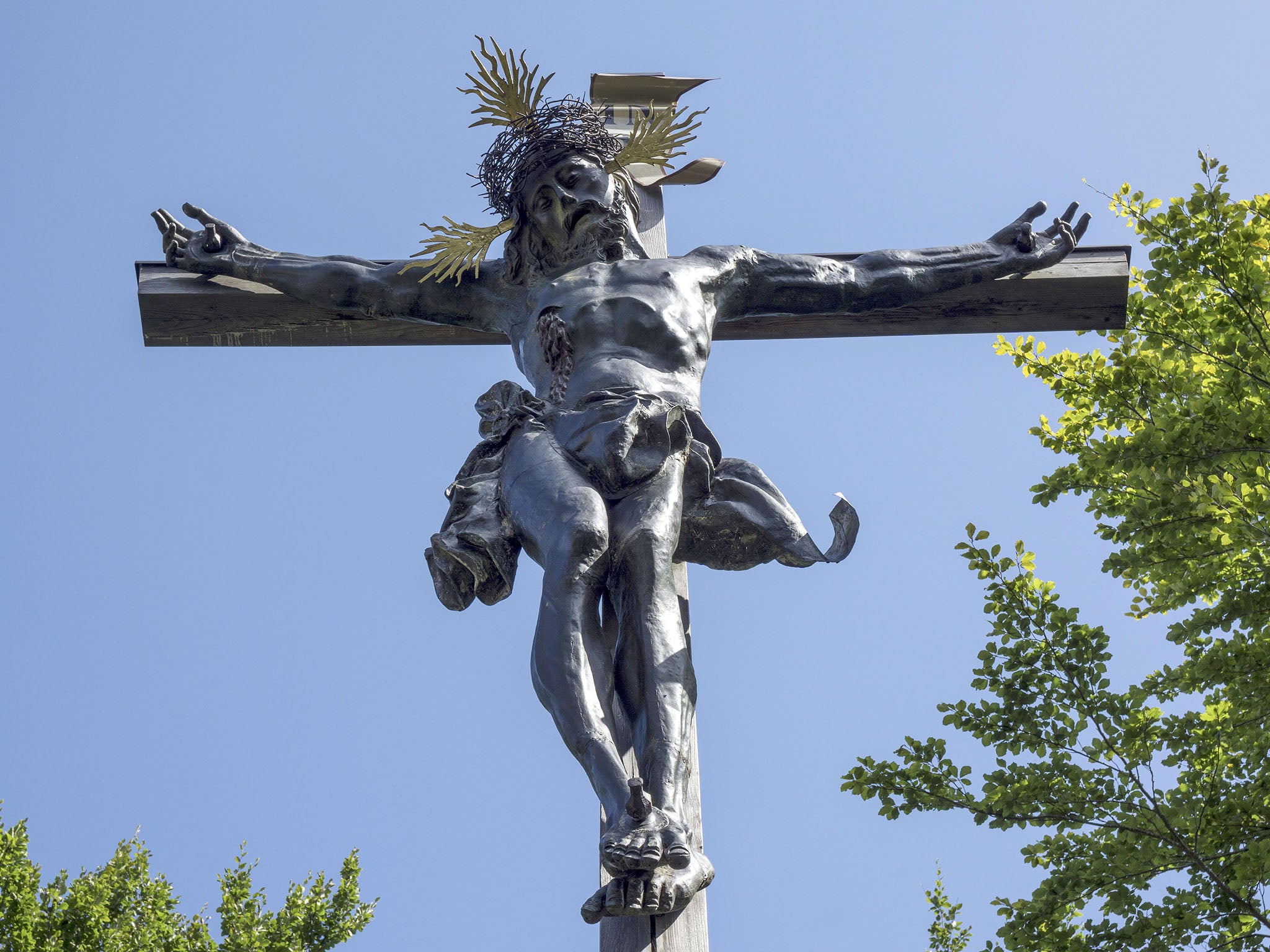
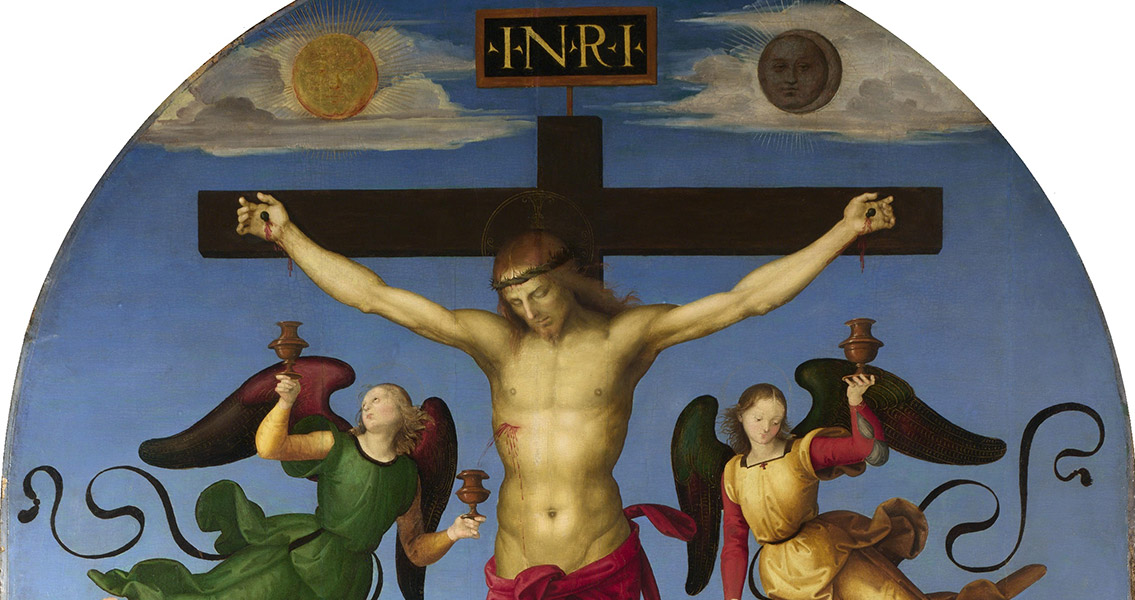
Artists often show Jesus nailed through the palms of his hands. This image is popular but not fully accurate. History suggests nails went through the wrists for better support. Art aims to express emotion and sacrifice more than detail. This leads to common misunderstandings about the method of crucifixion.
Modern Reenactments
Stage plays and films show Jesus tied or nailed differently. Sometimes nails appear in the hands, other times in the wrists. Some scenes use ropes instead of nails. These choices help actors perform safely. They do not always reflect what really happened. Reenactments focus on the story’s spirit, not exact history.
Cultural Influences
Cultural traditions shape how people imagine the crucifixion. Different countries show Jesus with various nail placements. Some cultures emphasize pain, others focus on hope. These views affect how the crucifixion is depicted in churches and books. Culture changes the image more than facts do.
Credit: www.independent.co.uk
Impact On Jesus’ Suffering
The way Jesus was fastened to the cross had a deep impact on His suffering. The physical pain was extreme, and it lasted for many hours. This suffering holds great meaning in Christian belief. It shows the depth of His sacrifice and love for humanity.
Physical Trauma
Nails were driven through Jesus’ wrists and feet. This caused sharp, intense pain. The weight of His body pulled on these wounds. Each breath caused His muscles to stretch painfully. Blood loss and shock added to His torment.
Duration On The Cross
Jesus hung on the cross for several hours. This long duration increased His suffering greatly. Exposure to the sun and air made Him weaker. Every moment brought more agony and exhaustion. The slow death was part of the cruel punishment.
Theological Significance
Jesus’ suffering represents the burden of human sin. His pain shows the cost of salvation. It reflects God’s love and justice combined. Believers see His fastened body as a symbol of sacrifice. This suffering invites reflection and faith.
Credit: www.newhistorian.com
Frequently Asked Questions
How Was Jesus Fastened To The Cross Historically?
Jesus was most likely nailed through his wrists and feet. Historical evidence suggests nails, not ropes, were used to secure him.
Were Nails Or Ropes Used To Crucify Jesus?
Nails were primarily used to fasten Jesus. Ropes were less common and not supported by most biblical accounts.
Where Were The Nails Placed On Jesus’ Body?
Nails were placed through the wrists and feet. This positioning helped support the body’s weight during crucifixion.
Why Is The Method Of Fastening Jesus Significant?
Understanding the fastening method reveals historical crucifixion practices. It also deepens the meaning of Jesus’ suffering and sacrifice.
Conclusion
The way Jesus was fastened to the cross shows great pain and suffering. Nails pierced his hands and feet to hold him firmly. This method caused deep wounds and intense agony. Understanding this helps us see the sacrifice he made.
It reminds us of his strength and love. The story remains powerful and meaningful today. It teaches lessons about faith and endurance. Reflecting on this can inspire hope and gratitude. The details matter for a full picture of his sacrifice.