Have you ever wondered how decks were attached to houses back in the 1960s? If you’re thinking about the safety and durability of older decks, this question is more important than you might realize.
How those decks were fastened can affect everything from your home’s value to your family’s safety. You’ll discover whether nails were the go-to method or if builders used something stronger. Keep reading to find out what you need to know before you step onto that old deck or start a renovation project.
Deck Construction In The 1960s
Deck construction in the 1960s was simpler than today’s standards. Builders focused on basic designs and practical materials. Safety rules were less strict, and many methods varied by region. The way decks were attached to houses often used techniques common for that time. Understanding these methods helps explain the durability of older decks.
Common Materials Used
Wood was the main material for decks in the 1960s. Pine and cedar were popular choices due to their availability. Pressure-treated wood started gaining use to prevent rot and insect damage. Metal parts like steel were used mainly for support beams. Concrete was rare but sometimes used for footings. Plastic and composite materials had not yet appeared.
Typical Fastening Methods
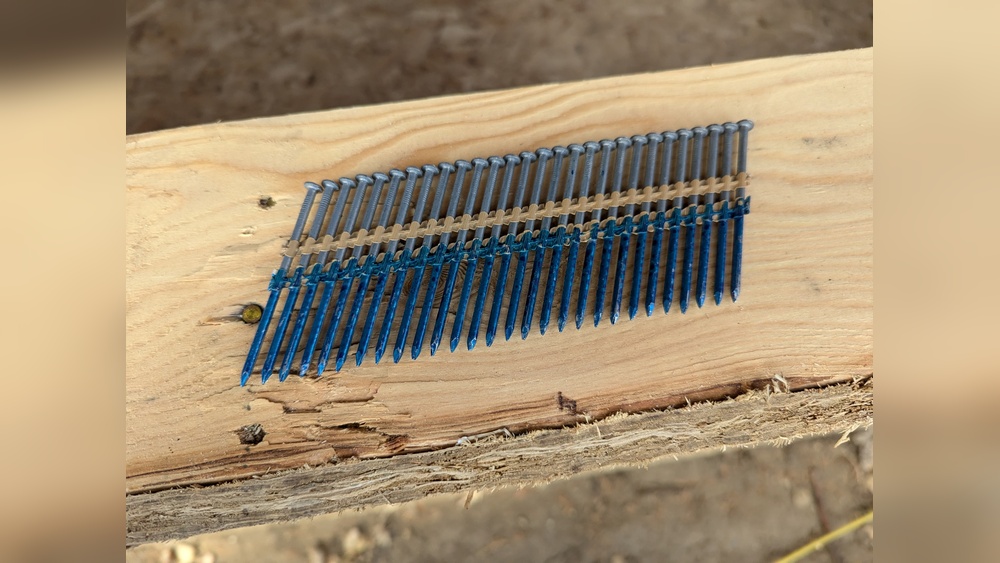
Nails were the most common fasteners for deck construction. Builders used long, thick nails to hold wood pieces together. Screws were less common and not widely used for decks. Bolts and metal straps were occasionally added for extra strength. Joists often rested on ledger boards attached directly to the house with nails. This method worked but could lead to issues like loosening over time.
Nails Versus Screws In Deck Building
In the 1960s, builders mostly used nails to fasten decks to houses. Nails were common and easy to use. Over time, screws started gaining popularity in deck construction. Both nails and screws have different strengths and weaknesses. Understanding these helps explain why nails were preferred in the past and why screws are used more now.
Advantages Of Nails
Nails are quick to drive in. They hold wood pieces firmly together. Their flexibility helps them bend slightly without breaking. This makes nails good for wood that expands and contracts. Nails also cost less than screws. Builders could finish decks faster using nails.
Limitations Of Nails
Nails can loosen over time. Wood movement can cause nails to back out. This weakens the deck’s structure. Nails do not grip wood as tightly as screws. They are more prone to rust and corrosion. Nails also offer less resistance to pulling forces.
Emergence Of Screws
Screws provide stronger holding power than nails. They grip wood fibers tightly and resist loosening. Screws reduce the risk of deck boards popping up. They also last longer and resist rust better. The use of power tools made screws easier to install. This led to their rise in deck building after the 1960s.
Building Codes And Standards In The 1960s
Building codes and standards in the 1960s shaped how decks were built and fastened. These rules ensured safety but were less detailed than today’s standards. Builders followed local codes that often varied by region. The focus was on basic structural integrity rather than specific fastening methods.
At that time, many codes did not clearly require the use of bolts or screws for deck attachment. Nails were commonly accepted fasteners in residential construction. This practice reflected the tools and materials widely available then. Understanding these codes helps explain why nails were often used to fasten decks to houses.
Regulations On Deck Fastening
Deck fastening rules in the 1960s were simple and flexible. Codes mainly required decks to support expected loads. Specific fastening methods, such as bolts or lag screws, were rarely mandated. Nails were often allowed if they provided enough strength.
Building inspectors focused more on overall safety than on fastener type. Documentation on fastening was limited, so many builders chose nails for convenience. This approach met most code requirements at the time.
Impact On Construction Practices
Because codes allowed nails, builders used them widely for deck attachment. Nails were easy to use and available in most hardware stores. This practice sped up construction and lowered costs.
However, nails could loosen over time, causing safety concerns later. Many decks built in the 1960s required upgrades to meet modern standards. Builders learned to use stronger fasteners like bolts as codes evolved.
Credit: www.expedia.com
Durability Of Nail-fastened Decks
Decks fastened to houses with nails in the 1960s have a unique story about durability. Builders often chose nails because they were quick and easy to use. Over time, these nail-fastened decks showed both strengths and weaknesses. Understanding their durability helps homeowners assess older decks today.
Common Issues Over Time
Nails tend to loosen as wood expands and shrinks. This movement causes nails to pop out or work free. Moisture can cause wood to rot around the nails. Rust also weakens the nails, reducing their hold. Loose nails create unsafe deck boards and gaps. These problems often appear after many years of use.
Maintenance And Repairs
Regular checks can spot loose or rusty nails early. Replacing nails with screws improves deck strength. Screws hold wood tighter and resist loosening. Wood treatment prevents rot and extends deck life. Repairing damaged boards keeps the deck safe to use. Simple care can keep nail-fastened decks solid for years.
Transition To Modern Fastening Techniques
Deck building has changed a lot since the 1960s. Back then, nails were the main choice for fastening decks to houses. Over time, builders found better ways to make decks stronger and safer. This led to a shift from nails to modern fastening methods.
Reasons For Change
Nails often loosened or rusted. This made decks unsafe and unstable. Builders needed fasteners that held tight for a long time. New materials and tools helped create better options. Screws and bolts resist rust and provide a firm grip. These fasteners reduce deck movement and improve safety. Building codes also grew stricter. They required stronger connections to protect homes and people. This pushed the change toward modern fasteners.
Current Best Practices
Today, screws are preferred over nails for deck fastening. They hold wood pieces securely without loosening. Stainless steel and coated fasteners resist weather damage. Structural connectors, like brackets and joist hangers, add extra strength. Builders follow strict guidelines to meet local codes. These methods help decks last longer and stay safe. Proper fastening also prevents costly repairs. Homeowners benefit from durable and steady decks. Modern fastening techniques ensure decks are solid and reliable.
Credit: www.expedia.com
Credit: www.energyvanguard.com
Frequently Asked Questions
Were Nails Commonly Used To Fasten Decks In The 1960s?
Yes, nails were commonly used to fasten decks to houses in the 1960s. Builders relied on nails for quick and secure attachment. However, the type and quality of nails varied, affecting long-term durability and safety.
What Types Of Nails Were Used For Decks In The 1960s?
In the 1960s, common nails and galvanized nails were primarily used for deck fastening. Galvanized nails helped resist rust and corrosion, though not as effectively as modern fasteners. The choice depended on local availability and builder preference.
Did Deck Fastening Methods In The 1960s Meet Safety Standards?
Deck fastening in the 1960s often did not meet modern safety standards. Codes were less strict, and builders used simpler techniques. Many older decks may require inspection and upgrades to comply with current safety requirements.
Why Were Nails Preferred Over Screws For Decks In The 1960s?
Nails were preferred over screws in the 1960s due to their availability and ease of use. Nails allowed faster construction and required fewer tools. Screws were less common and more expensive at that time.
Conclusion
Decks in the 1960s were often fastened using nails. Builders used nails because they were easy to find and use. Over time, screws and bolts became more common for stronger holds. Nails may loosen or corrode faster than screws. Today’s building codes recommend stronger fasteners for safety.
Knowing the past helps us understand how deck building has improved. Old decks might need checking and updating for safety. A well-fastened deck lasts longer and stays safer. Simple steps can protect your deck and your home.